Running a successful tradie business in Australia takes more than solid workmanship and a good reputation. Whether you’re a sparkie, plumber, chippy, landscaper, or painter, the financial side of the job can quietly make or break your business.
A lot of tradies are flat out juggling quotes, invoices, suppliers, and jobsites every day. It’s easy for financial habits to slip through the cracks — especially during busy periods. The problem is, small money mistakes can snowball into cash flow headaches, tax stress, and missed opportunities for growth.
The good news? Most of these mistakes are completely avoidable once you know what to look for. Here are some of the most common financial mistakes tradies make — and how to stay ahead of them.
1. Not Charging Enough
One of the biggest mistakes tradies make is underquoting jobs just to stay competitive.
Sure, winning work matters. But if your pricing barely covers materials and labour, you’re not actually building a sustainable business. Too many tradies forget to factor in:
- Fuel and travel costs
- Tool maintenance and replacement
- Insurance
- Admin time
- GST
- Super contributions
- Downtime between jobs
A quote that looks profitable on paper can end up leaving you with very little once everything’s paid for.
The fix? Know your numbers properly. Review your costs regularly and price jobs based on profitability, not fear of losing work.
ServiceSeeking.com.au can also help tradies access a steady flow of job opportunities, making it easier to focus on quality leads instead of racing to the bottom on price.
2. Mixing Personal and Business Finances
Using one bank account for everything might seem convenient at first, but it quickly becomes messy.
When personal spending and business transactions are mixed together, it becomes harder to:
- Track profitability
- Manage taxes
- Spot unnecessary spending
- Prepare BAS statements
- Understand cash flow
It can also create serious stress come tax time.
A separate business account and business card make life much easier. You’ll get clearer visibility into where your money’s going and how your business is actually performing.
Even sole traders benefit massively from this simple change.
3. Ignoring Cash Flow
A profitable business can still run into trouble if cash flow is poor.
This catches a lot of tradies out, especially during seasonal slowdowns or when customers pay late. You might have thousands of dollars worth of work booked, but if payments aren’t arriving on time, bills still pile up.
Common cash flow mistakes include:
- Waiting too long to invoice
- Offering lengthy payment terms
- Not following up unpaid invoices
- Taking on too many low-margin jobs
One smart move is creating more consistency in your pipeline. Tradies who regularly secure quality leads tend to avoid the feast-or-famine cycle that hurts cash flow.
That’s where lead generation platforms like ServiceSeeking.com.au can make a real difference. Having access to active homeowners looking for tradies helps keep work coming in more steadily throughout the year.
4. Not Setting Aside Tax Money
Few things hit harder than a surprise tax bill.
A lot of tradies treat all incoming payments as spendable income, forgetting that a chunk belongs to the ATO. Then BAS or tax time arrives and suddenly there’s panic.
A simple solution is automatically transferring a percentage of every payment into a separate tax savings account. Many tradies set aside:
- GST collected
- Income tax
- Super contributions
That way, the money’s already there when obligations roll around.
It’s not the most exciting financial habit, but it can save enormous stress later.
5. Buying Equipment Too Quickly
New tools and utes are exciting. But upgrading too aggressively can put unnecessary pressure on your finances.
It’s easy to justify purchases when work is busy, but repayments can become painful during quieter months. Before committing to expensive equipment, ask:
- Will this genuinely improve productivity?
- Will it increase revenue?
- Is there enough consistent work to support the expense?
Sometimes hiring equipment short-term makes more financial sense than buying outright.
Steady job demand matters here too. Tradies with reliable lead flow are generally in a stronger position to invest confidently in business upgrades.
6. Forgetting About Superannuation
Many self-employed tradies focus so heavily on immediate expenses that retirement planning gets ignored completely.
Unlike employees, sole traders don’t automatically receive super contributions unless they actively set them aside themselves. Years can pass surprisingly quickly, and catching up later becomes much harder.
Even small regular contributions can make a huge difference over time.
Treat super like another business expense rather than something optional you’ll “sort out later”.
7. Taking Every Job That Comes Along
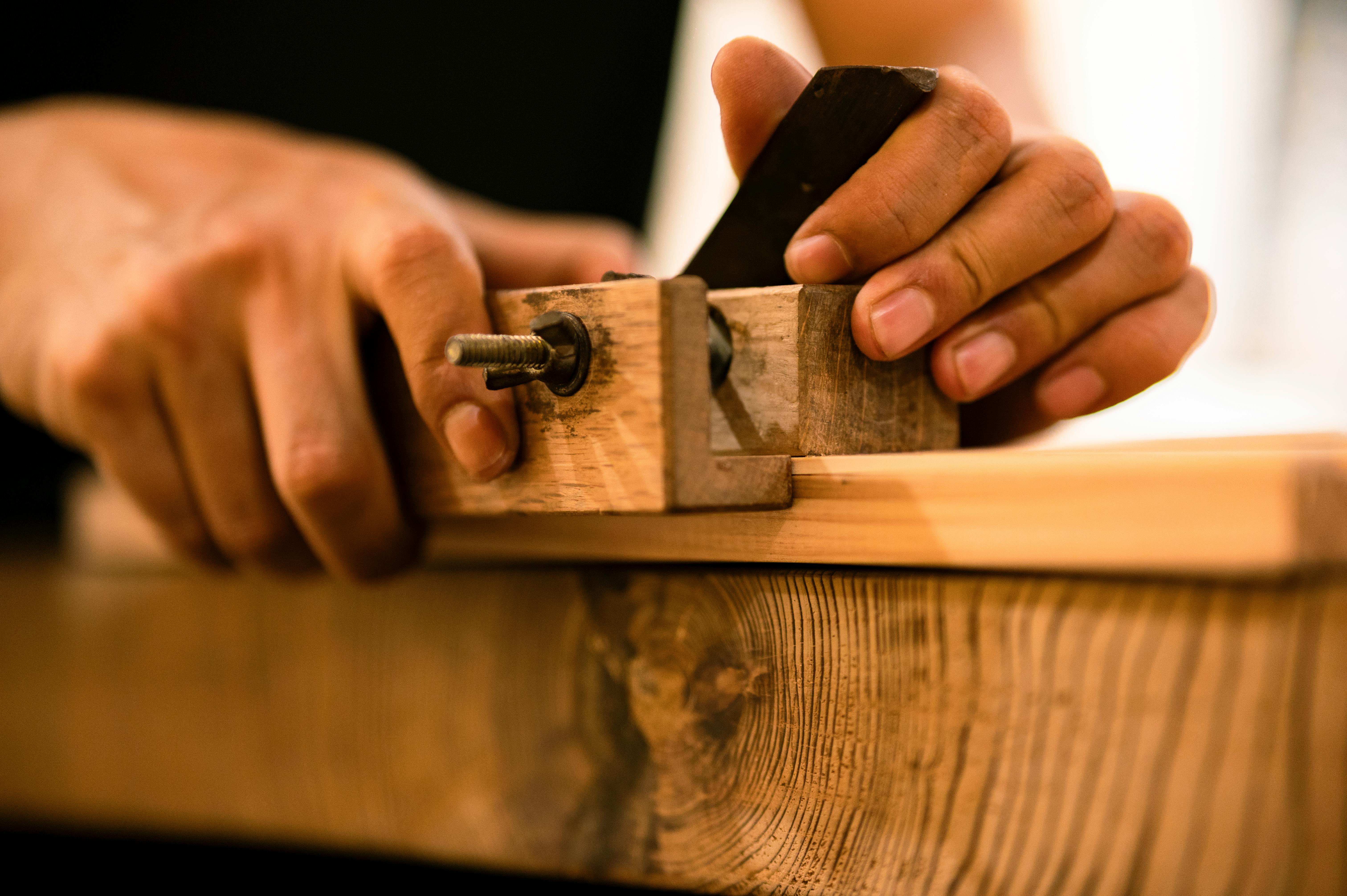
Not all work is good work. Many tradies fall into the trap of saying yes to every opportunity, even low-paying or problematic jobs. The result?
- Burnout
- Poor scheduling
- Unprofitable work
- Difficult clients
- Delayed payments
Sometimes a packed schedule can still leave you earning less overall.
The smarter move is focusing on better-quality jobs and customers who value your work. Having access to multiple lead opportunities gives you more freedom to choose the right jobs instead of accepting everything out of desperation.
That’s one reason many tradies use marketplaces like ServiceSeeking.com.au — it creates more opportunities to connect with homeowners actively searching for services, helping tradies stay selective and efficient.
8. Not Tracking Business Performance
A surprising number of tradies operate purely on instinct.
They know they’re busy, but they don’t actually track:
- Monthly profit
- Expenses
- Best-performing services
- Advertising ROI
- Customer acquisition costs
Without proper tracking, it’s difficult to know what’s working and what’s draining money. Basic accounting software can make a massive difference here. Even simple monthly reviews help identify patterns and opportunities for improvement.
You don’t need to become an accountant overnight — you just need visibility.
9. Relying Too Heavily on Word of Mouth
Word of mouth is valuable, but relying on it alone can create unstable income.
Referrals naturally fluctuate. During slower periods, many tradies suddenly realise they don’t have enough incoming work lined up.
That’s why successful tradies usually combine referrals with proactive lead generation. Keeping your pipeline healthy helps smooth out quieter periods and reduces financial stress.
Using a platform like ServiceSeeking.com.au gives tradies another channel for securing work without relying solely on past customers or random referrals.
10. Trying to Do Everything Alone
A lot of tradies wear every hat in the business:
- Worker
- Admin
- Bookkeeper
- Marketer
- Salesperson
At some point, this becomes unsustainable.
Trying to manage every financial detail yourself can lead to mistakes, missed deductions, poor tax planning, and burnout. Getting support from a good accountant or bookkeeper is often one of the smartest investments a tradie can make.
Likewise, using tools and services that help generate leads can free up valuable time you’d otherwise spend chasing work manually.
Final Thoughts
Most financial mistakes tradies make don’t happen because they’re careless. They happen because running a trade business is demanding, and financial management often gets pushed aside while the actual work takes priority.
But the tradies who build long-term, profitable businesses usually have one thing in common: they treat their business finances with the same professionalism as their workmanship.
Better pricing, stronger cash flow, smarter planning, and more consistent lead generation can completely change the trajectory of a business.
And when you’ve got reliable access to customers actively searching for tradies through platforms like ServiceSeeking.com.au, it becomes much easier to focus on profitable growth instead of constantly worrying about where the next job is coming from.