Learn how tradies can spot EOFY scams, avoid fake ATO messages, and protect business accounts during tax time.
EOFY scams are becoming harder to spot, and tradies are firmly in the firing line. Between chasing invoices, sorting receipts, managing payroll, and getting paperwork ready for tax time, it only takes one rushed click or one convincing text message for a scammer to get through.
Scammers know that many businesses are busier than usual in the lead-up to June 30. They use that pressure to their advantage, often posing as the ATO, myGov, banks, suppliers, delivery companies, or even accountants.
Some scams are obvious. Others look almost identical to legitimate emails, invoices, and websites. With AI-generated messages and fake online stores becoming more common, EOFY scams are evolving quickly.
Here’s what tradies should keep an eye out for this tax season.
Fake ATO and myGov Messages
This is still one of the most common EOFY scams in Australia.
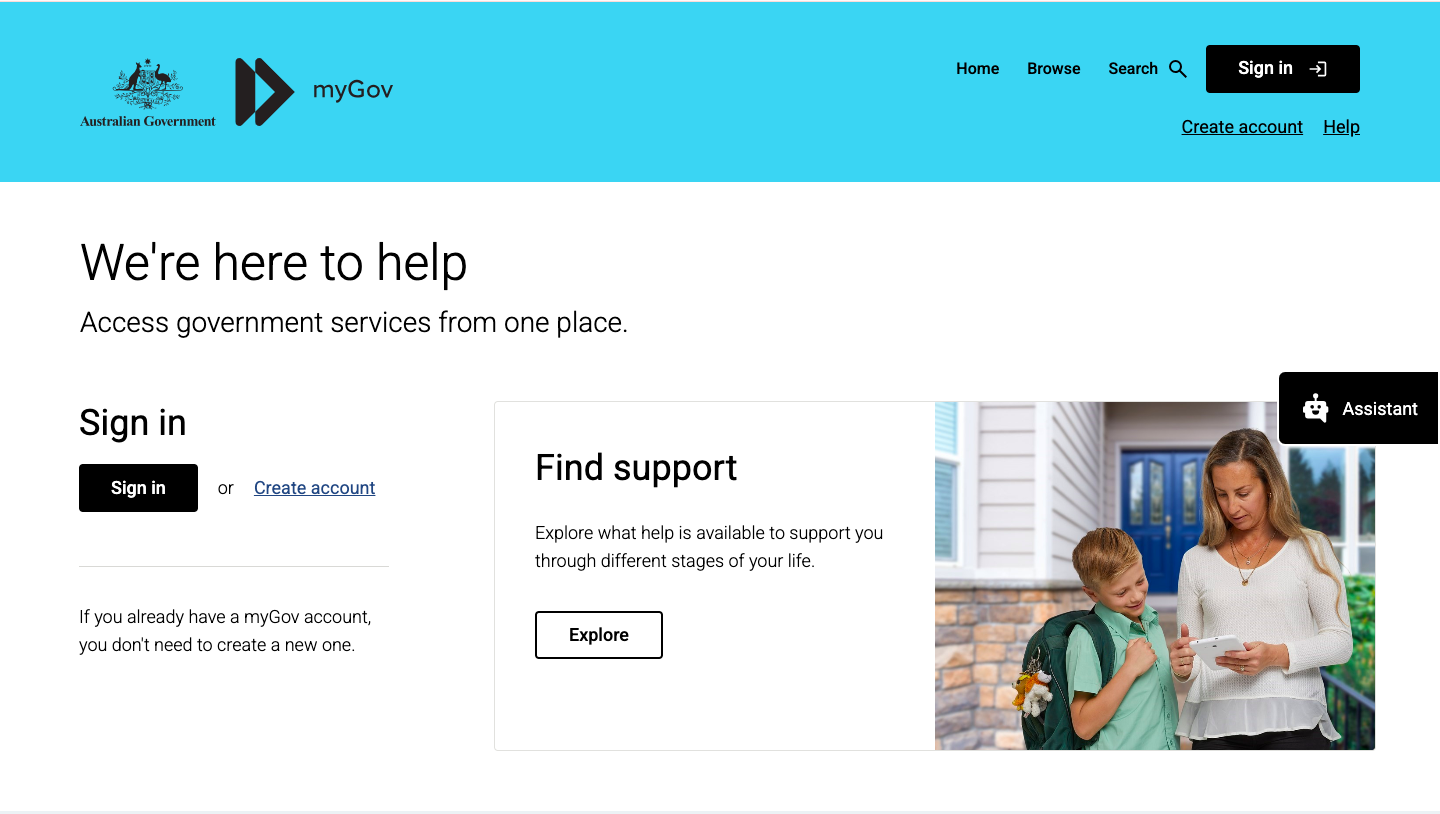
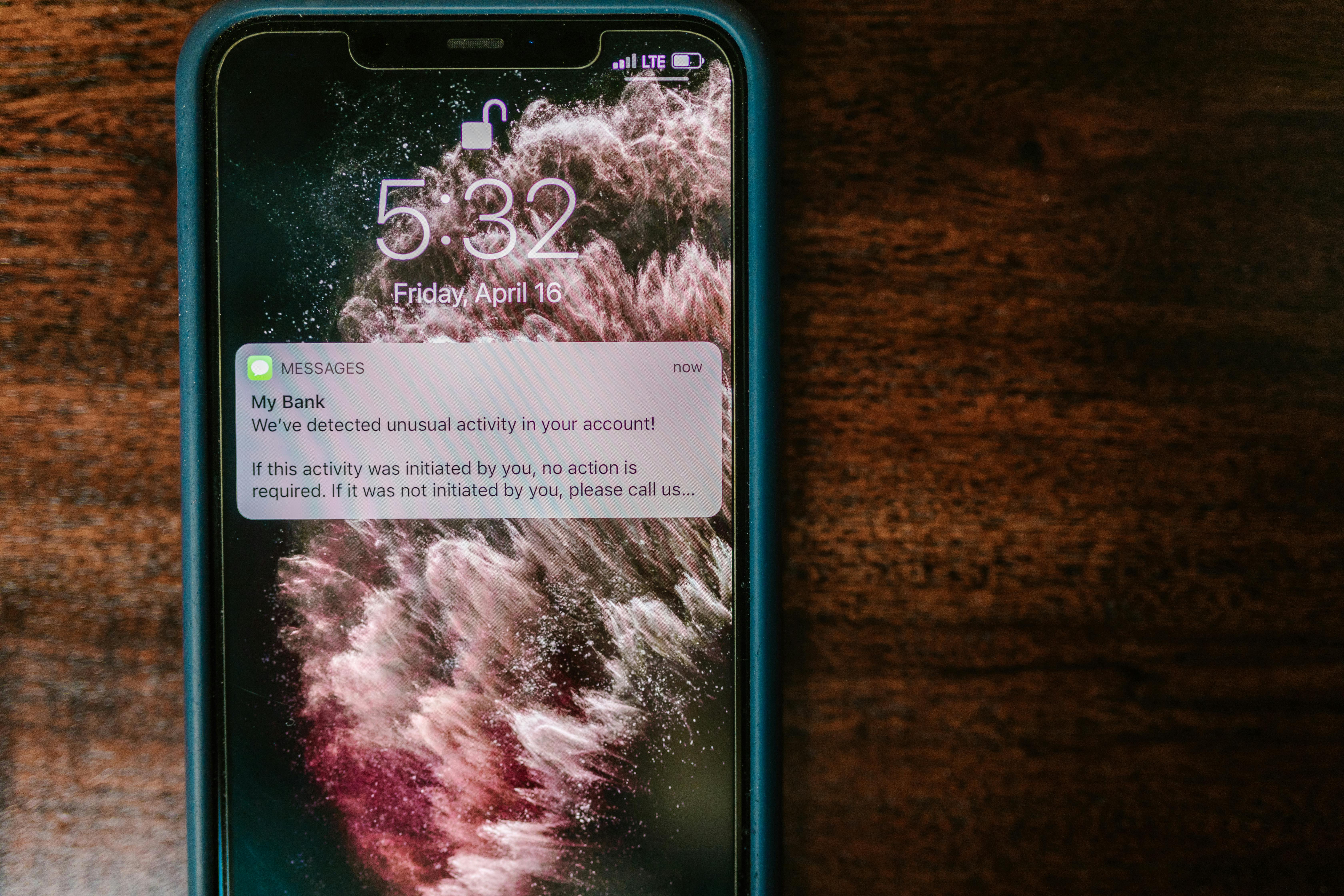
You might receive a text saying you’re owed a tax refund, or an email claiming there’s a problem with your BAS, super payments, or tax return. Some scammers even call directly and pressure people into making immediate payments.
These messages are designed to create panic or urgency. They often include links to fake login pages that steal passwords and banking details.
A few warning signs include:
- Requests for urgent payment
- Threats of penalties or arrest
- Links asking you to log into myGov
- Poor spelling or unusual email addresses
- Requests for payment through cryptocurrency, gift cards, or direct transfer
The ATO does not demand payment through unusual methods, and legitimate agencies generally encourage people to use official portals or verified contact channels.
If you receive a suspicious message, avoid clicking anything. Contact the organisation directly using contact details from their official website.
Invoice and Payment Redirection Scams
Tradies deal with invoices constantly, which makes payment scams especially effective during EOFY.
A scammer may hack into an email account or closely imitate a supplier, subcontractor, or bookkeeper. Then they send an updated invoice with “new bank details” attached.
At first glance, everything may appear legitimate. The invoice format, logo, language, and timing can all look normal.
Before paying large invoices or changing saved banking details:
- Confirm payment details over the phone
- Double-check email addresses carefully
- Watch for tiny spelling changes in domains
- Be cautious with last-minute account changes
Many businesses only realise something is wrong once the money is gone.
AI-Powered Phishing Scams
Scam emails used to be easier to detect. Today, AI tools can generate highly convincing emails, messages, and even voice recordings.
Some phishing emails now mirror real writing styles, branding, and tone. Others use information gathered from social media or company websites to sound more believable.
For tradies, this could look like:
- A fake supplier asking for payment
- A customer requesting updated account details
- An accountant sharing a “secure document”
- A delivery company asking you to confirm a shipment
The message may even mention real projects, staff names, or business details.
The safest approach is to slow down before opening attachments or clicking links, especially if the message involves payments, account access, or sensitive information.
Fake EOFY Sales and Ghost Stores
EOFY sales are everywhere this time of year, and scammers know people are actively hunting for deals on tools, equipment, electronics, and work gear.
Ghost stores are one of the newer scams gaining attention online. These fake online shops pretend to be local Australian businesses offering huge clearance sales because they’re supposedly shutting down.
Many use emotional stories, AI-generated photos, and professional-looking websites to appear trustworthy.
A few red flags include:
- Massive discounts that seem unrealistic
- Recently created websites
- No real business address or contact number
- Poor customer reviews outside the website
- Pressure to buy quickly before stock “runs out”
Some buyers receive counterfeit products. Others receive nothing at all.
Before purchasing from unfamiliar stores, check whether the business has a valid ABN and search for independent reviews.
Email Account Takeovers
Email remains one of the biggest vulnerabilities for small businesses.
If scammers gain access to a business email account, they can monitor conversations, intercept invoices, and impersonate staff or suppliers.
In some cases, they quietly sit inside inboxes for weeks before attempting fraud.
A few practical ways to reduce risk include:
- Using strong, unique passwords
- Turning on multi-factor authentication
- Keeping software updated
- Limiting who has access to financial accounts
- Backing up important files regularly
Even a small business with only a few staff can become a target.
What to Do If You’ve Been Scammed
Fast action can make a difference.
If you suspect a scam:
- Contact your bank immediately
- Change passwords for affected accounts
- Report the incident to Scamwatch and ReportCyber
- Monitor business and personal accounts closely
- Inform staff, suppliers, or clients if email systems may be compromised
If identification documents or personal details were exposed, services like IDCARE can also help guide next steps.
Some scammers attempt follow-up scams after an initial incident, especially if they know someone has already responded once.
Why EOFY Is a High-Risk Period for Tradies
EOFY creates the perfect environment for scams because businesses are processing more payments, reviewing finances, purchasing equipment, and responding to increased admin.
Tradies often work between job sites, answer messages on the go, and handle paperwork after hours. Scammers rely on that fast pace.
One rushed payment approval or quick tap on a fake link can create major financial and operational problems.
Building safer habits around invoices, emails, and online purchases can help reduce that risk significantly.