Business Articles
Starting a business for $1000
Starting a business for $1000 doesn’t sound possible, does it? A brand new plasma? Maybe. 7 nights in Fiji? Not a problem. But a whole business? So...
Learn how to build a financial safety net for tradies in 2026, from income buffers and super to smart cash flow and business structure.

Running your own trade business gives you freedom, flexibility and strong earning potential. It also means you are responsible for your own financial security. A solid financial safety net for tradies helps you manage quieter periods, unexpected costs, and long-term goals without pressure.
This update covers the essentials every self-employed tradie should understand as you head into 2026.
A financial safety net is not just savings in a personal bank account. For tradies, it usually includes:
Together, these give you options. They help you avoid panic decisions, take on better jobs, and plan ahead with confidence.
Work can be unpredictable. Slow seasons, weather delays, client postponements and late payments all impact cash flow. A buffer exists to protect you when these gaps happen.
A simple way to think about it is:
This buffer supports your rent or mortgage, bills, fuel, registrations and groceries when cash flow dips. It also protects you from relying on credit for basic expenses.
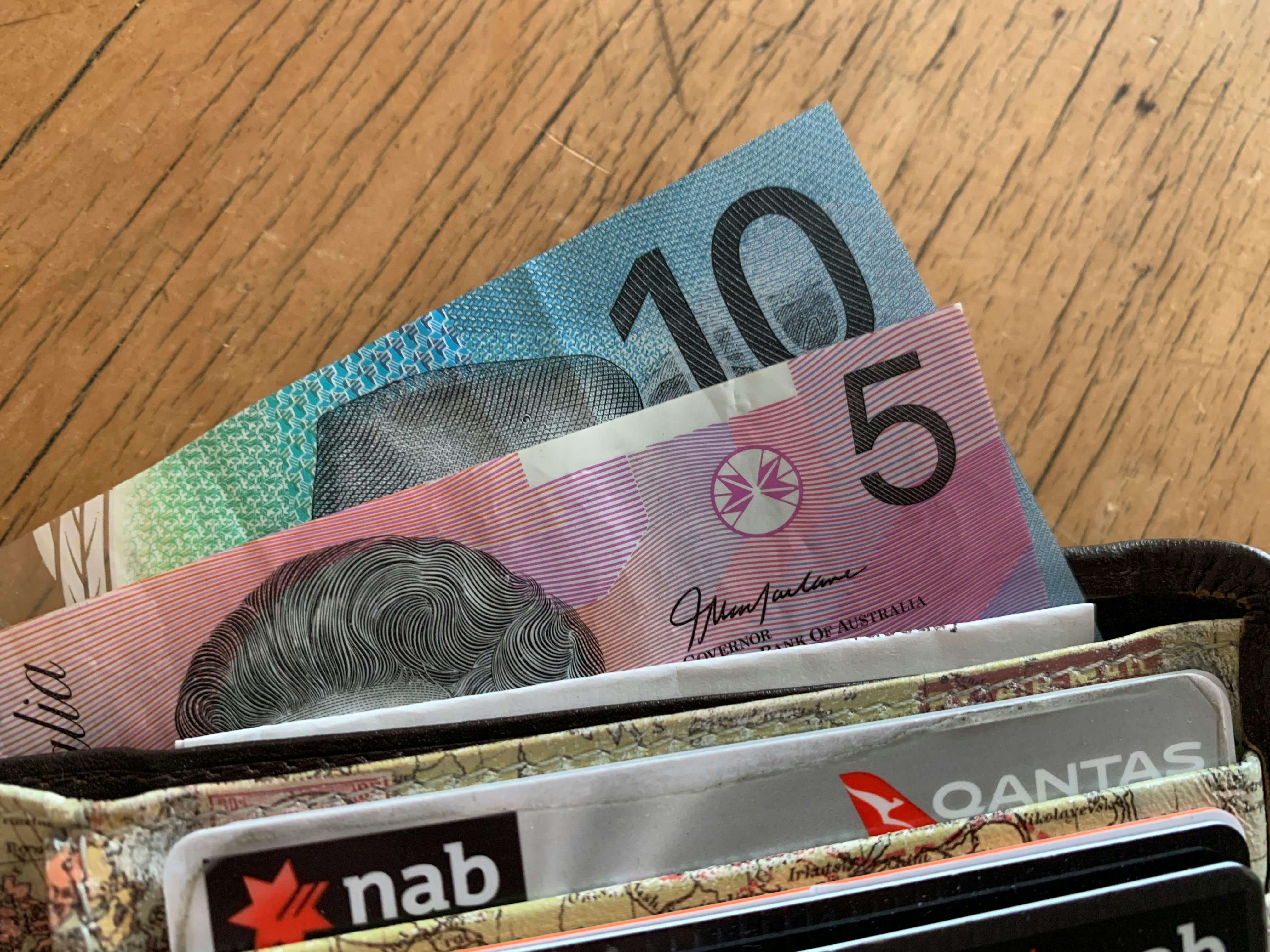
Many self-employed tradies delay or skip super entirely, especially in the early years. It feels easier to take the full amount in hand. The issue appears later when there is nothing compounding in the background.
Even small regular contributions can build quietly over time. Treat super like a non-negotiable business expense, not something you get to only when cash feels comfortable. It becomes part of your long-term safety net, not just retirement planning.
Tax planning is one of the biggest advantages of running your own trade business when it is handled well.
Common areas that impact your safety net include:
When managed properly, these claims reduce your taxable income and free up cash you can redirect into savings, super or business growth. Many tradies move from sole trader to company structures as their income grows to better manage tax and personal income.
The goal is not to spend for the sake of spending. It is to keep more of what you earn working for your future.
Work vehicles and equipment are often the biggest expenses in trade businesses. When planned well, they also provide flexibility and tax efficiency.
What matters most is balance:
A reliable setup that helps you work efficiently supports your financial safety net far better than expensive upgrades driven by image.
One of the advantages of being in the trades is access to skills, materials and other tradies. Over time, this can significantly reduce the cost of maintaining or upgrading your own home or investment properties.
This creates long-term financial strength through:
These advantages quietly build wealth in the background while you focus on day-to-day work.
Unlike fixed salary roles, tradies can often scale their income through hours, workload and the types of jobs they take on.
This flexibility allows you to:
The key is to avoid relying only on long weeks as your main safety net. Physical work has limits. Your financial buffer, systems and planning should support you long after the tools are packed away for the day.
It is easy to think that high turnover automatically equals long-term security. In reality, high income paired with heavy debt, high repayments and poor cash control can be stressful and fragile.
Real stability usually looks more like:
A strong financial safety net gives you room to breathe when jobs fall through or markets tighten.
Insurance is part of your safety net even though it is often ignored until something goes wrong. This can include:
These protect your income, your reputation and the future of your business when accidents, illness or losses appear without warning.

Large goals can feel vague if they stretch too far into the future. Many experienced tradies focus on 3 to 5-year goals instead.
This might include:
Breaking your future into clear stages makes your financial safety net feel achievable rather than abstract.
No savings plan works without steady work. Bookings, enquiries and job pipelines are what feed your buffers, super, insurance and long-term plans.
That is where visibility becomes part of your financial safety net. More consistent job opportunities mean:
Your safety net is only as strong as your ability to keep work coming in.
Building a financial safety net for tradies is not about perfection. It is about consistency. Small steps in savings, super, tax planning, insurance and steady work all stack together over time.
The earlier your systems are in place, the more options you give yourself in 2026 and beyond. And with reliable job leads supporting your income through platforms like ServiceSeeking, that safety net becomes far easier to build and maintain.

Starting a business for $1000 doesn’t sound possible, does it? A brand new plasma? Maybe. 7 nights in Fiji? Not a problem. But a whole business? So...
We want to make sure all of our businesses are as genuine and as committed to quality customer service as we are. So we’re making it compulsory for...
Read on to learn how this tradie built his plumbing and building business on integrity, hard work, and a focus on customer satisfaction.