Winter can be a productive season for many tradies, but colder temperatures, moisture and shorter daylight hours can take a toll on tools and equipment. Rust, battery problems and storage-related damage often develop gradually, making them easy to overlook until performance starts to suffer. Effective winter tool maintenance isn't complicated, but it does require consistency.
Why Winter Can Be Tough on Tools
Unlike summer heat, winter's impact is often less visible. Moisture in the air can settle on metal surfaces, creating ideal conditions for corrosion. Temperature fluctuations may cause condensation to form inside sheds, trailers and storage units. Batteries can lose performance in colder conditions, while timber handles and other materials may become more vulnerable to wear.
For tradies who rely on their tools every day, equipment issues can quickly affect productivity, scheduling and profitability.
Start with a Thorough Clean
One of the simplest ways to protect tools through winter is to keep them clean.
Dust, mud, sawdust, concrete residue and other debris can trap moisture against metal surfaces. If left sitting for weeks, this can accelerate corrosion and cause moving parts to seize.
Before storing tools at the end of the day or week:
- Remove dirt and debris.
- Wipe down metal surfaces.
- Dry tools thoroughly.
- Inspect for signs of rust or wear.
Power equipment such as lawn mowers, chainsaws, line trimmers and compact machinery should receive extra attention. Built-up grime can hide developing problems and make maintenance more difficult later.
Regular cleaning also makes inspections easier, helping tradies identify issues before they become expensive repairs.
Prevent Rust Before It Starts
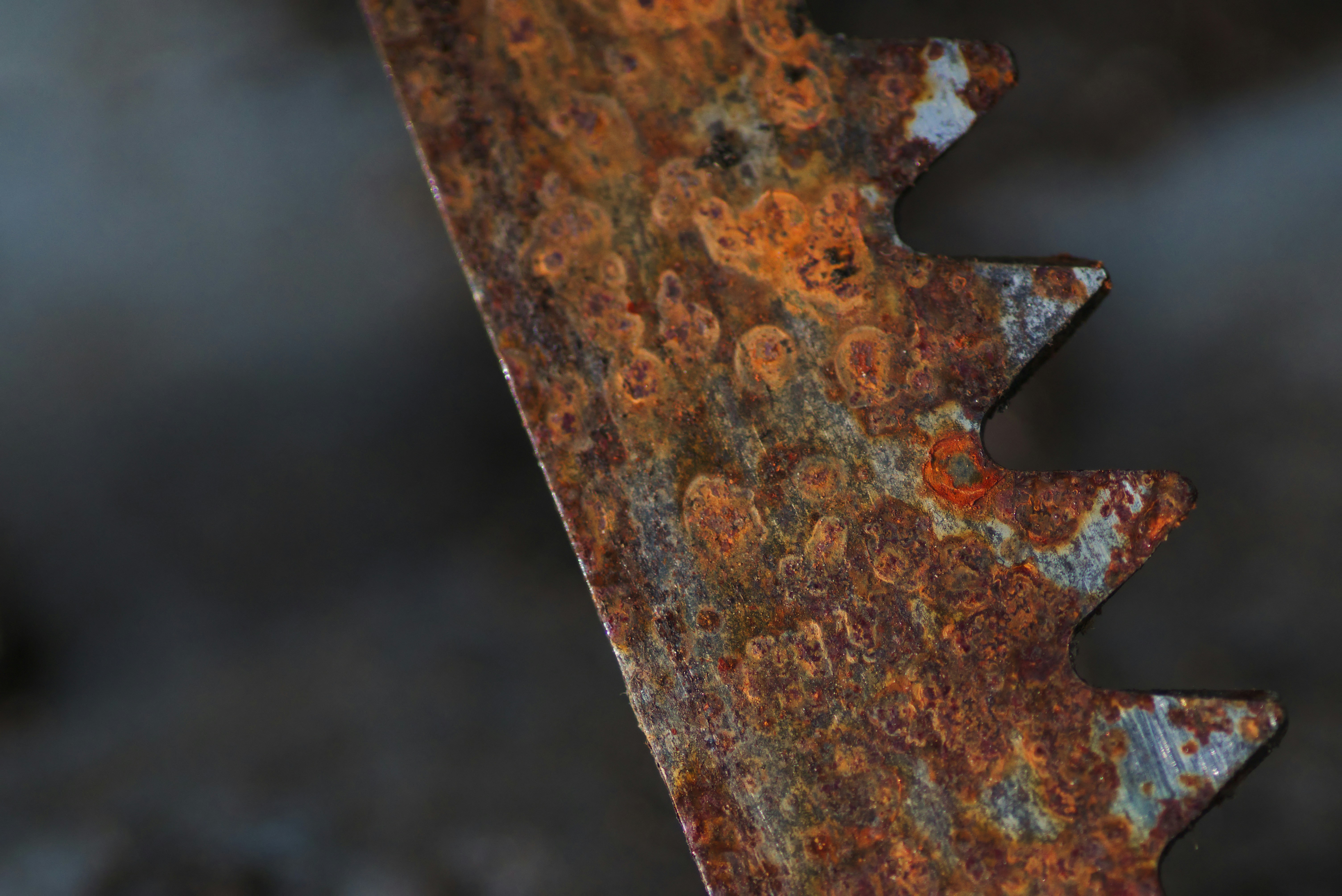
Rust is one of the biggest threats to tools during winter.
Even in enclosed sheds, moisture can settle on exposed metal surfaces. Hand tools, blades, drill bits, sockets and gardening equipment are particularly vulnerable.
A light protective coating can help shield metal from moisture exposure. Many tradies use specialised rust inhibitors, protective sprays or workshop lubricants on exposed metal parts.
Pay particular attention to:
- Cutting edges
- Hinges and joints
- Drill bits
- Saw blades
- Spanners and sockets
- Garden and landscaping equipment
Any signs of surface rust should be addressed promptly. Minor corrosion is usually much easier to manage before it spreads deeper into the metal.
Pay Attention to Batteries
Cordless tools have become standard equipment on many job sites, but lithium-ion batteries generally perform less efficiently in colder temperatures.
Winter conditions can affect:
- Battery runtime
- Charging efficiency
- Overall lifespan
- Power output under load
Where possible, store batteries indoors or in a temperature-controlled environment when not in use. Avoid leaving them overnight in vehicles, trailers or uninsulated sheds during particularly cold periods.
Before charging, allow batteries to return to room temperature if they've been exposed to cold conditions.
It's also worth checking battery contacts regularly for moisture, dirt or corrosion.
Improve Your Storage Setup
Storage conditions often determine how well tools survive winter.
A waterproof shed or workshop is a good starting point, but moisture can still build up inside enclosed spaces. Condensation often forms when temperatures fluctuate between day and night.
To reduce moisture-related problems:
- Keep tools off the floor.
- Use wall-mounted racks where possible.
- Allow air circulation around stored equipment.
- Check for roof leaks and water ingress.
- Avoid storing tools against damp walls.
For valuable hand tools, storage cabinets or tool chests can provide an extra layer of protection.
Tradies working from trailers should also inspect seals and door gaskets regularly, as small leaks can expose equipment to moisture for extended periods.
Look After Timber Handles and Grips
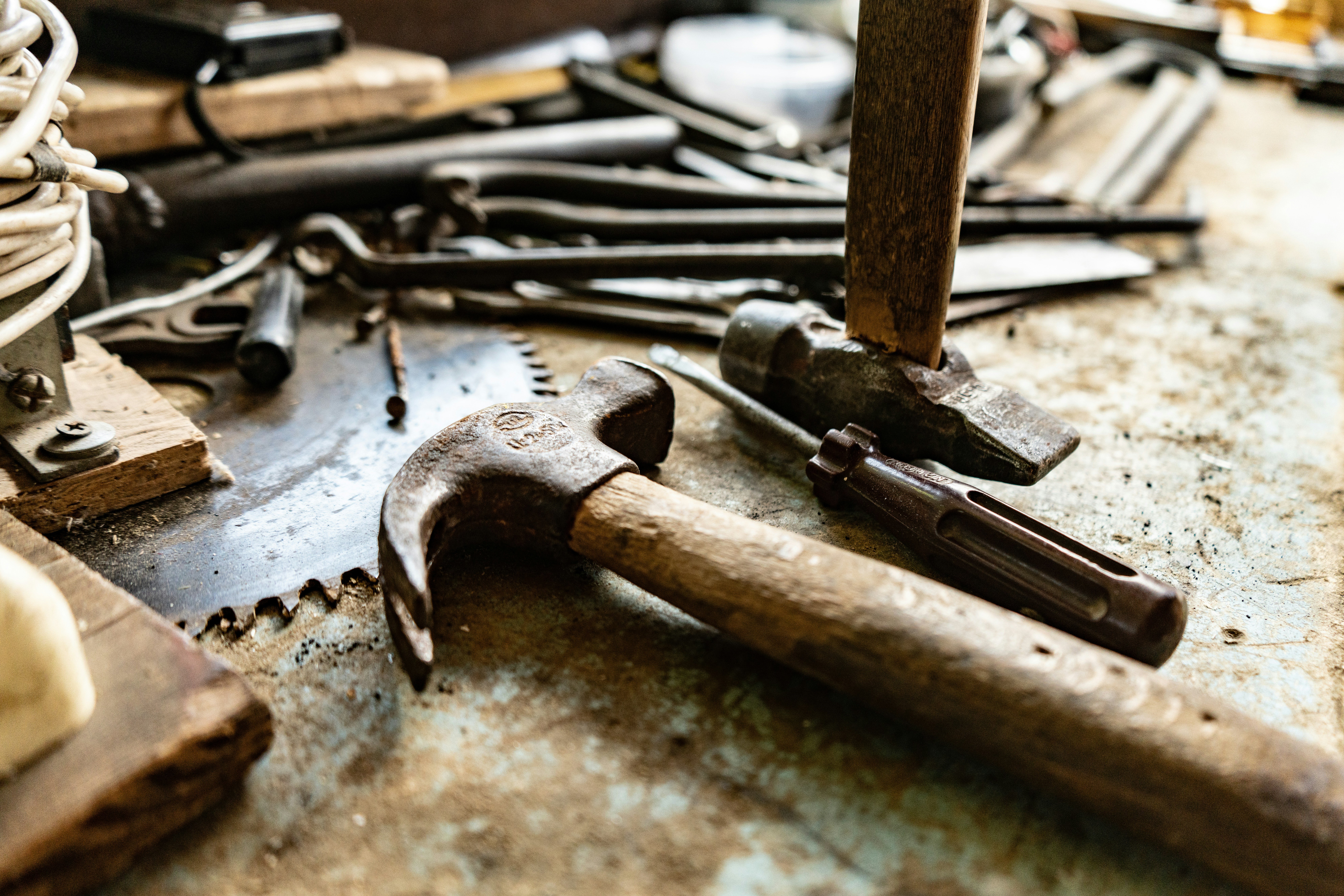
Many landscaping and construction tools still rely on timber handles. Winter moisture can gradually weaken these components if they're neglected.
Check handles for:
- Cracks
- Splits
- Loose fittings
- Surface deterioration
A protective treatment can help reduce moisture absorption and prolong the life of timber components.
Comfort grips on modern tools should also be inspected for signs of separation or wear, particularly if equipment is stored in changing temperatures.
Service Power Equipment Before Problems Develop
Winter can be a good time to schedule maintenance for machinery and powered equipment.
Petrol-powered tools and machines benefit from regular servicing, including:
- Oil changes
- Air filter inspections
- Fuel system checks
- Lubrication of moving parts
- Blade and chain maintenance
Equipment that sits unused for extended periods can develop issues that only become apparent when work ramps up again.
A preventative approach often costs far less than emergency repairs during busy periods.
Hoses, Sprayers, and Accessories
Many tradies focus on their primary tools while overlooking accessories and support equipment.
Hoses, sprayers, extension leads and similar items should also be inspected before winter storage.
Look for:
- Cracks
- Leaks
- Corrosion
- Worn fittings
- Damaged seals
Water left inside certain equipment can contribute to deterioration over time. Proper cleaning and drying before storage helps minimise unnecessary wear.
Protect Consumables and Materials
Winter storage isn't just about tools.
Many common worksite materials can also be affected by cold temperatures and moisture exposure.
Items that often require protected storage include:
- Adhesives
- Sealants
- Paint products
- Timber treatments
- Finishes and coatings
Manufacturer storage recommendations should always be followed to avoid reduced performance or product failure.
Keep Work Coming Through the Winter Months
Protecting tools is ultimately about keeping your business running efficiently. Reliable equipment helps tradies stay productive, avoid delays and deliver consistent service throughout the colder months.
Winter can also be an opportunity to maintain visibility while some competitors become less active. Tradies who continue securing jobs and responding quickly to customer enquiries are often well-positioned when demand increases again.
Listing your business on ServiceSeeking can help connect you with homeowners and businesses looking for qualified professionals during winter projects, repairs and maintenance work. While you're looking after your tools, it's worth making sure your business remains visible too.