Learn how tradies can reduce pollen and dust exposure in spring with better worksite planning, dust controls and protective equipment.

Spring can make outdoor jobs more challenging for tradies, particularly when pollen counts rise and dry conditions leave dust circulating around worksites. Knowing how to reduce pollen and dust exposure can help you manage common workplace triggers while keeping projects on schedule.
Whether you're a landscaper, builder, painter, roof plumber or electrician, your exposure will depend on the tasks you perform and the conditions at each site. A few changes to worksite planning, dust control and protective equipment can help limit the amount of airborne particles you breathe in.
1. Check pollen forecasts before planning outdoor work
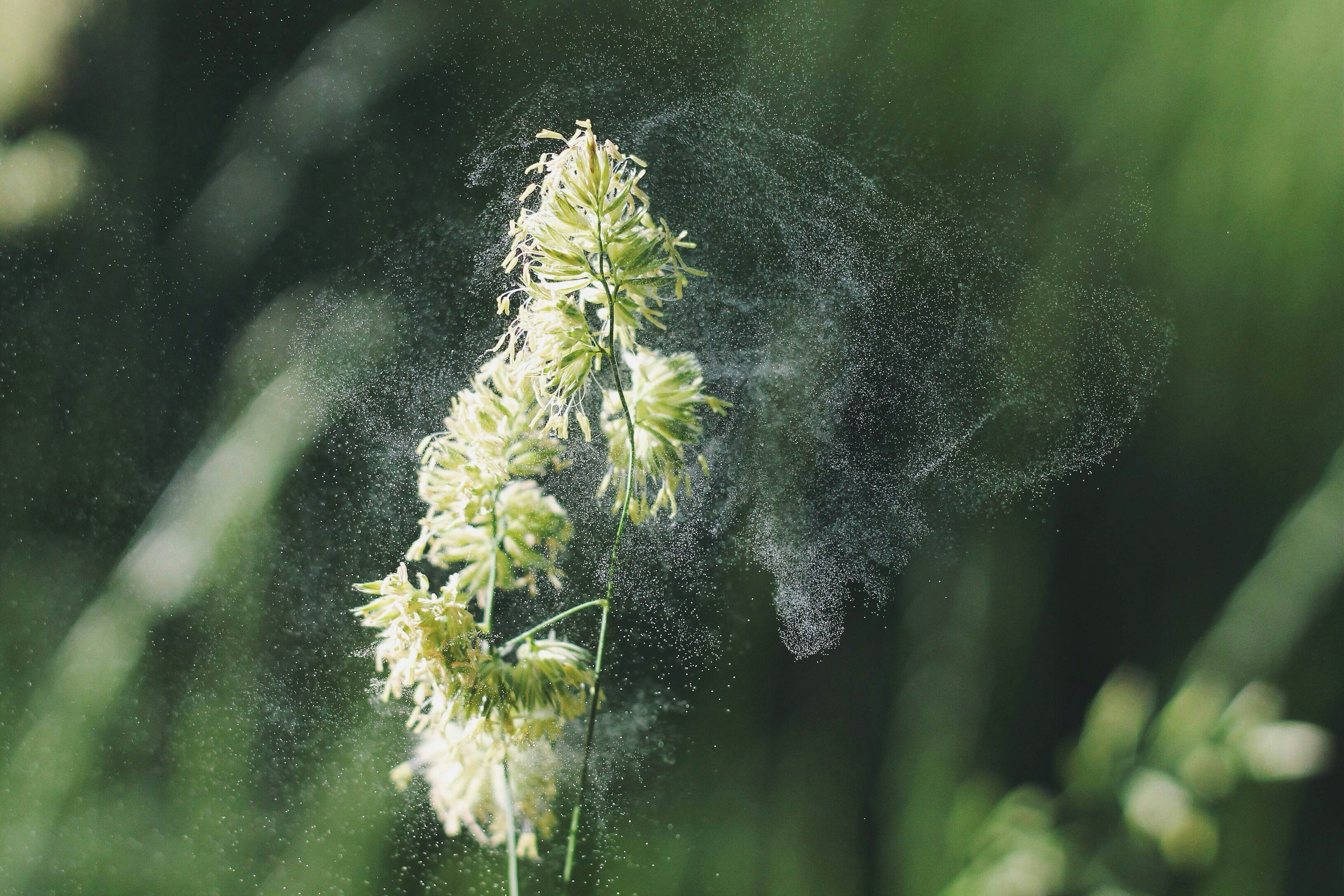
Pollen levels can vary throughout spring, depending on the weather, vegetation and location. Windy conditions can carry pollen over considerable distances, while dry weather can increase the amount of dust stirred up by vehicles, machinery and foot traffic.
Check local pollen forecasts before starting outdoor jobs. AusPollen provides pollen information for participating monitoring locations.
When pollen levels are high, consider whether you can reschedule particularly exposed tasks, such as mowing, clearing vegetation or working near flowering grasses. If a job must proceed, plan suitable controls before the crew arrives.
Keep an eye on weather changes throughout the day, too. Conditions can shift quickly, particularly on exposed sites.
2. Identify dust and pollen sources around the worksite
Not all airborne particles come from the same source. Pollen is released by plants, while construction and maintenance work can generate dust through cutting, drilling, sanding, grinding, excavation and material handling.
Walk through the site before work begins and identify activities that could increase exposure. Consider nearby grassed areas, unsealed access roads, stockpiles of loose soil, demolition work and other contractors operating machinery.
Where possible, schedule dusty tasks to minimise the number of workers exposed. Keep people who aren't involved in the activity away from the immediate work area, and coordinate with other trades to avoid overlapping high-dust tasks.
This is particularly relevant on busy residential renovations and construction sites, where several activities may happen at once.
3. Use effective dust-control measures
Reducing dust at its source is generally more effective than relying on personal protective equipment alone. The appropriate control will depend on the material, task and site conditions.
Common measures include:
- On-tool extraction: Use compatible dust extraction systems when cutting, drilling or grinding materials that generate dust.
- Wet methods: Where suitable for the task and equipment, use water suppression to limit dust during activities such as cutting masonry.
- Suitable vacuuming: Use an industrial vacuum with filtration appropriate to the dust being collected, rather than dry sweeping.
- Controlled material handling: Avoid dropping, tipping or disturbing dusty materials unnecessarily.
- Work area separation: Isolate dusty activities where practical to prevent particles spreading into occupied areas or other work zones.
Avoid using compressed air to blow dust off surfaces, clothing or equipment, as this can send particles back into the air.
Remember that some construction dusts, including respirable crystalline silica from materials such as concrete, bricks and engineered stone, can cause serious long-term health effects. These hazards require specific controls under applicable workplace safety requirements. Ordinary nuisance-dust measures may not be sufficient.
4. Choose respiratory protection for the actual hazard
A standard face covering may not provide adequate protection against workplace dust. Respiratory protective equipment (RPE) should be selected according to the material, level of exposure and relevant work health and safety requirements.
Depending on the task, this may mean using a suitable particulate respirator, such as a P2 respirator. It must fit the wearer properly to provide the intended protection. Facial hair in the sealing area can interfere with the fit of tight-fitting respirators.
Where a respirator is required, follow the manufacturer's instructions and the relevant fit-testing, maintenance and training requirements. Replace damaged, dirty or poorly fitting equipment as directed.
Respirators designed for particles also do not automatically protect against gases or vapours. Check the hazards involved before selecting equipment, particularly when working with paints, solvents or chemical products.
Safety glasses or goggles may also be appropriate where dust and pollen could irritate the eyes. Choose eye protection that suits the task and works with any other protective equipment being worn.
5. Pay attention to grass, vegetation and landscaping tasks
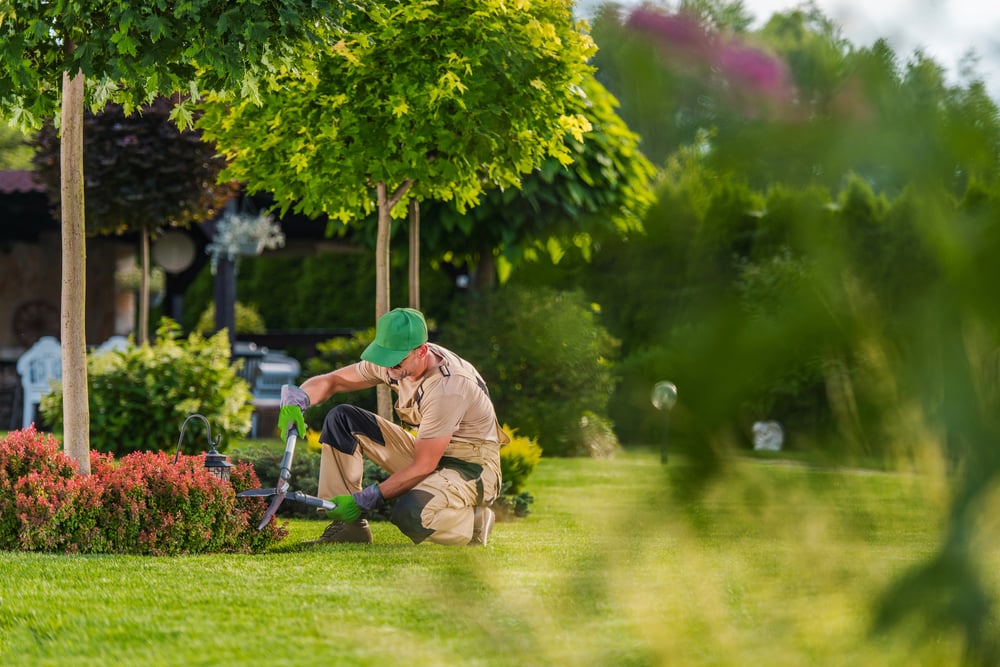
Landscapers, gardeners, arborists and other outdoor tradies can encounter pollen while mowing lawns, trimming plants, clearing weeds or disturbing vegetation.
Grass pollen is a common trigger for seasonal allergic rhinitis, although the plants responsible for symptoms vary between individuals and regions.
Where scheduling allows, avoid undertaking high-exposure vegetation work during periods of elevated pollen. If mowing or clearing is necessary, use suitable equipment and work practices to limit airborne debris. Keep other workers and members of the public clear of the immediate area.
Wear task-appropriate respiratory and eye protection when required, and follow equipment safety instructions. Be mindful of dry grass, loose soil and leaf litter, which can also release dust when disturbed.
If the site is particularly exposed or conditions make dust difficult to control, reassess the work plan before proceeding.
6. Keep work vehicles and enclosed spaces in mind
Tradies often move between outdoor sites, vehicles, workshops and clients' homes throughout the day. Pollen and dust can enter these spaces on clothing, equipment and through open doors or windows.
When driving between jobs, keep vehicle windows closed during periods of high pollen if this helps reduce exposure. Use the vehicle's recirculated-air setting when appropriate, and maintain cabin air filters according to the manufacturer's recommendations.
For indoor jobs, consider how outdoor air enters the work area. Keep doors and windows closed where practical if outdoor pollen is a concern, while maintaining adequate ventilation and complying with workplace requirements. Never compromise ventilation needed to control fumes, combustion products or other hazardous substances.
Clean workshop surfaces and equipment using appropriate methods that capture dust rather than redistribute it. Where multiple trades share a workspace, agree on how dusty work will be contained and cleaned up.
7. Review conditions as the job progresses
A worksite that is manageable in the morning may become dustier as traffic increases, soil dries out, or wind picks up. Build checks into your usual site supervision and adjust controls when conditions change.
If dust suppression stops working, extraction equipment fails, or visible dust spreads beyond the designated work area, pause the affected activity and address the problem before continuing. Follow your site's safety procedures and report hazards to the person responsible for the worksite.
Keep required equipment in working order and make sure workers understand how to use it correctly. Where several contractors share a site, communicate changes to the work plan so that everyone knows when a dusty activity is taking place.
Find more work this spring with ServiceSeeking
Spring can bring more outdoor maintenance, landscaping and renovation projects, giving tradies an opportunity to connect with customers planning seasonal work.
If you're looking to reach more customers, list your services on ServiceSeeking.com.au. Create a profile that explains what you do, the areas you service and the types of jobs you take on, so customers can find a business that suits their needs.
A well-maintained worksite helps you manage exposure while you get on with the job. Planning around local conditions and using suitable dust controls and protective equipment can make working through spring more manageable.