Household Tips and Improvements
The good news? Many of these problems are preventable. Here are exterior painting mistakes to avoid before they cost you time and money.
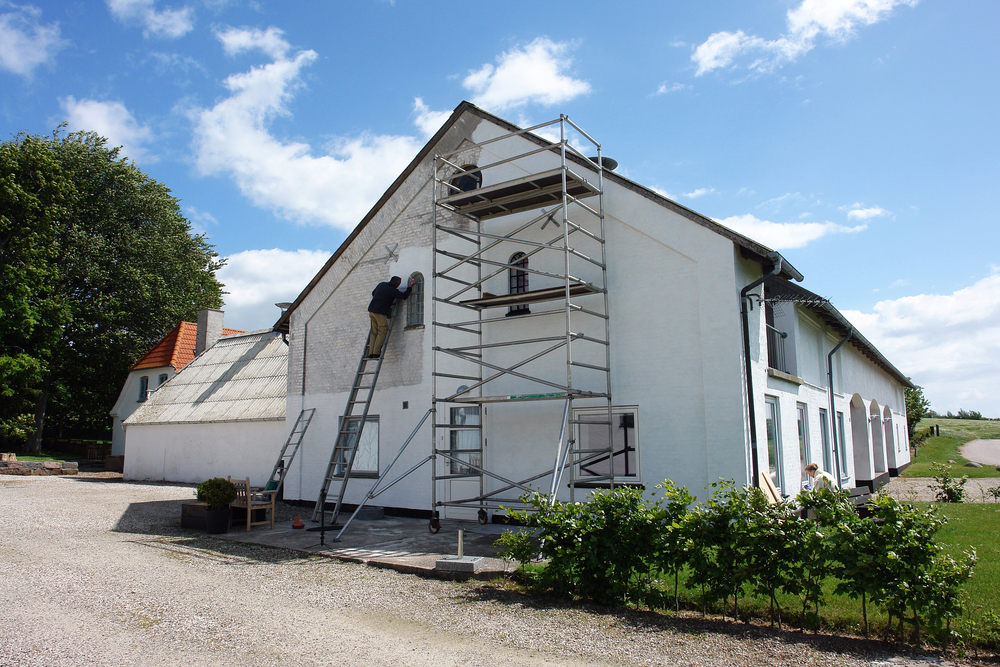
A fresh coat of paint can transform your home's exterior, improve street appeal and help protect exposed surfaces from the elements. But if the job isn't done properly, the results may not last as long as you'd hoped.
From painting over peeling paint to choosing the wrong products, common exterior painting mistakes can lead to uneven finishes, premature peeling and expensive repairs.
For Australian homeowners, changing weather conditions, strong UV exposure, humidity and coastal environments can make exterior painting particularly challenging.
The good news? Many of these problems are preventable with the right preparation, materials and timing. Here are 10 exterior painting mistakes to avoid before they cost you time and money.
For a broader overview of how to beautify your exterior, see our full article on improving your home's street appeal.
1. Painting Over Peeling or Damaged Paint
One of the most common exterior painting mistakes is applying a fresh coat over paint that's already peeling, flaking or cracking.
Although the new paint might initially look fine, it won't necessarily adhere properly to an unstable surface. As the underlying paint continues to lift, the new coating may peel away with it.
Before repainting, inspect your walls, weatherboards, window frames, eaves and exterior trims for signs of deterioration.
To avoid this mistake:
- Scrape away loose and flaking paint.
- Sand affected areas where appropriate.
- Repair damaged surfaces before painting.
- Apply a suitable primer if required.
- Investigate moisture problems that may be causing the paint to fail.
If large sections of your home are affected, ask a professional painter to assess the condition of the existing coating.
Remember: Repainting won't fix an underlying problem. Addressing the cause first can help prevent the same damage from returning.
2. Skipping Surface Preparation
A great paint job starts long before you open the paint tin. Dirt, dust, mould, grease and loose material can prevent paint from adhering properly, even if the surface looks reasonably clean.
Skipping preparation may save time initially, but it can result in a patchy finish or paint that deteriorates prematurely.
Proper preparation may involve washing the exterior, removing loose paint, sanding rough areas, filling suitable cracks and allowing surfaces to dry completely.
The exact process depends on the material you're painting. Timber, rendered walls, masonry and previously painted metal surfaces can all require different preparation methods.
Older homes may also contain hazardous coatings, including lead-based paint. If you suspect lead paint, avoid dry sanding or scraping it yourself and seek appropriate professional advice.
Taking preparation seriously helps create a sound base for the new coating and reduces the likelihood of costly rework.
3. Choosing the Wrong Type of Paint

Not all paint is suitable for every exterior surface. Using the wrong product can affect adhesion, durability and the final appearance.
For example, exterior timber, masonry, metal and previously painted surfaces may require different coatings or primers.
Interior paint should not be used as a substitute for exterior paint because it may not be designed to withstand prolonged outdoor exposure.
When choosing paint, consider:
- Surface material: Select a product designed for the substrate.
- Weather exposure: Consider sunlight, rainfall and humidity.
- Existing coatings: Check compatibility with the current paint.
- Finish: Choose a finish appropriate for the surface and desired appearance.
- Manufacturer instructions: Follow the recommended preparation, application and drying requirements.
If you're unsure which product to use, consult the manufacturer's guidance or ask an experienced painter for advice.
Choosing suitable paint from the start can help you avoid premature coating failure and unnecessary repainting.
4. Painting in the Wrong Weather Conditions
Australian weather can be unpredictable, and even a well-prepared surface can produce disappointing results if the conditions aren't suitable for painting.
Rain, high humidity, cold temperatures and excessive heat can affect how paint applies, dries and cures.
Painting in direct sunlight can also cause the surface to become hotter than the surrounding air, potentially making paint dry too quickly and leaving visible brush marks or lap marks.
Before starting an exterior painting project:
- Check the local forecast for the day and the drying period afterward.
- Avoid painting wet or damp surfaces.
- Follow the product's recommended temperature range.
- Allow sufficient drying time between coats.
- Avoid conditions that exceed the manufacturer's humidity or weather limits.
Spring can offer suitable painting conditions in many parts of Australia, but the season alone doesn't guarantee good weather.
If rain or extreme temperatures are forecast, postponing the work may be better than risking a poor finish.
5. Ignoring Cracks, Leaks and Moisture Problems
Painting over cracks or water-damaged surfaces without investigating the cause can turn a simple maintenance project into a more expensive repair.
Moisture can contribute to bubbling, blistering, peeling and discolouration. It may enter through damaged gutters, leaking roofs, failed seals or cracks in exterior materials.
Before repainting, inspect your home for water stains, deteriorating sealants, damaged timber and areas that remain damp after rainfall.
Small cosmetic defects may only need appropriate filling and preparation. However, significant cracks, persistent dampness or suspected structural damage require further investigation.
Make the necessary repairs and allow affected surfaces to dry before painting.
If the underlying issue remains unresolved, a new coat of paint may only conceal the problem temporarily.
6. Applying Paint Too Thickly or Too Thinly
.jpg?width=4898&height=3266&name=House%20Painter%20Prices%20(2026%20Cost%20Guide).jpg)
Getting the paint application right is just as important as choosing the correct product.
Applying paint too thickly can contribute to runs, sagging, uneven drying and an inconsistent finish. Applying it too thinly or stretching it too far may leave surfaces with insufficient coverage.
The number of coats required depends on the paint, surface condition, colour change and manufacturer's recommendations.
For better results:
- Stir paint thoroughly before use.
- Follow the recommended application rate.
- Apply even coats rather than trying to cover everything at once.
- Allow each coat to dry for the recommended period.
- Check for missed areas before finishing.
Don't assume one coat will always be enough, particularly when changing from a dark colour to a lighter shade or painting a repaired surface.
A consistent application helps create a more uniform appearance and gives the coating the coverage it was designed to provide.
7. Using the Wrong Tools or Painting Technique
The right tools make exterior painting easier and can improve the quality of the finish.
Using an unsuitable brush, roller or spray setup may leave visible marks, uneven coverage or paint on surfaces that should remain untouched.
Choose tools suited to the paint and surface. Textured masonry, smooth weatherboards and detailed timber trims may each require different equipment.
It's also important to use the correct technique. Work systematically, maintain a wet edge where recommended and avoid rushing through large areas.
Spray painting can be useful for certain projects, but it requires suitable equipment, masking and precautions to prevent overspray.
For multi-storey homes, steep rooflines or difficult-to-access areas, don't improvise with unsafe ladders or makeshift platforms. Professional equipment and appropriate working-at-height procedures may be necessary.
8. Forgetting to Protect Windows, Paths and Garden Beds
A successful exterior painting project involves more than painting the walls. Poor protection can leave unwanted splashes and overspray on windows, paving, outdoor furniture, plants and neighbouring property.
Before starting, move furniture and other items away from the work area. Cover suitable surfaces, mask window frames and protect garden beds where practical.
Pay particular attention to windy conditions, which can carry spray paint or airborne debris beyond the intended area.
Keep paint, cleaning products and equipment secured, and follow the manufacturer's instructions for safe handling and disposal.
If you're hiring a painter, clarify how surrounding areas will be protected and who is responsible for cleaning up at the end of the job.
A little preparation can prevent frustrating cleanup work and avoidable damage.
9. Choosing Exterior Colours Without Testing Them
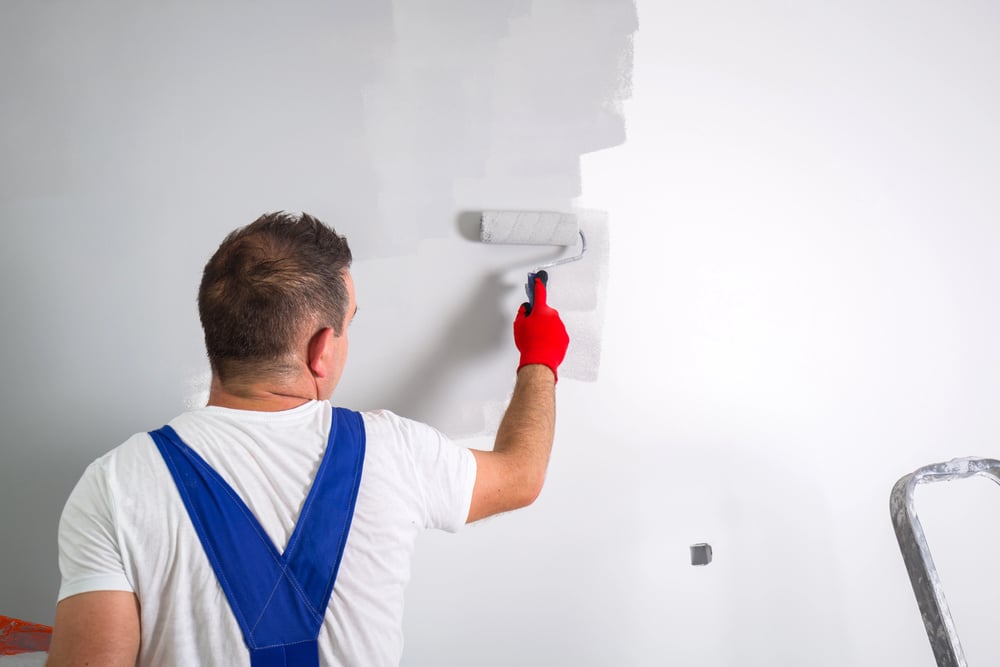
The colour that looks perfect on a small paint card may look completely different when applied across an entire exterior wall.
Australian sunlight can make some colours appear brighter or more intense, while shaded areas may look darker. Your roof, brickwork, paving and landscaping can also influence how a colour appears.
Before committing to a full repaint, test sample colours on the exterior.
Check them at different times of day and compare them against the materials and finishes that will remain unchanged.
Consider how your main wall colour will work with window frames, trims, garage doors and your front entrance.
If you're choosing between several shades, testing them in the actual environment is more reliable than relying on a screen or colour chart alone.
Getting the colour right before painting can help you avoid the cost and inconvenience of repainting because you're unhappy with the result.
10. Hiring a Painter Based on Price Alone
Comparing quotes is a sensible way to manage your painting budget, but choosing the cheapest option without checking what's included can be a costly mistake.
Two quotes may look similar while covering very different amounts of preparation, repairs, paint and labour.
Before making a decision, ask each painter about:
- Surface preparation and repairs.
- The paint brand and product being used.
- The number of coats included.
- Access equipment and working-at-height arrangements.
- Protection of surrounding areas and cleanup.
- The expected timeline and how weather delays will be handled.
Check the painter's relevant experience, insurance and any applicable licensing requirements in your state or territory.
A detailed written quote makes it easier to compare the scope of work and understand what you're paying for.
Professional painting isn't necessarily the cheapest upfront option, but suitable preparation and application can help reduce the risk of avoidable rework.
How Much Can Exterior Painting Mistakes Cost?
The cost of fixing a painting mistake depends on the extent of the damage, the type of surface, access requirements and whether the underlying problem needs repairs.
A small area of uneven coverage may only require a touch-up. Widespread peeling, moisture damage or incompatible coatings can require extensive preparation and repainting.
| Painting mistake | Potential consequence |
|---|---|
| Skipping preparation | Poor adhesion and premature peeling |
| Using unsuitable paint | Coating failure or reduced durability |
| Painting in unsuitable weather | Uneven finishes and drying problems |
| Ignoring moisture damage | Recurring paint failure and further deterioration |
| Applying paint incorrectly | Runs, patchy coverage and rework |
| Choosing the wrong colour | Additional paint and labour to repaint |
| Failing to compare quote details | Unexpected costs or incomplete work |
The best way to control costs is to identify problems early, prepare surfaces correctly and choose products and application methods suited to your home.
Frequently Asked Questions
What is the most common exterior painting mistake?
One of the most common mistakes is failing to prepare the surface properly. Painting over dirt, moisture or peeling paint can prevent the new coating from adhering well and may cause it to deteriorate prematurely.
Can you paint over old exterior paint?
Yes, if the existing coating is sound, clean, dry and compatible with the new paint. Loose paint must be removed, damaged areas repaired and the surface prepared according to the product instructions.
What is the best weather for exterior house painting in Australia?
Generally, mild and dry conditions are suitable, provided the temperature and humidity fall within the paint manufacturer's recommendations. Avoid wet surfaces, unsuitable temperatures and conditions that could interfere with drying.
How many coats of exterior paint does a house need?
The number of coats depends on the product, surface condition, existing colour and desired finish. Follow the manufacturer's instructions and ensure each coat is applied and dried correctly.
Is it better to hire a professional exterior painter?
A professional can be particularly helpful for large projects, extensive surface preparation, damaged exterior materials and difficult-to-access areas. For smaller projects, DIY may be suitable if you have the necessary skills, equipment and time.
Avoid Costly Painting Mistakes This Spring
Exterior painting can improve your home's street appeal and help maintain its surfaces, but the results depend on more than choosing a fresh colour. Proper preparation, suitable products, appropriate weather conditions and careful application all play an important role.
Before starting your project, inspect the exterior, address any underlying damage and plan the work around the conditions your chosen paint requires.
If the job is larger than expected or you want help achieving a consistent finish, ServiceSeeking.com.au can help you find local painters and compare quotes.