House Repair and Maintenance
Wherever you are in Australia, these ten home improvement ideas can help you stay warm while spending less on heating. Read on for more.
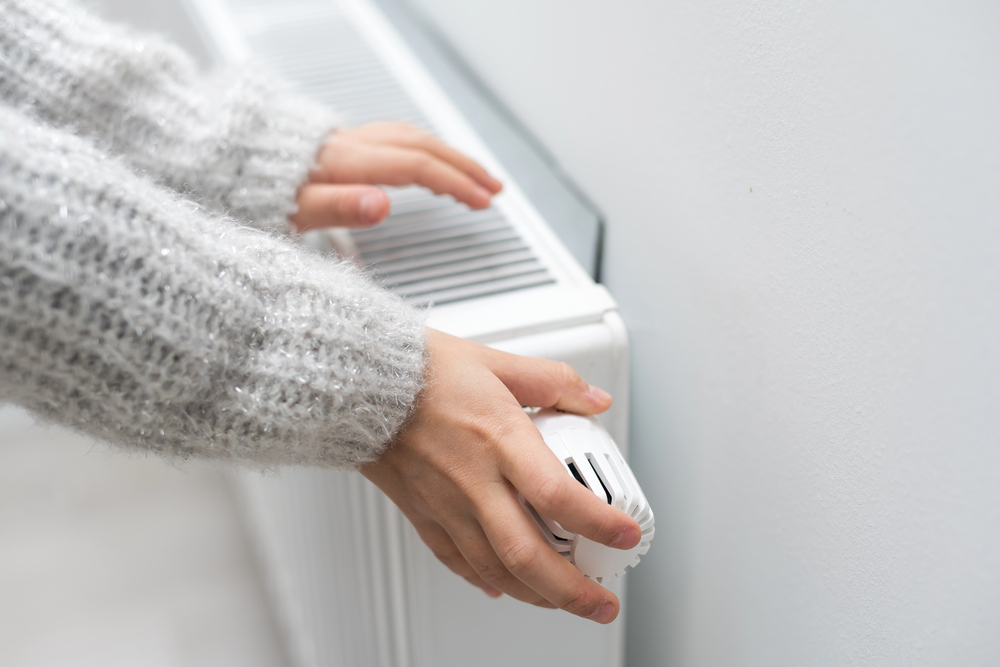
As energy prices continue to rise across Australia, many homeowners are looking for practical ways to keep their homes warm without watching their power bills climb. While turning up the heater might seem like the easiest solution, improving your home's energy efficiency can make a much bigger difference over the long term.
The right home improvements don't just reduce heating costs—they also make your home more comfortable, improve its value, and lower its environmental impact. Better yet, many of these upgrades are investments that continue paying off year after year.
Whether you're living in Melbourne's chilly winters, Canberra's frosty mornings, or the cooler parts of Tasmania and regional New South Wales, these home improvements can help you stay warm while spending less on heating.
1. Upgrade Your Home's Insulation
One of the most effective ways to reduce heating costs is by improving insulation. Without proper insulation, a significant amount of heat escapes through your roof, walls and floors, forcing your heating system to work much harder.
Common insulation upgrades include:
- Ceiling insulation
- Wall insulation
- Underfloor insulation
- Garage ceiling insulation
Australian homes built decades ago often have inadequate insulation by today's standards. Upgrading it can dramatically improve indoor comfort while reducing energy consumption.
A qualified insulation installer can assess your home's current insulation and recommend the most suitable solution for your climate.
2. Seal Gaps and Draughts
Even a well-insulated home can lose heat through tiny gaps around windows, doors and vents.
Common problem areas include:
- Door frames
- Window frames
- Exhaust fans
- Skylights
- Floorboards
- Electrical penetrations
Simple draught-proofing measures like weather seals, door snakes and gap fillers can make an immediate difference.
For older homes, professional draught sealing often delivers one of the best returns on investment because it prevents heated air from escaping and cold air from entering.
3. Replace Old Windows with Energy-Efficient Options
Windows are one of the biggest sources of heat loss during winter.
Modern options include:
- Double glazing
- Secondary glazing
- Low-E glass
- Thermally broken frames
These windows provide much better insulation than older single-pane glass.
Although replacing windows requires a larger upfront investment, homeowners often notice improved comfort, reduced condensation and lower heating bills.
If replacing every window isn't practical, upgrading the windows in your main living areas can still provide noticeable savings.
4. Install Quality Window Furnishings
Curtains do more than improve your home's appearance.
Heavy thermal curtains and honeycomb blinds create an additional layer of insulation that helps retain warmth inside your home.
For best results:
- Close curtains as soon as the sun goes down.
- Open north-facing curtains during sunny winter days to let natural warmth inside.
- Ensure curtains extend close to the floor for maximum effectiveness.
This relatively affordable improvement can complement other energy-saving upgrades.
5. Upgrade to an Energy-Efficient Heating System
Older heaters often consume far more energy than modern alternatives.
Depending on your home, upgrading to one of the following may reduce running costs:
- Reverse-cycle air conditioning
- High-efficiency gas heating
- Hydronic heating
- Zoned heating systems
A licensed electrician or heating and cooling specialist can recommend the most efficient system based on your home's size, insulation and local climate.
The right heating solution ensures you're not paying more than necessary to stay comfortable.
6. Improve Roof Ventilation
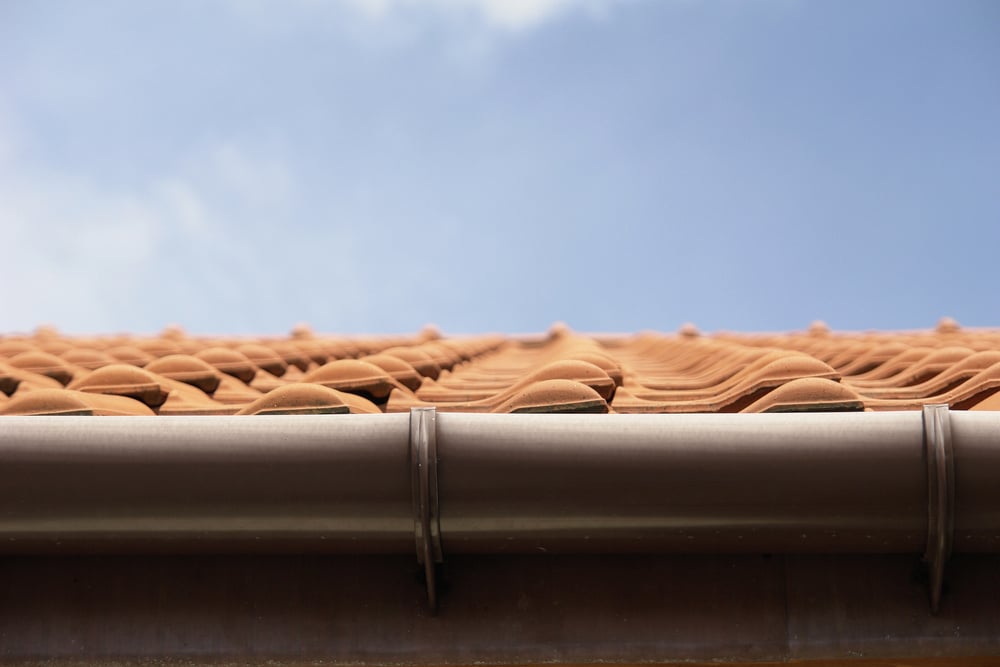
It may sound surprising, but roof ventilation plays an important role in winter comfort too.
Proper roof ventilation helps regulate roof cavity temperatures and reduces moisture build-up, helping insulation perform more effectively.
A roofing professional can inspect your roof for:
- Poor ventilation
- Damaged insulation
- Roof leaks
- Moisture problems
Addressing these issues helps maintain your home's thermal efficiency throughout the year.
7. Upgrade External Doors
Older timber or hollow-core doors often allow cold air inside.
Replacing them with insulated external doors or adding weather seals can significantly reduce heat loss.
Consider upgrading:
- Front doors
- Rear doors
- Laundry doors
- Garage access doors
Even small improvements around door frames can noticeably improve indoor comfort during winter.
8. Add or Upgrade Floor Coverings
Hard flooring can feel especially cold during winter.
Adding rugs, carpets or insulated underlays provides extra warmth while reducing heat loss through the floor.
Homes with timber, concrete or tiled flooring often benefit the most.
Professional flooring installers can recommend materials suited to your home's layout and lifestyle.
9. Install Solar Panels to Offset Heating Costs
While solar panels don't reduce the amount of heating your home needs, they can significantly lower your electricity bills.
During sunny winter days, solar systems can generate power that offsets the energy used by reverse-cycle air conditioners and other electric heating systems.
Many Australian homeowners combine solar panels with other energy-efficiency improvements to maximise long-term savings.
A qualified solar installer can assess your roof's orientation, energy usage and expected return on investment.
10. Schedule Regular Home Maintenance
Sometimes higher heating costs aren't caused by poor insulation at all.
Maintenance issues like blocked gutters, roof leaks, damaged weather seals or ageing heating equipment can quietly reduce your home's efficiency.
Regular inspections by experienced tradies can identify problems before they become expensive repairs.
Common winter maintenance includes:
- Roof inspections
- Gutter cleaning
- Heating system servicing
- Window and door seal replacement
- Electrical safety checks
Preventative maintenance helps your home perform efficiently throughout winter while reducing the likelihood of unexpected repair costs.
Why Hiring the Right Tradie Makes a Difference
Many energy-saving improvements require specialist knowledge to deliver the best results.
Poorly installed insulation, incorrectly fitted windows or improperly sealed doors may not provide the expected savings.
Experienced professionals understand Australian building standards, local climate conditions and the best products for your home.
Instead of guessing which improvements will have the greatest impact, working with qualified tradies helps ensure your investment delivers lasting value.
Find Trusted Tradies Through ServiceSeeking
Whether you're planning a major energy-efficiency upgrade or simply looking to reduce this winter's heating bills, finding the right professional is the first step.
On ServiceSeeking.com.au, you can quickly connect with verified local tradies for insulation, roofing, glazing, flooring, electrical work, heating installation, home maintenance and much more. Compare multiple quotes, read genuine customer reviews and choose the professional that suits your budget and project requirements.
Improving your home's energy efficiency doesn't have to happen all at once. Even tackling one or two upgrades can make your home warmer, more comfortable and more affordable to heat. With the help of skilled tradies, you'll be well on your way to enjoying lower energy bills and a cosier home every winter.