The best approach is to prioritise repairs that protect your home from bigger problems and keep essential systems working properly.
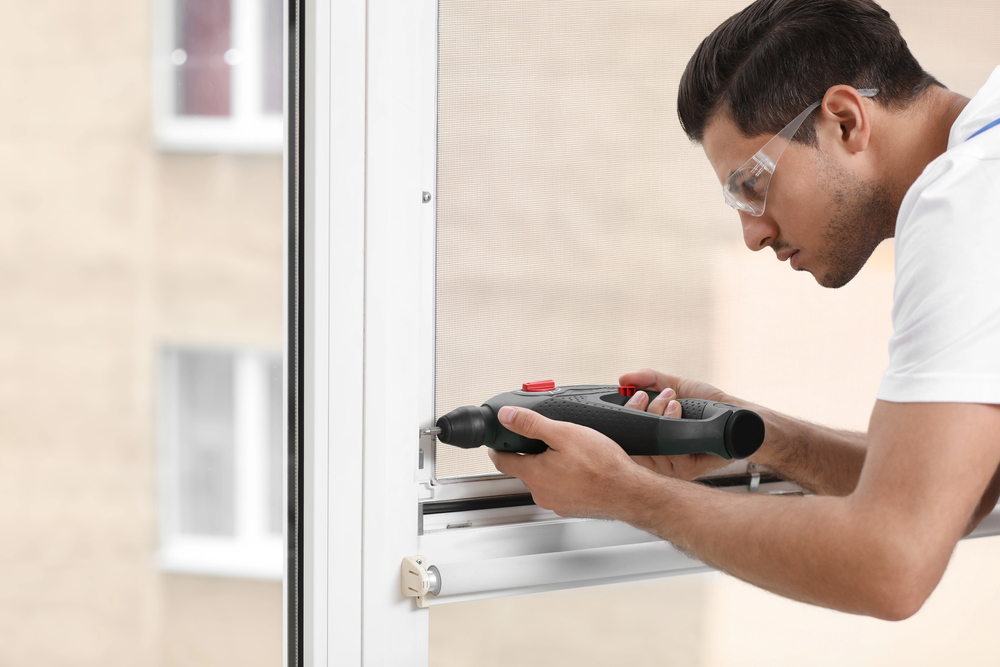
Spring is the perfect time to give your home a once-over. After months of cold weather, rain and wind, small problems that were easy to ignore during winter can suddenly become much harder to overlook.
But if your home maintenance list is getting out of hand, where should you start?
The best approach is to prioritise repairs that protect your home from water damage, improve safety, prevent bigger problems and keep essential systems working properly. Roof and gutter issues, plumbing leaks, electrical faults, structural damage and mould should generally come before cosmetic upgrades.
Here are the home repairs worth putting at the top of your spring maintenance list.
1. Fix Roof Leaks and Damage
Your roof is your home's first line of defence against Australia's unpredictable weather, so roof problems should be high on your spring checklist.
Look for signs such as:
- Water stains on ceilings or walls
- Damp or musty smells
- Missing, cracked or loose tiles
- Rust or corrosion on metal roofing
- Damaged flashing around vents and chimneys
- Sagging gutters or roof sections
Even a small leak can eventually cause damage to insulation, plasterboard, timber and other parts of your home. Australian Government guidance recommends regular maintenance to identify problems early, while roof and gutter inspections can help prevent more significant water damage.
If you spot a problem, don't assume a patch-up will solve it permanently. A roofer can identify where water is entering and determine whether you need a repair, replacement materials or more extensive work.
Priority: Very high
2. Clear and Repair Gutters and Downpipes
Spring means more growth, falling debris and, depending on where you live, the possibility of heavy rain and storms.
Blocked or damaged gutters can cause water to overflow against your roof, walls and foundations. Check for:
- Leaves and built-up debris
- Sagging sections
- Rust or holes
- Loose brackets
- Blocked downpipes
- Water pooling around the house
YourHome recommends cleaning gutters regularly and checking them for leaks, while home maintenance guidance also highlights the importance of ensuring water drains correctly away from the property.
If your gutters are difficult or unsafe to access, it's worth getting a gutter specialist to handle the job rather than climbing onto the roof yourself.
Priority: Very high
3. Sort Out Plumbing Leaks and Blocked Drains
That dripping tap or slow drain might seem like a minor annoyance, but ignoring plumbing problems can turn them into much more expensive repairs.
Check underneath sinks, around toilets, near your hot water system and anywhere you can see exposed pipes. Look for:
- Persistent dripping
- Damp cupboards
- Mould or water stains
- Low or unusual water pressure
- Slow drains
- Gurgling pipes
- Unexplained increases in water usage
Small leaks can contribute to water damage and mould over time. Blocked drains can also become more serious if the underlying problem isn't addressed.
A qualified plumber can investigate the cause rather than simply treating the symptom.
Priority: High
4. Repair Electrical Faults
Electrical problems aren't the place to experiment with DIY repairs.
If you've noticed flickering lights, buzzing outlets, sparking power points, burning smells, damaged switches or frequently tripping circuits, arrange an inspection by a qualified electrician.
Electrical faults can pose serious safety risks. For example, NSW Government guidance identifies dangerous electrical faults as urgent repairs in rental properties.
Spring is also a good opportunity to check outdoor electrical equipment, lighting and power points before you start spending more time outside.
Priority: Very high
5. Check Your Smoke Alarms
Smoke alarms are easy to forget about until they start chirping at 2 am.
Spring is a good time to check that alarms are working properly, replace batteries where required and arrange professional assistance if an alarm is faulty, expired or needs to be relocated.
Smoke alarm requirements vary between states and territories, so make sure your home's alarms comply with the rules that apply where you live.
For example, Queensland is progressively moving towards interconnected photoelectric smoke alarms in bedrooms, connecting hallways and every storey, with the relevant requirements applying to all Queensland homes by 1 January 2027.
If your alarms are hardwired or require electrical work, use an appropriately licensed electrician.
Priority: Very high
6. Tackle Mould and Dampness
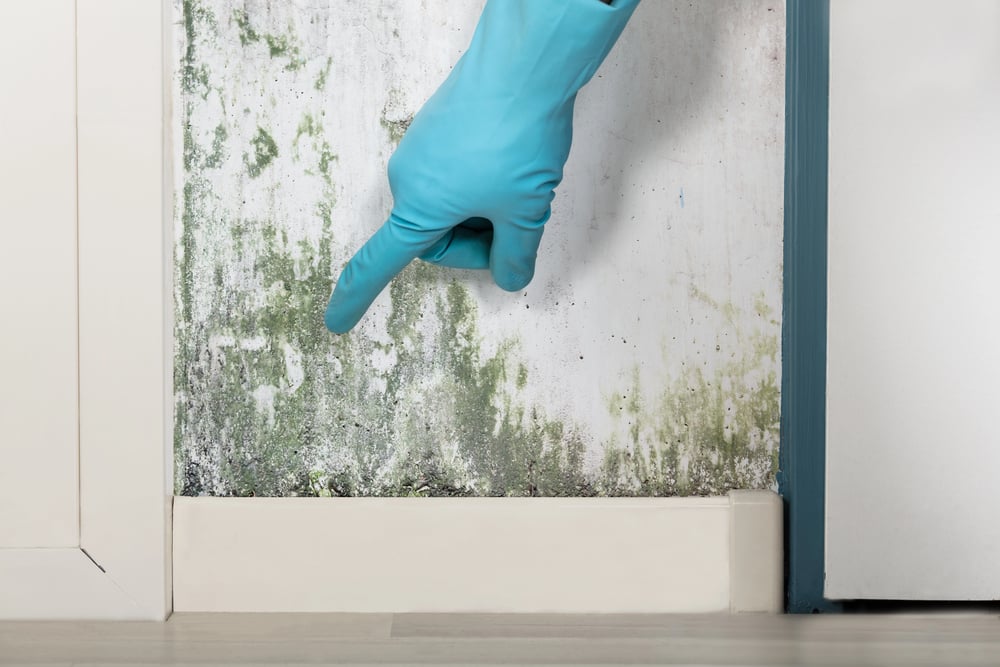
Winter can leave homes with lingering condensation, dampness and mould, particularly in bathrooms, bedrooms and poorly ventilated areas.
Don't simply paint over mould and call it done. First, work out why moisture is accumulating.
Potential causes include:
- Roof or plumbing leaks
- Poor ventilation
- Condensation
- Failed waterproofing
- Rising damp
- Drainage problems
If mould keeps returning, getting a professional mould removalist to investigate the source can save you from repeatedly treating the same problem.
Australian Government guidance recommends getting expert advice for issues including leaks and damp, particularly where the underlying cause isn't obvious.
Priority: High
7. Repair Cracks, Damaged Walls and Ceilings
Not every crack is an emergency, but it's worth investigating changes that appeared or worsened over winter.
Pay particular attention to:
- New or widening cracks
- Cracks around doors and windows
- Sagging ceilings
- Bubbling or peeling paint
- Water stains
- Damp plasterboard
A small cosmetic crack may only need patching and repainting. However, significant cracks, movement or signs of water damage can indicate a deeper issue.
When you're unsure, it's better to have a qualified builder assess it before covering it up.
Priority: Medium to high, depending on the damage
8. Check Doors, Windows and Outdoor Timber
Once the urgent repairs are sorted, turn your attention to the parts of your home exposed to the elements.
Inspect timber decks, fences, pergolas, doors and window frames for:
- Rot
- Splitting
- Peeling paint
- Rusty fixings
- Water damage
- Loose boards
- Gaps around windows and doors
Spring is a useful time to repair, reseal or repaint these areas before Australia's warmer months put them through more heat and sun exposure.
Taking care of deterioration early can extend the life of timber and prevent a relatively simple repair from becoming a replacement job.
Priority: Medium
9. Fix Drainage and Outdoor Water Issues
Spring is also a good time to check what happens to water when it rains.
Walk around your property after rainfall and look for pooling water near:
- Foundations
- Driveways
- Paths
- Retaining walls
- Garden beds
- Downpipe outlets
Poor drainage can contribute to water damage, dampness and erosion.
If you're seeing recurring water problems, don't just keep adding soil or moving water around. A landscaper, plumber or drainage specialist may be able to identify a more permanent solution.
Priority: Medium to high
10. Save Cosmetic Jobs for Last
There's nothing wrong with wanting a fresh-looking home for spring. Painting, landscaping, new flooring and other cosmetic projects can make a huge difference.
But if your budget is limited, tackle protection and safety first.
A sensible order is:
Safety → water damage → structural problems → essential systems → preventative maintenance → cosmetic improvements.
That means fixing a leaking roof should come before repainting the ceiling. Repairing a dangerous electrical fault should come before installing decorative lighting. And fixing the source of dampness should happen before covering mould with fresh paint.
How Do You Know Which Repair to Do First?
A simple rule is to prioritise anything that could put people at risk, cause ongoing damage or become significantly more expensive if ignored.
If you're unsure, get a professional assessment rather than guessing. You don't necessarily need to tackle your entire maintenance list at once. Start with the issues that protect your home and your family's safety, then work through the smaller jobs.
Find the Right Tradie for Your Spring Repairs
Once you've worked out what needs doing, finding the right person for the job doesn't have to be another headache.
ServiceSeeking.com.au lets Australian homeowners post jobs, compare quotes, check reviews and connect with local tradies for everything from plumbing and electrical work to roofing, painting, landscaping and general maintenance.
Whether you've got one urgent repair or a spring maintenance list that's getting longer by the day, getting the right tradie involved early can help you deal with small problems before they turn into expensive ones.
A little spring maintenance now can mean a safer, more comfortable and better-protected home for the rest of the year.