Here’s a checklist of what you should fix before the rain arrives, and where calling in a qualified tradie can make all the difference.
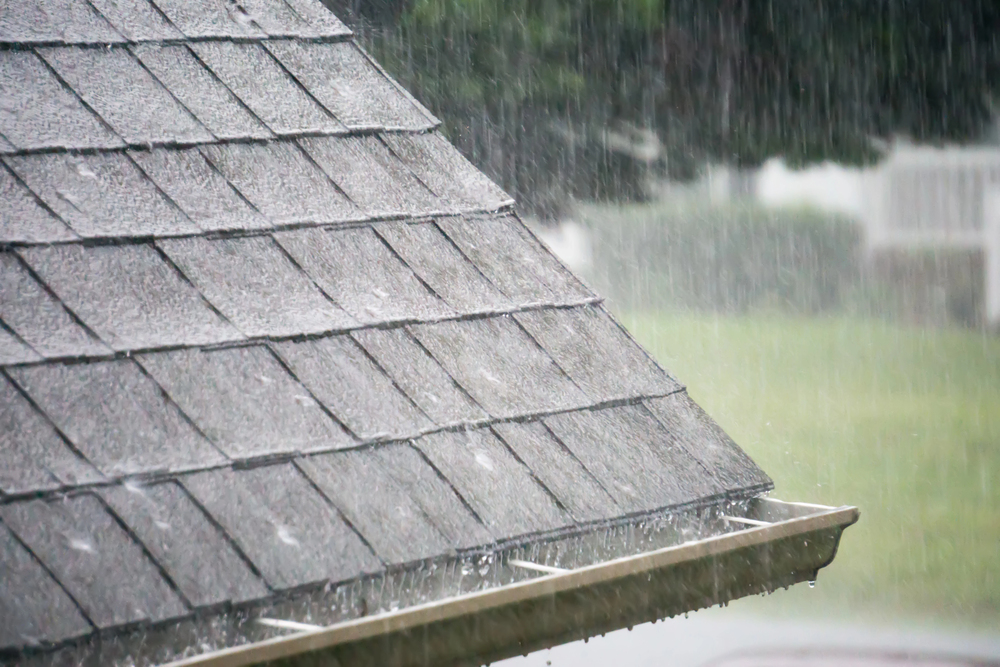
When the rainy season rolls around in Australia, little problems around the house can turn into expensive headaches fast. A tiny roof leak suddenly becomes water damage. A blocked gutter becomes a flooded backyard. And that cracked seal around the window? It can let in moisture, mould, and a chilly draught all winter long.
The good news is that most rainy-season issues are preventable if you tackle them early. A few smart fixes now can save you money, protect your property, and make your home a lot more comfortable once the wet weather sets in.
Here’s a practical checklist of what homeowners should fix before the rain arrives — and where calling in a qualified tradie can make all the difference.
1. Clean and Repair Your Gutters
Your gutters do a lot of work during heavy rain. If they’re clogged with leaves, dirt, or debris, water can overflow and damage your roof, walls, foundations, and garden beds.
Signs your gutters need attention include:
- Water spilling over the sides
- Sagging sections
- Rust or corrosion
- Plants growing in the gutters
- Damp patches near exterior walls
Even if everything looks fine from the ground, hidden blockages can still cause problems once the storms hit.
A professional gutter cleaner or roofing tradie can safely clear the system, check for damage, and make sure downpipes are draining properly. It’s one of those jobs many homeowners put off until it’s too late.
2. Check the Roof for Leaks and Damage
Your roof takes the full force of Australia’s wild weather, from scorching summer heat to heavy winter rain. Cracked tiles, loose flashing, and worn seals can all allow water to sneak inside.
Common warning signs include:
- Water stains on ceilings
- Damp smells in the roof cavity
- Missing or cracked roof tiles
- Rust around metal roofing
- Mould patches indoors
The tricky part is that roof damage isn’t always obvious until the rain actually starts.
Getting a roofing professional to inspect things before the wet season can help you avoid emergency repairs later. It’s far cheaper to replace a few damaged tiles now than deal with major water damage after a storm.
3. Seal Windows and Doors
If rainwater or cold air gets in around your windows and doors, your home becomes less comfortable and more expensive to heat.
Over time, seals and caulking can crack, shrink, or peel away. That creates small gaps where moisture can enter.
Fixing these gaps can help:
- Prevent leaks
- Reduce mould growth
- Improve insulation
- Lower energy bills
- Stop draughts
A handyman or window specialist can quickly reseal problem areas and identify spots you may not notice yourself.
It’s a simple fix that can make a surprisingly big difference during winter.
4. Clear Outdoor Drains
Outdoor drains often get forgotten until they stop working. During heavy rain, blocked drains can quickly lead to flooding around patios, garages, driveways, and gardens.
Watch out for:
- Slow-draining water
- Pooling near drains
- Bad smells
- Overflow during light rain
Tree roots, mud, leaves, and built-up debris are all common culprits.
A licensed plumber can inspect and clear drains properly before storm season begins. In some cases, they may recommend installing better drainage solutions if water tends to collect around your property every year.
5. Fix Cracks in Walls and Foundations
Small cracks may seem harmless, but rainwater can seep into them and gradually make the damage worse.
Moisture entering walls or foundations can lead to:
- Structural damage
- Rising damp
- Mould growth
- Peeling paint
- Rotting materials
Not every crack is serious, but it’s worth having suspicious ones checked before prolonged wet weather arrives.
A builder or structural specialist can tell you whether it’s cosmetic or something that needs immediate repair.
6. Service Your Hot Water System
Nobody wants their hot water system to fail in the middle of winter.
Rainy-season demand often puts extra pressure on older systems, especially if they haven’t been serviced in years.
Warning signs include:
- Inconsistent hot water
- Strange noises
- Rust-coloured water
- Leaks around the tank
- Rising energy bills
Having a licensed plumber inspect and service your system before winter can help avoid unexpected breakdowns.
And if your unit is getting old, now’s the perfect time to compare replacement options before you’re stuck without hot water.
7. Trim Trees Near the House
Overhanging branches become much more dangerous during storms and strong winds.
Branches can:
- Damage roofs and gutters
- Break windows
- Block drains
- Bring down power lines
Wet weather also makes trees heavier and more unstable.
A qualified arborist can safely trim problem branches and assess whether any trees pose a risk to your home. It’s especially important if you live in areas prone to storms or strong seasonal winds.
8. Inspect Outdoor Areas for Slip Hazards
Rain makes slippery surfaces even riskier. Cracked pavers, loose decking boards, and moss-covered paths can quickly become accident zones.
Before the wet season, check:
- Pathways
- Driveways
- Decking
- Stairs
- Pool surrounds
Pressure cleaning, resurfacing, or small repairs can greatly improve safety around the home. A local tradie can help identify hazards and recommend practical fixes that suit your budget.
9. Test Your Electrical Safety
Water and electricity are never a good combination.
If your home has ageing wiring, outdoor power points, or exposed electrical fittings, it’s smart to have them inspected before storm season.
Signs you may need an electrician include:
- Flickering lights
- Tripping circuits
- Sparking outlets
- Buzzing sounds
- Damaged outdoor wiring
An electrician can also check smoke alarms and safety switches while they’re there, giving you extra peace of mind heading into winter.
10. Don’t Ignore Small Repairs
One of the biggest mistakes homeowners make is assuming a small issue can wait until later.
In dry weather, a loose tile or tiny leak may not seem urgent. But once heavy rain arrives, those little problems can escalate quickly.
That’s why proactive maintenance matters.
Booking trusted tradies before peak rainy-season demand can also save you time and stress. Once storms start hitting, many homeowners scramble to find emergency repairs, which often means longer wait times and higher costs.
Platforms like ServiceSeeking.com.au make it easier to connect with local tradies for everything from roofing and plumbing to electrical work and handyman jobs. Instead of chasing multiple quotes yourself, you can compare professionals and get the right help before small issues turn into major repairs.
Final Thoughts
Preparing your home for the rainy season doesn’t have to mean expensive renovations. In most cases, it’s the smaller preventative fixes that make the biggest difference.
A little preparation now can save a lot of stress once the rain starts pouring.