Outdoor Living
If you're a homeowner who wants to protect your home, here’s a practical guide to getting your roof ready before the downpour hits.
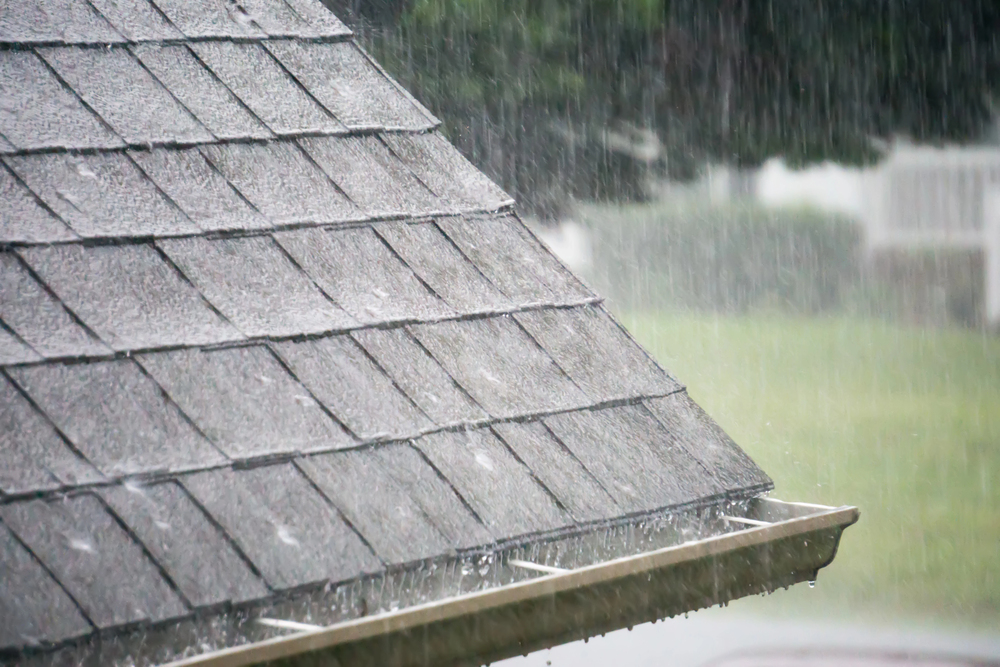
When the heavy rain season rolls around in Australia, your roof becomes your home’s first line of defence. A small issue up there can quickly turn into a costly headache—think leaks, mould, or even structural damage. The good news? A bit of preparation goes a long way.
Whether you’re a homeowner keen to stay dry or just want to avoid emergency call-outs, here’s a practical, no-fuss guide to getting your roof ready before the downpour hits.
1. Start with a Visual Inspection
Before you do anything else, take a good look at your roof from the ground. You don’t need to climb up just yet—just walk around your property and check for obvious issues.
Look out for:
- Missing, cracked, or curling tiles
- Rust spots on metal roofing
- Sagging areas or uneven lines
- Debris buildup in valleys
If something looks off, it probably is. Catching these early means you can fix them before heavy rain makes things worse.
2. Clean Out Your Gutters and Downpipes
Blocked gutters are one of the biggest culprits behind water damage during storms. When water can’t flow properly, it overflows and seeps into your roof or walls.
Make sure to:
- Remove leaves, twigs, and dirt
- Check for nesting pests
- Flush gutters with water to ensure proper flow
- Clear downpipes completely
If you’re not keen on getting up a ladder, this is a quick job a professional roofer or gutter cleaner can sort out safely—and often spot other issues while they’re at it.
3. Check for Loose or Damaged Roofing Materials
Heavy rain paired with strong winds can lift or dislodge roofing materials. What might seem like a minor crack now can turn into a leak during the first proper storm.
Pay attention to:
- Loose screws or nails
- Broken or slipped tiles
- Lifting metal sheets
Fixing these early is usually straightforward and far cheaper than dealing with water damage inside your home.
4. Inspect Flashing and Seals
Flashing is the thin material installed around roof features like chimneys, skylights, and vents. It’s designed to keep water out—but it can deteriorate over time.
Check for:
- Cracks or gaps in seals
- Rust or corrosion
- Loose sections
Faulty flashing is a common cause of leaks, especially during prolonged rain. If you’re unsure what to look for, a qualified tradie can assess it properly and reseal where needed.
5. Trim Overhanging Branches
Trees might look great in your yard, but overhanging branches can spell trouble during storm season.
They can:
- Drop leaves and clog gutters
- Scratch and damage roofing materials
- Break off and cause serious impact damage
Give nearby trees a trim to reduce the risk. It’s a simple step that can save you from major repairs later.
6. Look for Signs of Internal Damage
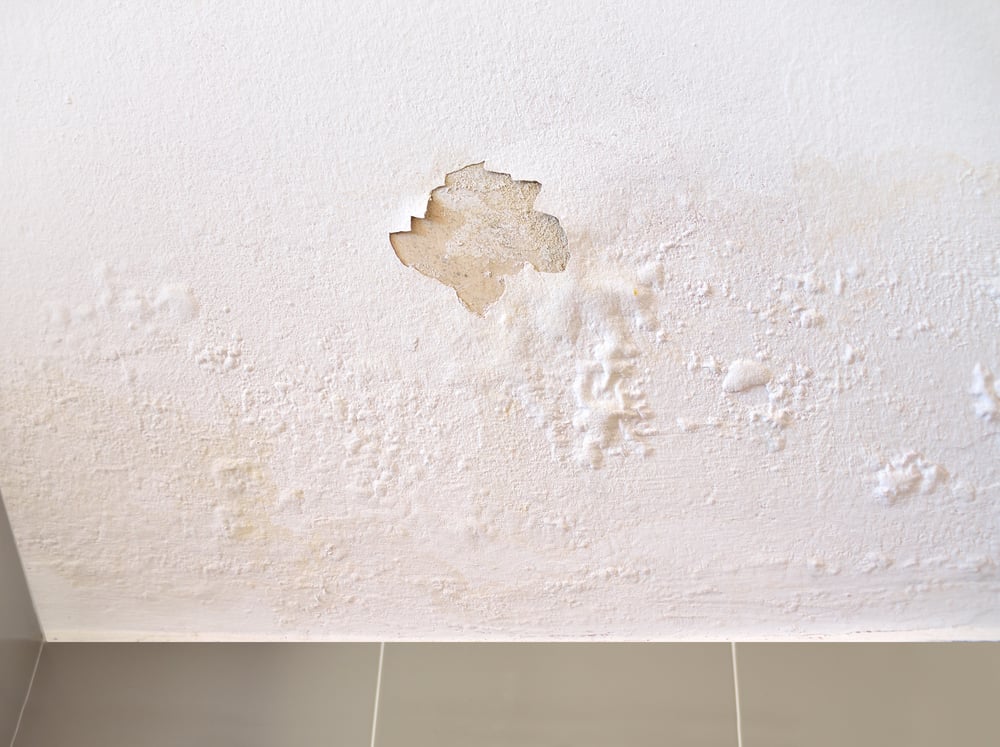
Sometimes the first signs of roof trouble show up inside your home.
Keep an eye out for:
- Water stains on ceilings or walls
- Peeling paint
- Damp or musty smells
- Mould growth
These can indicate an existing leak that needs urgent attention before heavy rain makes it worse.
7. Test Your Roof’s Drainage
It’s not just about clear gutters—your entire drainage system needs to work properly.
During a light rain (or with a hose), check:
- How quickly water drains off the roof
- Whether water pools in certain areas
- If downpipes direct water away from your home’s foundation
Poor drainage can lead to long-term structural issues, so it’s worth sorting out early.
8. Consider Roof Restoration or Repointing
If your roof is a bit older, a simple clean and repair might not be enough. Roof restoration or repointing (for tiled roofs) can significantly improve its durability and weather resistance.
This might involve:
- Replacing damaged tiles
- Resealing and repainting surfaces
- Strengthening ridge caps
It’s a bigger job, but one that can extend the life of your roof and give you peace of mind during storm season.
9. Check Your Ceiling Insulation
Insulation doesn’t just keep your home comfortable—it also plays a role in protecting against moisture.
Wet or damaged insulation:
- Loses effectiveness
- Encourages mould growth
- Can signal roof leaks
If you notice any issues, it’s worth getting both your insulation and roof checked to identify the source.
10. Call in a Professional for Peace of Mind
Let’s be honest—most of us aren’t roofing experts, and climbing up there can be risky. That’s where a qualified tradie comes in.
A professional roof inspection can:
- Identify hidden issues you might miss
- Provide proper repairs that last
- Ensure everything is compliant and safe
This is especially handy before the heavy rain season kicks off, as tradies tend to get booked out quickly once the storms start.
Why It Pays to Be Proactive
Preparing your roof isn’t just about avoiding inconvenience—it’s about protecting your home, your belongings, and your wallet.
A small investment in maintenance now can:
- Prevent costly emergency repairs
- Extend the life of your roof
- Improve your home’s overall value
- Keep your household safe and dry
And if you’re short on time or not sure where to start, getting help is easier than ever.
Finding the Right Tradie Without the Hassle
Sorting out roof maintenance doesn’t have to mean ringing around for quotes or taking a punt on the first tradie you find online.
Using a trusted service marketplace like ServiceSeeking.com.au makes the process simple:
- Post your job and receive multiple quotes
- Compare reviews and ratings from real customers
- Choose a tradie that fits your budget and timeline
It takes the guesswork out of hiring and helps you find someone reliable—especially important when it comes to something as critical as your roof.
Final Thoughts
Heavy rain is part and parcel of life in many parts of Australia, but roof damage doesn’t have to be. With a bit of preparation and the right support, you can head into the wet season with confidence.
Start with the basics, don’t ignore warning signs, and when in doubt, bring in a professional. Your future self (and your ceiling) will thank you for it.