You don't need an expensive garden makeover to make a difference. Here are 10 ways to improve your landscaping and garden presentation.
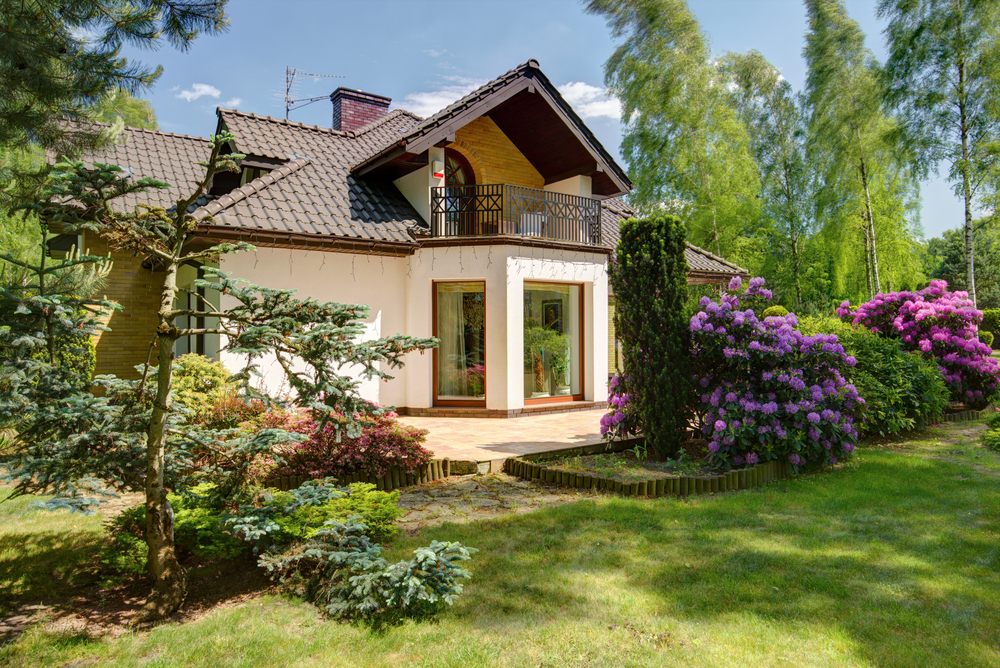
A well-presented garden can transform the look of your home. From neat lawns and healthy plants to tidy garden beds and welcoming pathways, small improvements can make your outdoor space feel more inviting.
Spring is a great time to assess your garden after winter and prepare it for the warmer months. Plants begin growing more actively, outdoor areas get more use, and the milder weather can make landscaping projects easier to tackle.
You don't need an expensive garden makeover to make a difference. A few thoughtful changes can improve your home's street appeal, make outdoor areas more functional and help keep ongoing maintenance manageable.
Here are 10 ways to improve your landscaping and garden presentation this spring.
Your front lawn is just one part of beautifying your exterior in spring. For a complete checklist, see our full article on improving your home's street appeal.
1. Tidy Up Your Garden Beds
Overgrown plants, weeds and accumulated leaves can make even a well-designed garden look neglected. Start by clearing away debris and giving your garden beds a thorough tidy.
Remove weeds, trim dead foliage and cut back plants that have grown into pathways or are crowding neighbouring plants. Check for damaged branches and remove them where appropriate.
Once you've cleared the area, look at the overall layout. Are there bare patches that need filling? Have some plants outgrown their space? Could rearranging a few pots or plants create a more balanced appearance?
Adding a fresh layer of suitable mulch can also help garden beds look neater. Mulch can reduce moisture loss, moderate soil temperatures and suppress some weed growth when applied correctly. Keep it away from plant stems and tree trunks to avoid moisture-related problems.
Pro Tip: If your garden beds are heavily overgrown or need a complete refresh, consider hiring a gardener or landscaper. They can help remove unwanted growth, improve the layout and recommend plants suited to your garden's conditions.
2. Refresh Your Lawn
A healthy lawn can make a big difference to your home's overall presentation. After winter, you might notice bare patches, compacted soil, weeds or uneven growth.
Start by removing fallen branches and debris, then mow the lawn at a suitable height for your grass type. Avoid cutting it too short, as this can stress the grass and leave the soil more exposed.
Depending on the condition of your lawn, you may also need to aerate compacted areas, address drainage issues or repair bare patches. Spring can be suitable for lawn recovery, but the best approach depends on your grass variety, local climate and growing conditions.
If weeds are a problem, identify the type before choosing a treatment. Some weeds require different control methods, and using the wrong product can damage your lawn or nearby plants.
Pro Tip: If your lawn has widespread bare patches, persistent weeds or poor drainage, a professional gardener or lawn care specialist can help identify the cause and recommend a suitable treatment plan.
3. Choose Plants That Suit Your Climate and Garden
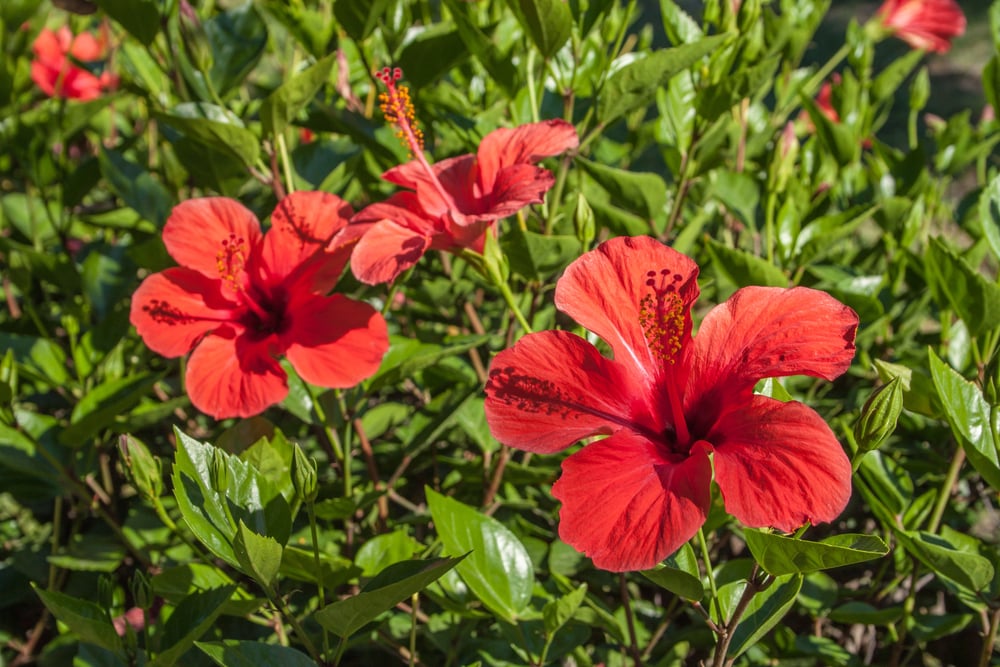
The right plants can improve your garden's appearance while reducing the amount of work needed to maintain it.
When choosing plants, consider your local climate, soil type, sunlight, rainfall and available space. Australian conditions vary significantly, so a plant that thrives in a cool southern garden may struggle in a hot, humid or dry region.
Think about how large each plant will grow, too. Shrubs and trees that look small at the nursery may eventually crowd pathways, block windows or require frequent pruning.
For a cohesive garden, combine a few complementary plant varieties rather than filling every space with different colours and textures. You could use evergreen shrubs for structure, flowering plants for seasonal interest and groundcovers to soften the edges of garden beds.
Where possible, consider locally suitable native plants. Many are adapted to regional conditions and can support local wildlife when chosen and maintained appropriately.
Pro Tip: If you're unsure which plants will thrive in your garden, hire a landscaper or experienced gardener to assess the site and recommend suitable varieties. This can help you avoid costly replacements and create a garden that suits your lifestyle.
4. Define Garden Edges and Pathways
Clear boundaries between lawns, garden beds and pathways can make your outdoor space look more organised.
Start by trimming grass that has spread into garden beds and removing weeds growing between pavers. If your garden has existing edging, check whether it's broken, loose or buried beneath overgrown plants.
You can create defined edges using suitable edging materials, such as metal, stone, brick or timber. Choose a style that complements your home's exterior and the overall look of the garden.
Pathways also deserve attention. Sweep away dirt and leaves, remove weeds from joints and check for loose or uneven pavers that could become trip hazards.
If a path has shifted or water regularly pools across it, address the underlying issue rather than focusing on appearance alone.
Pro Tip: If your garden needs new edging, a redesigned pathway or repairs to uneven paving, consider hiring a landscaper or paving specialist. They can help create a neat finish while accounting for drainage, stability and safe access.
5. Add Mulch and Improve Garden Bed Presentation
Mulch is a simple way to give garden beds a more finished appearance. It can create a consistent surface, make plants stand out and help reduce evaporation from the soil.
Organic options include bark, wood chips and other suitable plant-based materials. Different products have different appearances and breakdown rates, so choose one that suits your garden and maintenance preferences.
Before spreading mulch, remove weeds and check the soil's moisture. Apply an appropriate layer without piling it against trunks, stems or the bases of plants. Avoid covering drainage points or areas where water needs to flow freely.
Mulch isn't a substitute for watering or healthy soil management, but it can support both when used correctly.
For a cohesive look, use the same mulch throughout connected garden beds. In smaller gardens, a consistent finish can help the space feel less cluttered.
6. Prune Overgrown Trees and Shrubs
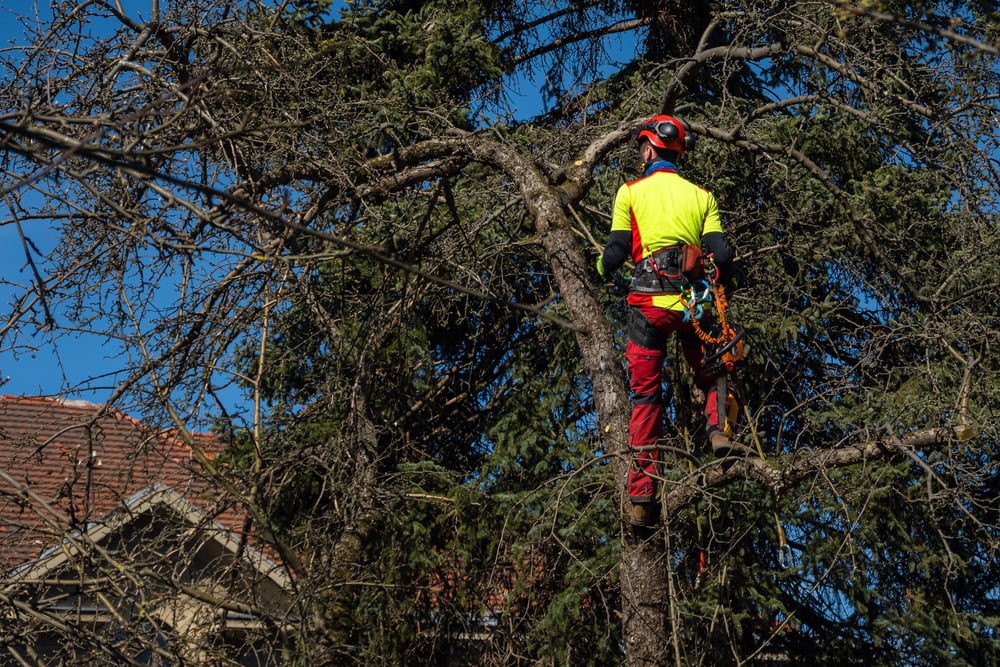
Plants that have grown beyond their intended shape can make a garden look crowded and obscure attractive features of your home.
Pruning can help maintain a tidy appearance, remove dead growth and prevent some plants from encroaching on paths, driveways and windows. However, different species have different pruning requirements, so avoid cutting everything back at the same time or by the same amount.
Before pruning, identify the plant and check the best timing and technique for its species. Some plants flower on older growth, meaning pruning at the wrong time can reduce flowering.
Pay attention to branches overhanging roofs, gutters, driveways and pedestrian areas. Large branches, trees near structures and work involving chainsaws or significant heights should be handled by a qualified arborist.
Pro Tip: Hire a qualified arborist if a tree has large dead branches, is growing close to your home or has limbs overhanging roofs and powerlines. They can assess the tree and determine what work is appropriate and safe.
7. Refresh Pots, Planters and Garden Features
You don't always need to dig up the garden to make it look better. Updating pots, planters and decorative features can create a noticeable improvement with relatively little disruption.
Start by removing cracked pots, cleaning stained containers and grouping plants in a more deliberate arrangement. Repeating a few pot styles or colours can create a coordinated look around your entrance, patio or garden path.
If your existing garden has a focal point, such as a mature tree or feature plant, arrange other elements to complement it rather than compete for attention.
You might also refresh a tired garden bench, clean a water feature or repaint an outdoor planter. Make sure any materials and finishes are suitable for outdoor conditions.
Keep pathways and entrances clear, and avoid adding so many decorative items that the garden becomes difficult to maintain.
8. Improve Outdoor Lighting
Garden lighting can help your outdoor space feel more welcoming after dark while improving visibility around entrances and pathways.
Consider where lighting would be most useful. Path lights can help illuminate walkways, while suitable outdoor fixtures near entrances can make it easier to find keys and navigate steps. Carefully positioned accent lighting can also highlight trees, garden beds or architectural features.
Choose fixtures designed for outdoor use and appropriate for the location's exposure to rain and moisture. Avoid placing lights where they create glare for neighbours or shine directly into windows.
Solar lights can be convenient in areas that receive enough sunlight, while wired options may suit spaces that need more consistent illumination.
Pro Tip: If your landscaping plans include new fixed outdoor lights, additional wiring or changes to electrical connections, hire a licensed electrician. They can install suitable fittings and ensure the work complies with applicable requirements.
9. Make Your Garden Easier to Maintain

A beautiful garden is easier to enjoy when it doesn't require more time and effort than you can realistically give it.
If you're constantly trimming fast-growing plants, pulling weeds or watering thirsty garden beds, consider whether your current design suits your lifestyle.
You could replace some high-maintenance plants with suitable hardy varieties, group plants with similar watering needs or use mulch to help manage weeds and soil moisture. Drip irrigation may also be useful for some garden beds when designed and maintained appropriately.
For lawns, choose a grass variety suited to your climate and the amount of sunlight the area receives. In smaller spaces, consider whether all the lawn is necessary or whether some sections could become garden beds or other functional outdoor areas.
Low-maintenance doesn't mean no maintenance. Every garden needs some care, but the right design can make that care more manageable.
Pro Tip: If you want to redesign your garden to reduce maintenance, a landscaper can help plan suitable plant selections, garden beds and irrigation. They can work with your available space, budget and preferred level of upkeep.
10. Keep Drainage and Garden Structures in Good Condition
Good garden presentation also depends on practical features working as they should. Poor drainage, unstable retaining walls and damaged garden structures can affect both appearance and safety.
After rainfall, look for water pooling in garden beds, near the house or along pathways. Check that garden soil and mulch aren't blocking drainage points, and make sure water isn't being directed towards your home's foundations.
Inspect retaining walls for noticeable movement, leaning, large cracks or bulging. Check garden steps, raised beds, edging and pergolas for loose or damaged components.
Some minor garden maintenance can be handled yourself, but structural movement or recurring drainage problems may require specialist advice. Avoid covering up cracks or redirecting water without understanding the underlying cause.
Pro Tip: If your garden has persistent waterlogging, an unstable retaining wall or drainage problems near your home, consider hiring a suitable drainage specialist, landscaper or qualified building professional. They can assess the issue and recommend an appropriate solution.
How Much Does It Cost to Improve Your Landscaping?
Landscaping costs vary depending on the size of your garden, the materials and plants you choose, site access and the amount of labour involved.
| Landscaping project | Factors that affect the cost |
|---|---|
| Garden tidy-up | Garden size, amount of overgrowth and green waste removal |
| Lawn repairs | Grass type, bare patches, soil preparation and drainage |
| New plants and garden beds | Plant varieties, quantity, soil preparation and mulch |
| Garden edging | Material, length, ground conditions and installation |
| Tree pruning | Tree size, access, branch condition and complexity |
| New pathways | Surface material, excavation, site preparation and drainage |
| Garden lighting | Fixture selection, installation and electrical requirements |
| Irrigation | Garden size, system type, water supply and installation |
| Retaining wall repairs | Wall size, materials, condition and structural requirements |
These are cost factors rather than fixed prices. For an accurate estimate, request quotes that explain the proposed work, materials, labour, waste removal and any additional site preparation.
If you're working with a limited budget, start with the changes that will have the greatest impact. Clearing overgrowth, defining garden edges and repairing damaged features may be more worthwhile than adding new decorative elements to a garden that needs basic maintenance.
Should You DIY Your Landscaping or Hire a Professional?
Simple tasks such as weeding, sweeping pathways, refreshing pots and maintaining small garden beds can often be done yourself. More complex projects may benefit from professional planning and installation.
Consider hiring a tradie if:
- Your garden needs a complete redesign or substantial planting.
- Your lawn has persistent drainage or growth problems.
- Large trees or branches need pruning.
- You want to install irrigation or outdoor lighting.
- Paths, retaining walls or garden steps are damaged.
- You need help choosing plants suited to your local conditions.
A professional can help you make the most of your outdoor space, avoid unsuitable plant choices and identify issues that may be more expensive to fix later.
Give Your Garden a Spring Makeover
Improving your landscaping doesn't have to mean starting from scratch. Tidying garden beds, refreshing your lawn, defining pathways and choosing suitable plants can all help your home look more inviting this spring.
Start with basic maintenance, then consider the improvements that will make your garden more functional and easier to care for throughout the year. If the project involves major planting, tree work, drainage or structural repairs, getting professional help can save time and reduce the risk of costly mistakes.
Ready to give your garden a refresh? Find and hire local gardeners, landscapers, arborists and other tradies through ServiceSeeking.com.au.
Frequently Asked Questions
What is the easiest way to improve garden presentation?
Start by removing weeds and garden debris, trimming overgrown plants, mowing the lawn and defining garden edges. These simple jobs can make a garden look tidier before you invest in new plants or landscaping features.
When is the best time to landscape a garden in Australia?
Spring can be a good time for many landscaping projects because temperatures are often milder and plants are entering an active growth period. However, the ideal timing depends on your region, local weather, plant species and the type of work involved.
How can I make my garden look good on a budget?
Focus on maintenance before buying new materials. Remove weeds, prune plants appropriately, refresh existing pots, add suitable mulch and repair damaged edging. Reusing healthy plants and improving the layout can also make a difference without a major spend.
Which plants are best for a low-maintenance Australian garden?
The best plants depend on your local climate, soil, sunlight and water availability. Regionally suitable native plants and hardy varieties may reduce maintenance, but it's important to choose species that fit the specific conditions of your garden.
Should I hire a gardener or a landscaper?
A gardener is generally suitable for ongoing maintenance, such as mowing, pruning, weeding and caring for garden beds. A landscaper is often a better fit for redesigning outdoor spaces, installing new garden beds, planning pathways or undertaking larger landscaping projects. Some professionals offer both services.
Can landscaping improve my home's value?
Well-maintained landscaping can improve street appeal and make outdoor areas more attractive to potential buyers. However, the impact on property value depends on the home, location, quality of the work and buyer preferences, so an increase in value isn't guaranteed.