Spring is the time to work on these projects. Here's how to refresh your front door, fence, and garage to up your home's street appeal.
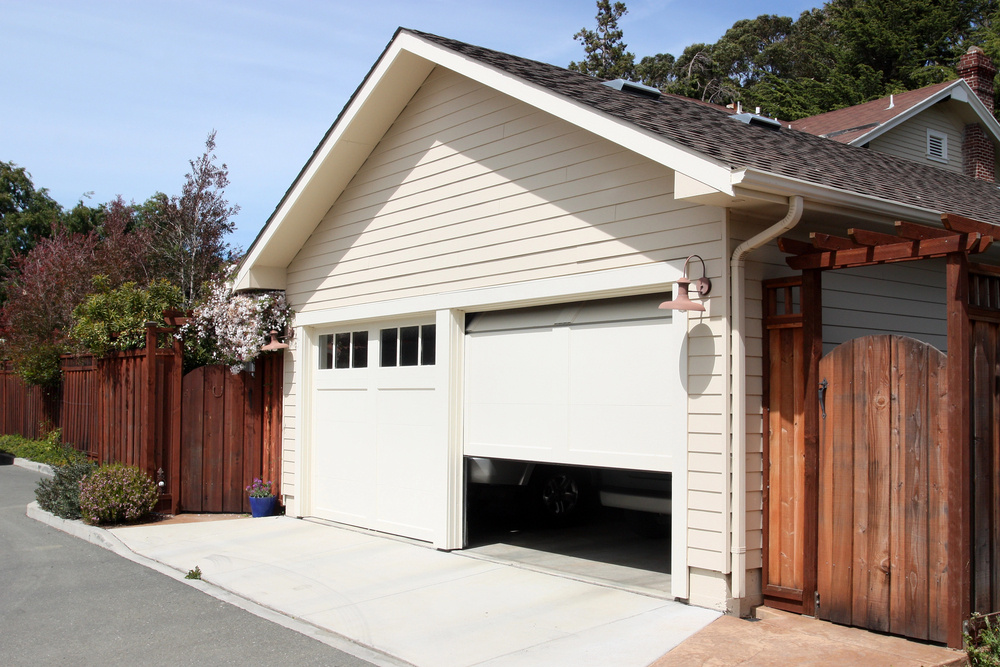
Your front door, fence and garage door are some of the first things people notice about your home. When they're faded, peeling, damaged or looking a little tired, they can make the entire property feel less inviting.
The good news? You don't necessarily need a major renovation to give your home's exterior a lift. A fresh coat of paint, a few simple repairs and some carefully chosen finishing touches can make a noticeable difference.
Spring is an ideal time to tackle these projects before summer arrives. The milder weather can make outdoor painting and maintenance more manageable, although it's still important to check local forecasts and follow product instructions.
Here are 10 practical ways to refresh your front door, fence and garage while improving your home's street appeal.
Your front door, fence and garage are just three parts of beautifying your exterior in spring. For a complete checklist, see our full article on improving your home's street appeal.
1. Give Your Front Door a Fresh Coat of Paint
Your front door is a natural focal point, making it one of the easiest places to start when refreshing your home's exterior.
Over time, sunlight, rain and everyday use can leave the paint faded, chipped or scratched. A fresh coat can make the entrance look cleaner and more inviting without requiring a complete replacement.
Before painting, remove dirt and grease, scrape away loose paint and sand rough areas. Fill minor imperfections, apply a suitable primer if needed, and use paint designed for exterior doors and the door's material.
When choosing a colour, consider your home's exterior walls, roof, window frames and overall architectural style. A bold colour can create a striking feature, while a neutral shade can give the entrance a more understated finish.
Pro Tip: If your front door has extensive peeling paint, damaged timber or a finish that's difficult to prepare, hire a professional painter. They can prepare the surface properly and apply a durable finish designed for exterior conditions.
2. Choose a Front Door Colour That Complements Your Home
The right colour can help your front door stand out without clashing with the rest of your property.
Classic black, charcoal, navy and deep green can work well with many Australian home styles. Warm timber tones can add character, while softer colours may suit coastal, cottage or contemporary homes.
Before settling on a shade, consider these factors:
- Exterior walls: Choose a colour that complements your brickwork, render or cladding.
- Roof and trim: Consider how the door will look alongside your roof tiles, gutters and window frames.
- Architectural style: A heritage home may suit a traditional palette, while a modern home may work well with a stronger contrast.
- Natural light: Colours can look different in bright sunlight, shade and at different times of day.
Test a few sample colours before committing. View them outside and in different lighting conditions to see how they work with the rest of your exterior.
Remember that your front door doesn't have to match every other feature. The aim is to create a coordinated look rather than make everything the same colour.
3. Upgrade Your Front Door Hardware

Sometimes, the smallest details can make the biggest difference. If your door is in good condition but still looks dated, updating its hardware can be a simple way to refresh the entrance.
Consider replacing worn handles, house numbers, knockers or other decorative fittings. Finishes such as matte black, brushed nickel and brass can help create different looks, from contemporary to traditional.
Before buying new hardware, check the dimensions, fixing points and compatibility with your existing door. If you're replacing a lock, prioritise security and choose hardware that suits the door's construction.
It's also worth checking that the door opens, closes and locks smoothly. A sticking door, loose handle or damaged latch can affect everyday convenience as well as appearance.
Pro Tip: If your front door doesn't close properly, the frame is damaged or the lock needs more than a straightforward replacement, consider hiring a qualified carpenter or locksmith, depending on the issue. They'll be able to address the underlying problem rather than simply improving the appearance.
4. Clean and Repair Your Fence Before Repainting
A fence can occupy a large part of your home's frontage, so its condition has a noticeable effect on street appeal.
Before deciding to repaint or replace it, give the fence a thorough inspection. Look for loose panels, leaning posts, peeling paint, rust, cracked timber and signs of rot.
Remove dirt, cobwebs and surface grime using a cleaning method suited to the material. Timber, metal, masonry and composite fences may require different products and preparation techniques.
Allow the surface to dry thoroughly before painting or applying a protective coating. Repair loose sections and address rust or timber damage first. Painting over a deteriorating surface may only hide the problem temporarily.
If the fence is structurally sound, a clean and a fresh finish may be all it needs. However, widespread rot, unstable posts or extensive corrosion may call for more substantial repairs.
Pro Tip: Hire a fencing contractor if your fence is leaning, has unstable posts or needs extensive repairs. A professional can assess whether the existing structure can be restored or whether replacing damaged sections would be more practical.
5. Repaint Your Fence to Create a Consistent Look
A freshly painted fence can help tie together your home's exterior, garden and front entrance.
The best colour depends on your property and the look you're aiming for. Charcoal and darker neutrals can create a contemporary appearance, while lighter shades may suit traditional or coastal homes. Natural timber finishes can also complement gardens and outdoor spaces.
Before choosing a colour, consider your home's exterior paint, roof, landscaping and neighbouring properties. You want the fence to complement the overall look rather than compete with it.
Preparation is essential. Remove loose paint, treat rust on metal surfaces, repair damaged timber and use a suitable primer where required. Choose a coating designed for the fence material and outdoor exposure.
Don't forget that a fence may look different from both the street and inside your property. Test your chosen colour on a small section first.
If the fence borders a shared boundary, check any relevant local requirements or agreements before making substantial changes.
6. Refresh Your Garage Door
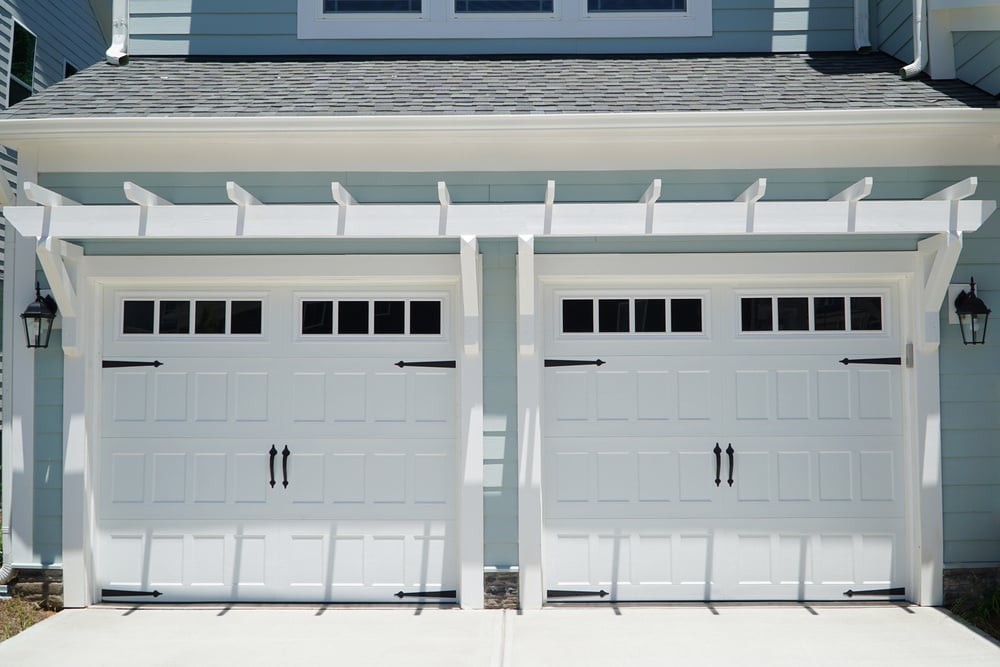
Garage doors can take up a significant amount of space on a home's facade. If yours is faded, stained or showing signs of wear, refreshing it can make the entire frontage look more polished.
Start by washing away dust, cobwebs and accumulated grime. Check for peeling paint, surface rust, dents and damaged weather seals. The right repair will depend on whether your garage door is made from steel, aluminium, timber or another material.
If the door is structurally sound, repainting may be an effective option. Use a coating suitable for the material and follow the manufacturer's preparation and application instructions.
When choosing a colour, consider whether you want the garage door to blend into the facade or become a feature. Matching it to the home's trim can create a coordinated look, while a complementary neutral may help it sit more quietly within the overall design.
Pro Tip: If your garage door has significant dents, corrosion, damaged panels or mechanical problems, contact a garage door specialist. Garage door springs and operating mechanisms can be dangerous to handle without the right training and equipment.
7. Check Your Garage Door's Safety and Weather Seals
A garage door makeover isn't only about appearance. It's also a good opportunity to check whether the door is working as it should.
Inspect the visible weather seals along the bottom and sides for cracks, gaps or deterioration. Damaged seals may allow dust, water and pests to enter the garage.
Open and close the door to check for unusual noises, jerky movement or difficulty operating it. Look for visible damage to tracks, panels and hinges, but avoid adjusting springs or other high-tension components yourself.
If the door has an automatic opener, follow the manufacturer's guidance for routine safety checks. Any malfunctioning safety features should be addressed promptly.
Pro Tip: Hire a garage door technician if the door is noisy, uneven, difficult to open or showing signs of mechanical failure. A technician can inspect the operating system and identify repairs needed to keep the door working safely.
8. Update Your Letterbox, House Numbers and Exterior Lighting
Your front door, fence and garage aren't the only features that influence street appeal. Small exterior details can help create a more cohesive and welcoming entrance.
Consider refreshing your letterbox, replacing faded house numbers or updating worn exterior fittings. If you have a front path, make sure it's clear of clutter and accumulated debris.
Exterior lighting can also improve the appearance and usability of your entrance after dark. Choose fixtures that suit your home's style and are appropriate for outdoor conditions.
If you're installing new fixed lighting or changing electrical connections, use a licensed electrician. Position lights thoughtfully to illuminate entrances and paths without creating unnecessary glare.
For a coordinated finish, repeat one or two materials or colours across your door hardware, house numbers and outdoor fixtures.
9. Add Plants and Finishing Touches Around the Entrance
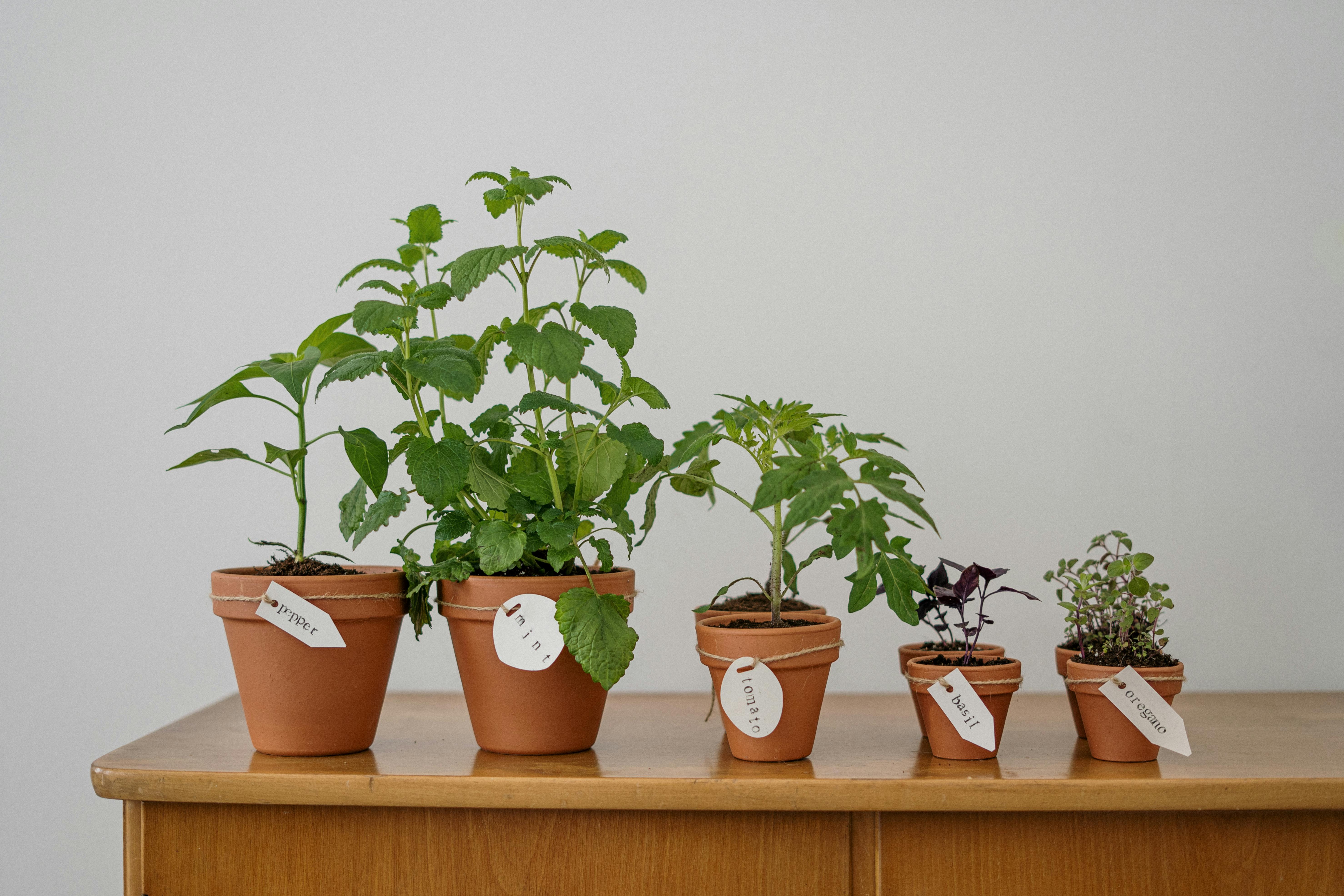
Once your door, fence and garage are looking their best, a few simple landscaping touches can bring the whole frontage together.
Potted plants, tidy garden beds and well-maintained edges can soften hard surfaces and make the entrance feel more inviting. Choose plants suited to your local climate, available sunlight and the amount of maintenance you're prepared to do.
Keep the front path clear and avoid placing pots where they obstruct access. Trim overgrown shrubs and remove weeds around the fence line.
If space is limited, a pair of matching pots near the front door can create a balanced look. For larger front gardens, repeating a small selection of plants can help the landscaping feel intentional rather than cluttered.
You don't need to fill every available space. A few well-maintained features can have more impact than adding lots of decorative items.
10. Know When to Hire a Professional
Some exterior refreshes are suitable DIY projects, particularly cleaning, choosing colours and handling minor cosmetic updates. Other jobs require specialised tools, experience or trade qualifications.
Consider hiring a professional if:
- Your front door or fence has significant timber damage or rot.
- Extensive surface preparation is needed before painting.
- Your garage door has damaged panels or mechanical issues.
- A fence is leaning or its posts appear unstable.
- Exterior electrical fittings need installation or repair.
- The work involves ladders, roof access or other significant safety risks.
A professional can also help you avoid common mistakes, such as using the wrong paint, skipping surface preparation or applying coatings in unsuitable weather.
If you're comparing quotes, look beyond the headline price. Ask what's included, which materials will be used, how the surfaces will be prepared and whether repairs are included in the scope of work.
How Much Does It Cost to Refresh Your Front Door, Fence and Garage?
The cost of an exterior refresh depends on the size and condition of each feature, the materials involved and whether you're doing the work yourself or hiring a tradie.
| Project | Factors that affect the cost |
|---|---|
| Front door painting | Surface preparation, door material, primer and paint requirements |
| Front door hardware | Type of handle or lock, finish and installation requirements |
| Fence cleaning and repainting | Fence length, material, access and condition |
| Fence repairs | Damaged panels, post condition and replacement materials |
| Garage door painting | Door size, material, preparation and coating requirements |
| Garage door repairs | Panel damage, mechanism issues and replacement parts |
| Exterior lighting | Fixture type, wiring requirements and installation complexity |
| Landscaping touches | Plant selection, soil preparation, pots and labour |
These are cost factors rather than fixed prices. To understand the likely cost for your property, request quotes that clearly outline the labour, materials, preparation and any additional repairs.
Give Your Home a Spring Refresh
Refreshing your front door, fence and garage can be a practical way to improve your home's street appeal without committing to a major renovation. A little cleaning, some targeted repairs and a fresh coat of paint can help these prominent features look cared for and complement the rest of your exterior.
Start by identifying the areas that need the most attention, then prioritise repairs before cosmetic improvements. If a job involves structural damage, mechanical components or work at height, bringing in a qualified professional can help you get it done safely and properly.
Ready to refresh your home's exterior? Find and hire local painters, fencing contractors, carpenters and other tradies through ServiceSeeking.com.au.
Frequently Asked Questions
What is the easiest way to improve your home's street appeal?
Start with visible, high-impact areas such as the front door, fence and garage door. Cleaning exterior surfaces, repairing damaged sections, refreshing paint and tidying the front garden can help create a more cared-for appearance.
What colour should I paint my front door?
Choose a colour that complements your exterior walls, roof, trim and architectural style. Popular options include charcoal, navy, deep green and classic neutrals, but the best choice depends on your home's existing colours and the look you want to achieve.
Is it better to paint or replace an old fence?
Painting or refinishing may be suitable if the fence is structurally sound and only needs cosmetic improvement. If posts are unstable, timber is extensively rotten or metal components are badly corroded, repairs or replacement may be more appropriate.
Can I paint my garage door myself?
You may be able to paint a garage door yourself if the surface is in good condition and you can safely prepare and access it. Use products suitable for the door's material and follow the manufacturer's instructions. Leave mechanical repairs and work involving unsafe access to professionals.
What should I fix before painting exterior features?
Repair loose or damaged sections, remove peeling paint, address rust or rot, and investigate any moisture problems first. A clean, sound and properly prepared surface helps the new coating adhere and last longer.
Does refreshing your front door and fence add value to your home?
A well-maintained entrance and fence can improve your property's presentation and create a positive first impression. While cosmetic improvements don't guarantee an increase in market value, they can help your home look more appealing to visitors and potential buyers.