If you're a homeowner, here’s a no-fuss guide to identifying drainage problems early—before they escalate into emergency call-outs.
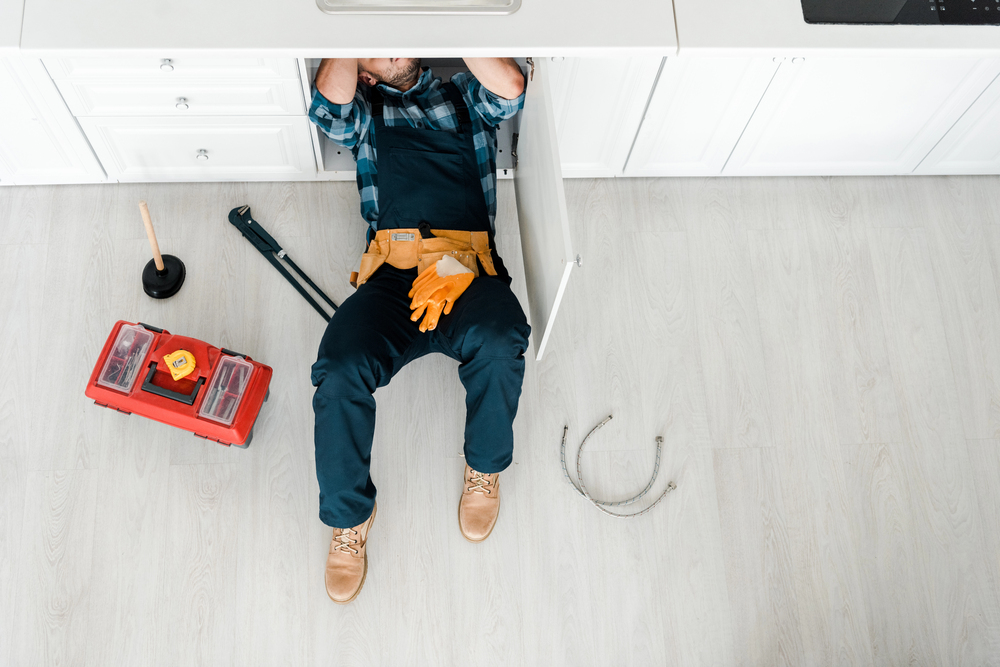
When winter rolls around in Australia, it doesn’t just bring cooler temps—it often comes with heavy rain, flash flooding, and water damage headaches. For homeowners, poor drainage can quickly turn into a costly nightmare. For plumbers, it’s also one of the busiest (and most profitable) seasons—if you know what to look for early.
Whether you're a homeowner wanting to stay ahead of trouble or a tradie looking to offer proactive solutions, spotting drainage issues before the storms hit is key. Here’s a practical, no-fuss guide to identifying problems early—before they escalate into emergency call-outs.
1. Water Pooling Around Your Property
One of the most obvious signs of drainage trouble is water pooling where it shouldn’t.
After a bit of rain, take a walk around your property. Do you notice puddles that linger long after the rain has stopped? That’s a red flag. It usually means the ground isn’t draining properly or water isn’t being directed away efficiently.
Common causes include:
- Poor soil absorption (especially clay-heavy soil)
- Blocked or undersized drainage systems
- Incorrect grading around the home
For tradies, this is a great opportunity to suggest solutions like installing ag drains or regrading the landscape—jobs that homeowners often don’t think about until it’s too late.
2. Overflowing Gutters and Downpipes
Gutters are your first line of defence against rainwater damage. If they’re overflowing during even moderate rainfall, something’s not right.
Look out for:
- Water spilling over the sides
- Sagging gutter sections
- Plants or debris growing inside gutters
Blocked gutters can cause water to back up and seep into the roof or walls. Worse still, if downpipes are clogged or not directing water far enough away, it can lead straight to foundation issues.
A quick clean might fix it—but in many cases, homeowners benefit from professional cleaning and upgrades. That’s where tradies who are active on platforms like ServiceSeeking.com.au can step in and offer preventative maintenance services before winter demand spikes.
3. Damp or Musty Smells Indoors
If a home starts smelling damp or musty, especially during cooler months, it could be a sign of hidden drainage problems.
Moisture creeping into walls, subfloors, or basements often stems from poor external drainage. Over time, this can lead to mould growth and structural damage.
Signs to watch for:
- Peeling paint or bubbling plaster
- Visible mould patches
- Condensation that doesn’t go away
This is where early intervention matters. A licensed tradie can identify whether it’s a ventilation issue or something deeper—like water ingress caused by faulty drainage.
4. Cracks in Walls or Foundations
Hairline cracks might seem harmless, but they can sometimes point to shifting soil caused by excess water.
When drainage is poor, water can accumulate around the foundation, softening the soil and causing movement. Over time, this leads to cracks in walls, uneven floors, and even door misalignment.
Key warning signs:
- New cracks appearing after rain
- Doors or windows sticking
- Uneven flooring
For homeowners, it’s worth getting these checked sooner rather than later. For tradies, it’s an opportunity to offer inspections and preventative fixes—before structural repairs become a major expense.
5. Soggy or Waterlogged Garden Areas
A lush lawn is great—but if your garden feels like a swamp every time it rains, there’s likely a drainage issue underneath.
Waterlogged soil can:
- Kill plants and grass
- Attract pests
- Cause erosion
In many Australian homes, especially in suburban areas, poor yard drainage is a common issue leading into winter.
Solutions might include:
- Installing French drains
- Improving soil composition
- Adding proper runoff channels
This is a classic “small fix now, big savings later” scenario—one that tradies can easily educate homeowners about.
6. Water Stains on Exterior Walls
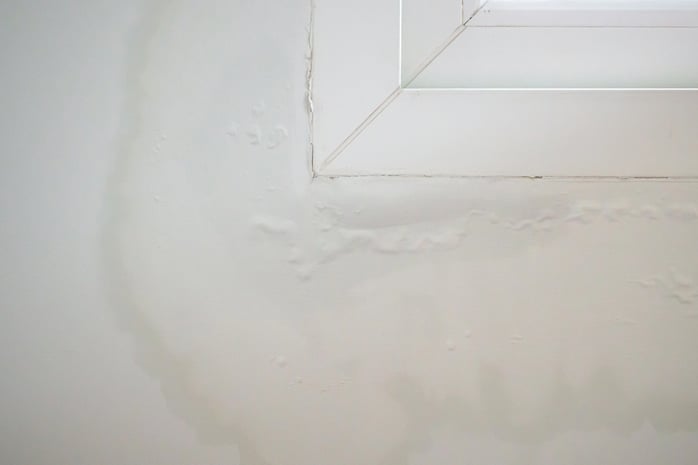
Water stains on the outside of your home might not seem urgent—but they’re often a clue that drainage systems aren’t working as they should.
Look for:
- Discolouration on brick or render
- Streak marks below gutters
- Damp patches near the base of walls
This usually indicates that water isn’t being directed away properly, either due to faulty downpipes or poor ground slope.
A quick inspection can prevent long-term damage—and it’s an easy entry point for tradies to recommend upgrades or repairs.
7. Erosion or Washed-Out Soil
Keep an eye on areas where soil seems to be disappearing after heavy rain.
Erosion is a clear sign that water is flowing too quickly or being directed incorrectly. You might notice:
- Exposed roots
- Bare patches in the yard
- Soil collecting near driveways or pathways
Left unchecked, erosion can damage landscaping and even compromise structural areas of the property.
Tradies who offer landscaping or drainage services can position themselves as problem-solvers here—especially if they can show before-and-after results to potential clients.
8. Basement or Subfloor Flooding
Not every Aussie home has a basement, but subfloor spaces are common—and they’re just as vulnerable.
If you notice:
- Standing water under the house
- Rusting supports or fixtures
- Increased humidity indoors
…it’s likely your drainage system isn’t coping with rainfall.
Fixing subfloor drainage early can save thousands in repairs. It’s also a job best handled by experienced professionals who understand local soil and weather conditions.
9. Slow-Draining Outdoor Areas
Driveways, patios, and outdoor tiles should drain quickly after rain. If they don’t, it’s a sign of poor design or blocked drainage.
Pooling water in these areas can:
- Create slip hazards
- Damage surfaces over time
- Lead to water entering the home
Simple fixes like clearing drains might help—but in many cases, it requires proper assessment and redesign.
For tradies, this is another opportunity to upsell practical solutions that improve both safety and property value.
10. Your Neighbours Are Having Problems Too
Sometimes, the issue isn’t just your property—it’s the whole street.
If neighbours are experiencing flooding or drainage issues, it could indicate:
- Overloaded local drainage systems
- Poor urban planning
- Shared runoff problems
In these cases, it’s even more important to ensure your property is properly protected.
Tradies who stay visible on platforms like ServiceSeeking.com.au are more likely to get these neighbourhood-wide jobs—especially when multiple homeowners are looking for trusted professionals at the same time.
Get Ahead of Winter, Not Caught in It
The biggest mistake homeowners make is waiting until there’s already a problem. By then, tradies are fully booked, costs are higher, and damage is already done.
For tradies, this presents a massive opportunity.
By educating clients, offering early inspections, and being visible where homeowners are actively searching—like ServiceSeeking.com.au—you can secure quality leads before the winter rush even begins.
And for homeowners? A quick check now could save you thousands later.
Final Thoughts
Drainage issues don’t always announce themselves loudly. Often, the signs are subtle—until a big storm hits and exposes everything at once.
By keeping an eye out for these early warning signs, you can take action before minor issues turn into major repairs.
And when it comes to fixing them properly, it pays to bring in a professional. After all, winter waits for no one—but with the right help, you can stay one step ahead.