In this article, we deep dive into the main ways winter weather damages timber decking and what you can do to protect your investment.
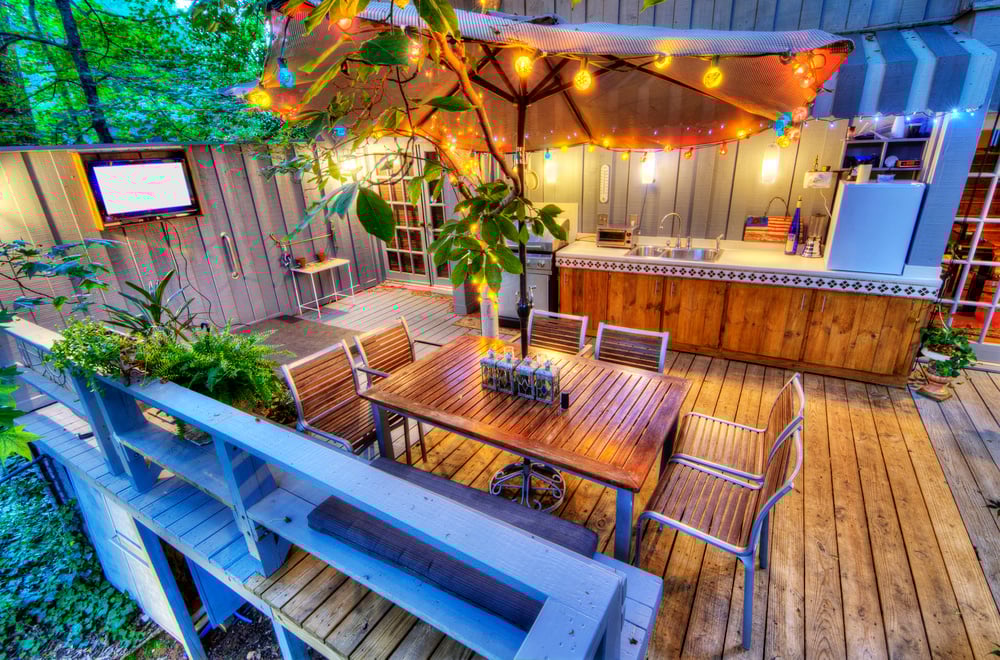
A timber deck is one of the most popular outdoor features in Australian homes. It creates extra living space, boosts street appeal, and provides the perfect spot for everything from weekend barbecues to morning coffees.
But while many homeowners focus on protecting their deck from the harsh summer sun, winter can be just as damaging—sometimes even more so. Cold temperatures, heavy rain, moisture, frost, and reduced sunlight can all take a toll on timber decking if it isn't properly maintained.
The good news is that most winter-related damage can be prevented with a little care and attention. Here are the main ways winter weather damages timber decking and what you can do to protect your investment.
1. Moisture Causes Timber to Swell
Timber is a natural material, which means it absorbs and releases moisture depending on environmental conditions.
During winter, decks are often exposed to frequent rain, morning dew, and higher humidity levels. As timber absorbs this moisture, it expands and swells. Repeated cycles of wetting and drying can place stress on the timber fibres, gradually weakening the boards.
Over time, swelling may cause:
- Uneven decking boards
- Raised edges
- Surface distortion
- Loose fixings
The longer moisture remains trapped in the timber, the greater the risk of long-term structural issues.
2. Water Leads to Rot
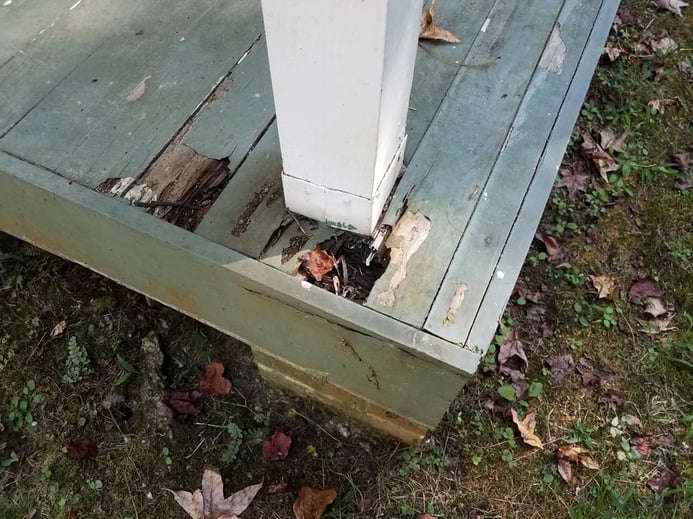
One of the biggest threats to timber decking during winter is rot.
When timber remains damp for extended periods, fungi can begin to develop. These fungi feed on the wood fibres and gradually break them down, causing timber to soften and deteriorate.
Rot often starts in areas where water pools or drainage is poor, including:
- Between decking boards
- Around posts
- Near stairs
- Under outdoor furniture
- In shaded corners
By the time rot becomes visible, significant damage may already have occurred beneath the surface.
3. Mould and Mildew Become More Common
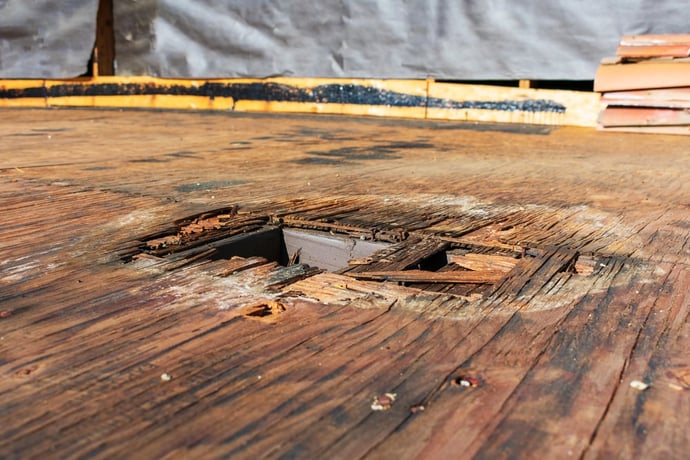
Winter creates ideal conditions for mould and mildew growth.
Damp surfaces, limited sunlight, and cooler temperatures encourage spores to thrive. Aside from making your deck look dirty and neglected, mould can make surfaces slippery and potentially hazardous.
Signs of mould and mildew include:
- Black, green, or grey patches
- Musty odours
- Slippery surfaces after rain
Regular cleaning helps reduce build-up, but persistent mould problems may indicate underlying drainage or ventilation issues that require professional attention.
4. Timber Can Crack During Freeze-and-Thaw Cycles
While frost is less common in many parts of Australia, it can still affect homes in colder regions and higher elevations.
When moisture enters small cracks in timber and temperatures drop below freezing, the water expands as it turns to ice. This expansion can widen existing cracks and create new ones.
Repeated freeze-and-thaw cycles can accelerate:
- Splitting
- Surface checking
- Board deterioration
Even areas that only experience occasional frosts can see gradual damage over multiple winters.
5. Protective Coatings Wear Down Faster
Many homeowners assume that decking oils and sealants only need attention after summer.
However, winter weather can be particularly tough on protective coatings.
Heavy rain, moisture exposure, and fluctuating temperatures slowly break down the protective barrier that oils, stains, and sealants provide. Once this barrier weakens, timber becomes far more vulnerable to water penetration.
If water no longer beads on the surface of your deck, it may be time to reapply a protective coating.
6. Poor Drainage Creates Standing Water
Standing water is one of the quickest ways to shorten the lifespan of a timber deck.
Leaves, dirt, and debris often accumulate during autumn and winter, blocking drainage paths and allowing water to collect on decking surfaces.
Persistent pooling can lead to:
- Timber rot
- Mould growth
- Surface staining
- Structural weakening
Regularly clearing debris and ensuring proper drainage can significantly reduce these risks.
7. Fasteners Can Loosen Over Time
The expansion and contraction of timber throughout winter places stress on screws, nails, and other fixings.
As boards repeatedly absorb moisture and then dry out, fasteners may begin to loosen. This can create:
- Squeaky boards
- Raised nail heads
- Movement underfoot
- Potential trip hazards
Loose fixings should be addressed promptly before they lead to larger structural problems.
8. Reduced Sunlight Slows Drying
Australian winters often bring shorter days and longer periods of shade.
Decks located beneath trees or on the southern side of a property may receive very little direct sunlight during winter. As a result, moisture remains trapped in the timber for longer periods.
The slower a deck dries, the greater the likelihood of:
- Rot
- Mould
- Mildew
- Timber degradation
Improving airflow around the deck can help speed up drying and minimise moisture-related damage.
9. Leaf Build-Up Traps Moisture
Fallen leaves might seem harmless, but they can create serious problems for timber decking.
Wet leaves act like a sponge, holding moisture against the timber surface. They can also stain the deck and encourage fungal growth.
Areas beneath pot plants, outdoor furniture, and corners of the deck are especially prone to debris accumulation.
A simple sweep every week or two during winter can go a long way towards protecting your decking.
10. Small Problems Become Expensive Repairs
One of the biggest dangers of winter damage is how easily it goes unnoticed.
Because decks are often used less during colder months, homeowners may not spot early warning signs until spring arrives. By then, minor issues such as loose boards, small cracks, or isolated rot can develop into costly repairs.
Regular inspections throughout winter allow problems to be identified and addressed before they worsen.
How to Protect Your Deck During Winter
Fortunately, protecting a timber deck doesn't require a major renovation. A few preventative measures can make a huge difference.
Consider the following:
- Sweep away leaves and debris regularly.
- Clean mould and mildew before they spread.
- Ensure water drains freely from the deck surface.
- Inspect boards for cracks and soft spots.
- Tighten loose screws and fixings.
- Reapply decking oil or sealant when needed.
- Trim nearby plants to improve airflow and sunlight exposure.
- Schedule professional inspections if signs of damage appear.
When to Call a Professional
While basic cleaning and maintenance can be handled by most homeowners, structural repairs and timber restoration are often best left to experienced professionals.
A qualified decking specialist can identify hidden rot, assess structural integrity, replace damaged boards, improve drainage, and recommend suitable protective treatments for your local climate.
If your deck has become slippery, uneven, soft underfoot, or visibly weathered, it may be time to seek expert advice before winter damage becomes more extensive.
Keep Your Deck Looking Its Best All Year Round
Winter weather can be surprisingly tough on timber decking. Moisture, mould, rot, swelling, and general wear can all affect the appearance, safety, and lifespan of your outdoor space.
The key is early intervention. Regular maintenance and timely repairs can help prevent minor issues from turning into expensive restoration projects.
If your deck needs cleaning, repairs, resealing, or a complete refresh, finding the right professional makes all the difference. ServiceSeeking.com.au makes it easy to compare quotes from experienced local tradies, helping you keep your timber deck in top condition no matter what winter throws at it.