House Repair and Maintenance
Persistent window moisture can lead to costly repairs, health concerns, and reduced comfort if left unchecked. Read on to know more.
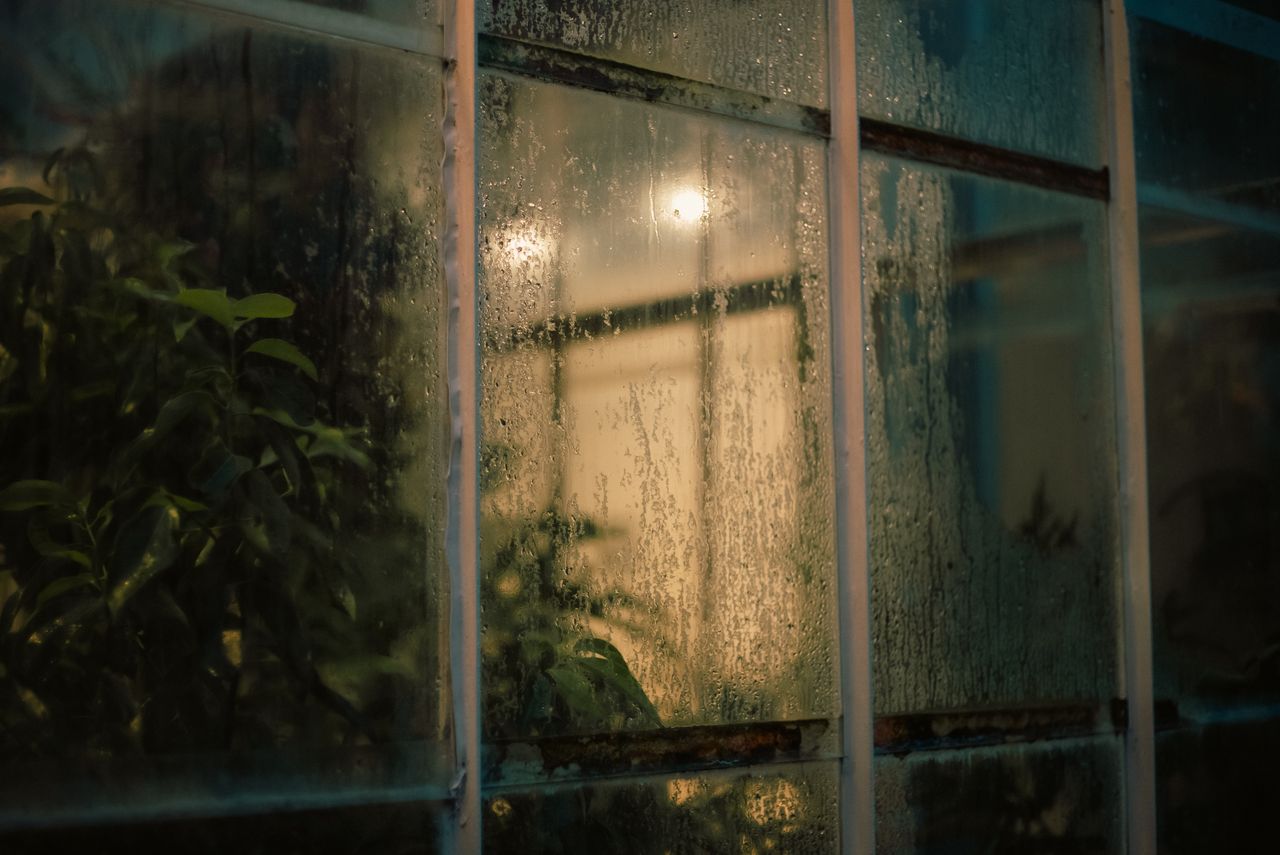
Winter in Australia often means cosy nights, warm heaters, and tightly shut windows. While keeping the cold out makes perfect sense, it can also trap moisture inside your home. Before long, you may notice foggy windows, damp walls, or even mould appearing in places that were perfectly fine a few weeks ago.
Many homeowners dismiss condensation as a harmless winter annoyance, but persistent moisture can lead to costly repairs, health concerns, and reduced comfort if left unchecked.
Here's what you need to know about winter condensation—and when it's time to call in a professional.
1. Condensation Can Lead to Mould Growth
One of the biggest risks of ongoing condensation is mould.
When warm, moisture-filled air comes into contact with cold surfaces like windows, walls, or ceilings, water droplets form. If those surfaces stay damp for long periods, mould spores have the perfect environment to grow.
Common places you'll find mould include:
- Window frames
- Corners of bedrooms
- Behind furniture
- Bathroom ceilings
- Wardrobes
- Laundry areas
Besides looking unsightly, mould can trigger allergies, asthma, and other respiratory issues—particularly for children, older Australians, and anyone with existing health conditions.
If you're constantly cleaning mould only for it to return, the problem is usually excess moisture rather than poor cleaning habits.
A qualified mould removal specialist or ventilation expert can identify the source before the problem spreads.
2. Damp Walls Can Damage Your Home
Condensation doesn't just affect windows.
Over time, excess moisture can soak into plasterboard, timber framing, paintwork, and insulation.
You might notice:
- Bubbling paint
- Peeling wallpaper
- Water stains
- Soft plaster
- Musty smells
Many homeowners mistake these signs for a roof leak or plumbing issue. While those are certainly possibilities, indoor condensation can produce similar symptoms.
A licensed builder or moisture specialist can determine whether the problem comes from outside water entering the home or excessive humidity building up inside.
Early diagnosis often prevents much larger repair bills later.
3. Poor Ventilation Makes Everything Worse
Australian homes have become more energy-efficient over the years.
While that's great for reducing heating costs, better insulation and sealed windows also reduce natural airflow.
Without adequate ventilation:
- Steam from showers lingers longer.
- Cooking moisture stays indoors.
- Clothes drying inside releases litres of water into the air.
- Everyday breathing adds humidity.
The result is a home that struggles to dry itself naturally.
Installing better ventilation can make an enormous difference.
Solutions may include:
- Exhaust fan upgrades
- Roof ventilation
- Subfloor ventilation
- Mechanical ventilation systems
- Additional window vents
An experienced electrician or ventilation specialist can recommend the right solution for your home.
4. Condensation Can Damage Timber
Timber doesn't respond well to prolonged moisture.
If condensation repeatedly settles on timber window frames, flooring, skirting boards or structural timber, it may begin to:
- Swell
- Warp
- Crack
- Rot
Repairing damaged timber can become surprisingly expensive, especially if structural elements are affected.
If you've noticed timber that's beginning to distort or soften during winter, it's worth arranging an inspection before the damage spreads.
5. Windows Shouldn't Constantly Be Wet
Seeing a little condensation on windows during a particularly cold morning isn't unusual.
However, if your windows are soaked every day throughout winter, they're telling you something.
Persistent condensation often indicates:
- High indoor humidity
- Poor ventilation
- Inadequate insulation
- Single-glazed windows
- Thermal bridging
If wiping your windows every morning has become part of your routine, it's time to investigate the underlying cause rather than simply treating the symptom.
A glazing specialist or insulation professional can assess whether your windows are contributing to the problem.
6. Your Ceiling May Be Collecting Moisture Too
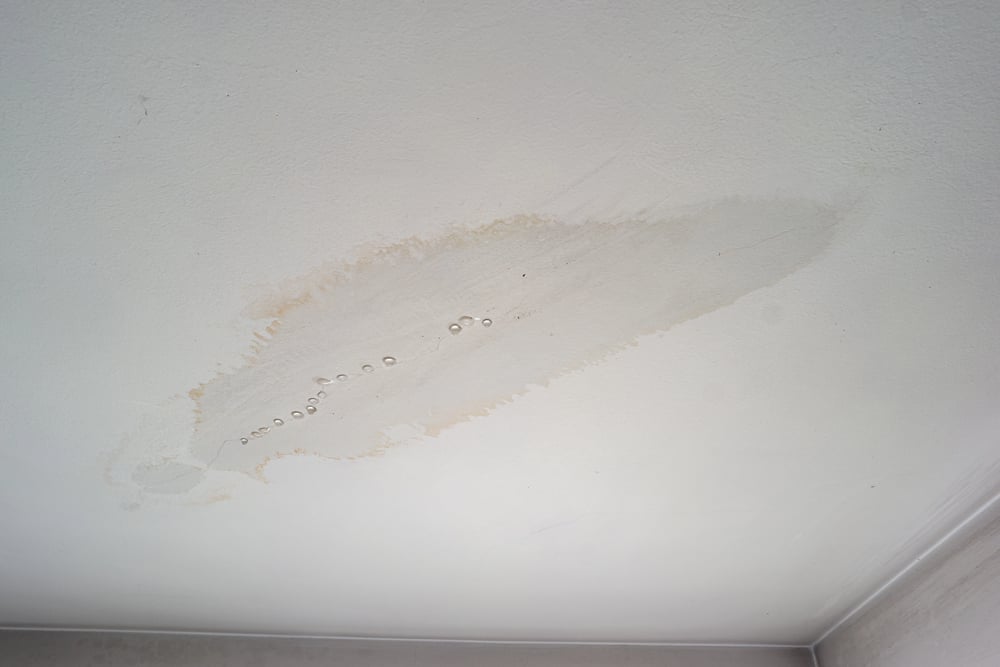
Many homeowners only notice condensation where they can see it. Unfortunately, moisture often builds up inside roof cavities as well.
This hidden condensation can affect:
- Roof framing
- Ceiling insulation
- Gyprock
- Electrical fittings
Over time, trapped moisture can encourage mould growth in areas you rarely inspect.
If your roof space feels damp or develops a musty smell during winter, having it professionally checked is a smart preventative step.
7. Heating Habits Can Increase Condensation
Not all heating systems affect humidity equally. Portable gas heaters, for example, produce water vapour as they burn fuel.
That extra moisture stays inside your home, increasing condensation throughout the day.
Other common contributors include:
- Drying washing indoors
- Long hot showers
- Cooking without using rangehoods
- Blocking air vents
- Rarely opening windows
Making a few small adjustments can significantly reduce indoor moisture without sacrificing comfort.
8. Condensation Can Affect Indoor Air Quality
Even if mould hasn't appeared yet, excess humidity still impacts your home's air quality.
High moisture levels can encourage:
- Dust mites
- Musty odours
- Bacteria
- Allergens
Many homeowners notice that they experience:
- Stuffy rooms
- Persistent coughing
- Irritated eyes
- Allergies that seem worse during winter
Improving airflow and reducing moisture often create a healthier living environment for the whole household.
9. Insulation Plays a Bigger Role Than You Think
People often assume insulation only helps keep homes warm.
In reality, good insulation also helps reduce the temperature difference between indoor air and wall surfaces.
The smaller the temperature difference becomes, the less condensation forms.
Upgrading insulation in:
- Roofs
- Walls
- Floors
can dramatically improve winter comfort while reducing condensation at the same time.
A qualified insulation installer can recommend the most suitable options for your home's age and construction.
10. Ignoring Condensation Usually Makes Repairs More Expensive
The biggest mistake homeowners make is assuming condensation will disappear once winter ends.
While the visible moisture may reduce during warmer months, the hidden damage often continues to accumulate year after year.
Small problems can gradually become:
- Extensive mould remediation
- Rotten timber replacement
- Ceiling repairs
- Damaged insulation
- Repainting entire rooms
- Structural repairs
Addressing the issue early is almost always more affordable than waiting until the damage becomes obvious.
How to Reduce Winter Condensation
While some homes need professional improvements, there are several simple steps homeowners can take straight away:
- Open windows for a short period each day.
- Use exhaust fans during and after showers.
- Always use your kitchen rangehood when cooking.
- Avoid drying clothes indoors where possible.
- Leave internal doors open to improve airflow.
- Wipe excess moisture from windows.
- Keep furniture slightly away from external walls.
- Consider using a dehumidifier in problem rooms.
These habits won't solve every condensation issue, but they can significantly reduce moisture levels.
When Should You Call a Tradie?
If condensation is becoming a recurring problem each winter, it's worth having your home professionally assessed.
Depending on the cause, you may need assistance from:
- Insulation specialists
- Electricians
- Builders
- Roofers
- Ventilation experts
- Glaziers
- Waterproofing specialists
- Mould removal professionals
Rather than guessing at the cause, an experienced tradie can identify the source of the problem and recommend the most effective long-term solution.
Find Trusted Professionals Before Winter Damage Gets Worse
Winter condensation may seem like a minor inconvenience, but persistent moisture can quietly affect your home's structure, indoor air quality, and overall comfort. The earlier you address the issue, the easier—and often cheaper—it is to fix.
Whether you're dealing with mould, damp walls, poor ventilation, or ageing insulation, finding the right professional is the first step towards a warmer, healthier home. At ServiceSeeking.com.au, you can quickly connect with trusted local tradies, compare multiple quotes, read genuine customer reviews, and choose the right expert for your job with confidence.