Household Tips and Improvements
In this guide, we dive into the biggest winter heating mistakes that could be costing you more than you realise and how to avoid them.
Winter in Australia can be surprisingly expensive, especially when your heating system is working overtime. As temperatures drop across much of the country, many households see their energy bills climb. While some increase is expected, plenty of homeowners unknowingly waste hundreds of dollars every winter because of simple heating mistakes.
The good news? Most of these issues are easy to avoid with a little know-how and, when needed, the help of a qualified local heating tradie. Here are the biggest winter heating mistakes that could be costing you more than you realise.
1. Heating the Entire House Instead of the Rooms You Use
One of the most common (and costly) mistakes is heating every room, even those that aren't being used.
If everyone is gathered in the lounge room during the evening, there's little point warming spare bedrooms or the dining room. Heating unused spaces forces your system to work harder and uses more electricity or gas than necessary.
Instead:
- Close doors to unused rooms.
- Heat occupied areas only.
- Consider zoning systems if you're planning an upgrade.
A heating and cooling specialist can recommend the most efficient solution for your home's layout.
2. Ignoring Drafts Around Windows and Doors
Your heater might be working perfectly—but if warm air keeps escaping through gaps, you're literally paying to heat the outdoors.
Common problem areas include:
- Older timber windows
- Door frames
- Sliding doors
- Exhaust fans
- Gaps around floorboards
Simple weather seals and draft stoppers can make a noticeable difference. For larger issues, a handyman or carpenter can professionally seal gaps and improve your home's insulation.
3. Forgetting to Service Your Heating System
Just like your car, your heating system performs best when it's regularly serviced.
Dirty filters, worn components and blocked vents reduce efficiency, meaning your heater uses more energy to produce the same amount of warmth.
Regular servicing can:
- Improve efficiency
- Lower running costs
- Extend the system's lifespan
- Reduce the risk of unexpected breakdowns
Whether you have ducted heating, split systems or gas heating, scheduling a service before or during winter can save money in the long run.
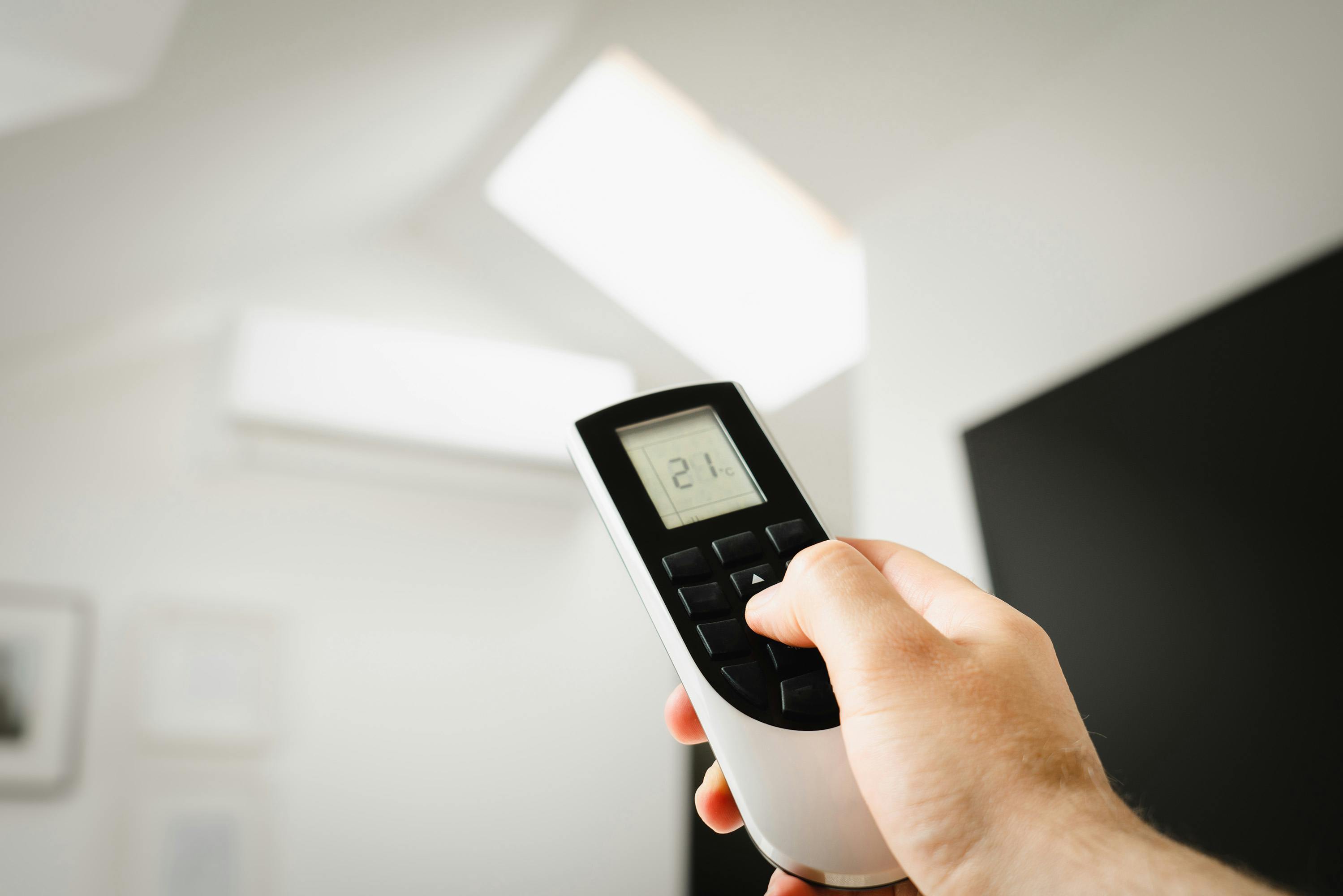
4. Setting the Thermostat Too High
Many people assume cranking the thermostat to 28°C will heat the home faster.
Unfortunately, that's not how heating systems work.
Instead, the heater simply runs for longer until it reaches that temperature, consuming significantly more energy.
A comfortable indoor temperature during winter is generally around 18–20°C. Even lowering your thermostat by one or two degrees can noticeably reduce your power bill over the course of the season.
5. Blocking Heating Vents
Furniture placement matters more than you might think.
Large sofas, cabinets or curtains positioned in front of heating vents prevent warm air from circulating properly.
When airflow is restricted:
- Rooms take longer to heat.
- The system works harder.
- Energy consumption increases.
Take a quick walk around your home and ensure vents remain clear and unobstructed.
6. Skipping Ceiling Insulation
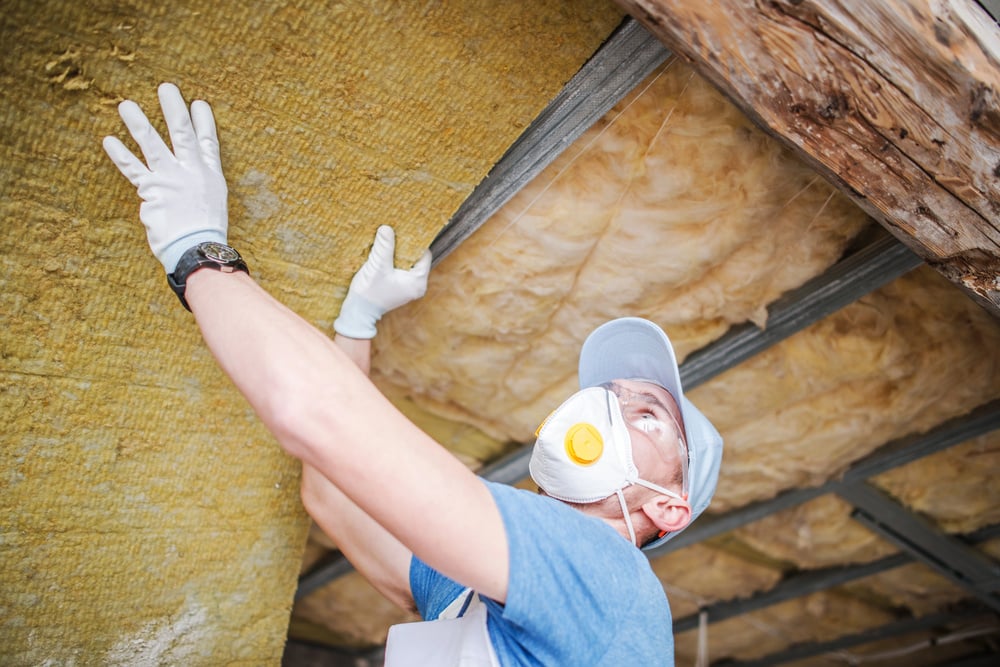
Many Australian homes—particularly older ones—have inadequate insulation.
Without proper insulation, heat rises into the roof cavity and escapes, forcing your heater to continually replace lost warmth.
Good insulation keeps warm air inside where it belongs, reducing heating costs while making your home more comfortable.
If you're unsure whether your insulation is sufficient, an insulation specialist can inspect your roof space and recommend upgrades suited to your climate.
7. Leaving Curtains Open at Night
Natural sunlight is free heating during the day, but once the sun goes down, uncovered windows quickly become a source of heat loss.
Make it a habit to:
- Open curtains during sunny winter days.
- Close them before sunset.
- Consider thermal curtains for older homes.
It's a small change that helps trap warmth indoors overnight.
8. Using the Wrong Heating System
Not every heating solution suits every home.
For example:
- Portable heaters may be fine for a single bedroom.
- Large family homes often benefit from ducted heating.
- Reverse-cycle air conditioners can be one of the most energy-efficient options in many parts of Australia.
If your heating bills seem unusually high year after year, your current system may simply not be the right fit.
A licensed heating and cooling tradie can assess your home's size, insulation and usage patterns before recommending a more efficient solution.
9. Ignoring Air Leaks in Older Homes
Older Australian properties have plenty of character—but they're also notorious for letting warm air escape.
Common hidden leaks include:
- Chimneys
- Wall vents
- Roof cavities
- Old window frames
- Garage access doors
These issues often go unnoticed because they're not immediately visible.
A building inspection or home maintenance assessment can uncover problem areas before they become expensive energy drains.
10. Delaying Small Repairs Until They Become Bigger Problems
That noisy split system.
The heater that occasionally switches off.
The duct that's been rattling for months.
Many homeowners ignore these warning signs because the system still "mostly works."
Unfortunately, small faults often become major repairs if left unchecked. Minor issues can also reduce efficiency long before a complete breakdown occurs.
Getting repairs sorted early usually costs far less than replacing an entire system during the middle of winter.
Bonus Tip: Don't Forget About Your Roof
Many homeowners focus solely on the heater itself while overlooking the roof.
Damaged roof tiles, deteriorating flashing and small leaks can all affect insulation and indoor temperatures.
A roof that's letting in moisture or allowing warm air to escape can quietly increase heating costs throughout winter.
If you've noticed damp patches, cold drafts or signs of roof damage, it's worth arranging an inspection before the problem worsens.
A Warmer Home Doesn't Have to Mean Bigger Bills
Keeping your home comfortable this winter doesn't always require a brand-new heating system. In many cases, fixing drafts, improving insulation, servicing your heater or making a few simple adjustments can dramatically reduce energy costs.
The challenge is knowing which improvements will have the biggest impact on your particular home.
That's where experienced local tradies come in. Whether you need a heating technician, electrician, roofer, handyman or insulation specialist, hiring the right professional ensures the work is done safely and properly the first time.
Instead of guessing what's causing your high winter power bills, compare quotes from trusted local professionals through ServiceSeeking.com.au. You can read verified customer reviews, compare pricing and find experienced tradies who can help make your home warmer, more energy-efficient and more affordable to run all winter long.