Whether it's a garden, a deck, or a backyard, a little maintenance after winter can make your space safer, cleaner and more enjoyable.
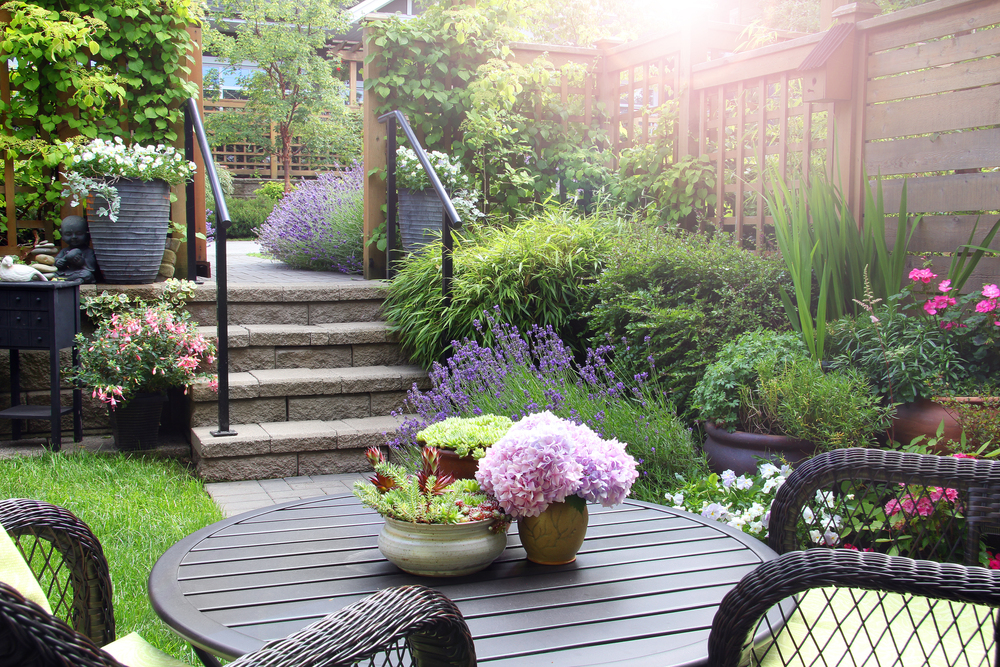
Spring is the time when many Australian homeowners start spending more time outdoors. Whether you have a small courtyard, a backyard, deck or entertaining area, a little maintenance after winter can make your outdoor spaces safer, cleaner and more enjoyable.
Winter rain, wind and damp conditions can leave outdoor areas looking worse for wear. Timber can deteriorate, fences can become unstable, gardens can become overgrown and outdoor surfaces can collect dirt and mould.
So, how do you prepare your outdoor areas for spring?
Start by inspecting your deck, fences, garden, paving and outdoor structures for winter damage. Then clean, repair and refresh anything that needs attention before summer arrives.
Outdoor maintenance is just one part of getting your home ready for the warmer months. For a complete checklist, see our full article on spring home maintenance checklist.
1. Start with a walk around your outdoor areas
Before getting stuck into cleaning, walk around your entire property and look for signs of damage. Check your:
- Decking
- Fences and gates
- Paving
- Driveways
- Pergolas
- Patios
- Retaining walls
- Garden beds
- Outdoor stairs
- Sheds and other structures
Look for cracks, loose materials, mould, rot, rust, water damage and anything that looks unstable. It's easier to make a list of jobs first than discover another problem halfway through your spring clean.
2. Inspect your decking
Winter moisture can be hard on timber decking.
Walk across the deck and look for soft, rotten or cracked boards. Check for loose nails, screws, railings and other fixings.
You should also look for mould, moss and areas where water tends to pool.
Don't ignore timber that feels unusually soft or unstable underfoot. It could indicate deterioration underneath the surface.
For larger repairs, a carpenter or decking professional can assess the condition of the timber and determine whether individual boards can be repaired or replaced.
3. Clean your deck and outdoor surfaces

Once you've checked for damage, give your outdoor surfaces a thorough clean.
Dirt, leaves, mould and other debris can build up over winter, particularly in shaded or damp areas.
Depending on the surface, you might clean:
- Decking
- Paving
- Concrete
- Outdoor tiles
- Driveways
- Paths
- Patios
Pressure cleaning can be useful for removing built-up dirt and grime, but different surfaces require different cleaning methods.
If you're unsure how to clean a particular material without damaging it, consider getting a professional pressure cleaner to handle the job.
4. Check your fences and gates
Your fence has spent months exposed to wind and rain, so spring is a good time to check its condition.
Look for leaning posts, loose panels, rotten timber, rusted hardware and damaged sections.
Test your gates to make sure they open, close and latch properly.
Small repairs may be relatively straightforward, but a fence that is leaning significantly could indicate a problem with its posts or foundations.
Getting damaged sections repaired early can help prevent a small issue from becoming a full fence replacement.
5. Inspect retaining walls
Retaining walls can be particularly important after a wet winter.
Look for obvious signs of movement, cracking, bulging or leaning. Pay attention to drainage as well, particularly if water is pooling behind or around the wall.
Don't attempt to repair a retaining wall if you're unsure about its stability. Structural or drainage problems may require assessment by an appropriately qualified professional.
If you're concerned that a retaining wall is moving or failing, organise an inspection with a licensed builder before the problem gets worse.
6. Get your garden back under control
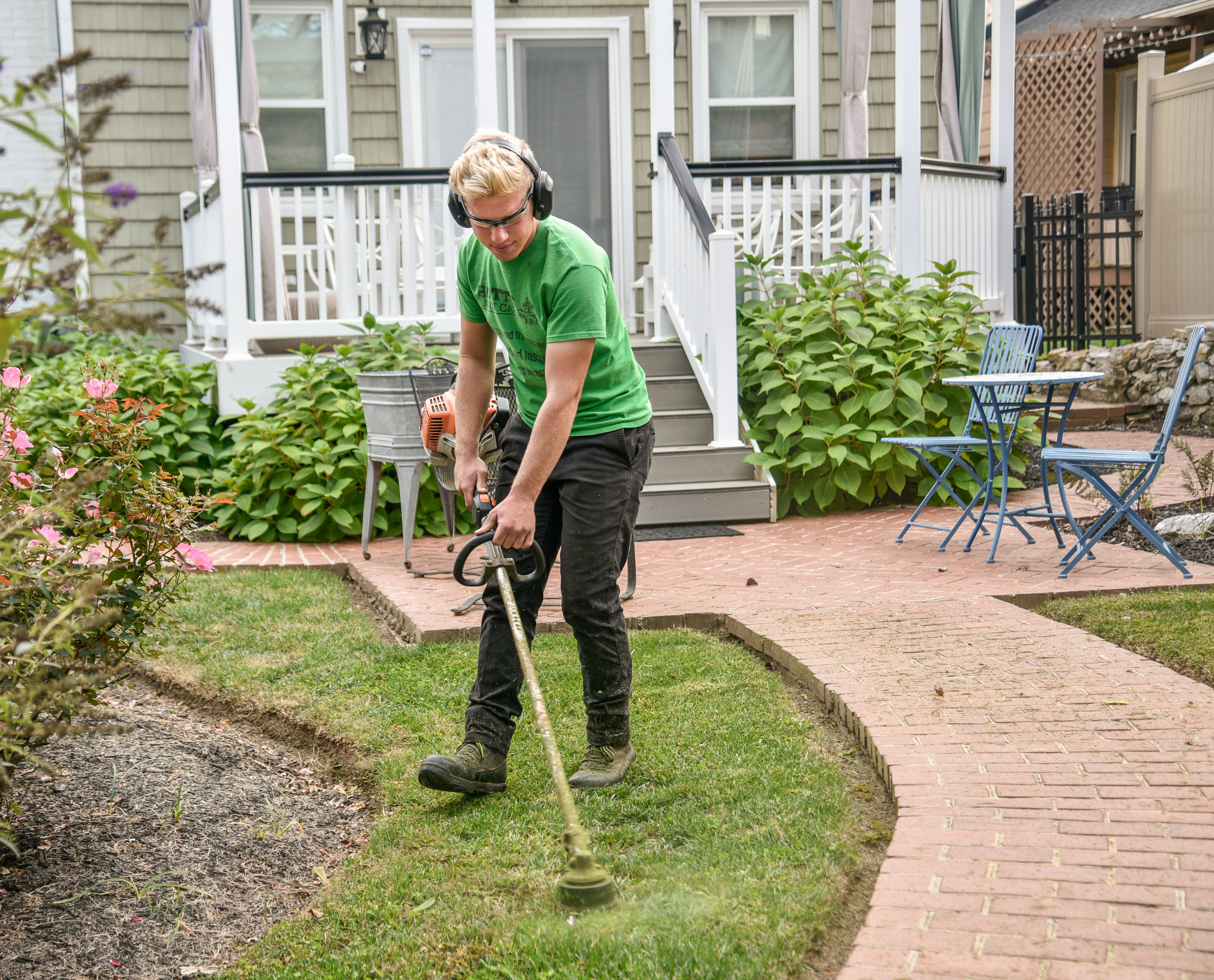
Spring is when gardens really start growing again, so it's worth getting on top of things early.
Remove dead plants and branches, trim overgrown growth and clear weeds from garden beds and paths. You can also refresh garden beds with mulch and prepare areas for new seasonal planting.
Pay particular attention to plants growing close to your home's walls, roof or gutters. Overgrown vegetation can contribute to dampness and make it easier for leaves and debris to accumulate around the property.
If your garden has become difficult to manage over winter, a professional gardener can help get it back into shape.
7. Check your trees and branches
Winter storms and strong winds can leave trees with broken or weakened branches.
Inspect trees around your property for dead, damaged or unstable branches, particularly those hanging over your roof, driveway, deck or entertaining areas.
Don't attempt to cut down large branches or trees yourself. Tree work can be dangerous and may require specialist equipment and knowledge.
A qualified arborist can assess the tree and determine what pruning or removal work is appropriate.
It's particularly worth addressing potential hazards before summer storms bring more strong winds.
8. Check outdoor lighting and electrical fixtures
Spring is also a good time to inspect outdoor lighting and electrical fixtures.
Check for cracked fittings, exposed wiring, loose fixtures or lights that aren't working properly.
Don't attempt to repair electrical wiring yourself. If something appears damaged or unsafe, switch it off if it can be done safely and arrange for a licensed electrician to inspect it.
You can also think about whether your outdoor entertaining areas need additional lighting before summer gatherings begin.
9. Inspect your pergola, patio and outdoor structures

Don't forget the structures that make your outdoor areas usable. Check pergolas, patios, verandahs, awnings and other outdoor structures for signs of damage.
Look for:
- Rust or corrosion
- Cracked materials
- Loose fixings
- Water damage
- Sagging sections
- Damaged roofing
- Mould or deterioration
If anything looks unstable, avoid using the area until it has been properly assessed.
A carpenter, builder or other appropriate professional can help determine whether repairs are needed.
10. Clean and inspect outdoor furniture
Outdoor furniture can accumulate plenty of dirt and grime during winter.
Give tables, chairs, cushions and other furniture a thorough clean and check for damage. For timber furniture, look for cracking, rot and signs of mould. For metal furniture, check for rust and corrosion.
If furniture has been stored away, make sure it's dry and in good condition before bringing it back outside.
Spring is also a good time to check your BBQ and outdoor entertaining area so everything is ready before the weather warms up.
11. Check drainage around your outdoor areas
Good drainage is important for protecting both your home and outdoor spaces.
After rain, look for areas where water pools rather than draining away. Check paths, garden beds, patios and areas around sheds and other structures.
Blocked drains, poor grading or damaged drainage systems can contribute to waterlogging, erosion and other problems.
If water regularly collects in the same area, don't simply keep cleaning it up. A drainage professional or plumber may be able to identify and fix the underlying problem.
12. Repair and refresh before summer
Once you've finished your inspection, work through your list and prioritise repairs. Deal with safety issues and structural problems first. Then move on to cleaning, painting, gardening and other cosmetic improvements.
Some jobs are easy DIY projects, while others are better left to professionals.
You can use ServiceSeeking.com.au to find local tradies for outdoor jobs such as gardening, carpentry, fencing, pressure cleaning, electrical work and other home maintenance.
Post your job, receive quotes and compare your options before choosing the professional that's right for your project.
Get your outdoor areas ready for spring
Preparing your outdoor areas for spring doesn't mean you need to completely overhaul your backyard.
Start by checking for winter damage, clean away built-up dirt and debris, and deal with anything that could become a safety or maintenance problem.
Your outdoor spaces are only one part of your home's spring maintenance. Once you've finished outside, work through the rest of your spring home maintenance checklist to make sure your roof, gutters, windows, doors and other areas are ready for the warmer months.