Painting
This year’s colour trends aren’t about short-lived fads. Here’s what we’re seeing take off across homes from terraces to new builds.
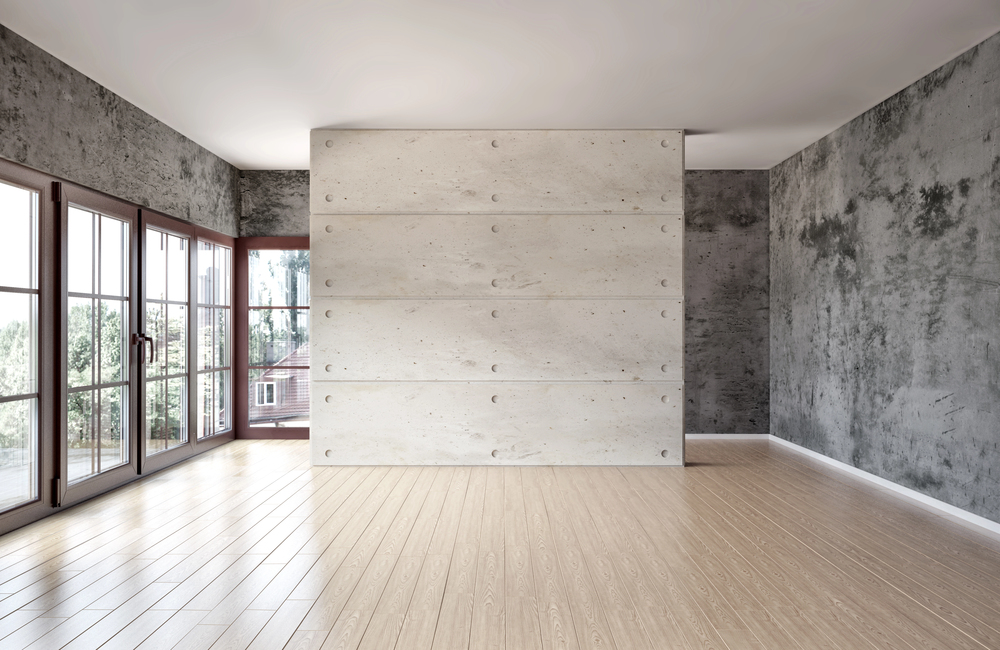
2026 Paint Colours Aussies Will Be Using All Year
If you’re thinking about giving your place a freshen-up in 2026, you’re not alone. A new coat of paint is still one of the quickest, most cost-effective ways to transform a home — whether you’re prepping to sell, settling into a new place, or just sick of staring at the same four walls.
This year’s colour trends aren’t about flashy, short-lived fads. They’re practical, liveable and very “Aussie” — designed to handle our light, our climate and our relaxed lifestyle. Here’s what we’re seeing take off across homes from Sydney terraces to Perth new builds.
1. Warm Neutrals (Goodbye Stark White)
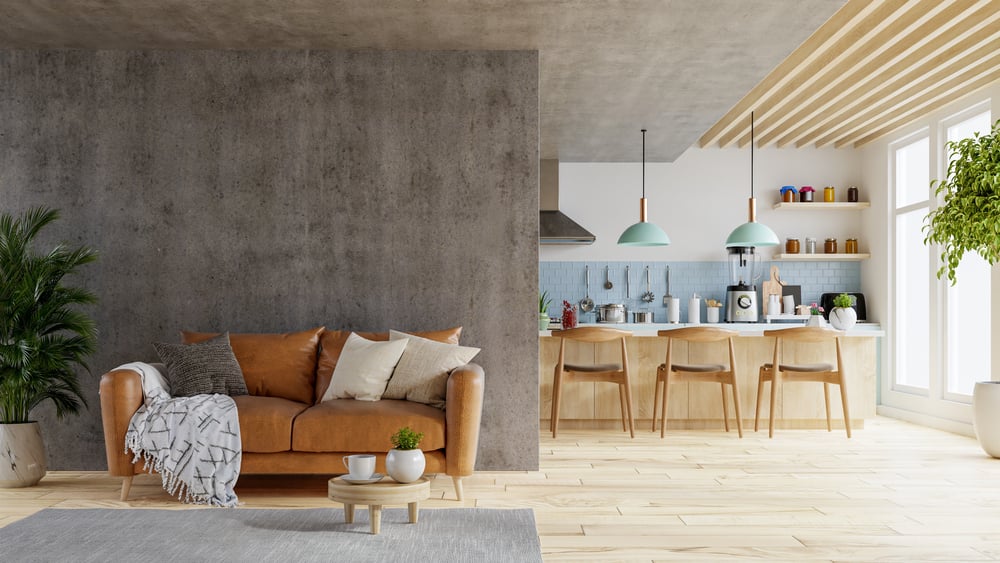
Cool greys and bright whites had a long run, but in 2026, Aussies are warming things up.
Think:
- Creamy whites
- Soft oat and linen tones
- Light mushroom and greige (grey + beige)
- Earth tones
These shades work beautifully with natural timber floors, rattan furniture and brushed brass finishes. They also handle Australia’s strong sunlight better than stark white, which can feel harsh and clinical in bright conditions.
Warm neutrals are especially popular in open-plan living areas. They make spaces feel cosy without being dark — perfect for homes where the kitchen, dining and lounge all flow together.
Why it works: It’s safe without being boring. If you’re unsure where to start, a professional painter can help you test tones against your lighting before you commit to painting the whole house.
2. Earthy Greens (Inspired by the Bush)
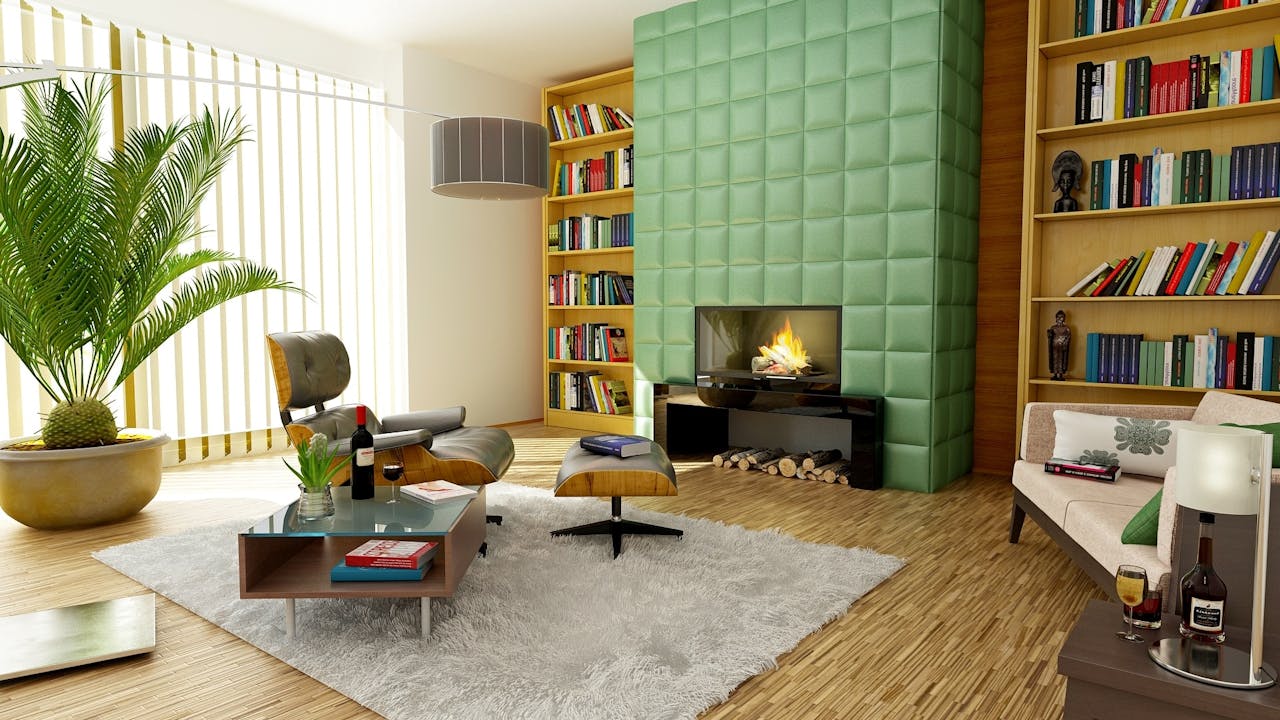
Green continues to dominate in 2026, but we’re seeing deeper, more grounded tones.
Popular picks include:
- Eucalyptus
- Olive
- Muted sage
- Deep gumleaf
These colours suit Australian homes brilliantly. They connect indoor spaces with the outdoors — ideal if you’ve got large windows, a garden outlook, or bi-fold doors opening to a deck.
Softer greens work well in bedrooms and bathrooms for a calming effect, while deeper tones are being used confidently in studies, dining rooms and even cabinetry.
Pro tip: Darker greens need proper prep and even application to avoid patchiness. Hiring an experienced painter ensures smooth coverage and sharp edges, especially if you’re pairing green walls with crisp trims.
3. Coastal Blues (But Grown Up)
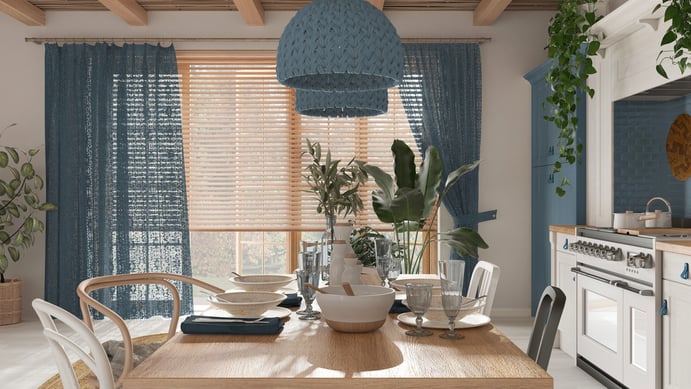
We’ll always love coastal tones, but 2026’s blues are more sophisticated than the bright Hamptons blues of years past.
Expect:
- Dusty blue-greys
- Stormy navy
- Muted ocean tones
These shades look brilliant in Australian light and pair beautifully with white trims, stone benchtops and light timber.
Navy feature walls are also trending in living rooms and bedrooms — bold but still timeless. When done properly, a deep blue can add serious impact without overwhelming a space.
That said, darker colours show brush marks and roller lines more easily. This is one of those jobs where the difference between DIY and professional work is obvious.
4. Clay and Terracotta (Warm, Relaxed, Very Now)
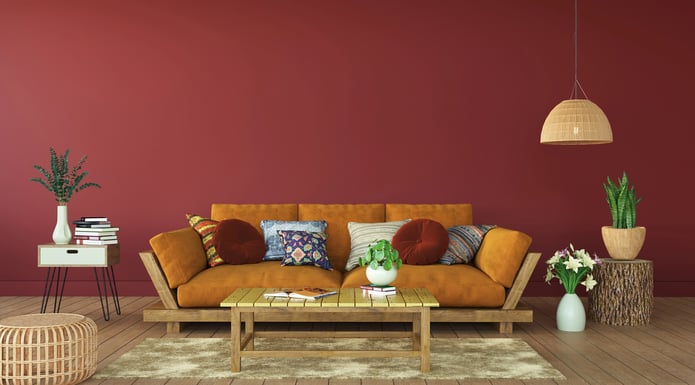
Australia’s landscape is full of warm earth tones, and that’s flowing into interiors in a big way.
Clay, terracotta and muted rust shades are popping up in:
- Entryways
- Powder rooms
- Alfresco areas
- Feature niches
They bring warmth and personality, especially in modern homes that might otherwise feel a bit flat.
These colours work particularly well with textured finishes — think limewash or matte walls. If you’re considering a specialty finish, it’s worth bringing in a professional painter. Decorative techniques require skill, patience and the right tools.
5. Soft Charcoal (Instead of Black)
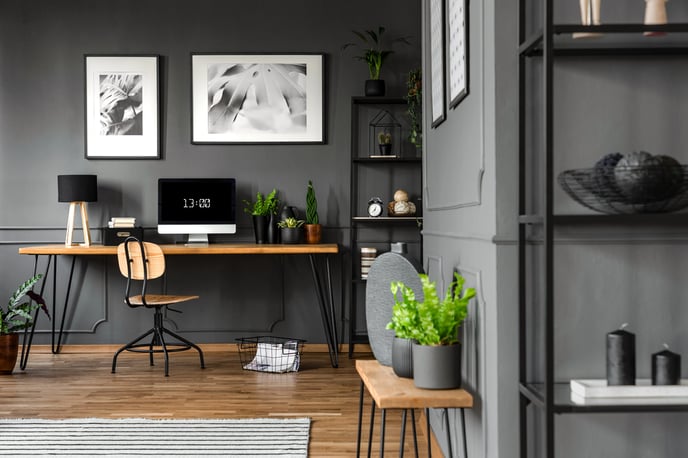
Black feature walls had their moment. In 2026, soft charcoal is taking over.
It’s deep and dramatic, but not as stark. Charcoal works beautifully on:
- Exterior cladding
- Front doors
- Window trims
- Media rooms
On exteriors, charcoal contrasts beautifully with timber, stone and light render — a popular combo in new Australian builds.
Exterior painting, though, is not a weekend job. Between weather conditions, prep work and safety concerns, it’s one of those projects best left to licensed tradies.
6. Two-Tone Walls and Subtle Contrast
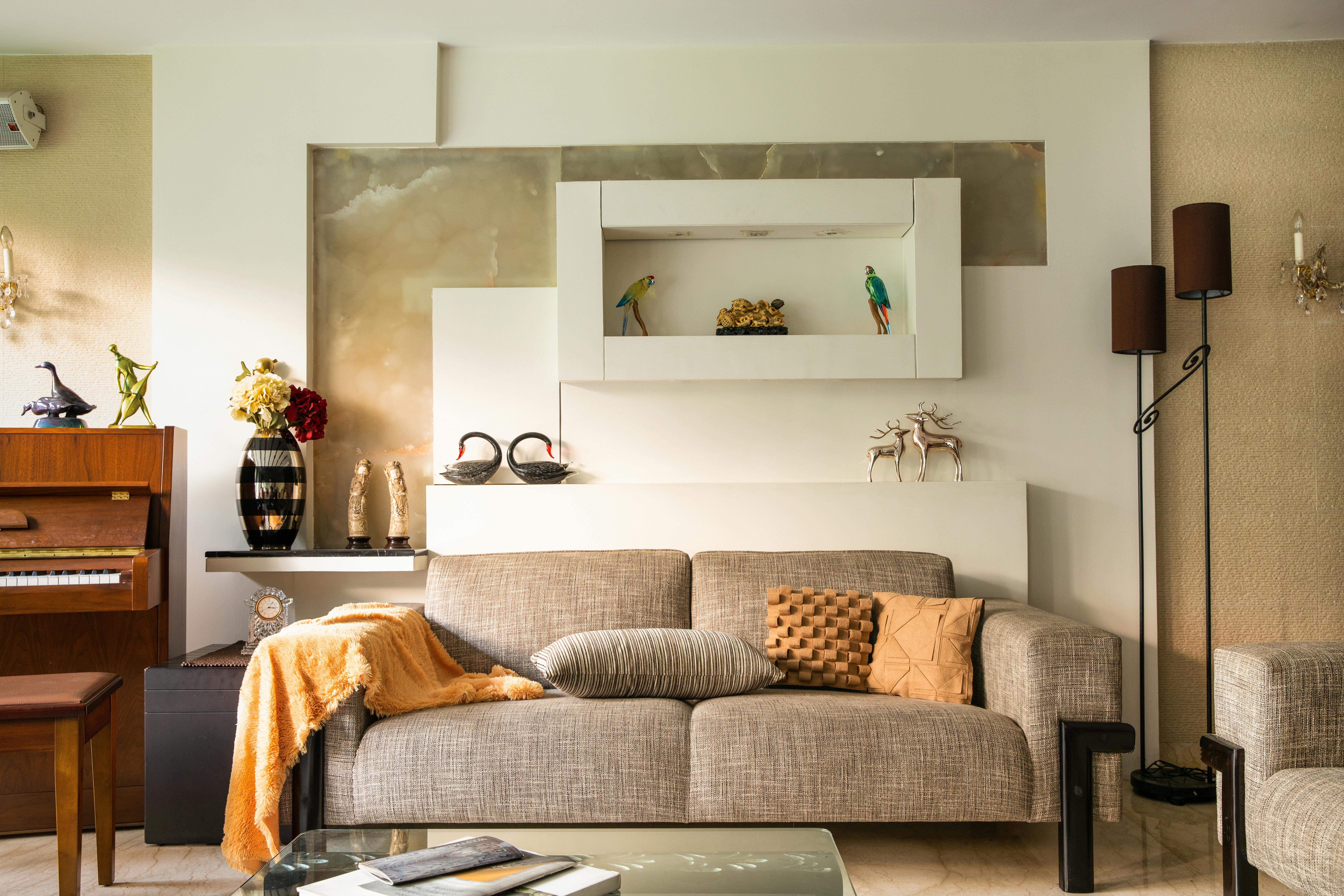
Another trend we’re seeing more of this year? Subtle contrast.
Instead of one flat colour throughout the house, homeowners are:
- Painting trims slightly darker than walls
- Using a soft contrast between adjoining rooms
- Creating low-line two-tone walls for interest
This approach adds depth without feeling busy. It’s also a smart way to zone open-plan areas without building walls.
Clean lines are critical here. Uneven edges or bleeding paint will ruin the effect — which is why professional prep and careful cutting-in make all the difference.
7. Ceiling Colour Is Back
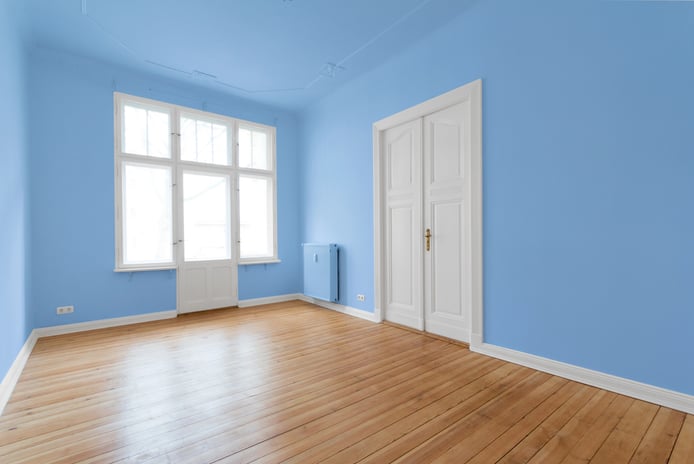
White ceilings aren’t mandatory anymore.
In 2026, we’re seeing:
- Soft tinted ceilings
- Pale blush or warm beige overhead
- Even subtle blue-grey tones in bedrooms
Painting ceilings anything other than white can completely change how a room feels — making it warmer, cosier or more cohesive.
But ceilings are physically demanding to paint and easy to mess up. Drips, uneven coverage and roller marks stand out quickly. If you value your shoulders (and your sanity), it might be worth calling in a pro.
Choosing the Right Colour for Your Home
Trends are helpful, but your home’s style, lighting and layout matter more than what’s popular.
Before you choose:
- Test samples properly. Paint large swatches and view them at different times of day.
- Consider your flooring and cabinetry. Undertones matter more than you think.
- Think long-term. Will you still love it in five years?
- Factor in resale value. If selling soon, stick to broad-appeal tones.
Professional painters often have experience across dozens (or hundreds) of homes and can provide practical advice beyond what a tiny paint chip shows you.
DIY vs Hiring a Professional Painter
Painting looks straightforward — until you’re halfway through with sore arms, uneven lines and paint on the skirting boards.
Common DIY pitfalls include:
- Skipping proper prep
- Not sanding or priming correctly
- Using the wrong roller nap
- Underestimating how much paint is needed
- Patchy coverage, especially with darker colours
A qualified painter will:
- Properly prepare and repair surfaces
- Protect floors and furniture
- Deliver crisp lines and smooth finishes
- Finish faster (and cleaner) than most DIY jobs
If you’re investing in trending colours to modernise your home, it makes sense to ensure the finish matches the vision.
Finding the Right Tradie for the Job
Whether you’re repainting a single room or your entire exterior, choosing the right painter is key.
Look for:
- Verified reviews
- Clear, written quotes
- Examples of previous work
- Proper licensing and insurance
Using a trusted marketplace like ServiceSeeking.com.au makes it easy to compare local painters, read genuine feedback, and get multiple quotes without chasing tradies individually.
Instead of ringing around and waiting for callbacks, you can post your job once and let experienced professionals get in touch. It’s a smarter way to find someone who fits your budget and timeline.
Final Thoughts
The paint colours Aussies are loving in 2026 reflect how we live: relaxed, warm, connected to nature and practical.
From earthy greens and clay tones to soft charcoals and cosy neutrals, this year’s palette is all about comfort with character. And while picking the right colour is exciting, the real magic is in the execution.
A beautifully painted room can lift your entire home. A rushed DIY job? Not so much.
If you’re ready to refresh your space, consider getting a few quotes from experienced local painters through ServiceSeeking.com.au. It’s an easy way to turn colour inspiration into a finish you’ll love all year — and probably for many more to come.