Landscaping and Gardening
No matter the type of noise, there are practical acoustic fixes that can make your home noticeably quieter and more comfortable. Read on.
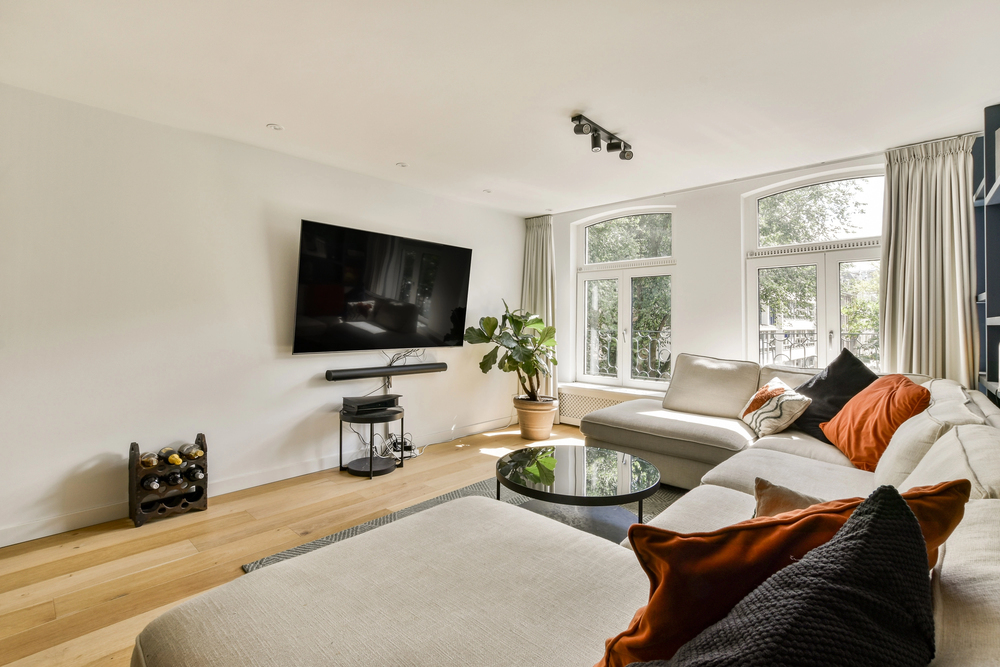
If you’ve ever tried to take a Zoom call while the neighbour’s mower is going full throttle, or attempted a Sunday sleep-in with traffic humming outside your window, you’ll know one thing: noise travels.
And in many Aussie homes — especially newer builds with open-plan layouts — sound bounces around like it owns the place.
The good news? You don’t have to put up with it. Whether it’s street noise, echoey rooms, loud plumbing, or thin walls between bedrooms, there are practical acoustic fixes that can make your home noticeably quieter and more comfortable. Let’s break it down.
1. Soft Furnishings: The Quick (and Affordable) Win
Before knocking down walls or ripping up plasterboard, start simple.
Hard surfaces — timber floors, tiles, glass, plasterboard — reflect sound. That’s why open-plan living areas can feel echoey. Adding soft materials absorbs sound and reduces reverberation.
Think:
- Thick curtains (especially blockout)
- Rugs with underlay
- Fabric lounges
- Upholstered bedheads
- Bookshelves filled with, well… books
These changes won’t block out a jackhammer next door, but they’ll reduce echo and make rooms feel calmer instantly.
If your noise issue is mostly internal (kids in the lounge, TV bouncing around the room), this might be enough.
2. Seal the Gaps (You’d Be Surprised)
Sound sneaks through tiny openings. Door gaps, window frames, even small cracks around skirting boards can let in more noise than you’d expect.
Installing:
- Door seals
- Door sweeps
- Acoustic sealant around windows
- Weatherstripping
…can significantly reduce outside noise creeping in.
This is a relatively low-cost job that a handyman can knock over quickly. And it’s especially effective in older Aussie homes where things have shifted over time.
3. Upgrade to Double Glazing
If traffic noise, barking dogs, or late-night rev-heads are your main issue, your windows are often the culprit.
Single-pane glass doesn’t do much to stop external sound. Double-glazed windows create an insulated barrier that reduces noise and improves energy efficiency at the same time.
It’s not the cheapest fix, but if you live near a busy road, train line, or in a high-density suburb, it can be a game-changer.
A qualified window installer can assess your current setup and advise whether full replacement or secondary glazing is the better option for your home.
4. Insulate Internal Walls

Ever feel like your teenager’s playlist is playing in every room?
That’s because many internal walls in Australian homes have little to no insulation. Adding acoustic insulation batts inside walls dramatically reduces sound transfer between rooms.
This is especially useful for:
- Home offices
- Nurseries
- Shared walls in townhouses
- Media rooms
It does involve opening up walls, so it’s a job for experienced tradies — typically carpenters or plasterers working alongside insulation specialists.
If you’re already planning a reno, this is the perfect time to add it in.
5. Install Acoustic Panels
Acoustic panels aren’t just for recording studios anymore. Modern designs look sleek and can double as decorative features.
They’re ideal for:
- Home offices
- Open-plan living areas
- Media rooms
- Apartments with echo issues
Panels absorb mid- to high-frequency sounds, reducing echo and improving clarity.
If you’re unsure about placement, a professional installer can help determine the right panel type, density, and location for your space.
6. Solid Core Doors Make a Difference
Most internal doors in Aussie homes are hollow-core. They’re lightweight and affordable — but not great for soundproofing. Swapping them for solid-core doors can significantly reduce noise transfer between rooms.
It’s a small upgrade that often delivers surprisingly big results, particularly for bedrooms and studies. A carpenter can handle the replacement, ensuring proper fit and sealing for maximum effect.
7. Soundproofing Floors (Upstairs Noise Fix)
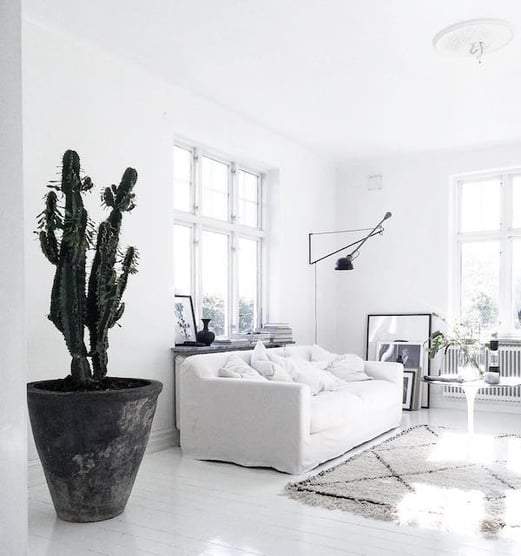
If you live in a double-storey home or apartment, footstep noise can be a major headache.
Options include:
- Acoustic underlay beneath timber or laminate flooring
- Carpet with thick underlay
- Floating floors that are designed for impact noise reduction
For apartments, body corporate rules may apply, so always check before making changes.
Flooring specialists can recommend compliant materials that reduce impact noise without compromising on style.
8. Plumbing Noise? Wrap It
Ever heard that loud water rush through pipes in the wall?
Plumbing noise is common, especially in bathrooms and kitchens located near bedrooms. Pipes can be wrapped in acoustic lagging to reduce vibration and sound transfer.
It’s a straightforward job for a plumber and can make early-morning showers far less disruptive.
9. Consider a Full Acoustic Assessment
If noise is seriously impacting your comfort — or you’re building or renovating — it may be worth consulting an acoustic professional.
They can:
- Identify the main noise source
- Test sound transmission
- Recommend tailored solutions
Rather than guessing and spending money on fixes that only partially work, you get a clear plan.
Why Professional Installation Matters
DIY solutions can help — but proper soundproofing often requires precision.
Incorrectly installed insulation, poorly sealed gaps, or mismatched materials can reduce effectiveness. Worse, you might spend money twice fixing mistakes.
Experienced tradies understand:
- Building codes
- Material ratings
- Installation techniques
- Structural considerations
They’ll know whether your issue needs insulation, sealing, glazing, or structural adjustments — and they’ll get it right the first time.
Noise in Aussie Homes: A Growing Issue
As our suburbs get denser and more of us work from home, sound control matters more than ever.
Apartments are closer together. Townhouses share walls. Home offices need quiet. And open-plan designs, while beautiful, can amplify noise.
Investing in acoustic improvements isn’t just about comfort — it can also:
- Improve sleep quality
- Increase property appeal
- Boost home office productivity
- Reduce stress
And that’s value you’ll feel every day.
Finding the Right Tradie for the Job
Acoustic fixes can involve:
- Carpenters
- Plasterers
- Insulation installers
- Window specialists
- Plumbers
- Flooring experts
Instead of calling around one by one, you can post your job and compare quotes from verified local professionals.
That’s where ServiceSeeking.com.au makes things simple.
You describe the noise issue, outline your budget, and local tradies get in touch with quotes. You can review profiles, check feedback, and choose the right person for your project — whether it’s a small sealing job or a full soundproofing upgrade.
No guesswork. No endless Googling. Just straightforward options from tradies who know their stuff.
The Bottom Line
Noisy homes aren’t just annoying — they affect how you live, work, and rest.
The right acoustic fix depends on your specific issue. Sometimes it’s as simple as sealing gaps and adding soft furnishings. Other times, it requires insulation upgrades or window replacements.
Either way, the solution doesn’t have to be complicated. With the right advice and skilled tradies, you can turn your home into a quieter, more peaceful space — and finally enjoy that Sunday sleep-in.
Ready to silence the noise? Post your job on ServiceSeeking.com.au and find the right tradie to get it sorted.