Explore bathroom trends 2026, from spa-style layouts to smart tech and warm finishes. A practical guide for homeowners planning a renovation.
Bathroom trends 2026 are moving towards comfort, function, and personal style. For homeowners, this means spaces that feel considered without losing practicality. Layouts, materials, and finishes are evolving, with a stronger focus on how the bathroom is used every day.
If you are planning a renovation, understanding these trends can help you make decisions that suit both your lifestyle and your home’s long-term value.
Spa-style bathrooms at home
Bathrooms are increasingly designed to feel calm and comfortable. The focus is on creating a space where daily routines feel more relaxed rather than rushed.
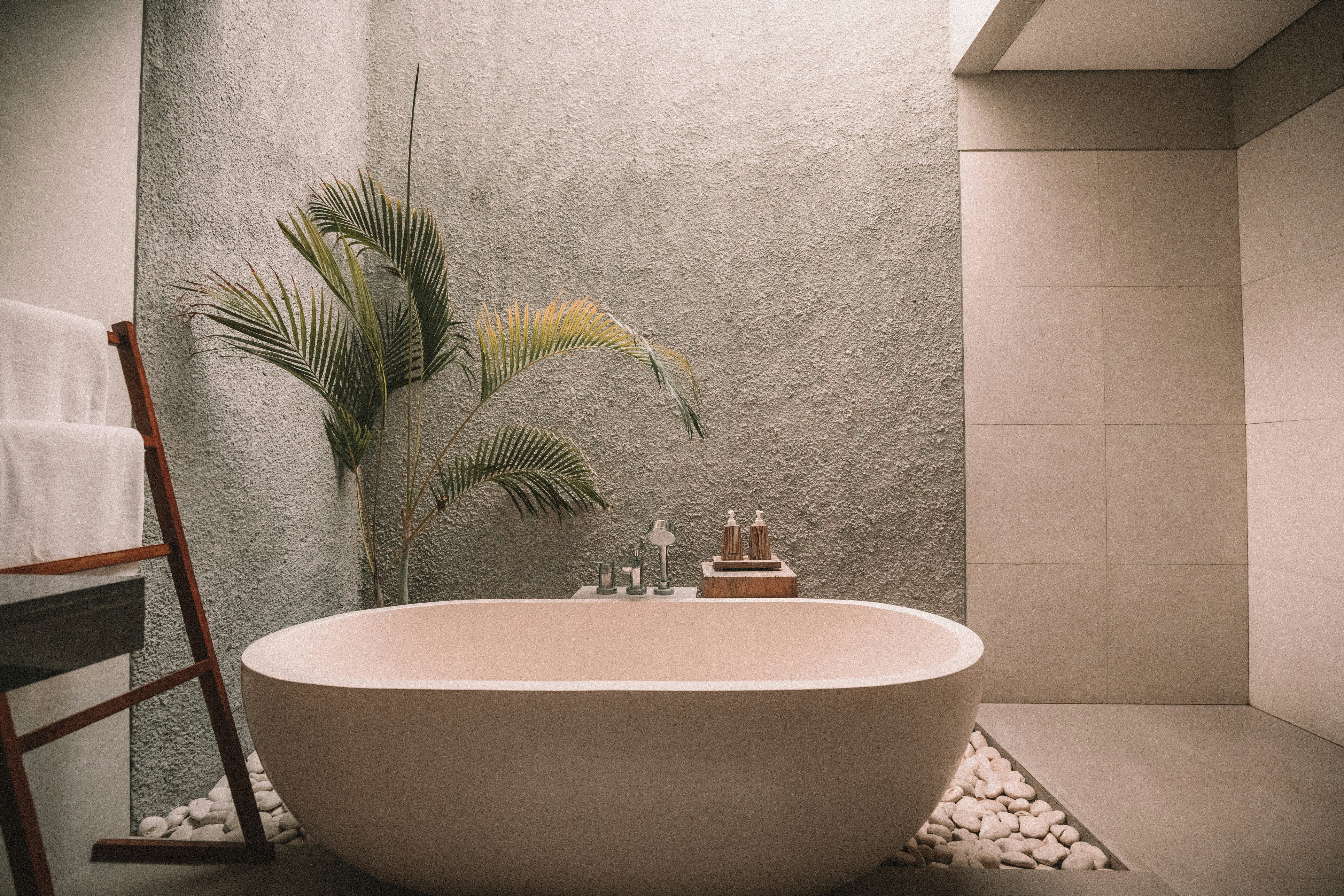
Expect to see deep soaking baths, walk-in showers, and simple layouts that prioritise movement and ease of use. Finishes are more restrained, with fewer materials used more deliberately.
Texture plays a role here. Matte tiles, natural stone, and soft lighting help create a quieter look without adding visual clutter.
Wellness features becoming standard
Wellness is influencing how bathrooms are designed. It is not limited to luxury builds either, as more homeowners are including practical upgrades that improve comfort.
Common features include:
- Steam showers and rain showerheads
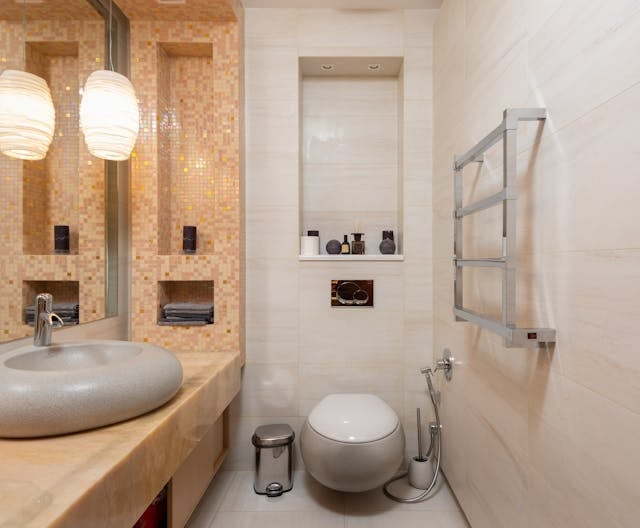
- Heated towel rails and underfloor heating
- Smart toilets with hygiene functions
- Better ventilation and airflow systems
These additions are often integrated into the layout early in the design stage. This helps ensure the space remains cohesive rather than feeling like features have been added later.
Warmer colour palettes
The all-white bathroom is becoming less common. In its place are warmer, more natural tones that add depth without overwhelming the space.
Popular colours include:
- Terracotta and clay tones
- Olive and deep greens
- Soft browns and warm neutrals
- Charcoal for contrast
These colours work well when paired with natural materials such as timber or stone. The result is a bathroom that feels more grounded and less clinical.
Natural materials and layered finishes
Materials are being chosen for both durability and appearance. There is a shift towards finishes that age well and offer subtle variation.
You will often see:
- Stone or stone-look benchtops
- Timber vanities in lighter or mid-tone finishes
- Textured tiles such as fluted or handmade styles
- Brushed metals instead of high-gloss chrome
Layering these materials creates interest without relying on bold patterns. The goal is to keep the design balanced while still giving it character.
Curves and softer shapes
Straight lines are being softened with curves in key elements. This helps make bathrooms feel more relaxed and less rigid.
Examples include:
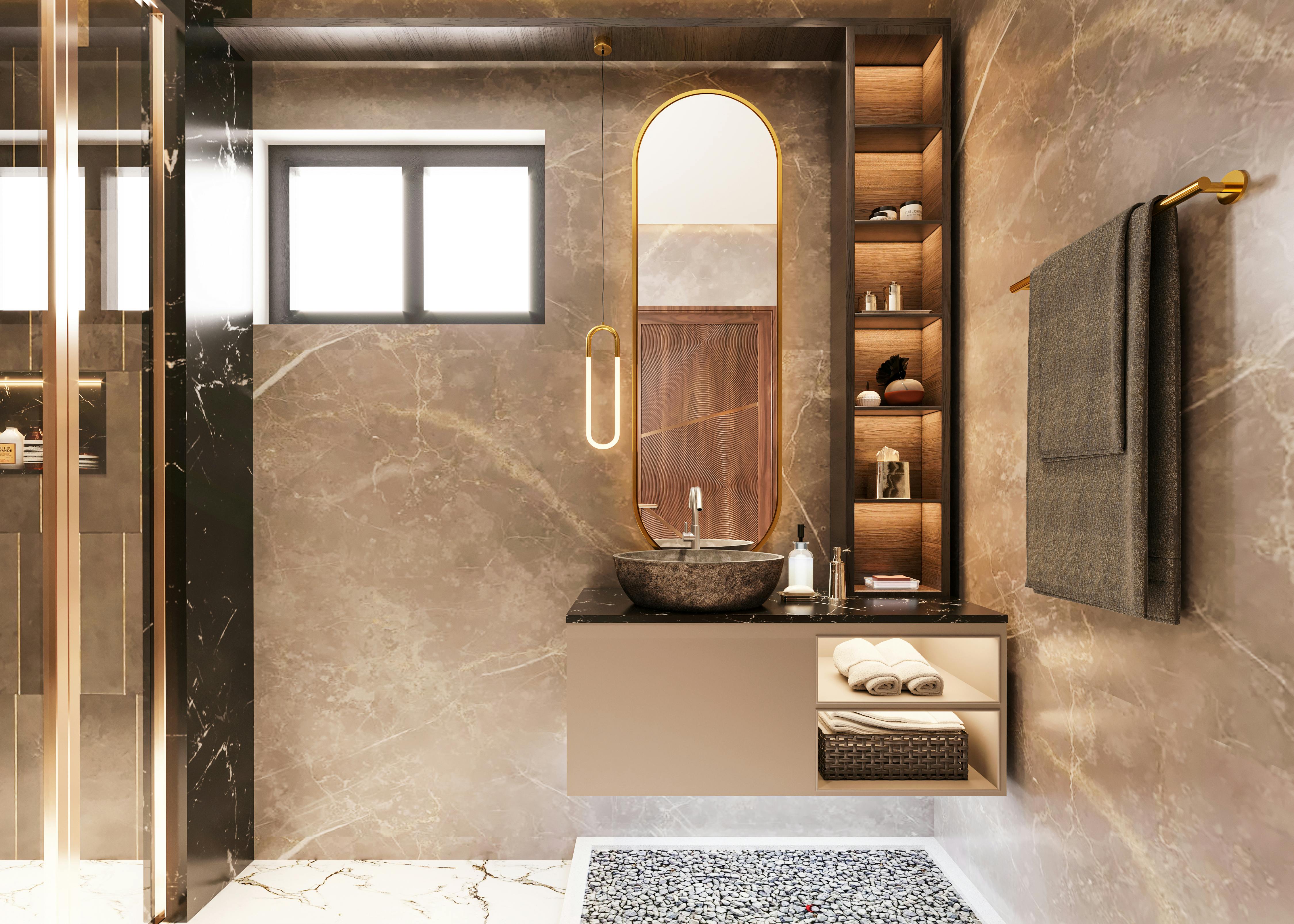
- Rounded mirrors
- Curved or freestanding bathtubs
- Arched shower screens or niches
- Fluted or rounded-edge vanities
These shapes are often combined with more structured elements, such as rectangular tiles, to keep the design from feeling too uniform.
Bathrooms that feel like part of the home
Bathrooms are being designed more like living spaces. Instead of being fully tiled from floor to ceiling, there is a mix of finishes and materials.
This can include:
- Feature lighting instead of standard fittings
- Furniture-style vanities or seating
- Decorative elements such as artwork or mirrors
- Timber or textured wall panels
This approach helps the bathroom feel more connected to the rest of the home, especially in open-plan or contemporary layouts.
Smarter use of space
With many homes working within limited floor areas, layout planning is becoming more refined.
Design solutions include:
- Built-in shower niches for storage
- Half walls that separate zones without closing them off
- Wall-mounted fixtures to free up floor space
- Compact vanities with integrated storage
These features improve usability while keeping the room easy to maintain.
Smart technology in bathrooms
Technology is becoming more common, but the focus is on practical benefits rather than novelty.
You may see:
- Smart mirrors with lighting and display features
- Voice-controlled showers
- Automatic lighting and ventilation
- Touchless taps and flushing systems
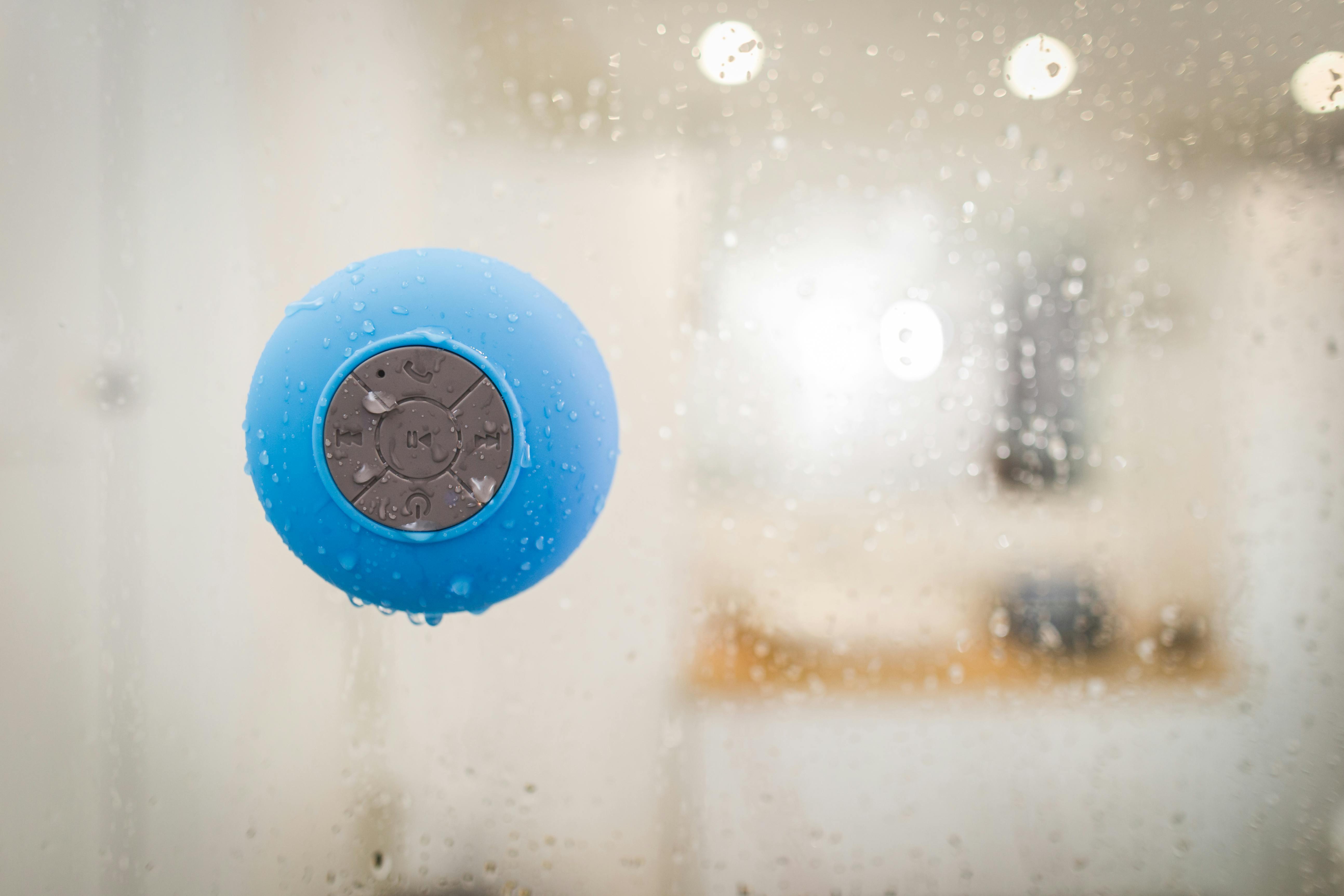
These additions can improve convenience and hygiene, particularly in busy households.
Statement details and finishes
While many bathrooms lean towards simplicity, there is still room for detail. Homeowners are choosing one or two elements to stand out rather than trying to make everything a feature.
Examples include:
- Bold tiles on a single wall or floor
- Statement stone with visible veining
- Feature tapware in brushed or warmer metallic tones
This approach allows the design to feel intentional without becoming overwhelming.
Why planning matters for these trends
Many of these bathroom trends 2026 rely on careful planning. Layout changes, integrated storage, and built-in features need to be considered early to work properly.
This is where working with experienced bathroom renovators can make a difference. A professional can help balance design ideas with practical requirements such as plumbing, waterproofing, and ventilation.
On ServiceSeeking.com.au, homeowners can compare quotes and connect with renovators who understand how to bring these trends into a functional space. It also helps ensure the finished bathroom aligns with current standards and lasts over time.