Explore budget-friendly fence ideas that suit Australian homes. Learn what affects fencing costs and how to choose a practical, affordable option.
Fences might not be the first thing homeowners get excited about, but they play an important role in how a property functions and looks. From defining boundaries and improving privacy to boosting street appeal and security, the right fence can make a real difference.
The good news is that creating a fence that looks neat and does its job does not have to stretch the budget. With the right materials, layout, and planning, there are plenty of budget-friendly fence ideas that suit Australian homes and conditions.
This guide walks through cost-effective fencing options, what influences the overall price, and how to choose a fence that works for your property without overcomplicating things.
What impacts the cost of fencing?
Before choosing a style or material, it helps to understand what actually drives fencing costs. It is not just about the panels or posts.
Fence height and length
The taller and longer the fence, the higher the material and labour costs. Taller and longer fences require more materials and labour, which increases the overall cost, especially when installed across large boundaries.
Design and layout
Straight fence lines are generally more affordable. Curves, stepped sections, or custom designs require more time and precision, which can increase costs.
Site conditions
Uneven ground, rocky soil, tree roots, or existing structures can add complexity. These conditions often require extra preparation and equipment.
Council requirements
Front fences and fences near streets must comply with local council height and placement rules. Requirements vary depending on the type of road and location, so checking this early can help avoid costly changes later.
Gates and extras
Gates, latches, and security hardware add to the overall cost. Even simple additions can affect the final price.
Ongoing maintenance
Some fencing materials are cheaper upfront but need more maintenance over time. Others cost slightly more initially but hold up better with minimal upkeep.

Choosing a fence based on its purpose
One of the biggest factors in choosing a fence is what you need it for. The most affordable option is not always the right one if it does not meet your needs.
- Privacy: Solid fencing options work best, especially for backyards and side boundaries
- Security: Height, durability, and secure gates matter more than decorative features
- Boundary definition: Simpler designs can work well when privacy is not the main goal
- Street frontage: Appearance and council compliance are key considerations
Matching the fence style to its purpose helps avoid unnecessary costs and redesigns.
Popular budget-friendly fence ideas
Below are some fencing options that are commonly chosen for their balance of cost, durability, and appearance.
Treated timber fencing
Treated timber remains a popular choice for Australian homes. It offers a natural look, works well for privacy, and suits many property styles. When installed properly, treated timber can last for years with basic maintenance.
This option is commonly used for side and rear fences and offers good value for homeowners looking for a classic finish.
Colorbond fencing
Colorbond fencing is known for its durability and clean appearance. It is resistant to weather and does not require regular painting. While the upfront cost may be higher than some timber options, it can be cost-effective long-term due to its low maintenance.
It is also available in a range of colours, making it easy to match with existing home exteriors.
Wire and post fencing
For boundary marking or areas where full privacy is not required, wire fencing combined with timber or steel posts can be a practical solution. This option is often used on larger properties or garden boundaries.
It keeps costs down while still clearly defining property lines
Slat fencing systems
Prefabricated slat fencing systems offer a modern look and flexible height options. They are often quicker to install and can be a good compromise between privacy and affordability, depending on spacing and materials used.
Some systems are better suited to straight lines, so layout planning is important.
Front fence options
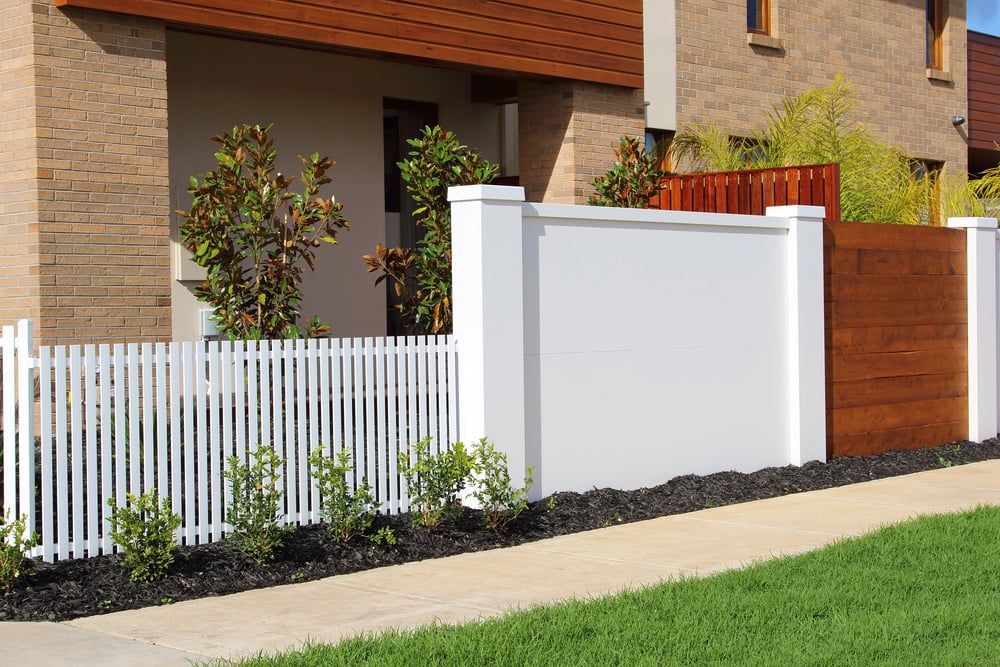
Front fences often have stricter height limits, especially on residential streets. Lower timber or metal designs can help manage costs while keeping the property compliant and visually appealing.
A well-planned front fence can improve street appeal without going over budget.
Budget planning tips for homeowners
Keeping fencing costs under control does not mean cutting corners. It is about smart planning.
- Choose a fence height that meets your needs without exceeding council limits
- Stick to simple layouts where possible
- Think about long-term upkeep, not just upfront pricing
- Consider how the fence fits with neighbouring properties and existing structures
An experienced fencer can help identify areas where savings are possible without compromising the final result.
Why professional installation still matters
Even when choosing budget-friendly fence ideas, professional installation makes a difference. Proper alignment, secure footings, and compliance with local regulations all affect how long a fence lasts and how it looks over time.
Hiring a qualified fencer also helps avoid issues with uneven ground, drainage, or boundary placement. This can save money and stress later on.
ServiceSeeking makes it easy to compare local fencing professionals, read reviews, and find someone who fits your budget and timeline. If you are planning a new fence or replacing an old one, connecting with experienced fencers through ServiceSeeking can help you explore budget-friendly options that are built to last.