Plumbing and Gasfitting
Carbon monoxide safety tips for autumn. Learn how gas heaters, fireplaces and generators can increase risk and when to book a licensed service.
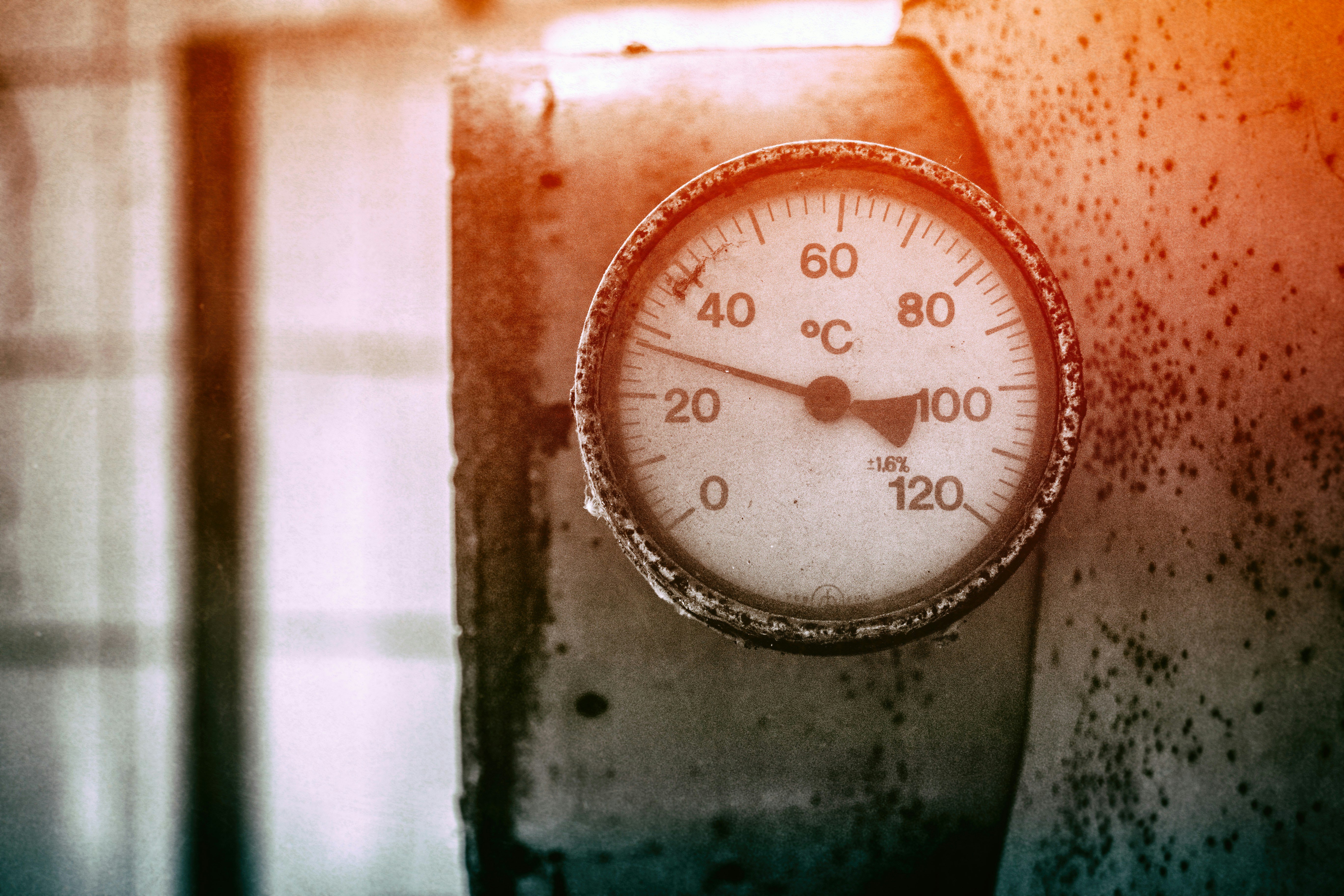
As temperatures drop across the country, heaters, fireplaces and gas appliances start working harder. Autumn is also when conversations about carbon monoxide safety become more relevant in homes. Carbon monoxide, often shortened to CO, is a colourless and odourless gas that can build up indoors when fuel-burning appliances are not working or venting properly.
The good news is that awareness and routine servicing significantly reduce risk. Here’s a straightforward update on what carbon monoxide is, why autumn increases exposure risk, and what homeowners should do.
Why Carbon Monoxide Risk Increases in Autumn
Carbon monoxide is produced whenever fuel is burned. In homes, common sources include:
- Gas heaters
- Gas cooktops and ovens
- Wood fireplaces
- Gas hot water systems
- Portable generators
- Charcoal burners
- Car exhaust from attached garages
During autumn, windows and doors are more likely to stay closed. Heating systems that have been idle for months are turned back on. In well-sealed, energy-efficient homes, ventilation is lower than in older properties. All of these factors can allow carbon monoxide to accumulate if an appliance is faulty or improperly vented.
What Is Carbon Monoxide and How Does It Affect the Body?
Carbon monoxide is produced by the incomplete combustion of gas, wood, coal or petrol. When inhaled, it enters the bloodstream and binds to haemoglobin. This reduces the blood’s ability to carry oxygen to vital organs.
At lower levels, symptoms can resemble common illnesses. At higher levels, exposure can become serious within a short period.
Common symptoms include:
- Headache
- Dizziness
- Nausea
- Fatigue
- Confusion
- Chest discomfort
Because these signs can feel similar to the flu, carbon monoxide exposure is sometimes overlooked. Children, older adults, pregnant women and people with heart or respiratory conditions are generally more sensitive to its effects.
Gas Heaters and Fireplaces: What to Watch For
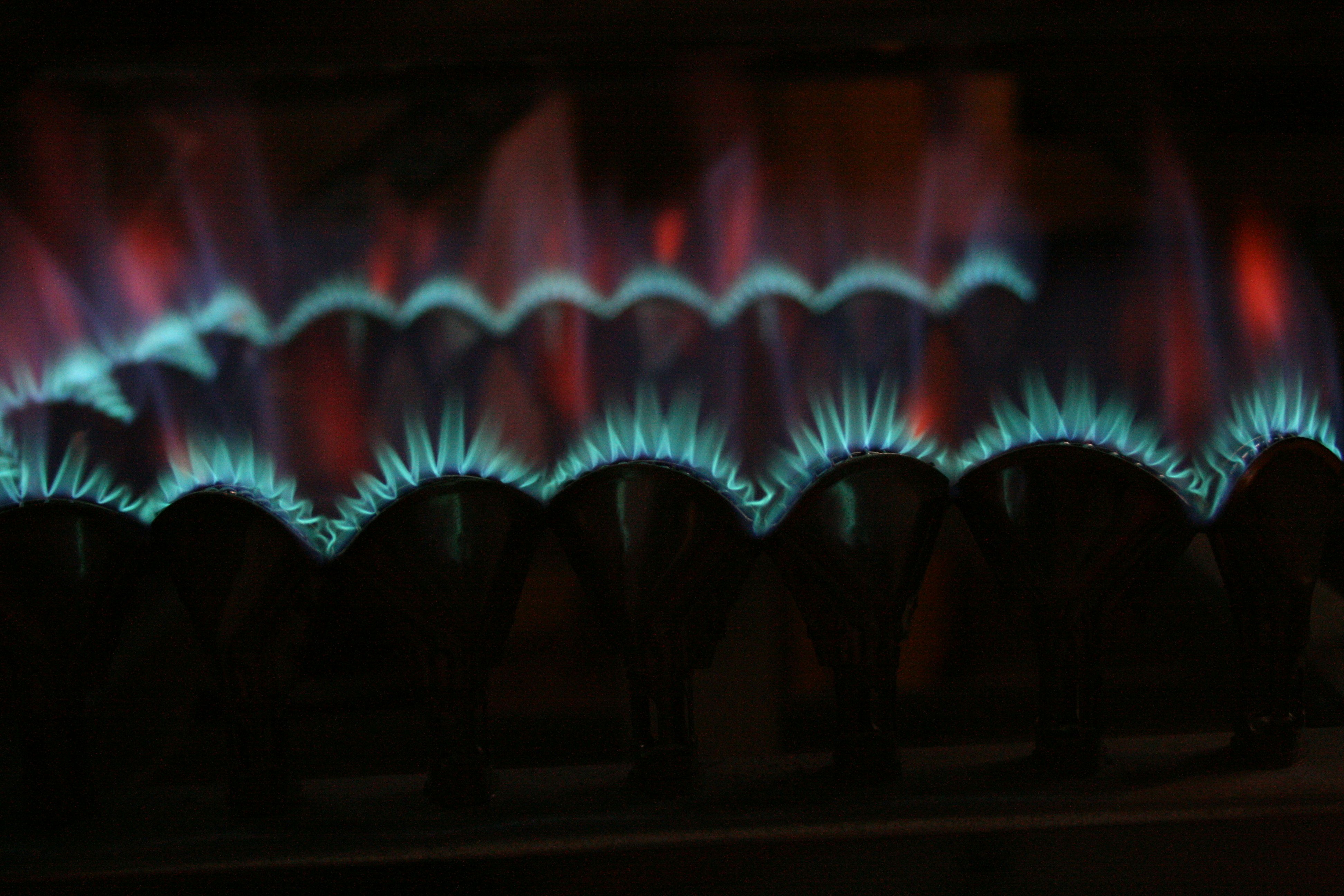
Gas heaters are among the most common contributors to carbon monoxide issues in homes. Both flued and unflued models can pose risks if they are damaged, ageing, or installed in spaces without sufficient airflow.
Open-flued heaters have received particular attention in recent years. Authorities such as Energy Safe Victoria have previously warned that older open-flued systems may not suit tightly sealed modern homes due to limited ventilation.
Wood fireplaces can also contribute to carbon monoxide build-up if chimneys are blocked or not drawing properly. Debris, soot or nesting animals can obstruct airflow and cause smoke and gases to move back into the home.
Autumn is the ideal time for homeowners to book a licensed gas fitter or heating technician to inspect and service these systems before winter demand peaks.
Portable Generators and Outdoor Heating Equipment
Storm activity can increase during autumn in some parts of Australia, leading to temporary power outages. Portable generators are useful but must always be used outdoors, well away from windows, doors and vents.
Running a generator in a garage, even with the door open, can allow carbon monoxide to enter living areas. Similarly, outdoor gas heaters and charcoal burners should never be used inside enclosed spaces.
Multiple incidents across Australia have been linked to outdoor heating equipment being brought indoors during cold weather. These appliances are not designed for indoor air quality control.
Attached Garages and Vehicle Exhaust
Another overlooked source of carbon monoxide is vehicle exhaust. Even short periods of idling in an attached garage can allow fumes to seep into the home.
Homeowners should:
- Avoid running vehicles in garages, even with the door open
- Ensure garage-to-house doors are properly sealed
- Have vehicle exhaust systems checked annually
For households with older cars, a licensed mechanic can inspect the exhaust system for leaks that may increase risk.
Carbon Monoxide Alarms: An Added Layer of Protection
Carbon monoxide alarms provide early warning if levels begin to rise. While regulations differ between states, installing battery-operated or hard-wired CO alarms near sleeping areas is widely recommended.
When selecting a unit, homeowners should:
- Choose a model certified to Australian standards
- Replace units according to manufacturer guidelines
- Check batteries at the start of autumn and again before winter
Alarms are not a substitute for proper appliance maintenance, but they provide an additional safeguard.
Servicing Heating Systems Before Winter
Autumn is the practical window for preventative maintenance. A licensed professional can:
- Inspect gas heaters and central heating systems
- Test for carbon monoxide leakage
- Check flue connections and ventilation pathways
- Service gas hot water systems
- Assess older heaters for safety and efficiency
Regular servicing helps identify worn components, cracked heat exchangers, blocked flues and ventilation issues before they escalate.
If a heater is more than a decade old, homeowners may also consider discussing replacement options with a licensed provider. Newer models are generally more energy efficient and designed with improved safety mechanisms.
Chimney and Flue Maintenance
For homes with fireplaces, annual chimney inspections are recommended. Professional chimney cleaning removes soot build-up and blockages that can interfere with safe exhaust flow.
Horizontal vent pipes from gas appliances should slope slightly upward toward the exterior to prevent backflow. A qualified technician can confirm whether installations meet current standards.
If homeowners notice unusual soot marks, rusted flue sections or loose joints, it is advisable to book an inspection rather than continuing to operate the system.
A Practical Autumn Safety Checklist
For homeowners preparing for cooler months:
- Book a licensed gas heater service.
- Have fireplaces and chimneys inspected and cleaned.
- Check that flues and vents are secure and unobstructed.
- Install or test carbon monoxide alarms.
- Avoid using outdoor heating equipment indoors.
- Keep generators outside and away from openings.
- Arrange a vehicle exhaust check if needed.
These steps are simple but effective in reducing seasonal risk.
When to Seek Professional Help
If a carbon monoxide alarm sounds or household members experience persistent flu-like symptoms that improve when leaving the home, occupants should move outside to fresh air immediately and contact emergency services.
For non-urgent concerns, homeowners should contact a licensed gas fitter, heating technician or plumber to assess appliances and ventilation systems.
Service directories such as ServiceSeeking.com.au connect homeowners with qualified professionals who can service gas heaters, inspect fireplaces, test for carbon monoxide leakage and provide compliance certification where required. Booking ahead in autumn helps avoid winter wait times.