Flooring
Discover covered porch ideas for Australian homes, including styles, materials, safety benefits, and how a well-built porch adds comfort and value.
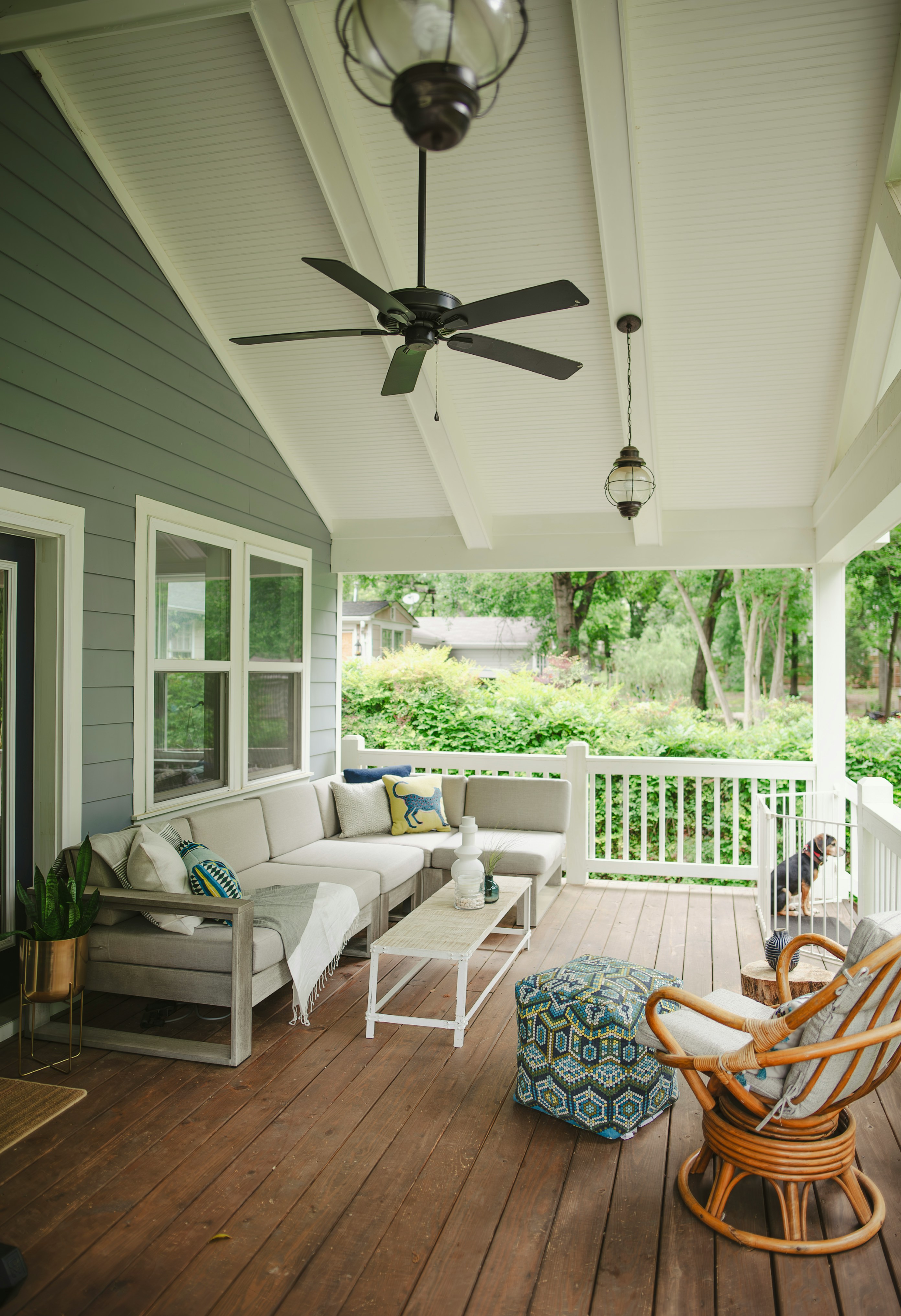
Covered porches are becoming more popular with homeowners who want to make the most of their outdoor space while adding comfort, shade, and visual appeal to the front of their home. A well-designed covered porch creates a welcoming entry, offers protection from the elements, and provides a practical spot to sit, greet guests, or keep an eye on kids and pets.
Whether you live in a coastal suburb, a leafy Melbourne street, or a raised home in a flood-prone or hilly area, a covered porch can be adapted to suit your block, your lifestyle, and your home’s architecture. Here’s what homeowners should know when exploring covered porch ideas.
What exactly is a covered porch?
A porch is a small covered area located right outside the main entrance of a home. It usually sits at the front of the property and connects directly to the front door. While sizes and styles vary, porches are generally more compact than verandahs and are designed to create a sheltered transition space between indoors and outdoors.
It’s helpful to understand how a porch differs from other outdoor structures, as these terms are often mixed up.
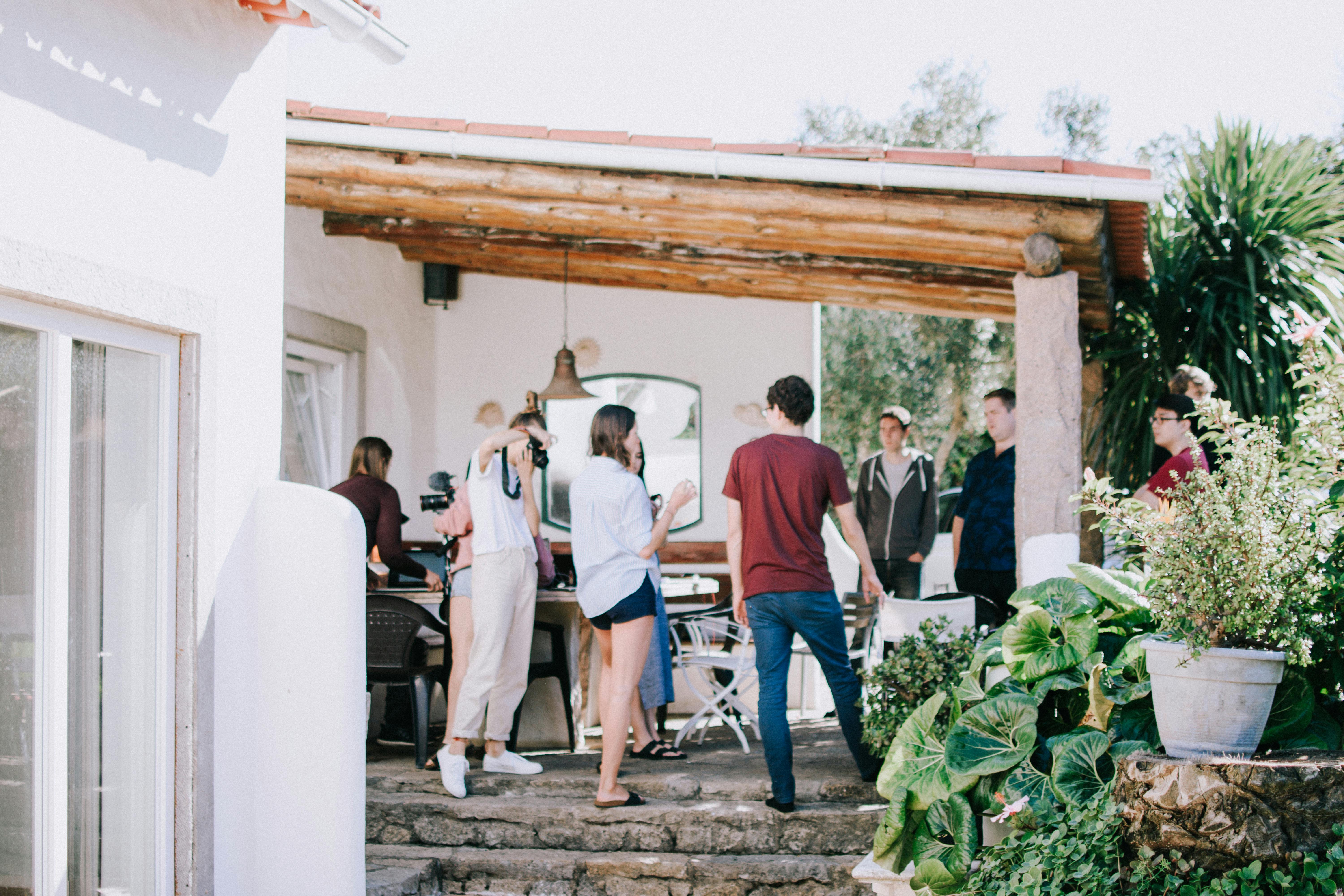
Porch vs verandah vs balcony vs patio
- Porch: A covered area at the front entry of a home. It’s usually limited to the doorway zone and acts as a welcoming, sheltered entrance.
- Verandah: A larger covered area that often runs along one side of a house or wraps around it. Verandahs are common on Federation and Victorian-era homes and can sit at single-storey level even when the house is raised on stilts. They usually allow access from the ground via stairs and connect to several rooms.
- Balcony: A platform that is always above the ground floor and accessed from an upper level. Balconies are not on the main entry level and are typically attached to multi-storey homes or apartments.
- Patio: Generally found at the rear of the house. A patio is often attached to the home but has its own roof structure. It’s commonly used as an alfresco dining or entertaining space.
- Pergola: A free-standing structure with a flat, slatted or lattice roof. It provides partial shade rather than full weather cover.
- Gazebo: A free-standing structure with a solid, angled roof, sometimes with half-walls or open sides.
Why covered porches appeal to modern homeowners
A covered porch isn’t only about looks. It brings practical benefits that suit Australian living.
Extra protection from sun and weather
A roofed porch shields your doorway from harsh sun, rain, and wind. This can help protect timber doors, door hardware, and flooring near the entry from faster wear.
Safer for kids and pets
Covered porches provide a shaded buffer zone where children and pets can wait, play, or move between inside and outside with less exposure to intense sun or hot surfaces. In warmer months, this shaded space can make a noticeable difference to comfort and safety, especially at the front of the home where driveways and paths can heat up quickly.
A more welcoming entrance
A covered porch visually frames the front door and creates a sense of arrival. It signals that the home is inviting, cared for, and thoughtfully designed.
Added street appeal and value
A porch can lift the overall look of a home, making it feel more complete and balanced. This often appeals to future buyers, especially when the design suits the house style.
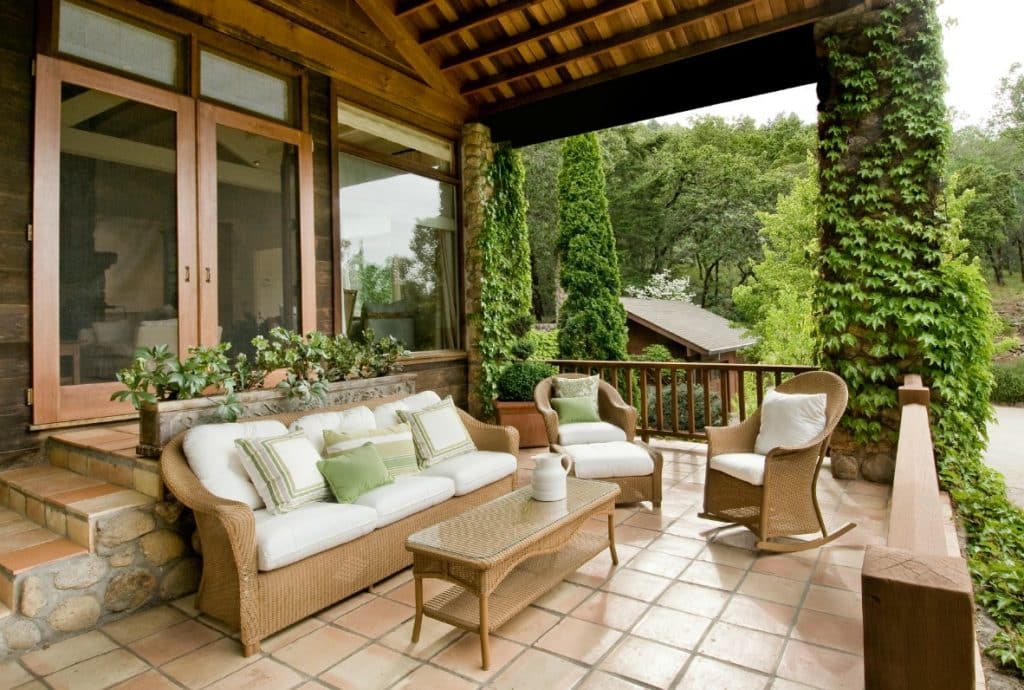
Popular covered porch ideas for Australian homes
Covered porches can be simple or more detailed, depending on the home’s age, layout, and surrounding environment.
1. Classic front entry porch
This style focuses on symmetry and clean lines. It usually includes a modest roof extension, posts or columns, and space for potted plants or a small seat. It suits both modern and traditional homes and keeps attention on the front door.
2. Federation and heritage-inspired porches
Many older Australian homes suit a porch that features timber posts, decorative trims, or bullnose-style roofing. These porches often link visually to a verandah and enhance the character of the home.
3. Contemporary covered porches
Modern covered porch ideas lean toward flat or skillion roofs, minimal detailing, and mixed materials such as timber and steel. These designs focus on strong shapes, contrast, and smooth integration with the façade.
4. Raised home porches
In areas where homes are built on stilts or slopes, porches may sit several metres above ground level while still being considered the main entry level. These porches often connect to stairs and may extend into a wider verandah-style space.
5. Wide porch zones
Some homeowners prefer to stretch the porch beyond the door area, allowing room for seating, greenery, or a sheltered spot to remove shoes. This blends the feel of a porch with elements of a verandah while keeping the front-of-house focus.
Design elements that shape a good covered porch
When browsing covered porch ideas, homeowners often look at a mix of appearance and long-term performance.
Roofing style
Porch roofs may extend from the existing house roof or be built as a separate structure. The pitch, shape, and materials should complement the main roofline and suit local weather conditions.
Posts and supports
Posts define the porch visually. Timber creates warmth and suits classic homes, while steel or composite materials often match modern designs.
Flooring
Porch floors need to cope with foot traffic and changing weather. They also play a big role in the overall look, from warm timber tones to tiled or composite finishes.
Lighting
Good porch lighting supports safety and night-time use. It also highlights architectural features and makes the entrance feel more inviting after dark.
Connection to the home
A well-planned porch looks like it belongs to the home rather than being an afterthought. Proportions, colours, and lines should align with existing features.
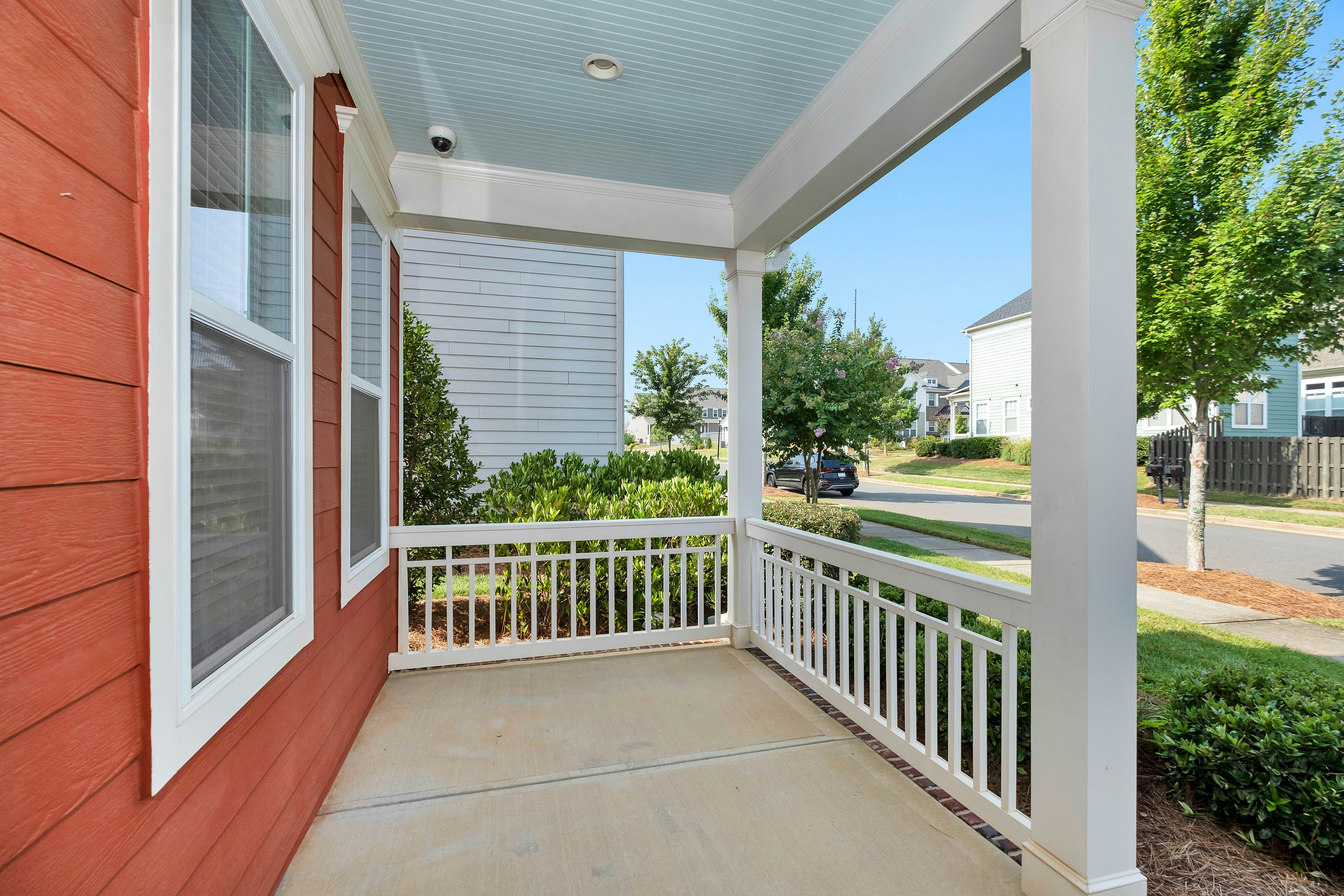
Planning considerations homeowners often overlook
Local conditions
Sun direction, prevailing winds, rainfall, and nearby trees can all affect how a porch performs. These factors influence roof depth, drainage, and material choices.
Council and building requirements
Covered porches usually form part of the home’s structure and may need approvals. Professional builders understand how to design porches that meet local regulations and site conditions.
Long-term upkeep
Some materials age differently depending on exposure. Thinking about maintenance early can help homeowners choose options that suit their time and budget expectations.
How a builder can help bring covered porch ideas to life
A covered porch may look simple, but it connects directly to the home’s structure, roofline, and drainage. Experienced builders can:
- Assess how a porch will integrate with the existing house
- Design a structure that suits the block and local climate
- Select materials that balance style, durability, and upkeep
- Manage approvals and construction requirements
- Deliver a result that looks intentional and adds value
If you’re exploring covered porch ideas, connecting with local builders through ServiceSeeking.com.au makes it easier to compare options, view experience, and find professionals who understand Australian homes and conditions.