House Repair and Maintenance
You might be thinking, “How hard can it be?” But here’s the honest truth: End-of-build cleaning is one job you shouldn’t DIY. Here's why.
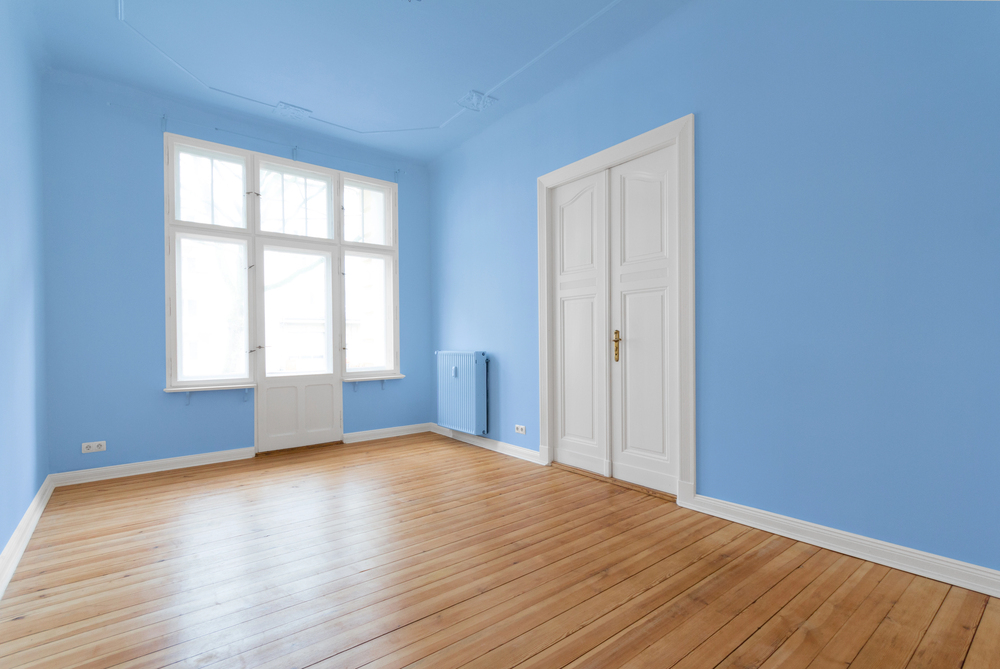
You’ve made it to the finish line. The reno is done, the extension’s complete, or your new build is finally handed over. The tradies have packed up, the tools are gone, and you’re standing in what should be your dream space.
Except it’s covered in dust.
Not just a bit of fluff in the corners. We’re talking fine plaster dust on every surface, paint splatters you didn’t notice before, stickers on windows, grout haze on tiles and mystery footprints across your brand-new floors. Welcome to the reality of end-of-build cleaning.
It’s tempting to think, “How hard can it be? I’ll just give it a solid weekend clean.” But here’s the honest truth: end-of-build cleaning is one job you really shouldn’t DIY. Let’s break down why.
It’s Not Your Average Spring Clean
End-of-build cleaning is in a completely different league to your usual Saturday tidy-up. This isn’t wiping down benchtops and running the vacuum around.
Construction leaves behind:
- Fine silica and plaster dust that settles everywhere
- Paint overspray on glass and fittings
- Silicone smears and adhesive residue
- Grout haze on tiles
- Sawdust in tracks, vents and cupboards
- Packaging debris and builder’s leftovers
The tricky part? A lot of this mess isn’t immediately visible. That ultra-fine dust floats into wardrobes, inside drawers, into air vents and onto ceiling fans. It clings to walls and sneaks into places you wouldn’t think to check.
Professional end-of-lease cleaners know exactly where to look — and what to look for.
The Dust Isn’t Just Annoying — It Can Be Risky
Construction dust isn’t the same as everyday household dust. It can contain fine particles from plasterboard, timber, concrete and even silica. If not properly removed, it can linger in the air and affect indoor air quality.
Vacuuming with a standard household machine often just redistributes fine dust back into the room. Worse, it can clog your vacuum and burn it out entirely.
Professional end-of-build cleaners use commercial-grade equipment with HEPA filtration designed specifically to capture fine particles. That means the dust is actually removed, not just pushed around.
If you’ve got kids, pets, or anyone in the house with asthma or allergies, this step alone is worth doing properly.
You Can Damage Brand-New Surfaces
Here’s something most people don’t think about: brand-new surfaces are surprisingly easy to ruin.
- Scraping paint off glass with the wrong blade can scratch it permanently.
- Using acidic cleaners on fresh grout can weaken or discolour it.
- Scrubbing timber floors too aggressively can dull the finish.
- Using the wrong product on stone benchtops can stain or etch them.
After spending thousands — sometimes tens of thousands — on renovations, the last thing you want is to damage your new kitchen or bathroom during the final clean.
Professional cleaners understand surface types and the right chemicals and techniques to use. They’ll know the difference between sealed stone and porcelain tiles, between engineered timber and laminate, and how long certain materials need to cure before heavy cleaning.
It’s not just about getting things clean — it’s about protecting your investment.
Builders’ Standards Are High (And So Should Yours Be)

If you’re finishing a build for handover, sale or lease, cleanliness isn’t optional. It’s expected.
Buyers and tenants notice everything. Smears on windows, dust in corners or grout haze on tiles instantly cheapen the look of an otherwise stunning space. That first impression matters.
Real estate agents across cities like Sydney, Melbourne and Brisbane will tell you the same thing: presentation sells. A sparkling clean property photographs better, feels newer and commands stronger interest.
End-of-build cleaners follow detailed checklists that align with builder and property standards. That means:
- Internal and external window cleaning
- Removal of stickers and labels
- Detailed cleaning of skirting boards and architraves
- Inside cupboards and wardrobes
- Light fittings, switches and power points
- Garage and outdoor areas
It’s meticulous work — and it shows.
It Takes Way Longer Than You Think
Most DIYers dramatically underestimate how long end-of-build cleaning takes.
You might think it’s a solid day’s effort. In reality, for an average three- or four-bedroom home, it can take a professional team a full day — sometimes longer.
Now imagine doing it solo.
After weeks (or months) of renovation stress, do you really want to spend your first weekend in your new space on your hands and knees scraping paint flecks off skirting boards?
Your time has value. Sometimes the smartest move is knowing when to outsource.
The Tools Make a Big Difference
End-of-build cleaning isn’t just elbow grease. It requires specialised equipment and products, such as:
- Industrial vacuums with HEPA filters
- Microfibre systems designed to trap fine dust
- Professional glass scrapers and polishing tools
- Heavy-duty but surface-safe cleaning solutions
- Extension poles and ladders for high areas
Most homeowners don’t have these lying around in the garage — and buying them for a one-off clean rarely makes financial sense.
Hiring professionals means they arrive fully equipped and ready to tackle the job efficiently.
It’s the Final Touch That Makes Everything Feel “Done”
There’s a psychological side to this, too.
A build or renovation can feel chaotic right up until the end. Dust everywhere. Tradies in and out. Tools stacked against walls.
A proper end-of-build clean transforms the space. Suddenly the floors shine, the windows are crystal clear and the air feels fresh. You can finally see the true colour of the paint and the detail in the finishes.
It’s the moment your house actually feels like a home.
That final polish is often what makes all the effort worthwhile.
When It’s Definitely Worth Hiring the Pros
While some minor touch-ups might be manageable, professional end-of-build cleaning is especially important if:
- The project involved major structural work
- There’s significant plastering or sanding
- You’re preparing for sale or lease
- The builder requires a professional clean before handover
- You simply don’t have the time or energy
In these situations, cutting corners can cost you more in the long run — either through damage, delays or lost value.
Finding the Right Cleaner Without the Headache
Of course, not all cleaners specialise in end-of-build work. It’s a specific service that requires experience and the right equipment.
That’s where a service marketplace like ServiceSeeking.com.au makes things easier.
Instead of ringing around blindly, you can post your job, describe the size and scope of your build, and receive quotes from experienced local cleaners who understand construction cleans. You can compare profiles, read reviews and choose someone who fits your timeline and budget.
It takes the guesswork out of the process — and saves you hours of research.
The Bottom Line
End-of-build cleaning isn’t just “a big clean.” It’s a specialised job that requires the right tools, products, knowledge and patience.
After investing so much time and money into your build or renovation, it makes sense to protect that investment and showcase it properly. A professional clean ensures your new space looks the way it was meant to — flawless, fresh and ready to enjoy.
Sure, you could DIY it. But between the dust, the risk of damage and the sheer time commitment, it’s one job that’s often better left to the experts.
When you’re ready to see your new space at its absolute best, bringing in experienced end-of-build cleaners might just be the smartest final step you take.