Building
Fixing a few key issues before inspection can make the difference. Here’s a practical list to guide you to make this process easier.

Moving out of a rental? You’ve got enough on your plate without the stress of wondering whether your bond is at risk. End-of-lease inspections can be a bit of a minefield—what’s considered fair wear and tear, and what might get flagged (and deducted) by your property manager?
The short answer: it pays to be proactive. Fixing a few key issues before inspection can make the difference between a smooth sign-off and a chunk missing from your bond. The trick is knowing what’s actually worth fixing—and what you can leave.
Here’s a practical, no-nonsense list to guide you.
1. Wall Damage (Scuffs, Holes, and Chips)
Walls take a beating over the course of a lease—think furniture scuffs, picture hook holes, or the odd dent.
Worth fixing?
Absolutely. Minor wall damage is one of the most commonly flagged issues during inspections.
Small nail holes and chips are usually quick and affordable to repair, especially if you bring in a handyman or painter. A professional touch ensures colour matching and a seamless finish—something DIY jobs often struggle with.
Tip: If the paint job is noticeably uneven or patchy, it might be worth repainting the whole wall rather than spot-fixing.
2. Broken Fixtures and Fittings
Loose door handles, wobbly towel rails, or a cupboard hinge that’s seen better days—these things might seem minor, but they stand out during inspections.
Worth fixing?
Yes. These are considered damage rather than wear and tear.
Fixing them yourself can be tricky if you don’t have the right tools or parts. A qualified tradie can sort these quickly and properly, saving you time (and potential rework).
3. Cracked Tiles or Damaged Flooring
Whether it’s a chipped kitchen tile or scratched timber flooring, damage to surfaces is something property managers tend to take seriously.
Worth fixing?
Usually, yes.
Cracked tiles and visible floor damage can lead to deductions if left unresolved. The good news is that many repairs are more affordable than people expect—especially when handled by a licensed tiler who knows what they’re doing.
4. Plumbing Issues (Leaky Taps, Slow Drains)
That dripping tap you’ve been ignoring? Now’s the time to deal with it.
Worth fixing?
Definitely.
Leaky taps, blocked drains, or running toilets are clear maintenance issues—not wear and tear. These are quick fixes for a licensed plumber and can prevent bigger problems being noted during inspection.
5. Mould and Mildew
Bathrooms, kitchens, and poorly ventilated areas are prime spots for mould build-up.
Worth fixing?
Yes—but with a caveat.
Light mould that results from everyday use is usually your responsibility to clean. However, if it’s extensive or keeps coming back, it could point to a larger issue.
A professional cleaner or mould specialist can ensure it’s removed properly, which is often more effective than a surface-level clean.
6. Damaged Doors, Windows, or Screens
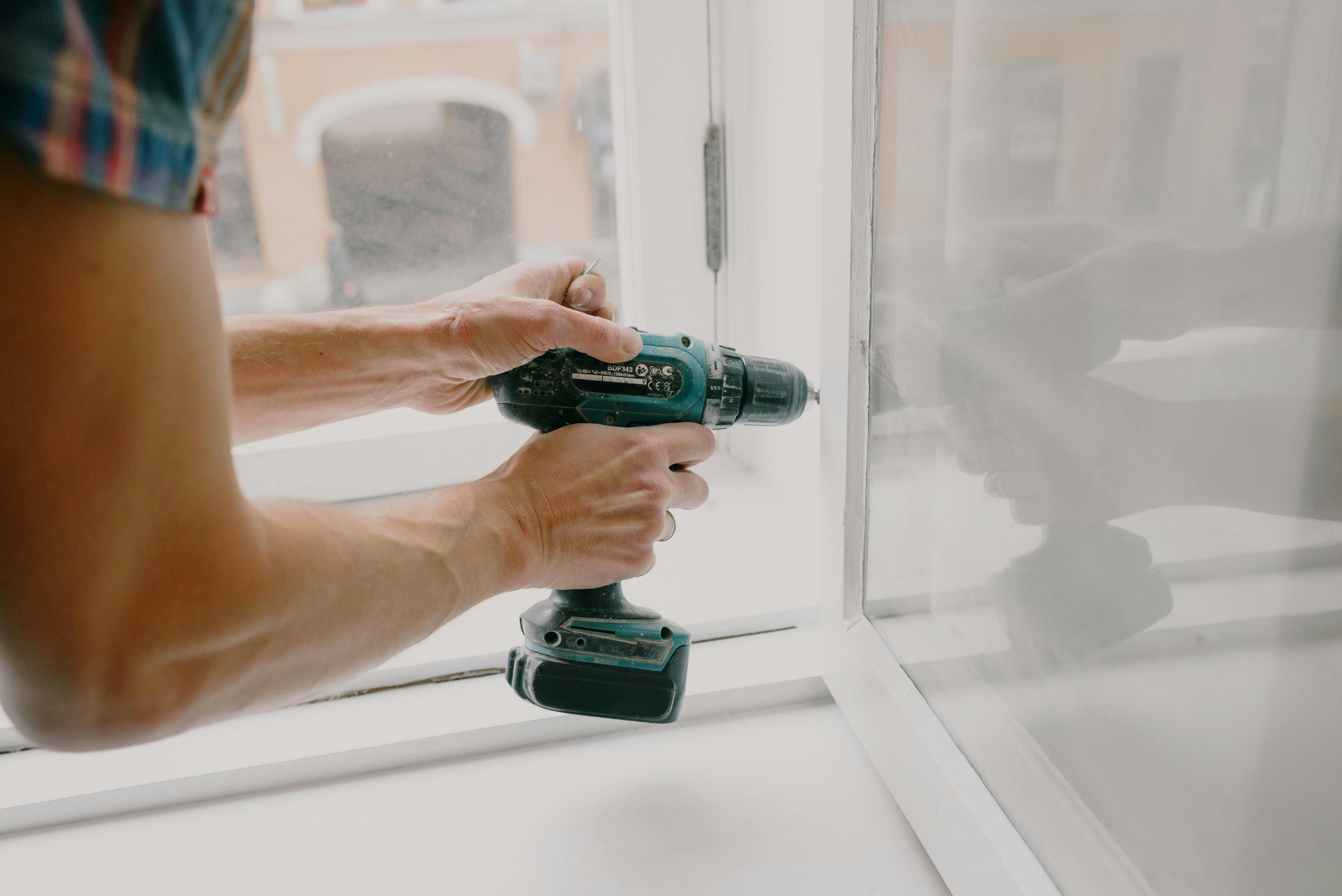
Torn flyscreens, cracked glass, or doors that don’t close properly are all red flags.
Worth fixing?
Yes.
These issues are easy for property managers to spot and are rarely classified as fair wear and tear. Repairs here can go a long way in presenting the property as well-maintained.
7. Carpet Stains and Odours
Carpets tend to show their age—especially in high-traffic areas.
Worth fixing?
In most cases, yes.
While general wear is acceptable, noticeable stains, pet odours, or heavy soiling can lead to cleaning or replacement costs being taken from your bond.
Professional carpet cleaning is often a requirement in lease agreements anyway, so it’s worth ticking this off properly.
8. Outdoor Areas (Gardens, Lawns, and Gutters)
If your rental includes an outdoor space, it’s part of the inspection too.
Worth fixing?
Yes—within reason.
Overgrown lawns, dead plants, and cluttered outdoor areas can leave a poor impression. You don’t need a full landscape overhaul, but a tidy-up goes a long way.
A gardening service can quickly bring things back into shape if you’re short on time.
9. Electrical Issues (Lights and Switches)
Blown light bulbs, faulty switches, or non-working power points are all worth checking.
Worth fixing?
Yes.
Replacing bulbs is an easy DIY job, but anything beyond that should be handled by a licensed electrician. It’s not just about passing inspection—it’s also about safety.
10. General Cleaning and Presentation
This might sound obvious, but it’s often where tenants lose out.
Worth fixing?
100%.
Even if everything else is in good condition, a poorly cleaned property can lead to deductions. Think grease in the kitchen, soap scum in the bathroom, and dust in overlooked spots.
Many tenants opt for a professional end-of-lease clean to make sure nothing gets missed—and to meet agent expectations.
What You Don’t Need to Fix
It’s just as important to know what’s not your responsibility.
Fair wear and tear generally includes:
- Faded paint from sunlight
- Minor carpet wear from foot traffic
- Loose door handles due to age
- Slight discolouration of grout
If you’re unsure, it’s always worth checking your lease agreement or speaking with your property manager before spending money unnecessarily.
Why It Pays to Get the Pros In
End-of-lease repairs can feel like a balancing act—spend too little and risk losing your bond, spend too much and you’re out of pocket.
That’s where experienced tradies come in.
Instead of guessing your way through repairs (and potentially redoing them), hiring the right professional means:
- The job gets done properly the first time
- You meet inspection standards
- You save time during an already busy move
Platforms like ServiceSeeking.com.au make it easy to find trusted local tradies for everything from minor fixes to full end-of-lease makeovers. You can compare quotes, check reviews, and choose someone who fits your budget and timeline.
Final Thoughts
When it comes to end-of-lease inspections, the goal is simple: return the property in a condition that matches (or closely resembles) how you found it.
Focus on the repairs that are clearly your responsibility—things that are damaged, broken, or visibly neglected. Skip the ones that fall under fair wear and tear.
And if you’re pressed for time or want peace of mind, getting a few reliable tradies involved can take a lot of stress off your plate—and help make sure you walk away with your full bond intact. After all, moving is hard enough without last-minute surprises.