Learn what homeowners need to know about pool safety, fencing laws, supervision and risk prevention, plus when to engage professional pool services.
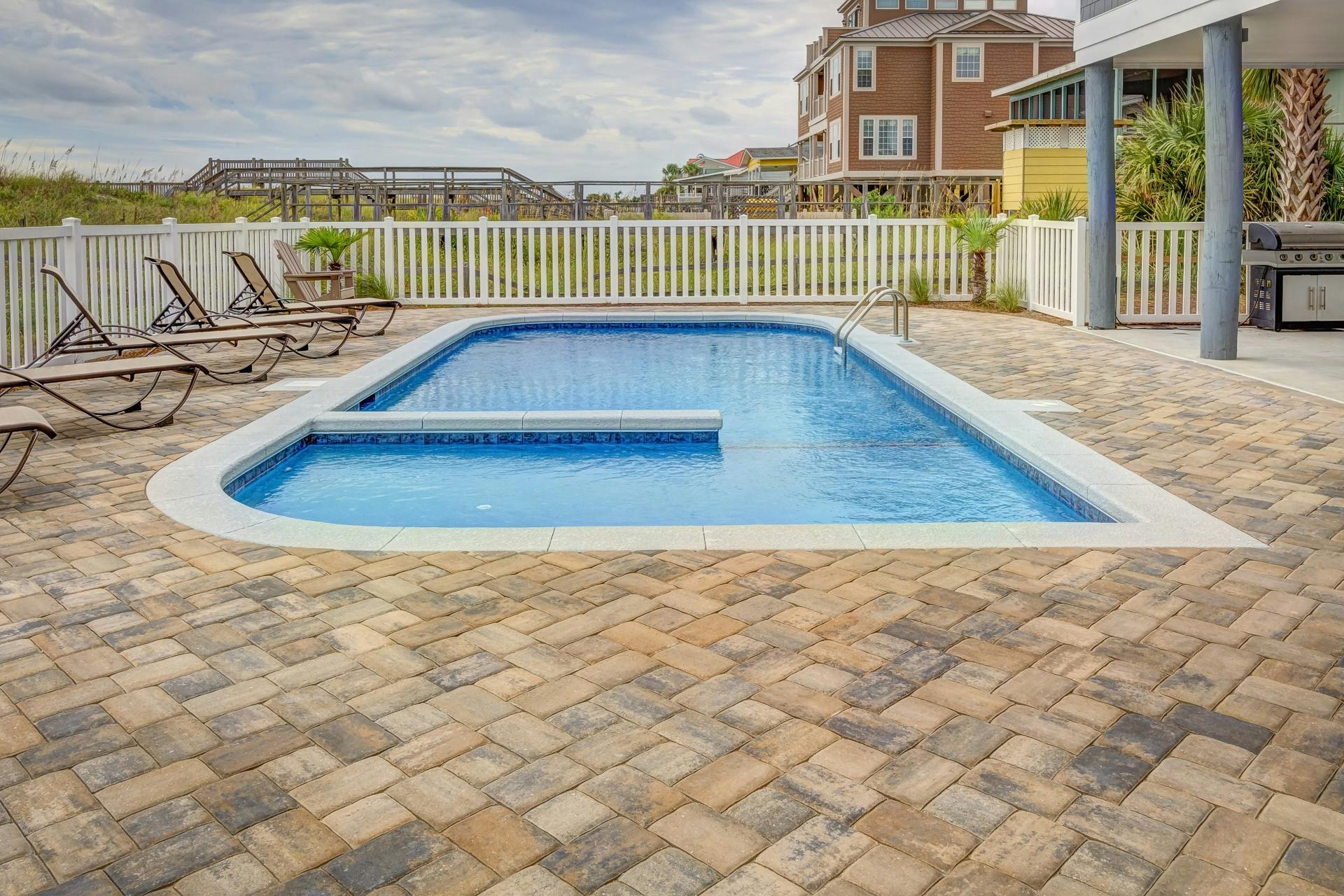
A swimming pool can be the heart of the backyard, especially in Australia, but it also comes with serious responsibilities.
This guide covers what homeowners need to know about pool safety, with a focus on protecting children, staying aligned with regulations, and maintaining a safer home environment.
Why pool safety matters at home
Backyard pools are a big part of Australian life. They’re places where families relax, kids play, and friends gather. But because pools are so familiar, it can sometimes be easy to underestimate the level of attention and care they require, especially when young children are around.
Many serious pool-related accidents happen quietly and quickly, often during everyday moments when adults think someone else is keeping an eye out. In home settings, children may reach the pool area through an unsecured gate, a fence that needs maintenance, or an opening that hasn’t been noticed. Items like pool toys left near the water can also draw children toward the pool space.
For homeowners, pool safety starts with recognising that a well-maintained pool area and consistent supervision go hand in hand. When both are in place, they create a much safer environment for everyone to enjoy.
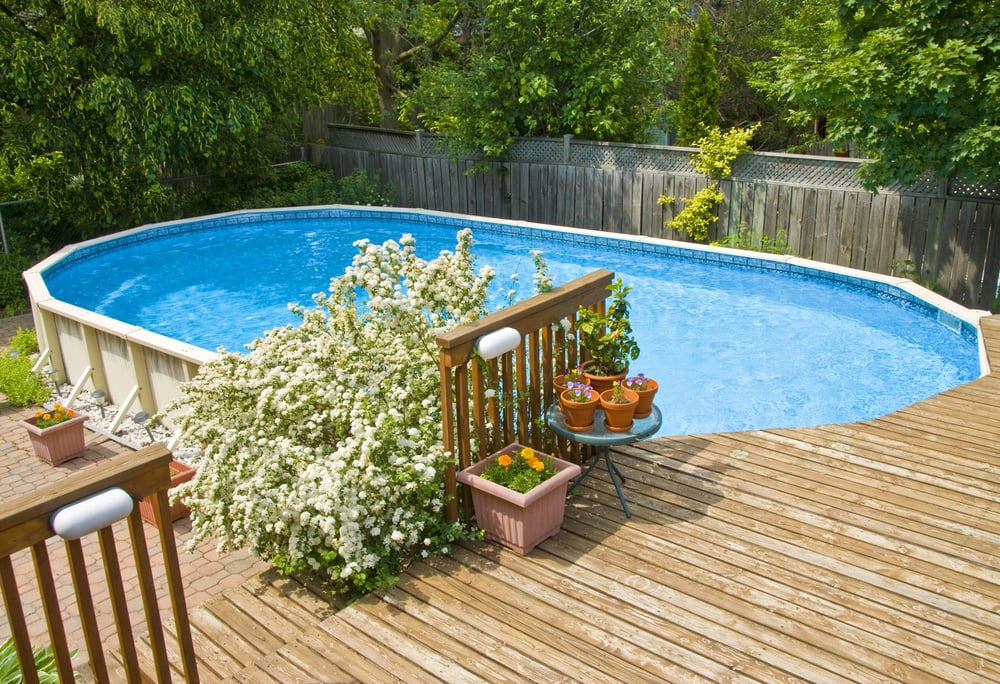
Active supervision around pools
Supervision is the most effective layer of protection around water. For homeowners with children or visiting families, this means more than occasional glances.
Active supervision includes:
- Watching children constantly when they are in or near water
- Staying close enough to respond immediately
- Being ready to enter the water if something goes wrong
- Taking children with you if you leave the pool area, even briefly
Distractions such as phones, conversations, household tasks, or gatherings can reduce awareness. During social events, it helps to nominate a dedicated child supervisor and change this role clearly if someone needs to step away.
Even in homes with strong swimmers, supervision remains important. Confidence in water does not remove risk.
Pool fencing and legal requirements
In Australia, any private pool or spa that can hold water deeper than 30 centimetres must be protected by a compliant safety barrier. This applies to in-ground pools, above-ground pools, spas, portable pools, and indoor pools.
Pool fences must meet Australian Standard AS 1926. While requirements can vary slightly between states and territories, a compliant pool fence generally:
- Is at least 1.2 metres high
- Is strong, secure, and in good condition
- Has a self-closing, self-latching, child-resistant gate
- Has no gaps wider than 100 millimetres
- Has horizontal bars spaced to limit climbing
Local councils manage inspection and certification rules, and some states require regular compliance checks. Homeowners are responsible for ensuring fences and gates continue to meet standards over time, not only when first installed.
Because regulations can change and site conditions differ, many homeowners choose to engage pool safety inspectors or fencing specialists through ServiceSeeking to help ensure their pool area aligns with current requirements.
Keeping barriers effective over time
A fence is only protective if it functions properly every day. Over time, hinges loosen, latches wear down, and ground movement can create gaps. Regular assessment of the pool barrier is an important part of pool safety for homeowners.
Key points to monitor include:
- Gates that close and latch automatically
- Latches positioned out of a child’s reach
- Panels that remain firm and upright
- Areas near the fence that could be climbed
Outdoor furniture, pot plants, storage boxes, and pool equipment can unintentionally reduce the effectiveness of a safety barrier. Keeping the surrounding area clear supports safer access control.
Professional pool services can assist with inspections, repairs, and upgrades to fencing and gate systems, helping homeowners address issues before they become hazards.
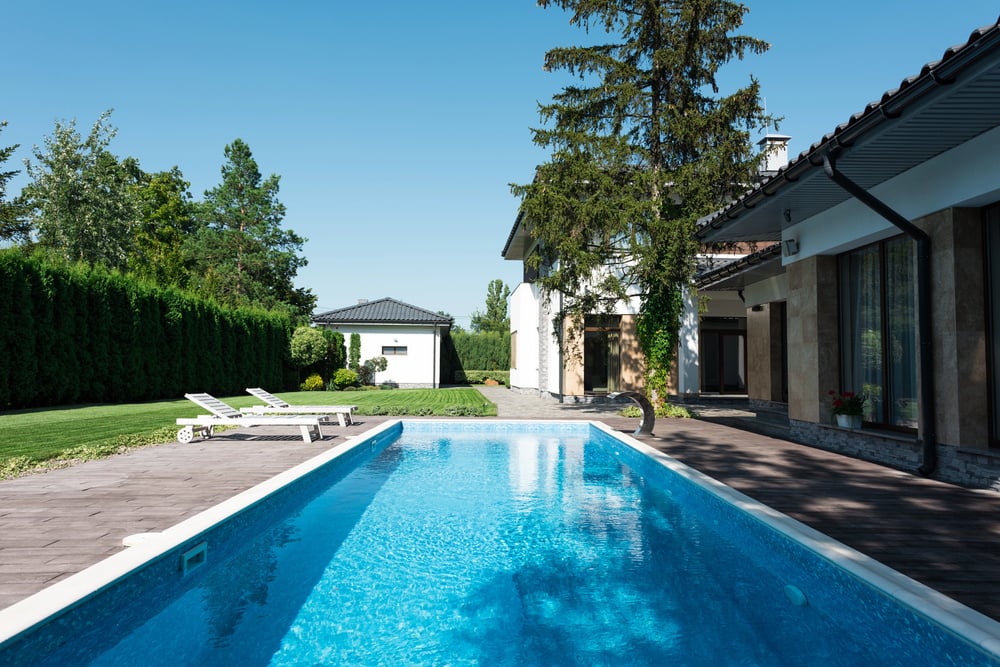
Reducing access to water
Restricting access to the pool area is a major safety strategy. This includes ensuring that:
- Gates are never propped open
- Doors or windows leading to the pool area have appropriate safety devices
- Pool toys are stored out of sight and reach when not in use
Toys and inflatables left in the water can draw children towards the pool, increasing the chance of unsupervised entry. Storing them securely reduces this risk and supports clearer boundaries between play areas and the pool zone.
For households with younger children, assessing all potential water hazards around the home is also part of good pool safety practice. Features such as fishponds, water features, open drains, and even large containers can present risks if left accessible.
Teaching water awareness
While supervision and restricted access form the main safety foundation, water awareness supports longer-term protection. Familiarity with water environments and basic water rules can help children grow more confident and cautious around pools.
Formal swimming and water awareness programs provide structured environments where children learn to move safely in water and understand boundaries. These programs do not replace supervision, but they contribute to a broader culture of water safety within the home.
For homeowners, reinforcing simple messages about pool rules, staying within designated areas, and alerting adults when near water helps establish expectations that can reduce risky behaviour over time.
Being prepared to respond
Emergencies can still occur even when precautions are in place. Knowing how to respond is an important part of pool safety for homeowners.
Many safety organisations encourage adults to learn CPR and basic water rescue responses. Quick, informed action can significantly affect outcomes while waiting for emergency services.
Professional pool services can sometimes support this preparation through safety consultations, signage installation, or system upgrades that improve visibility, access, and response readiness around pool areas.
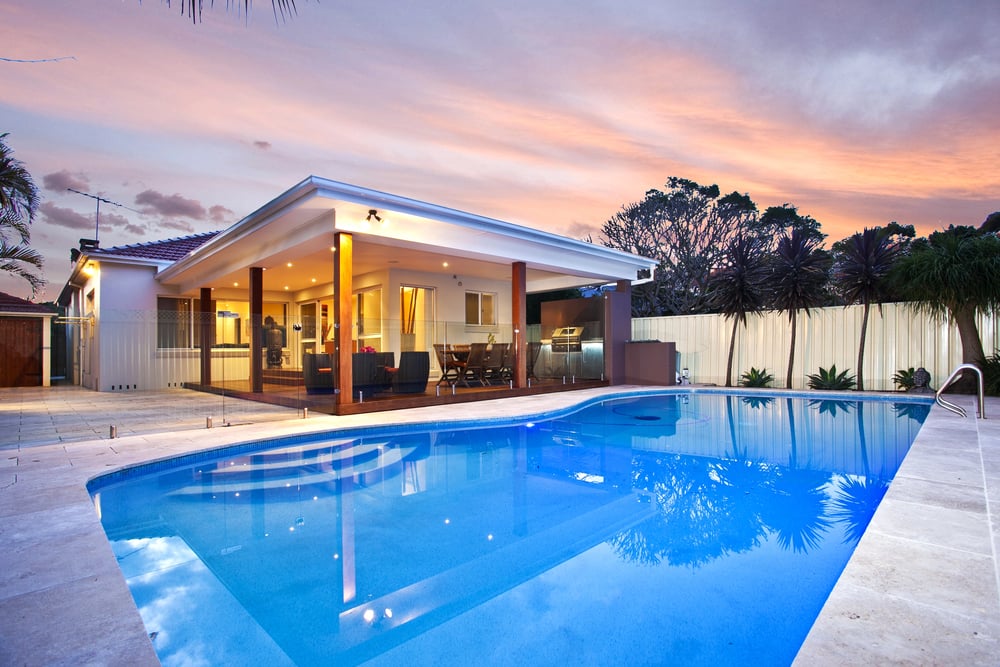
Pool safety at gatherings and busy times
Parties, holidays, and family events often increase risk. Noise, movement, and shared responsibility can create moments where no single adult is fully focused on supervision.
Homeowners hosting gatherings can improve safety by:
- Assigning a clear supervising adult for children near water
- Rotating supervision intentionally rather than informally
- Keeping pool access points closed and monitored
- Maintaining clear, uncluttered pool surrounds
Alcohol consumption further highlights the need for structured supervision plans. Having a sober adult responsible for child supervision can help maintain consistent awareness.
How professional pool services can help
Pool safety is ongoing. It involves physical structures, behavioural habits, and regular reviews of how a pool area is used. Professional pool services can support homeowners by:
- Inspecting fencing and gates
- Identifying compliance or maintenance issues
- Upgrading safety barriers and hardware
- Providing advice aligned with local requirements
On ServiceSeeking.com.au, homeowners can find experienced pool professionals who understand safety standards and can assist with inspections, repairs, and safety improvements. Engaging qualified services can help reduce uncertainty and support safer pool environments over the long term.