Customer
Learn how summer heat and UV rays cause exterior paint damage, including chipping and discolouration, and when homeowners should hire a painter.
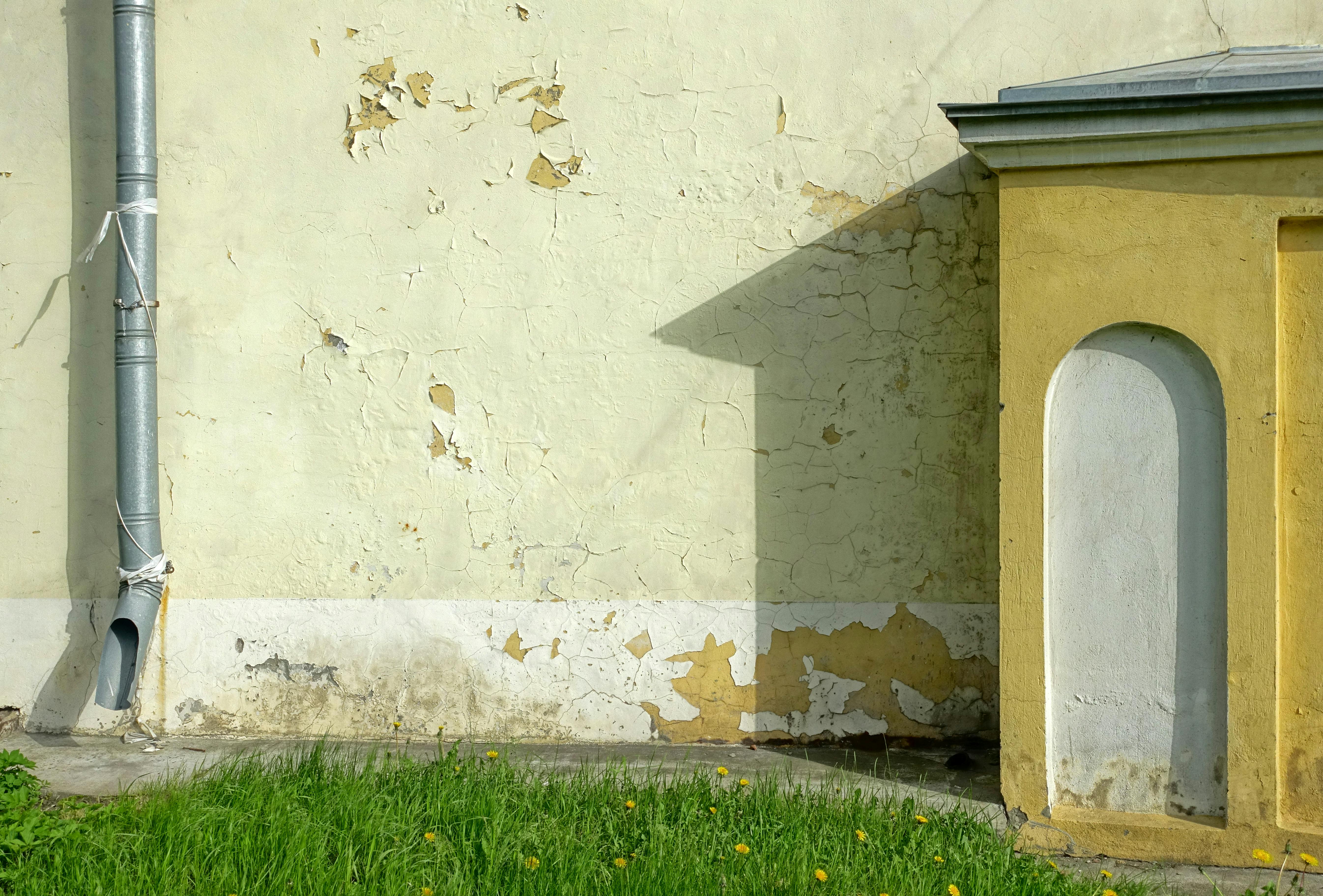
Summer is tough on homes, especially when it comes to exterior paint. Prolonged heat, harsh sunlight, and dry conditions all contribute to exterior paint damage that becomes more noticeable as the season goes on. For homeowners, chipping, fading, and uneven colour are often dismissed as cosmetic issues, but they can point to deeper wear and tear caused by summer conditions.
Understanding why exterior paint deteriorates in summer helps you spot early warning signs and make informed decisions about maintenance. It also explains why professional painting work plays an important role in protecting your home for the long term.
Why summer is hard on exterior paint
Exterior paint is designed to protect your home from the elements, but it still has limits. During summer, surfaces are exposed to higher temperatures and stronger ultraviolet radiation for longer periods each day. This combination puts stress on the paint film and the surface beneath it.
Paint relies on a stable curing process to form a durable, protective layer. When temperatures are consistently high and sunlight is intense, this process is disrupted. Paint can dry too quickly, weakening adhesion and reducing its ability to flex as surfaces expand and contract in the heat.
Over time, this leads to visible wear that many homeowners start to notice toward the end of summer.
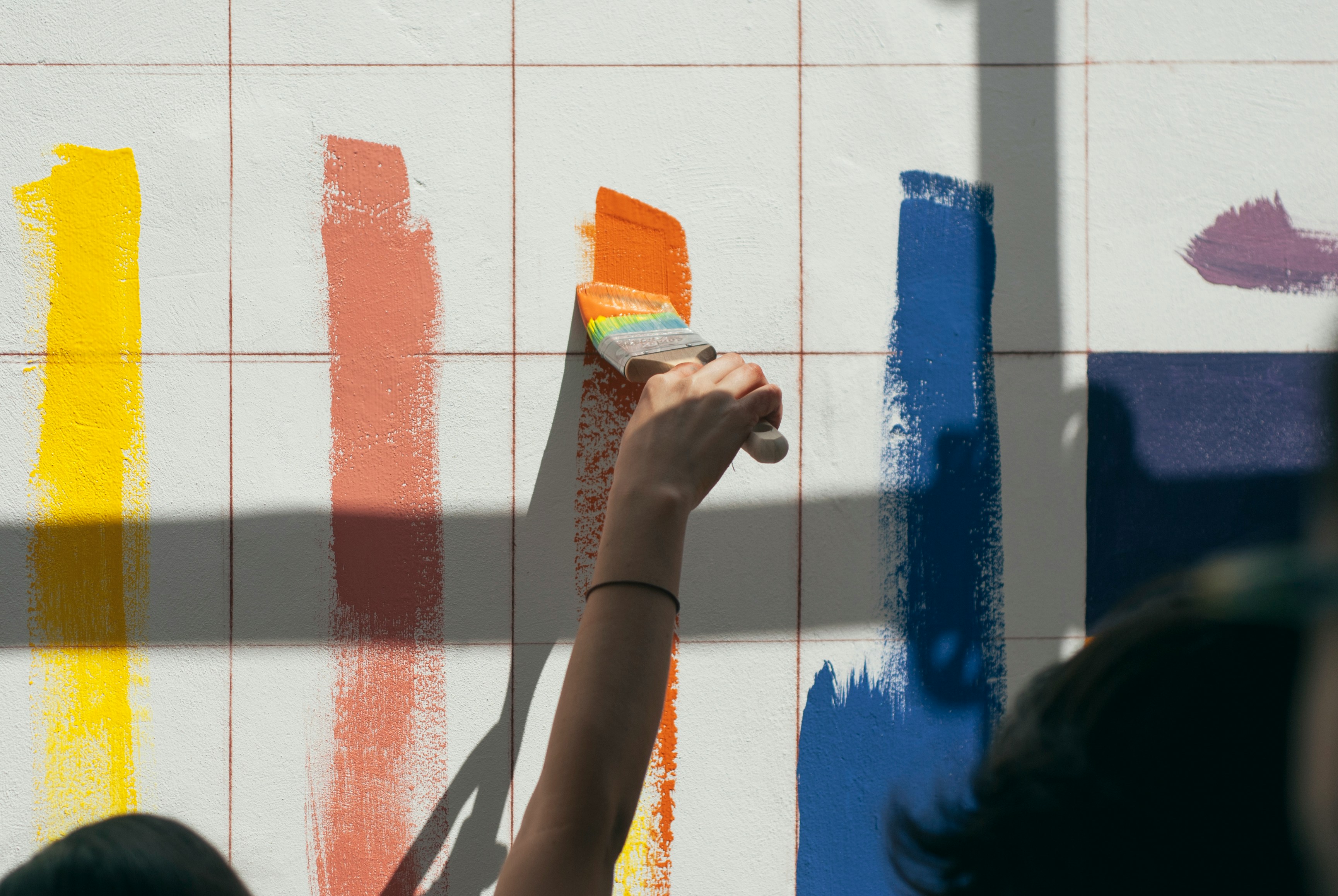
How heat affects paint performance
High temperatures cause exterior surfaces to heat up well beyond the air temperature. Dark walls, metal surfaces, and areas exposed to full sun can become extremely hot.
When paint dries too fast in these conditions, it struggles to form a smooth, even film. This can weaken adhesion and shorten the life of the coating, particularly on surfaces that already experience heavy summer exposure. In these cases, a professional painter can assess how heat is affecting different areas of the home and whether repainting is needed to prevent further wear.
The role of UV rays in discolouration
Sunlight is one of the most damaging factors for exterior paint. Ultraviolet rays break down the chemical bonds in paint pigments and binders, which leads to gradual but noticeable discolouration.
Fading is especially common on darker colours such as reds, blues, and deep greys. These shades absorb more UV radiation, accelerating pigment breakdown. What starts as a slight colour shift can turn into patchy, uneven surfaces across walls that receive constant sun exposure.
Southern and western sides of a home often show the most visible fading because they receive the strongest sunlight throughout the day.
Chalking and surface breakdown
One of the clearest signs of exterior paint damage in summer is chalking. This appears as a fine, powdery residue caused by prolonged exposure to sun and heat.
Once chalking is present, the paint is no longer providing reliable protection. At this stage, many homeowners choose to consult a painter to determine how much of the surface has deteriorated and whether repainting is required to restore protection.
Cracking, peeling, and chipping
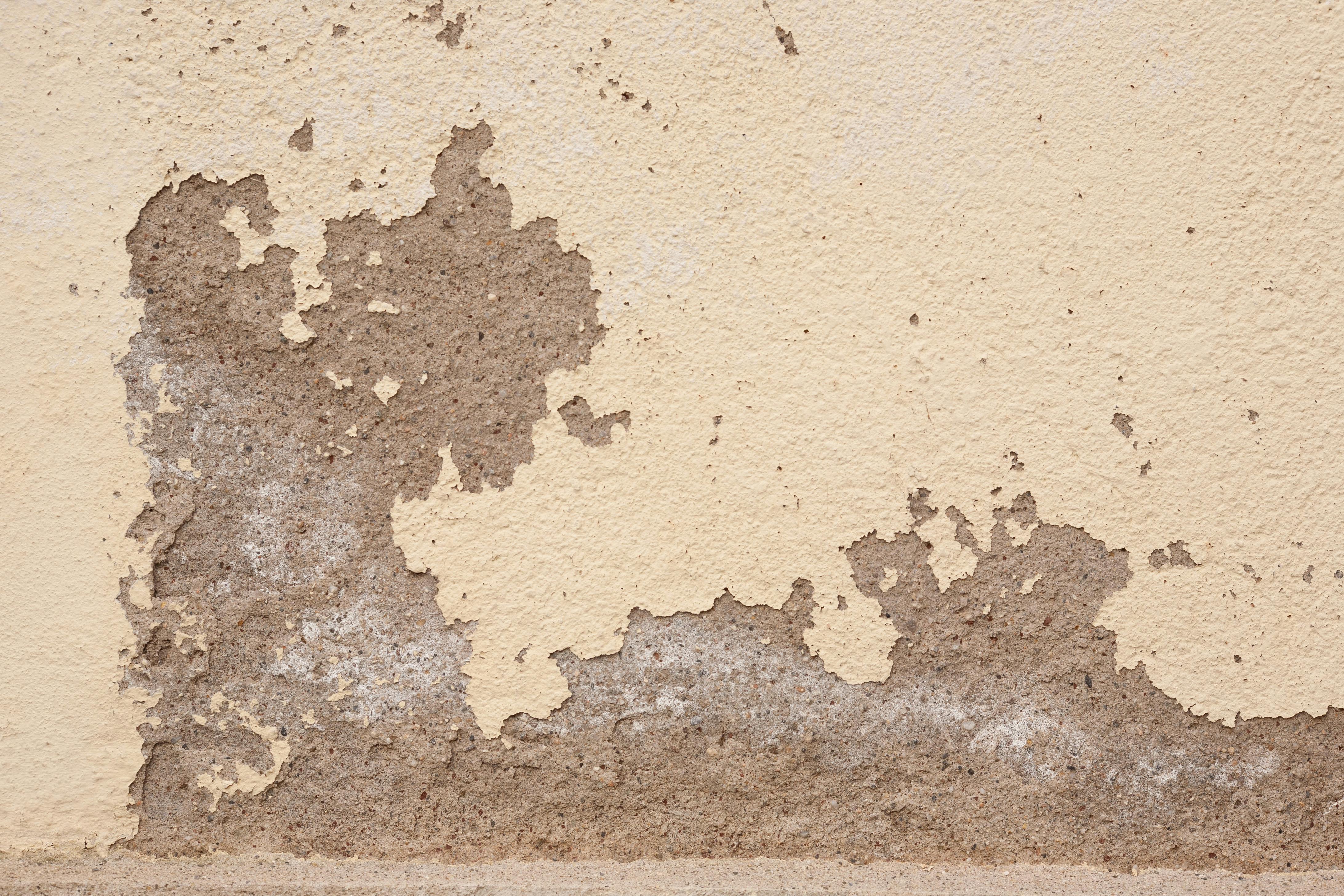
As UV exposure weakens paint over time, it becomes brittle. Brittle paint cannot move with the surface beneath it, which leads to cracking. Once cracks form, moisture can enter, even in dry summer conditions through humidity or occasional storms.
This moisture undermines adhesion further, causing peeling and chipping. These issues often start small but spread rapidly during summer, especially on older paintwork or areas with heavy sun exposure.
Chipping paint is more than a visual problem. It exposes the underlying surface, which may include timber, masonry, or metal that can deteriorate when left unprotected.
Why decks and horizontal surfaces wear faster
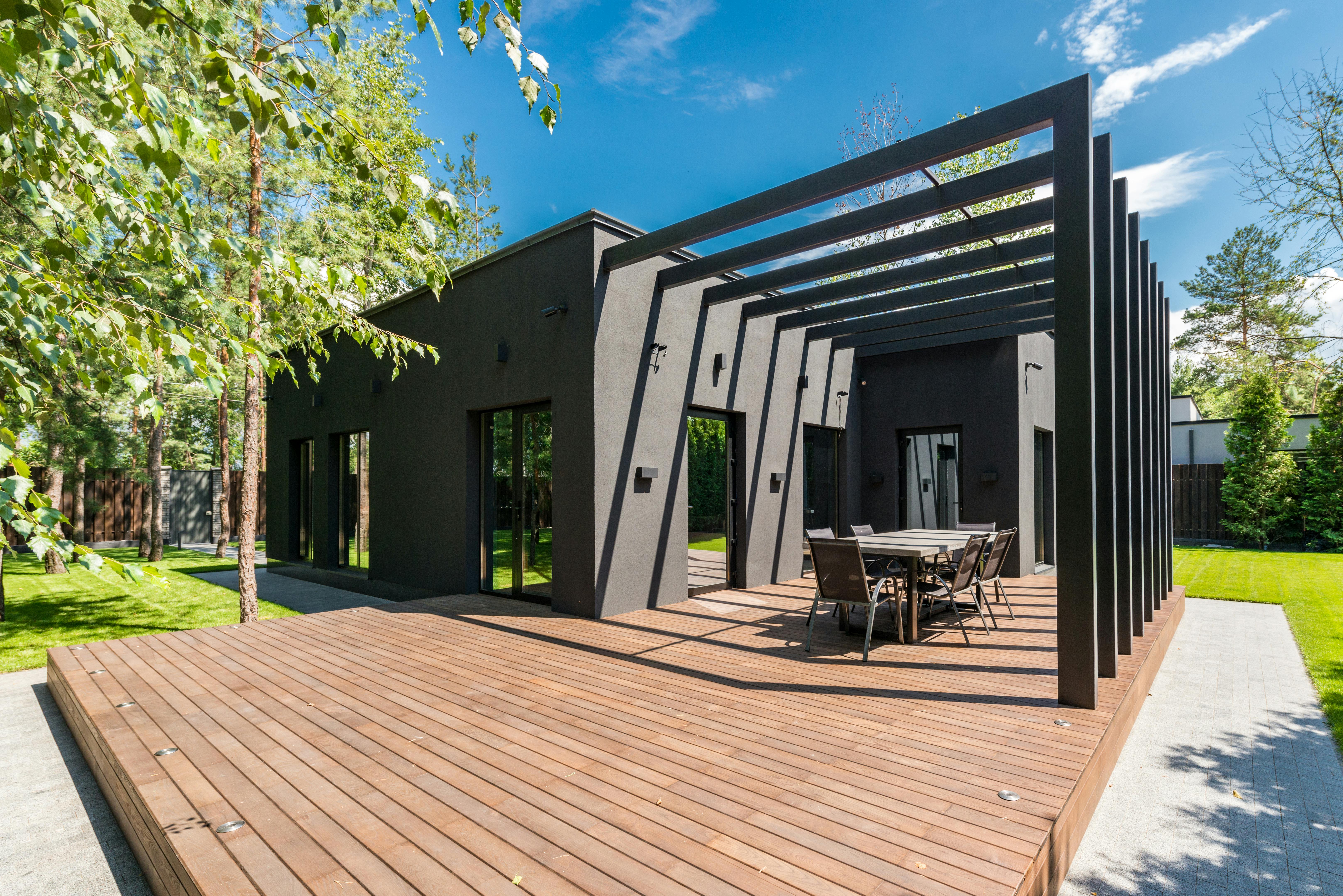
Exterior paint damage in summer is not limited to walls. Decks, steps, and other horizontal surfaces are often affected more quickly.
These areas receive direct sunlight for long periods and tend to trap heat. Unlike vertical surfaces, they also hold water after rain or cleaning. Pooled moisture combined with heat accelerates paint and stain breakdown.
This explains why deck boards often fade, crack, or peel faster than railings or posts. Covered areas under furniture or outdoor items usually remain in better condition, highlighting the impact of sun exposure.
When cosmetic issues become protection issues
It is easy to view fading or mild discolouration as purely aesthetic. However, paint is a protective barrier. Once it starts to fail, the materials underneath are exposed to weather stress.
In summer, this exposure increases the risk of timber drying out, cracking, or warping. Masonry can absorb heat and moisture more readily. Metal surfaces may begin to corrode once paint protection is compromised.
Addressing exterior paint damage early helps avoid more extensive repairs later.
Staying ahead of summer wear and tear
Summer places consistent stress on exterior paint, and small changes in colour or texture are often early warning signs of broader wear and tear.
If these signs are left unaddressed, damage can progress quickly during hot weather. Using ServiceSeeking.com.au makes it easier for homeowners to connect with experienced painters who can assess summer-related paint damage and help maintain the condition of exterior surfaces.