Home Handiwork
Proactive maintenance can save you time and stress. Here’s a no-fuss guide to tackling cracks and leaks before winter makes them worse.
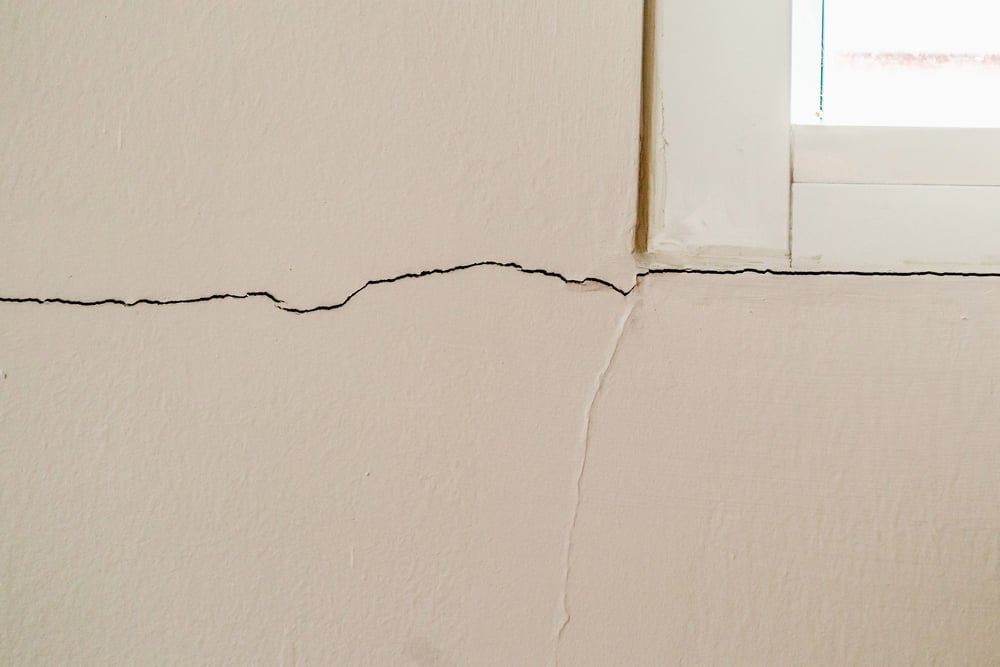
When the temperature drops and the rain starts settling in, small issues around your home can quickly turn into expensive problems. What might seem like a harmless crack or a minor leak now can escalate fast once winter hits—bringing moisture, cold air, and sometimes even structural damage along for the ride.
The good news? A bit of proactive maintenance can save you time, stress, and a fair chunk of money. Here’s a practical, no-fuss guide to tackling cracks and leaks before winter makes them worse.
1. Start With a Proper Walkaround Inspection
Before you fix anything, you need to know what you’re dealing with. Take a slow walk around your home—inside and out—and keep an eye out for:
- Cracks in walls, ceilings, and foundations
- Damp patches or water stains
- Dripping taps or visible pipe leaks
- Gaps around windows and doors
Don’t forget less obvious spots like under sinks, inside cupboards, and along skirting boards. Early signs of moisture or movement often hide in plain sight.
If you spot something you’re unsure about, it’s worth getting a second opinion. A qualified tradie can quickly tell you whether it’s cosmetic or something more serious.
2. Seal External Cracks Before Rain Gets In
Exterior cracks are one of the biggest culprits when it comes to winter damage. Even small gaps can let water seep in, leading to mould, rot, or internal damage.
Focus on:
- Brickwork and mortar joints
- Rendered walls
- Around window and door frames
Use a suitable exterior sealant for minor cracks, but be realistic—DIY fixes only go so far. If cracks are wide, growing, or uneven, it could point to structural movement, and that’s not something to guess your way through.
A licensed professional can assess the cause and recommend a proper fix, which is far cheaper than dealing with long-term water damage later.
3. Fix Roof Leaks Before They Multiply
A tiny roof leak in autumn can turn into a steady drip—or worse—during winter storms. By the time you notice water inside, the damage is already underway.
Common warning signs include:
- Water stains on ceilings
- Sagging plaster
- Mould growth in roof cavities
- Missing or damaged tiles
Roof work isn’t just about patching visible leaks; it’s about preventing future ones too. That might mean replacing tiles, resealing flashing, or clearing blocked valleys.
Given the safety risks and complexity, this is one job best left to experienced roofers who know how to spot issues you might miss.
4. Clear Gutters and Downpipes
Clogged gutters are a classic winter problem. When leaves and debris build up, water has nowhere to go—so it overflows, often into your roof, walls, or foundation.
Before winter sets in:
- Remove leaves and dirt from gutters
- Check for sagging or misaligned sections
- Ensure downpipes are draining properly
If your gutters are hard to access or heavily blocked, hiring someone with the right equipment can save you a risky ladder climb and ensure the job’s done properly.
5. Stop Draughts Around Windows and Doors
Cracks and gaps don’t just let water in—they let cold air in too. That means higher energy bills and a less comfortable home.
Check for:
- Gaps in window seals
- Worn-out weatherstripping
- Poorly fitted doors
Simple fixes like sealing gaps or replacing seals can make a noticeable difference. For older homes or persistent draughts, a professional can help with more effective solutions like re-fitting frames or installing better insulation.
6. Repair Plumbing Leaks Early

A slow drip might not seem urgent, but winter can make plumbing issues worse. Cold temperatures can cause pipes to contract, worsening existing leaks or even leading to bursts.
Look out for:
- Damp cabinets under sinks
- Water pressure drops
- Unexplained increases in your water bill
Fixing leaks early prevents water damage and keeps your plumbing system running efficiently. For anything beyond a simple washer replacement, it’s best to call in a licensed plumber.
7. Address Bathroom and Kitchen Moisture Issues
Wet areas are already prone to moisture, so any cracks or leaks here can quickly escalate.
Check:
- Grout and silicone seals around tiles
- Edges of sinks, tubs, and showers
- Cabinet bases and splashbacks
Re-sealing worn areas can help, but if water has already seeped behind surfaces, you might need a more thorough repair.
A professional can identify hidden moisture damage and make sure it’s fixed properly—not just covered up.
8. Keep an Eye on Foundation Cracks
Not all cracks are equal. Hairline cracks can be normal, but wider or shifting cracks may signal structural issues—especially if they’re getting worse.
Watch for:
- Cracks wider than a few millimetres
- Diagonal cracks near doors and windows
- Doors or windows sticking or misaligning
These signs shouldn’t be ignored. Getting expert advice early can prevent costly structural repairs down the track.
9. Don’t Ignore Mould and Damp Smells
Where there’s moisture, mould isn’t far behind. And winter conditions can make it spread quickly.
If you notice:
- Musty odours
- Black or green patches on walls or ceilings
- Persistent dampness
It’s important to address the source of the moisture, not just clean the surface. That might mean fixing a leak, improving ventilation, or repairing water-damaged areas.
A qualified tradie can help track down the cause and recommend a long-term solution.
10. Know When to Call in the Experts
There’s a lot you can handle yourself, but some jobs are simply better left to professionals. The key is knowing where that line is.
Consider bringing in a tradie if:
- The issue keeps coming back
- You’re dealing with roof, structural, or plumbing problems
- You’re unsure about the cause or extent of damage
Using a trusted platform like ServiceSeeking.com.au makes it easy to compare quotes, read reviews, and find reliable local tradies who are ready to tackle the job before winter sets in.
Final Thoughts
Cracks and leaks have a way of sneaking up on you—but winter doesn’t give you much room to ignore them. A bit of time spent inspecting and fixing small issues now can save you from major headaches when the cold and wet weather hits.
Think of it as getting your home winter-ready: sealing, repairing, and protecting it from the elements. And if the job feels bigger than a quick DIY fix, there’s no harm in getting help. In fact, it’s often the smartest move.