Whether you have buffalo, couch, kikuyu or another grass variety, it's never too late for your lawn. Here’s how to revive it after winter.

After months of cold weather, rain, frost and reduced sunlight, it is perfectly normal for your lawn to look a little worse for wear. You might be dealing with brown patches, thin grass, compacted soil, weeds or a layer of dead grass that seems determined to stick around.
The good news is that spring gives many Australian lawns the chance to bounce back.
Whether you have buffalo, couch, kikuyu or another grass variety, the key is to avoid rushing in with every lawn product you can find. A few well-timed jobs can help improve soil conditions, encourage healthy growth and get your backyard looking greener before summer arrives.
Here’s how to revive a lawn after winter, step by step.
1. Start by Assessing the Damage
Before mowing, fertilising or reseeding, take a closer look at your lawn.
Ask yourself:
- Is the grass genuinely dead, or simply dormant and slow-growing?
- Are there bare patches caused by foot traffic, pets or pests?
- Is the soil compacted?
- Are weeds taking over?
- Is there a thick layer of thatch or dead grass?
- Are certain areas struggling because of poor drainage or too much shade?
This first step matters because not every brown patch has the same cause. For example, compacted soil may need aeration, while a thin lawn may need repairing or reseeding.
If your lawn is mostly healthy but looks a bit tired, a simple spring maintenance routine may be enough. If large areas are bare, uneven or repeatedly failing to grow, it may be time to investigate the underlying issue.
2. Clear Away Leaves, Debris and Dead Grass
Winter can leave plenty behind. Fallen leaves, branches and other debris can block sunlight and trap moisture against the grass.
Start by giving the lawn a thorough clean-up. Rake away leaves and remove sticks, built-up clippings and other debris.
This is also a good time to check for thatch. Thatch is the layer of dead grass and organic material that can build up between the living grass and the soil. Too much can make it harder for water, air and nutrients to reach the root zone.
A metal rake can help remove this build-up. You do not necessarily need to strip the lawn bare, though. The goal is to remove excess dead material without causing unnecessary damage to grass that is beginning to grow again.
3. Deal With Weeds Before Feeding the Lawn
Winter weeds can quickly take advantage of a thin or slow-growing lawn. Common problems may include bindii, clover and other broadleaf weeds.
It is generally best to get weeds under control before applying fertiliser. Otherwise, you may end up feeding the weeds as well as your grass.
For a few weeds, hand removal may be enough. For a more widespread problem, consider a selective lawn weed treatment that is suitable for your particular grass type. Always check the label carefully before applying any product, as some treatments can damage certain lawn varieties.
A thicker, healthier lawn can also help crowd out future weeds, so weed control and lawn recovery often go hand in hand.
4. Aerate Compacted Soil
If your lawn gets plenty of foot traffic, winter rain or regular use from kids and pets, the soil may have become compacted.
Compacted soil makes it harder for water, oxygen and nutrients to reach the roots. Aeration helps relieve this by creating openings in the soil.
For a small lawn, you may be able to use a garden fork. Larger lawns may benefit from a mechanical aerator or corer.
Timing is important, particularly for warm-season grasses. Major renovation work is generally best done when the grass is actively growing and has enough warm weather ahead to recover. In cooler parts of Australia, this may be later in spring than in warmer regions.
5. Repair Bare and Thin Patches
Once the lawn is clean and the soil is in better condition, turn your attention to bare spots.
The right repair method depends on your lawn type and the extent of the damage. Options may include:
- Overseeding suitable lawn varieties
- Installing new turf
- Encouraging existing grass to spread into small bare areas
- Top-dressing uneven or worn sections
If you are using lawn seed, preparation is important. Good seed-to-soil contact and consistent moisture can improve establishment.
It is also worth remembering that not every Australian lawn is best repaired with seed. Buffalo, couch and kikuyu lawns may be better suited to different repair methods depending on the variety and condition of the lawn. For warm-season grasses, repair and overseeding should generally be timed for active growth rather than immediately after the last cold day.
6. Feed Your Lawn When It Is Ready to Grow
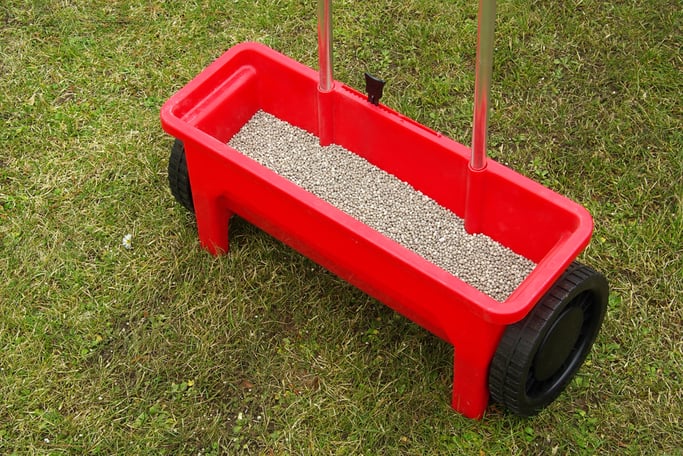
Spring is often when a lawn starts demanding more nutrients again.
Once weeds are under control and the grass is actively growing, applying an appropriate lawn fertiliser can help support healthy colour and growth. Slow-release fertilisers can provide a more gradual supply of nutrients, but the best choice will depend on your lawn type, soil and local conditions.
Avoid assuming that more fertiliser equals a better lawn. Overdoing it can create problems and waste money. Follow the product instructions and consider testing your soil if your lawn repeatedly struggles despite regular maintenance.
A healthy lawn needs more than fertiliser alone. Soil condition, drainage, sunlight and watering habits all play a role in how well your grass responds.
7. Water Deeply and at the Right Time
As temperatures rise, your lawn may need more water, particularly if spring is dry.
Rather than automatically watering every day, pay attention to rainfall, soil moisture and the needs of your grass. Deep, less frequent watering can encourage roots to grow further into the soil once the lawn is established.
Morning is generally the best time to water because it gives the grass time to dry as the day progresses.
If water seems to sit on the surface, run off quickly or struggle to soak in, compacted or water-repellent soil may be contributing to the problem. Aeration and appropriate soil treatments may help improve water penetration.
8. Start Mowing Again, but Do Not Scalp the Lawn
One of the easiest mistakes to make after winter is cutting the lawn too short in an attempt to make it look neat.
Instead, start gradually. As the grass begins actively growing, mow regularly and avoid removing too much leaf at once. Cutting too low can stress the lawn and expose the soil, which can create opportunities for weeds.
Your ideal mowing height will depend on the grass variety, climate and season. If you are unsure, check the requirements for your specific lawn type before reaching for the mower.
Regular mowing can encourage a denser, healthier lawn, but patience is important. A lawn recovering from winter does not need to be forced into looking perfect overnight.
9. Top-Dress Uneven Areas
If your lawn has low spots, bumps or worn sections, top-dressing may help level the surface and improve growing conditions.
Apply a suitable top-dressing material in a thin layer, making sure you do not completely bury healthy grass. The right mix can depend on your soil and lawn type, so it is worth getting advice if you are dealing with serious drainage or levelling problems.
For larger lawns or significant unevenness, professional equipment and expertise can make the job far easier than tackling everything with a wheelbarrow and rake.
10. Get Professional Help for Bigger Lawn Problems
Sometimes, a tired lawn needs more than a weekend of DIY.
Persistent bare patches, poor drainage, compacted soil, pest damage or an uneven surface may point to a bigger landscaping issue. A professional gardener, lawn specialist or landscaper can help identify the cause and recommend the most practical solution.
Whether you need lawn repair, turf installation, garden maintenance, landscaping or help getting your outdoor space ready for spring and summer, you can post your job on ServiceSeeking.com.au and compare quotes from suitable local professionals.
Bring Your Lawn Back to Life This Spring
Reviving a lawn after winter does not have to mean starting from scratch. In many cases, a little clean-up, weed control, aeration, feeding and consistent care can make a noticeable difference as the weather warms.
The key is to work with your lawn's natural growing cycle. Give it the right conditions, avoid stressing it too early in the season and address underlying problems rather than simply covering them up with fertiliser.
And if your lawn needs more than a rake and a weekend of effort, finding the right help can save you time and guesswork. Post your gardening or landscaping job on ServiceSeeking.com.au, compare quotes and hire a professional to help get your backyard looking its best for the warmer months ahead.