Regular home maintenance can help you catch small problems. Here are 7 ways regular property maintenance can help protect its value.

Owning a home is a major investment, so it makes sense to protect it like one. While location, land size and market conditions all influence what a property is worth, the condition of the home matters too. Maintenance issues can affect how buyers perceive a property and may become bargaining points when it is time to sell.
The good news? Protecting your property value doesn't always mean taking on a massive renovation. Regular home maintenance can help you catch small problems before they become expensive repairs, keep your home looking its best and make it easier to present when you're ready to sell.
Here are seven ways regular property maintenance can help protect your home's value.
1. Prevent small problems from becoming expensive repairs
A dripping tap might not seem like a big deal. Neither does a small crack, blocked gutter or patch of peeling paint.
But small maintenance issues can sometimes point to bigger problems. Water leaks, for example, can contribute to damage if they're left unchecked. Recent insurance research reported that escape-of-water claims increased in Australia, highlighting how seemingly minor plumbing issues can turn into costly problems.
Regular maintenance gives you the opportunity to spot issues early and deal with them before they become major repair jobs.
That could mean:
- Fixing leaking taps and toilets
- Checking for water stains or damp patches
- Clearing gutters and downpipes
- Repairing damaged roof tiles
- Replacing worn seals around windows and doors
- Addressing cracks before they worsen
Spending a little on maintenance today can be preferable to dealing with a much bigger repair bill later.
2. Protect your home's structural condition
Your home's structure is one of its most important assets. Roofs, walls, foundations, balconies, decks and external structures all need attention over time.
Australia's weather can be particularly tough on properties. Heavy rain, storms, heat and humidity can accelerate wear and tear, particularly on outdoor areas.
Regular inspections can help identify issues such as:
- Roof damage
- Rotting timber
- Cracked masonry
- Deteriorating outdoor structures
- Drainage problems
- Water penetration
You don't necessarily need to inspect every part of your home yourself. A qualified tradie or building professional can identify issues that aren't always obvious to an untrained eye.
The earlier you know about a problem, the more options you generally have for fixing it.
3. Keep your home looking well cared for
Property value isn't just about what's happening behind the walls. Presentation matters, too.
When buyers inspect a property, they can form an impression based on relatively small details. Peeling paint, overgrown gardens, damaged fencing or worn-out fixtures can make a home feel neglected.
In fact, real estate advice consistently highlights the importance of addressing outstanding maintenance before putting a property on the market.
Regular upkeep can include simple jobs such as:
- Touching up exterior paint
- Maintaining lawns and gardens
- Cleaning gutters
- Pressure cleaning outdoor areas
- Repairing fences and gates
- Fixing damaged doors and handles
- Keeping bathrooms and kitchens in good condition
You don't need to make your home look brand new. The goal is to show that it has been properly cared for.
4. Reduce the risk of moisture and mould problems
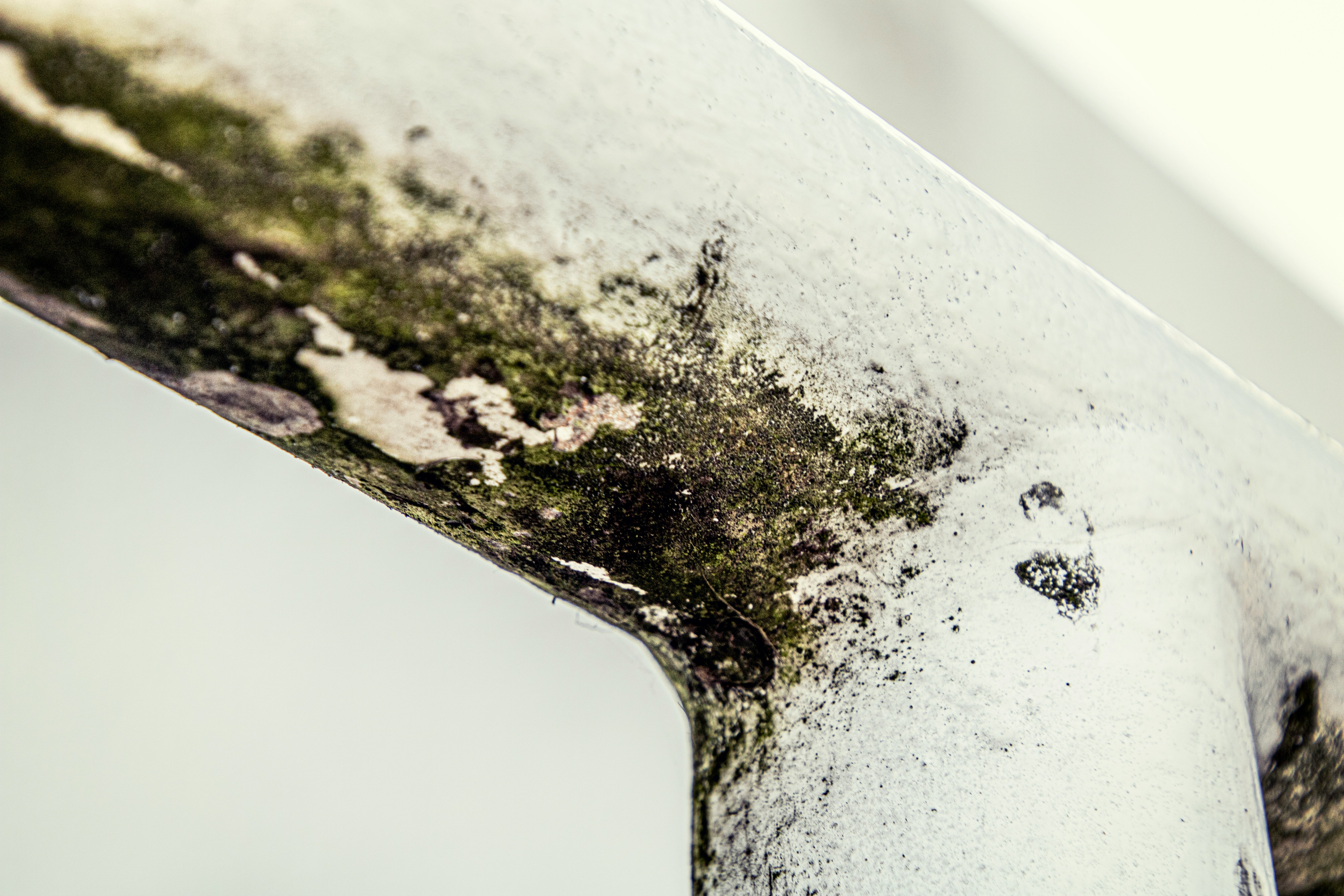
Water is one of a property's biggest enemies.
A leaking roof, blocked gutter, faulty plumbing connection or damaged waterproofing can allow moisture to get where it shouldn't. Over time, that can contribute to mould, timber damage, staining and deterioration.
This is particularly important in areas such as bathrooms, laundries, kitchens, roofs and balconies.
Regularly checking these areas can help you identify warning signs early. If you notice persistent dampness, mould, unexplained stains or water damage, it's worth getting the underlying issue assessed rather than simply covering it up.
A fresh coat of paint might hide a stain temporarily, but it won't fix the leak causing it.
5. Maintain energy efficiency and everyday comfort
Maintenance isn't only about preventing dramatic problems. It can also help your home remain comfortable and efficient.
Simple improvements such as maintaining air conditioning systems, sealing gaps around doors and windows, cleaning gutters and keeping insulation in good condition can help your home perform better.
Depending on the property, you might also consider having professionals check:
- Air conditioning and heating systems
- Roof and ceiling insulation
- Windows and doors
- Plumbing fixtures
- Electrical systems
- Ventilation and exhaust fans
Energy efficiency is increasingly relevant to Australian homeowners, but it's important to choose improvements that make sense for your particular property rather than spending money simply because something is trendy.
6. Make your property easier to sell when the time comes
You might not be planning to sell for another five or ten years. That's exactly why regular maintenance is useful.
Instead of reaching sale time with a long list of repairs, you'll have been addressing problems progressively.
This can make the property easier to prepare for inspections and potentially reduce the amount of work required before listing.
Property condition is one of the factors considered when assessing a home's value, alongside things such as location, land size, features, improvements and comparable sales.
And remember: maintenance isn't the same as renovation. You don't need to completely remodel your kitchen or add a new room every few years to protect your investment.
Sometimes, simply keeping everything functional, clean and well maintained is the smarter approach.
7. Get the right tradie for jobs you can't safely DIY
There are plenty of maintenance jobs homeowners can handle themselves. Changing a light globe or cleaning a garden is one thing. Electrical work, plumbing, roofing and structural repairs are another.
Trying to save money by tackling specialised work yourself can create bigger problems if the job isn't completed properly.
Instead, use a qualified professional when the work requires specialist skills, equipment or knowledge.
That's where ServiceSeeking.com.au can help.
Regular maintenance is an investment in your home
There's no guaranteed formula for increasing your property's value. Market conditions, location, comparable sales and the features of your home all play a role.
But regular maintenance can help protect what you've already got.
Think of it as preventative care for your biggest asset. Fix the small things, keep an eye on potential problem areas and bring in a qualified tradie when a job is beyond your DIY skills.
You don't have to wait until you're preparing for an open home, either. By maintaining your property throughout the year, you can enjoy a safer, more comfortable home now while helping keep it in good condition for whatever comes next.
FAQs
How often should you maintain your home?
Basic home maintenance should be ongoing, with seasonal checks for areas such as gutters, roofing, plumbing, outdoor structures and gardens. Specialist systems should be serviced according to the manufacturer's recommendations and relevant professional advice.
Does home maintenance increase property value?
Regular maintenance doesn't guarantee an increase in property value, but keeping a home in good condition can help protect its appeal and reduce visible maintenance issues that may affect buyer perceptions and valuations.
What home maintenance should I prioritise?
Start with anything that could cause further damage if ignored, particularly leaks, roof problems, drainage issues, electrical faults, structural concerns and significant moisture problems. Cosmetic repairs can follow once urgent issues are addressed.
Should I hire a tradie for home maintenance?
For specialised or potentially hazardous work, hiring a qualified tradie is generally the safer choice. A professional can identify problems, recommend appropriate repairs and complete work that requires specialist knowledge or equipment.
Where ServiceSeeking comes in
ServiceSeeking connects homeowners with local professionals across a wide range of home services, making it easier to find the right person for maintenance and repair jobs.
Whether you need a plumber to investigate a leak, a roofer to check your roof, an electrician to address an electrical issue or a handyman for those smaller jobs around the house, you can compare professionals and get quotes through the marketplace.