Spring is a good time to check your home for moisture problems and deal with the source before warmer weather arrives. Here's how.
Winter can leave Australian homes damp, particularly after weeks of rain, cooler temperatures and less ventilation. By spring, you may start noticing mould, musty smells, condensation or damp patches that weren't there before.
While a small amount of moisture isn't necessarily a major concern, recurring dampness or mould can be a sign that there's a bigger problem that needs attention.
Spring is a good time to check your home for moisture problems and deal with the source before warmer weather arrives.
So, how do you check your home for mould, damp and moisture problems?
Look for visible mould, water stains, condensation, musty smells and areas that remain damp. Then work out where the moisture is coming from rather than simply cleaning the visible mould.
Checking for mould and damp is one of several jobs worth tackling after winter. For a broader overview of what to check around your property this season, see our spring home maintenance checklist.
1. Look for visible mould
Start by checking the areas of your home where mould is most likely to appear.
Look around:
- Bathroom walls and ceilings
- Shower areas
- Window frames and sills
- Wardrobes
- Laundries
- Kitchens
- Ceilings
- Behind furniture
- Areas with poor ventilation
Mould can appear as black, green, white or other coloured spots or patches, depending on the type and surface.
Don't assume that simply wiping it away will solve the problem. If the area remains damp, mould can return.
2. Pay attention to musty smells
You don't always see moisture problems straight away.
A persistent musty or earthy smell can be a clue that there's dampness or mould somewhere nearby, particularly in enclosed areas such as cupboards, wardrobes, under-floor spaces or roof cavities.
If a room smells damp even after you've cleaned it and allowed it to air out, investigate further.
The source could be a leak, condensation, poor ventilation or moisture getting into the building from outside.
3. Check for condensation
Condensation is common during cooler weather when warm, moist indoor air comes into contact with cold surfaces.
You may notice water droplets on windows, mirrors, walls or other surfaces.
Occasional condensation isn't necessarily a sign of a serious problem. However, persistent condensation can contribute to mould and moisture damage if surfaces remain wet.
Check whether condensation is concentrated in particular rooms or areas and consider whether ventilation is adequate.
Bathrooms, kitchens and laundries are particularly worth checking because they naturally produce more moisture.
4. Inspect your windows and window frames
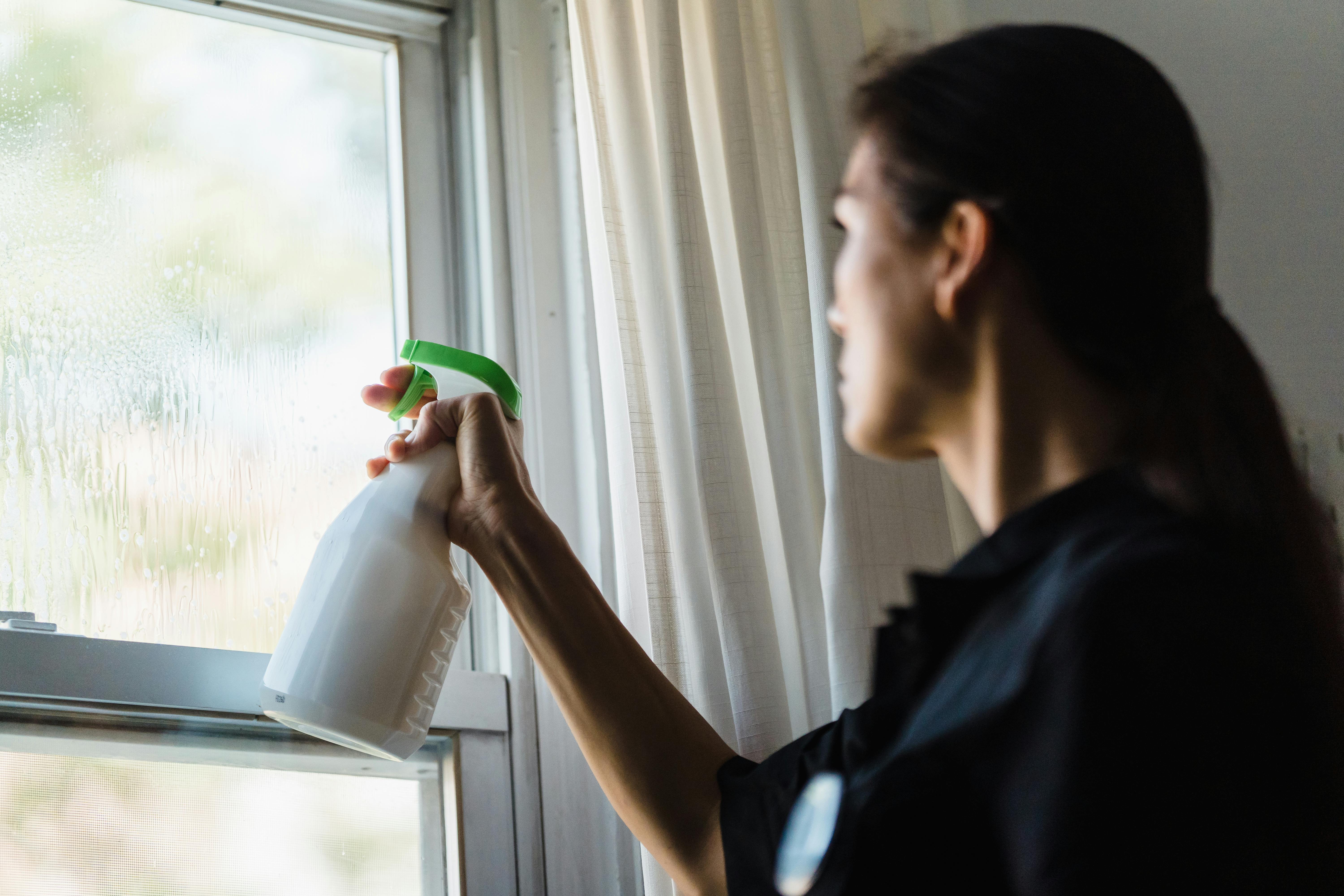
Windows can provide useful clues about what's happening with moisture inside your home.
Look for condensation, mould, water stains, damaged seals and dampness around frames and sills.
If water appears after rain, there may be an issue with the window, surrounding sealant or another part of the building.
If you find recurring moisture around your windows, don't simply keep wiping it away. Find out why it's happening.
For more information about checking this part of your home, read our article on how to check your windows, doors and seals.
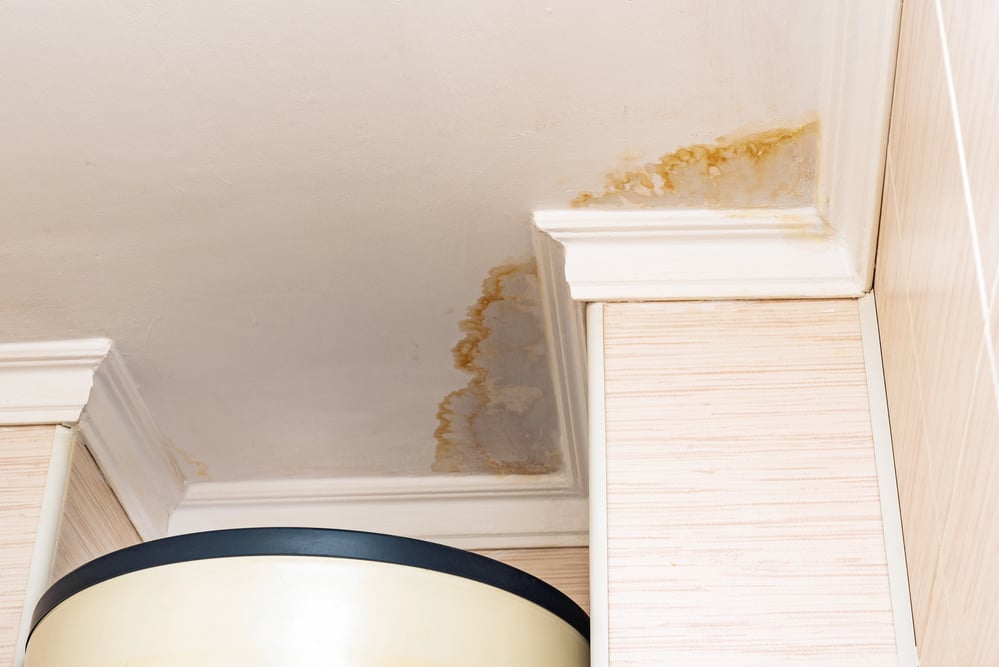
5. Check your ceilings and walls for water stains
Water stains are one of the more obvious signs that moisture may be getting into your home.
Look for yellow, brown or discoloured patches on ceilings and walls. Peeling paint, bubbling surfaces or damaged plaster can also indicate that an area has been exposed to moisture.
Pay particular attention to ceilings below roofs, bathrooms and areas around windows.
If you notice a new or recurring water stain, don't just paint over it. The underlying source needs to be identified first.
A roofer, plumber or other appropriate professional can help determine where the moisture is coming from.
6. Inspect your roof and gutters
Moisture inside your home can sometimes start outside.
Damaged roof tiles, blocked gutters, leaking flashing and problems with downpipes can all contribute to water entering your home.
From a safe position on the ground, look at your roof and gutters for obvious signs of damage or blockage.
If you find something concerning, have it professionally assessed rather than climbing onto the roof yourself.
Spring is a particularly useful time to make these checks before stormier weather arrives.
You can also read our guide on how to check your home for winter damage for a broader inspection of areas that may have been affected during winter.
7. Check bathrooms and wet areas
Bathrooms naturally produce a lot of moisture, so they're one of the first places to check.
Look for mould around showers, baths, sinks, ceilings and grout. Check whether exhaust fans are working and whether moisture clears reasonably quickly after a shower.
Also inspect silicone and sealant around wet areas for cracks, gaps or deterioration.
If water is escaping through damaged seals or the room isn't ventilating properly, simply cleaning the mould won't address the underlying issue.
A plumber, bathroom specialist or other appropriate tradie can investigate persistent leaks or moisture problems.
8. Check your laundry and kitchen
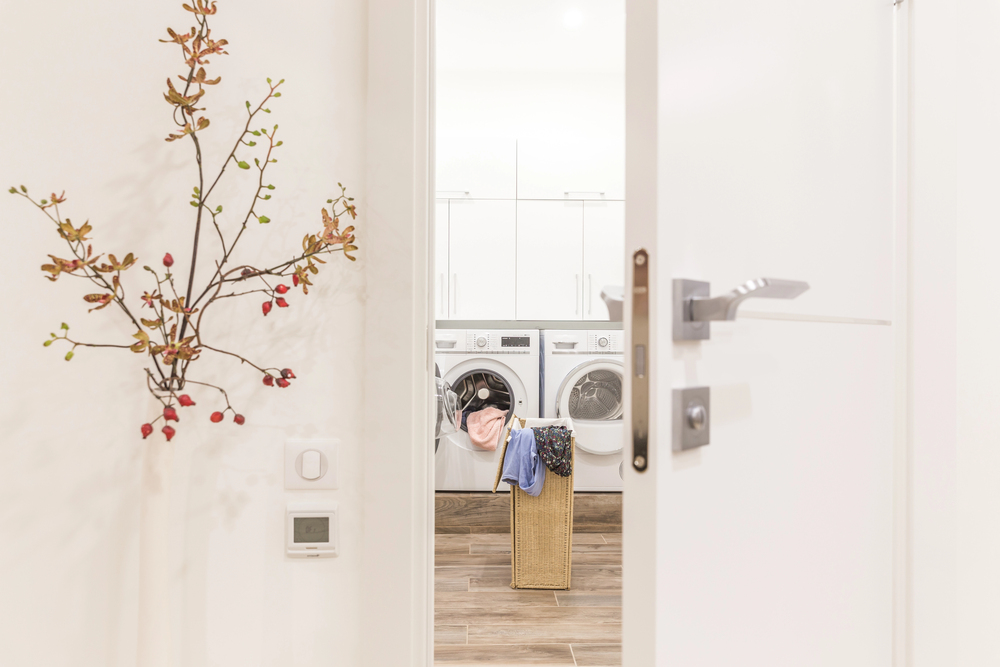
Laundries and kitchens can also create significant amounts of moisture.
In the laundry, check around washing machines, taps, hoses, sinks and drainage points for leaks or dampness.
In the kitchen, inspect under the sink, around plumbing connections and near appliances that use water.
Look for swollen cabinetry, peeling surfaces, mould or unexplained moisture.
A small plumbing leak can go unnoticed for a long time, so don't ignore dampness just because there's no obvious puddle.
9. Check enclosed and poorly ventilated areas
Mould doesn't always grow in obvious places.
Open wardrobes, cupboards and other enclosed spaces and check for musty smells, condensation or visible mould.
Move furniture slightly away from external walls where practical and inspect behind it for dampness or mould.
Rooms with limited airflow can allow moisture to linger, particularly during cooler weather.
Improving ventilation may help, but if moisture continues to return, there could be an underlying leak or building issue that needs investigation.
10. Check your roof cavity if it's safe to access
Your roof cavity can reveal problems that aren't visible from inside your living spaces.
If it's safe and accessible, look for damp insulation, water marks, mould, wet timber or signs of water entry.
Don't enter a roof cavity if you can't do so safely, and never interfere with electrical wiring or other services.
If you find signs of moisture, get a suitable professional to inspect the area and identify the source.
A roof leak, plumbing issue or ventilation problem may all produce moisture in a roof cavity.
11. Don't just clean the mould — find the source
Cleaning visible mould can improve the appearance of a surface, but recurring mould usually means there's still a source of moisture.
Ask yourself:
Where is the moisture coming from?
It could be caused by:
- A leaking roof
- Blocked or damaged gutters
- Plumbing leaks
- Poor ventilation
- Condensation
- Water entering through windows
- Damaged waterproofing
- Poor drainage
Once the source has been identified and addressed, the affected area can be properly cleaned or repaired.
If you're unsure what is causing the problem, getting professional advice can save you from repeatedly treating the same patch of mould.
12. Know when to call a professional
A professional assessment is worth considering when dampness or mould is extensive, keeps returning or appears to be caused by a leak or building defect.
The right tradie will depend on the source of the problem. You may need a plumber for a leak, roofer for roof-related water entry, or another appropriately qualified professional for ventilation, waterproofing or building issues.
If you're dealing with extensive mould, particularly after significant water damage, professional assessment and remediation may also be appropriate.
Get on top of moisture problems this spring
Mould and dampness are easier to deal with when you identify the cause early.
Start by checking the obvious trouble spots: bathrooms, kitchens, laundries, windows, ceilings, wardrobes and other poorly ventilated areas. Look for mould, condensation, musty smells and water stains, then investigate where the moisture is coming from.
If you need help identifying or fixing the source, you can use ServiceSeeking.com.au to find local tradies. Post your job, receive quotes and compare your options before choosing a professional.