House Repair and Maintenance
Spring is a good time to check these areas before the weather gets hotter and you start relying more heavily on cooling and ventilation.

After a wet and windy winter, your windows and doors may need a little attention. Damaged frames, worn seals and small gaps can let in water, draughts, dust and unwanted outdoor air, while condensation and moisture around windows can contribute to mould and other problems.
Spring is a good time to check these areas before the weather gets hotter and you start relying more heavily on cooling and ventilation.
So, how do you check your windows, doors and seals?
Start by inspecting the frames, glass, hinges, locks and seals for visible damage. Then look for signs of water entry, draughts or moisture inside your home.
Checking windows and doors is just one part of a broader spring maintenance routine. For the complete checklist, see our full article on spring home maintenance checklist.
1. Inspect your window frames
Start by walking around your home and looking closely at each window.
Check the frame for cracks, gaps, peeling paint, swelling, mould or other signs of deterioration. Timber frames can be particularly susceptible to moisture damage if water has been getting in over time.
Pay extra attention to windows that are exposed to heavy rain or strong winds.
If you notice damage around a window, don't just cover it with a fresh coat of paint. Work out whether moisture is getting in and address the underlying issue first.
2. Check your window seals
Window seals help prevent water and outdoor air from entering around the edges of your windows.
Over time, seals can crack, shrink, deteriorate or become loose.
Look for:
- Cracked or missing sealant
- Gaps around the frame
- Deteriorated rubber seals
- Peeling or damaged caulking
- Visible moisture around the window
Damaged seals can be relatively simple to fix, but the appropriate repair depends on the type and condition of your windows.
If you're unsure whether a seal needs replacing or resealing, a glazier or suitable window professional can assess it for you.
3. Look for signs of water getting inside
Winter rain can expose problems that aren't obvious during dry weather.
Check the walls and surfaces around your windows for water stains, bubbling paint, mould or damp patches.
You may also notice moisture collecting on the inside of the frame after heavy rain.
If water is getting through, don't assume replacing the visible seal will always solve the problem. The issue could be related to the frame, flashing, surrounding wall or another part of the building.
If you're unsure where the water is coming from, get the problem professionally assessed by a waterproofer.
4. Check your doors for gaps

Your external doors are another potential entry point for water and draughts.
Close each door and look around the edges for visible gaps. Check whether the door sits evenly within its frame and whether you can feel air coming through when it's closed.
Also look for signs such as:
- Cracked or damaged seals
- Gaps underneath doors
- Water stains
- Swollen timber
- Peeling paint
- Damaged door frames
A small gap might not seem like a major issue, but it can make your home less comfortable and allow moisture or outdoor air inside.
5. Test your door seals
Weather seals around external doors can deteriorate with age and exposure to the elements.
Check the rubber or brush seals around the door frame and underneath the door. If they're cracked, compressed, loose or missing, they may no longer be doing their job properly.
Replacing worn seals can be a relatively straightforward maintenance task, depending on the door.
If the door itself is warped or the frame has moved, however, a bigger door repair may be needed.
6. Check your locks, hinges and handles
Spring maintenance isn't just about preventing water and draughts.
Test your windows and doors to make sure they open, close and lock properly.
Look for stiff hinges, loose handles, damaged locks and windows that don't sit correctly in their frames.
Don't force a window or door that is difficult to open. Forcing it can make the problem worse or damage the frame.
A locksmith, glazier, carpenter or handyman may be able to repair the hardware or adjust the door or window so it operates properly again.
7. Check for condensation and mould
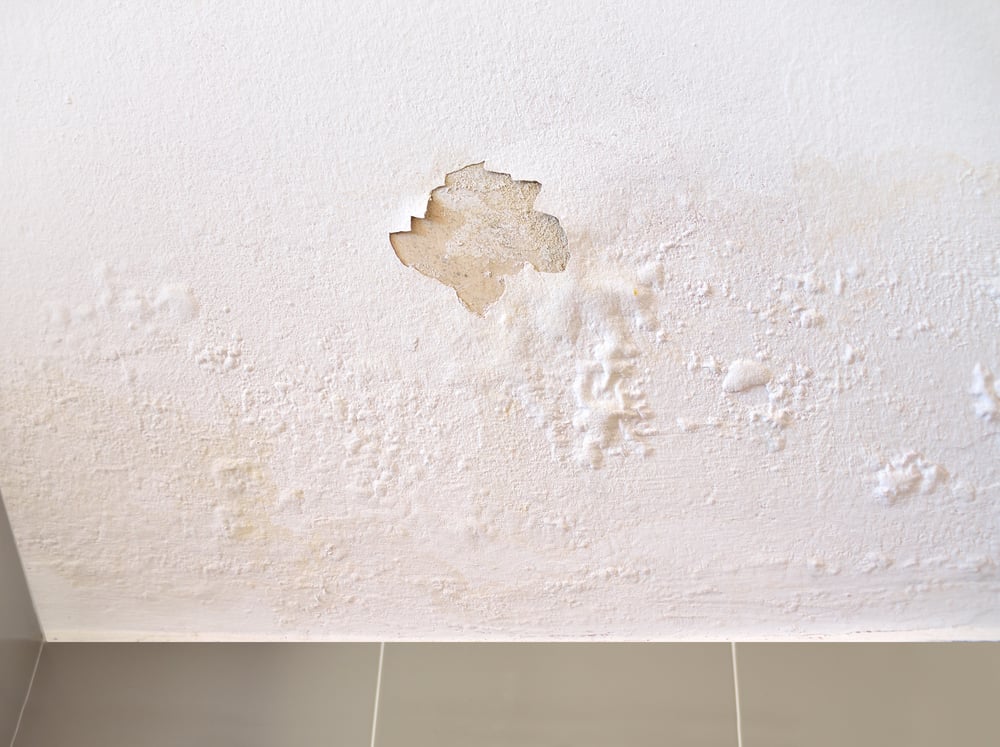
Condensation around windows can become more noticeable during cooler months, but recurring moisture shouldn't simply be ignored.
Check window frames, sills, curtains and nearby walls for mould, dampness or discolouration. If mould keeps returning, there may be an underlying issue involving ventilation, moisture or water ingress.
Cleaning the mould may remove the visible problem, but it won't necessarily address what's causing it. If you're regularly dealing with condensation or mould around your windows, consider getting the area assessed to identify the source.
8. Inspect flyscreens and security screens
With warmer weather approaching, you'll probably want to open your windows and doors more often. Spring is a good time to check your flyscreens and security screens before you need them.
Look for:
- Tears or holes in mesh
- Loose frames
- Damaged clips
- Broken locks
- Gaps around the edges
- Doors that don't close properly
Repairing damaged screens now means they're ready for summer and can help keep insects outside while allowing fresh air into your home.
9. Check your sliding doors and tracks
Sliding doors can collect dirt and debris in their tracks, which can make them harder to open and close.
Vacuum or clean the tracks and check for obvious damage. Make sure rollers are working correctly and the door closes securely.
If the door is sticking, scraping or jumping off the track, don't keep forcing it.
A professional can inspect the rollers, tracks and frame and determine whether they need cleaning, adjustment or replacement.
10. Check around doors and windows after rain
One of the easiest ways to identify a potential problem is to check your windows and doors after rainfall.
Look around the frames and sills for fresh water, damp patches or signs of water running into the home.
Outside, check whether water is pooling around the window or door rather than draining away.
If you spot a recurring issue after rain, take note of where it occurs and when. This information can help a tradie identify the source of the problem more quickly.
11. Fix small problems before summer
Spring is a good time to deal with minor window and door repairs before they become more noticeable during summer.
Worn seals, damaged screens and sticking doors might not seem urgent, but they're worth adding to your maintenance list.
Prioritise anything that is allowing water into your home or causing damage, followed by issues affecting security, comfort or everyday use.
If several windows or doors need attention, it may also be worth getting them assessed together rather than dealing with individual problems one at a time.
12. Know when to call a professional
Some window and door maintenance is simple enough to handle yourself, but other problems require specialist skills.
Consider hiring a professional if you have:
- Persistent water leaks
- Damaged or cracked glass
- Significant frame damage
- Windows that won't open or close
- Broken locks
- Warped doors
- Extensive mould or damp
- Large gaps around frames
- Difficult-to-access windows
The right professional will depend on the problem. A glazier may be appropriate for glass or window issues, while a carpenter, locksmith, handyman or other tradie may be better suited to different repairs.
Get your windows and doors ready for warmer weather
Checking your windows, doors and seals is a small job that can make a noticeable difference to your home.
Start by looking for damage, gaps, moisture and worn seals. Test your windows and doors, clean tracks and screens, and arrange repairs for anything that isn't working properly.
If you need help with repairs or maintenance, you can use ServiceSeeking.com.au to find local tradies. Post your job, receive quotes and compare your options before choosing a professional.
Once you've finished checking your windows and doors, continue working through your wider spring home maintenance checklist. Your roof, gutters, exterior walls, outdoor areas and other parts of the home may also need attention after winter.
Getting these smaller jobs sorted in spring can help you head into summer with a home that's more comfortable, secure and ready for whatever the weather brings.