Landscaping and Gardening
Explore kitchen splashback options for style, durability, and easy cleaning. Find the right fit for your space and get expert help to install it right.
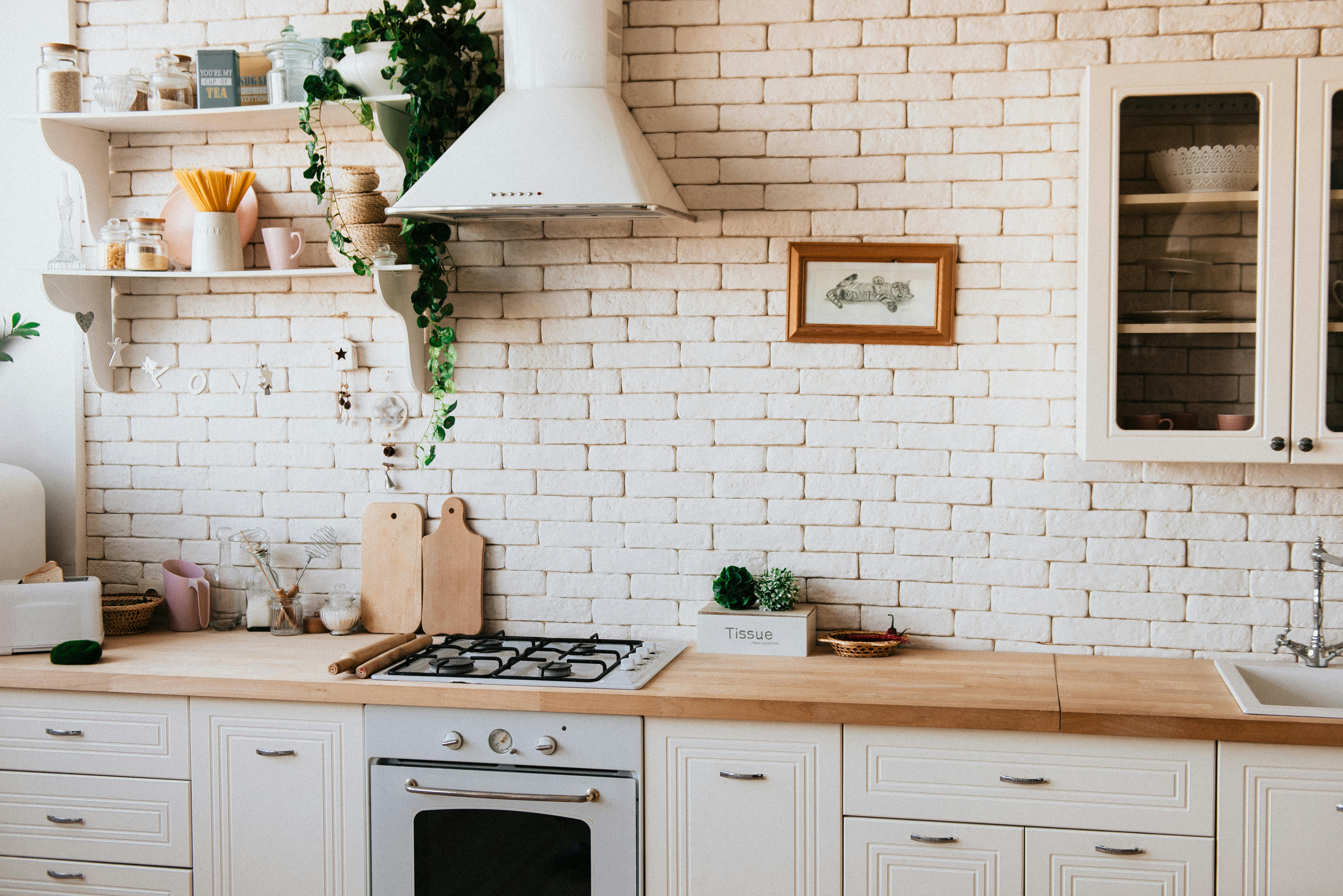
Choosing the right kitchen splashback options is one of the final decisions that can shape how your kitchen looks and performs day to day. While cabinets and benchtops tend to set the foundation, the splashback ties everything together while protecting your walls from heat, moisture, and cooking residue.
Today’s splashbacks are expected to do more than protect surfaces. They influence how easy your kitchen is to maintain, how light moves through the space, and how well different materials work together. The key is finding a balance between appearance, durability, and upkeep.
Here’s what homeowners should know before making a decision.
What a Splashback Needs to Do
A splashback sits behind your cooktop, sink, or benchtop areas, so it needs to handle regular exposure to water, oil, and heat. At the same time, it’s often positioned at eye level, making it a visible design feature in open-plan homes.
A well-chosen splashback should:
- Resist stains and moisture
- Be easy to clean
- Handle heat from cooking zones
- Work with your cabinetry and benchtop finishes
Once these basics are covered, the material and design come down to preference and budget.
Popular Kitchen Splashback Materials
Tiles
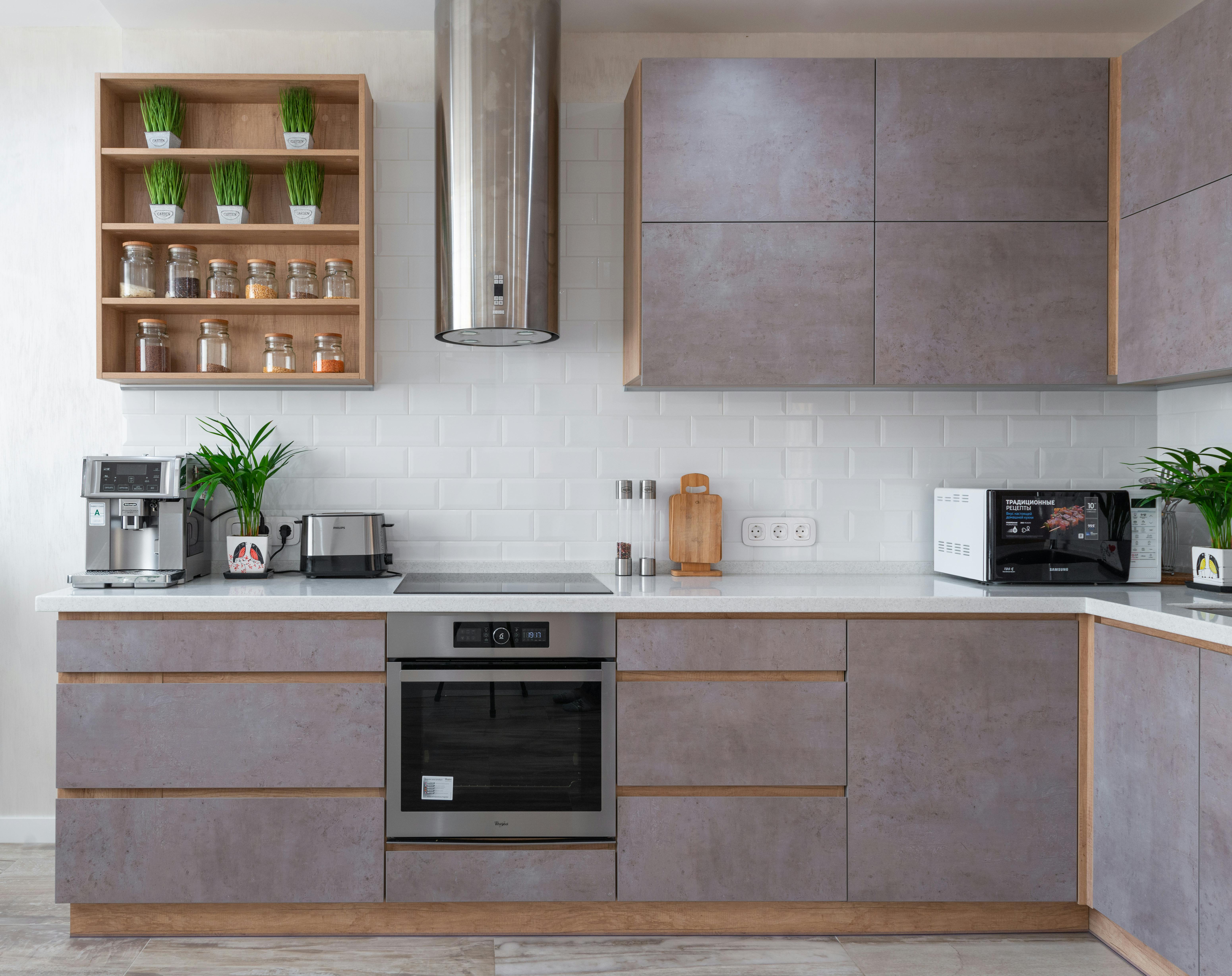
Tiles remain one of the most widely used kitchen splashback options, mainly because of their flexibility in colour, size, and layout.
They can suit almost any style, whether you prefer simple subway tiles, textured finishes, or patterned designs. Smaller tiles can introduce more visual detail, while larger tiles reduce grout lines for a cleaner look.
That said, grout is often the main consideration. Over time, it can absorb grease or discolour if not sealed properly. Many homeowners now opt for darker grout or upgraded grout types to minimise maintenance.
Tiles tend to suit kitchens where you want some variation or texture without committing to a single solid surface.
Glass
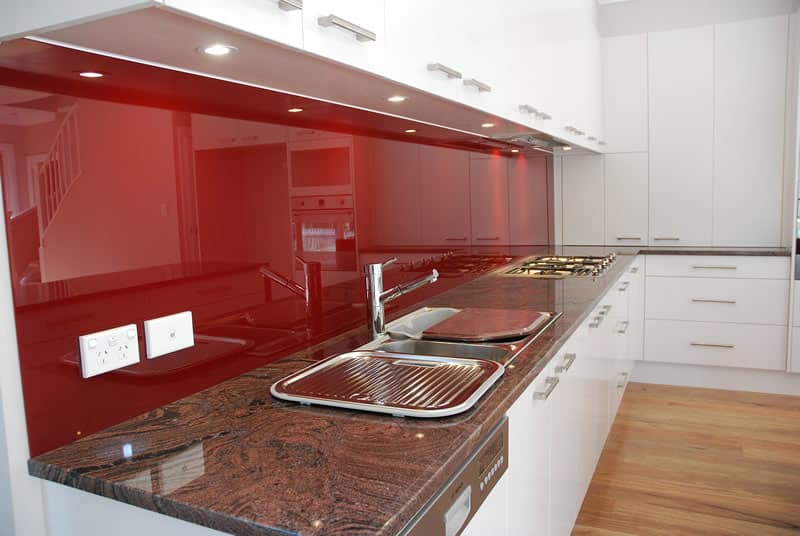
Glass splashbacks offer a smooth, seamless finish with no grout lines. They are usually custom cut and can be colour-matched to walls, cabinetry, or even bold feature tones.
They reflect light well, which can help smaller kitchens feel more open. Cleaning is straightforward since there are no joins, though smudges and streaks can be more visible depending on lighting and colour choice.
Glass is often used in modern kitchens where a clean, uninterrupted surface is preferred.
Stone and Engineered Stone
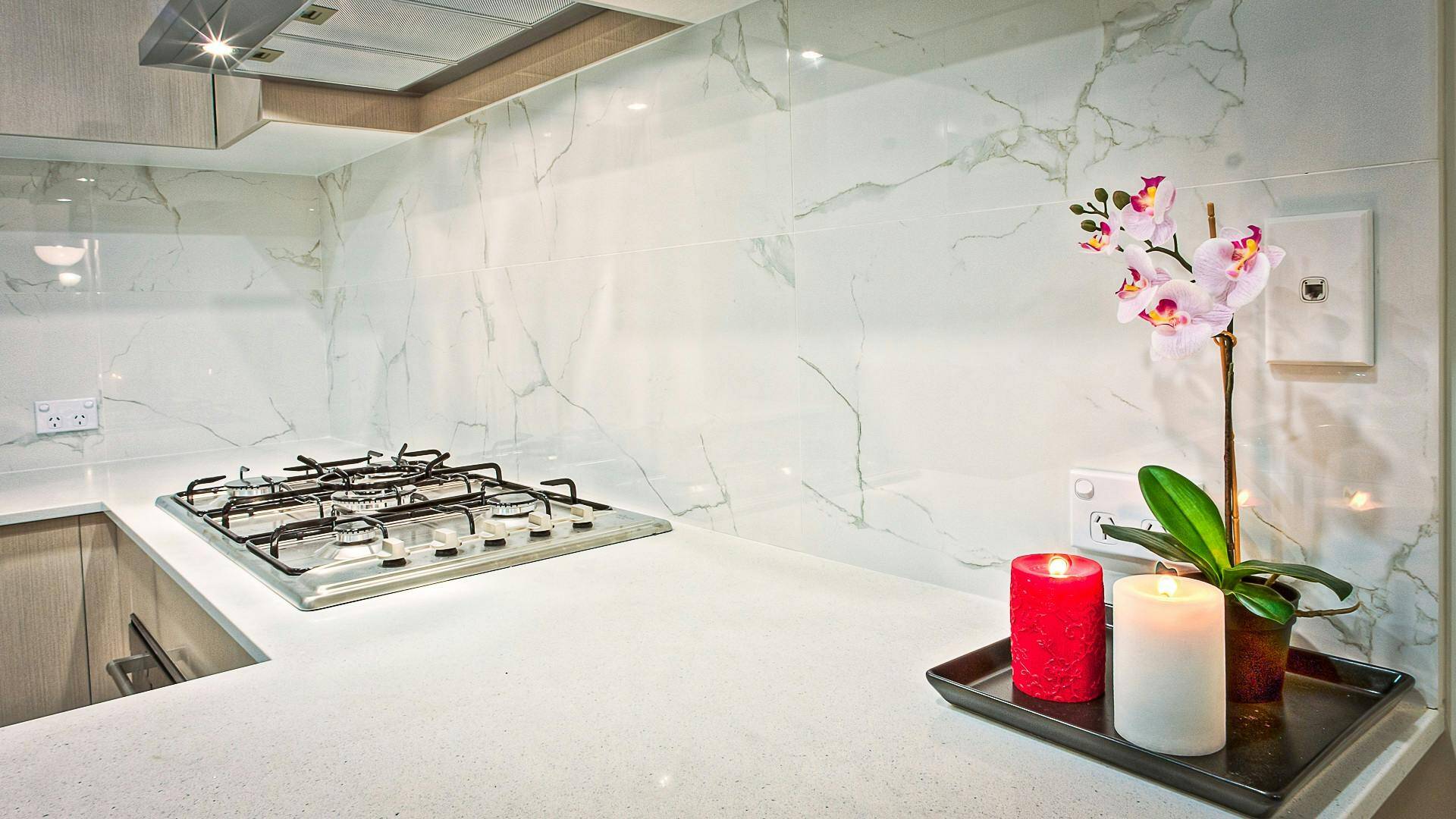
Using the same material as your benchtop for the splashback creates a continuous look. This approach is common in contemporary kitchens where a streamlined finish is the goal.
Stone surfaces can feel more refined, especially when paired with matching benchtops, but they do come at a higher price point. Some materials may also require sealing and careful maintenance to prevent staining.
It’s worth noting that certain engineered stone products have heat limitations, so proper installation around cooktops is important.
Stainless Steel
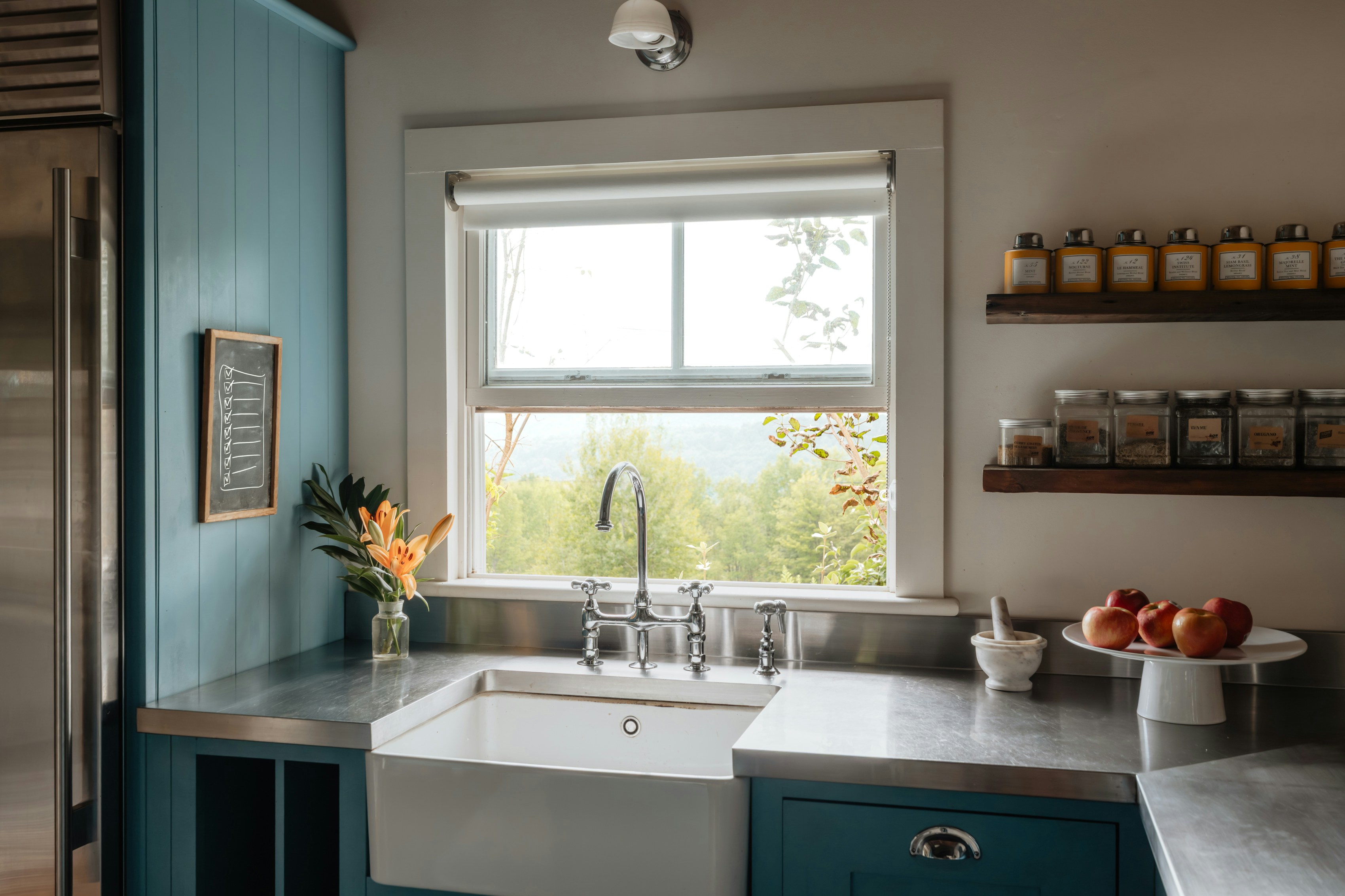
Stainless steel is often seen in commercial kitchens, but it has found its way into residential spaces as well.
It handles heat well and is resistant to water, making it a practical option behind cooktops. It’s also relatively easy to wipe down, though it can show fingerprints and marks.
This material works best in kitchens with a more industrial or minimalist style, or when used as a feature just behind the cooking area.
Mirror and Metallic Finishes
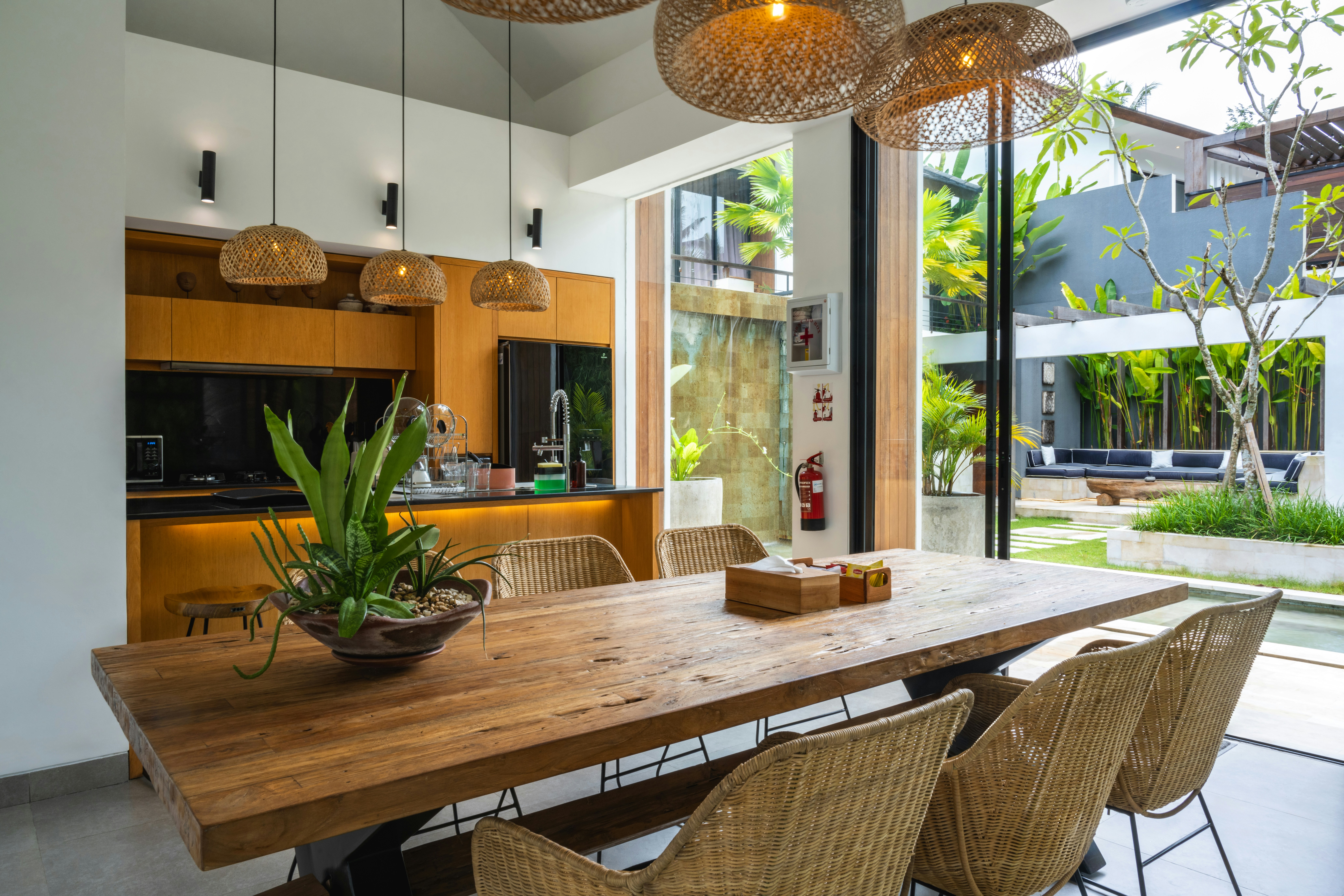
Mirrored splashbacks can make a kitchen feel larger by reflecting light and surrounding elements. Tinted or bronze mirrors are increasingly used to soften reflections and reduce glare.
These finishes add depth to a space but require regular cleaning to keep them looking clear. They tend to suit kitchens where visual impact is part of the design brief.
Laminate and Acrylic Panels
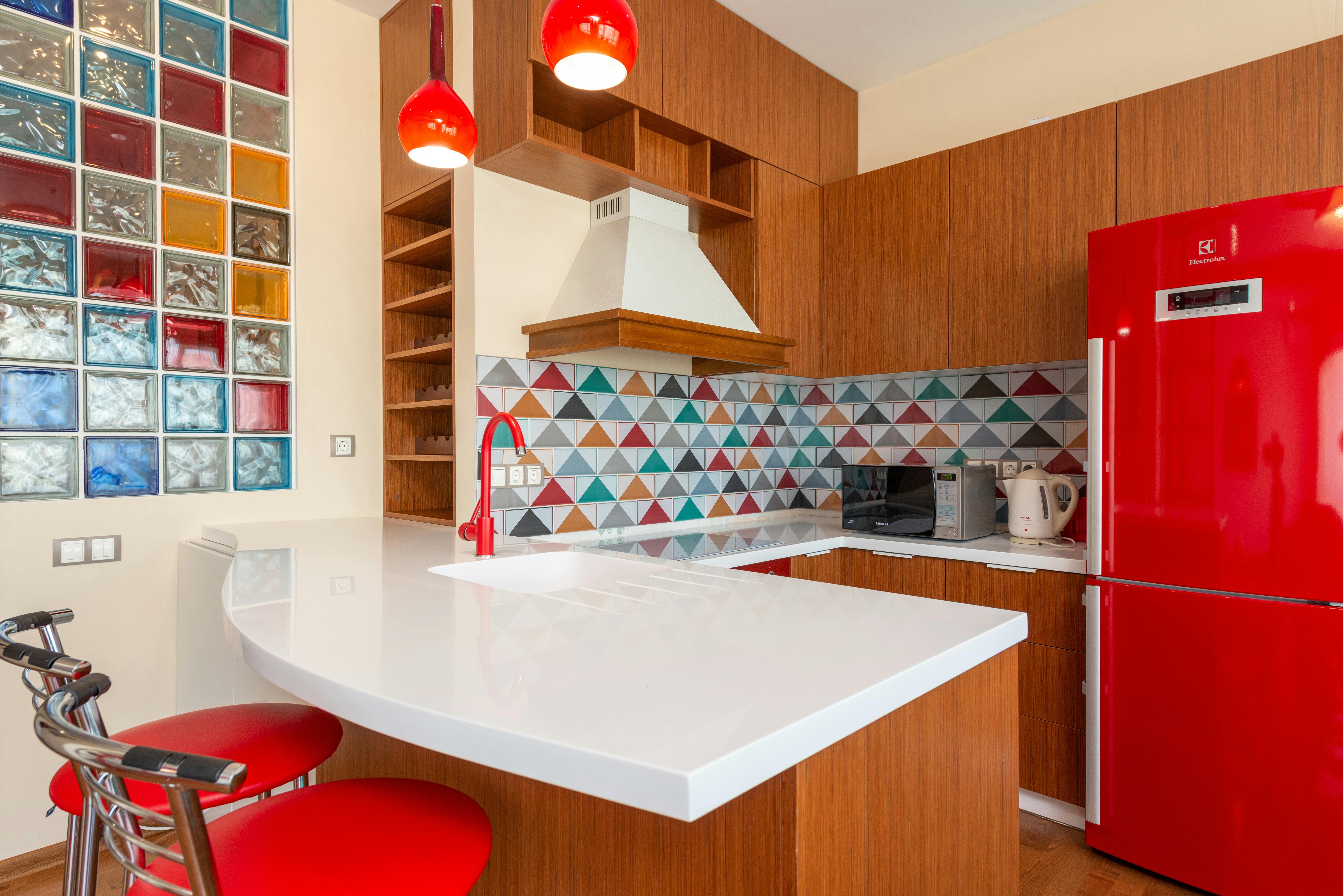
These are often more budget-friendly alternatives that still provide a smooth surface. Modern laminates can mimic stone, concrete, or even textured finishes.
They are lightweight and relatively easy to maintain, though they may not offer the same level of heat resistance as other materials. Placement and installation quality play a big role in how well they perform over time.
Choosing the Right Colour and Finish
Colour selection has a strong influence on how your kitchen feels overall.
Neutral tones such as soft whites, greys, and warm beiges tend to work well with most cabinetry and are less likely to feel dated over time. They also make it easier to update other elements like decor or appliances.
Bolder colours or patterns can add personality, but they need to be balanced with simpler finishes elsewhere. If the benchtop already has strong veining or detail, a more understated splashback often works better.
Finish also matters. Gloss surfaces reflect light and can brighten a space, while matte finishes offer a softer, more subtle look and tend to hide marks more easily.
Layout and Coverage Options
Splashbacks don’t always have to follow a standard layout.
Some homeowners choose to run the splashback only behind the cooktop, while others extend it across the entire wall or even up to the ceiling. Full-height splashbacks are becoming more common as they create a continuous surface that’s easier to clean.
If your kitchen includes open shelving, running the splashback behind it can help tie the space together visually.
Practical Considerations That Are Often Overlooked
Beyond material and colour, there are a few details that can influence how well your splashback performs:
- Grout choice: If using tiles, grout colour and type can affect both maintenance and appearance
- Lighting: Under-cabinet lighting can highlight smudges or texture
- Cooking habits: Frequent cooking may require surfaces that are easier to wipe down
- Heat exposure: Some materials need clearance or protection near cooktops
These factors tend to shape long-term satisfaction more than initial appearance.
Bringing It All Together
A splashback is one of the last elements installed in a kitchen, but it has a lasting impact on both style and usability. The right choice depends on how you use your kitchen, how much maintenance you’re comfortable with, and how the material works with the rest of your finishes.
Because splashbacks often involve precise measurements, cut-outs for power points, and heat considerations, many homeowners choose to work with experienced kitchen renovators. On ServiceSeeking.com.au, you can compare quotes and find professionals who can recommend suitable kitchen splashback options based on your layout, materials, and budget.
Getting the installation right helps ensure your splashback not only looks cohesive but also performs well over time.