How do you clean your home's exterior without damaging paint, timber, brickwork or other materials? Here are ten things you can do.
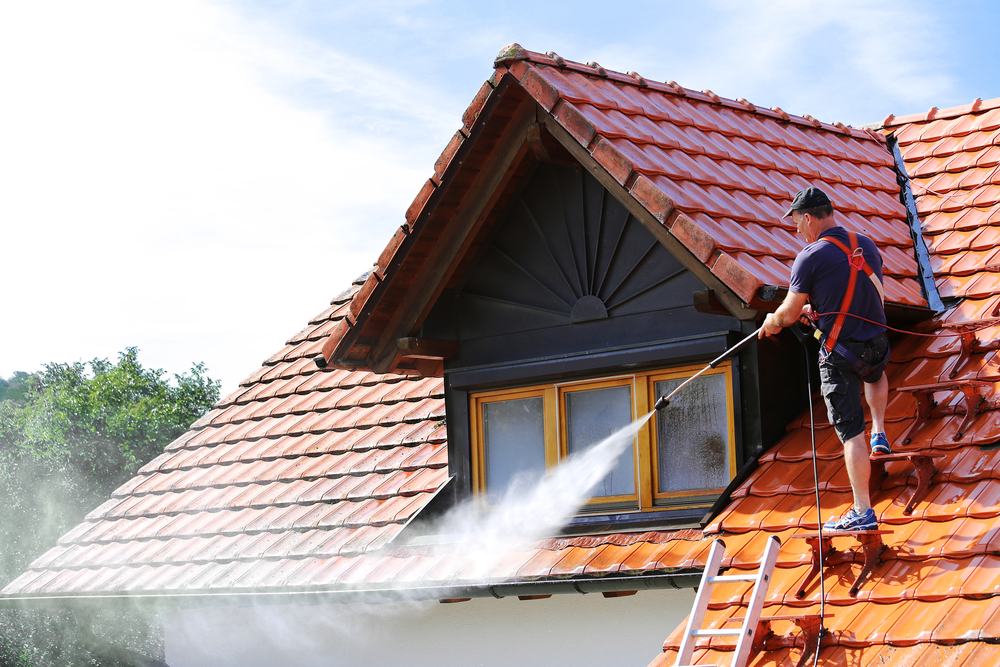
After months of exposure to rain, wind, dust and changing temperatures, your home's exterior can start looking a little worse for wear. Dirt builds up on walls, cobwebs gather under eaves, and driveways and paths can develop stubborn stains.
The good news is that you don't always need to repaint or renovate to improve your home's appearance. A thorough exterior clean can remove built-up grime, freshen up visible surfaces and help you identify maintenance issues before they become bigger problems.
Spring is a convenient time for Australian homeowners to tackle this task, particularly after winter weather has left outdoor areas looking neglected.
But how do you clean your home's exterior without damaging paint, timber, brickwork or other materials?
Here are 10 practical tips to help you remove grime and refresh your home's street appeal this spring.
1. Inspect Your Exterior Before You Start Cleaning
Before reaching for a hose or pressure washer, walk around your property and assess the condition of its exterior.
Not every surface can withstand the same cleaning method. Older paintwork, weathered timber, cracked mortar and deteriorating seals may be damaged by excessive water pressure or aggressive scrubbing.
Look for:
- Peeling or bubbling paint.
- Cracked render or damaged brickwork.
- Loose mortar and deteriorating grout.
- Rotten timber or damaged cladding.
- Mould growth and persistent damp patches.
- Gaps around windows and doors.
Identify any areas that need repairs before cleaning. If you discover extensive damage, investigate the cause rather than simply washing over it.
Pay attention to electrical fittings, outdoor lights, vents and other features that shouldn't be exposed to direct water.
A quick inspection helps you choose the right cleaning approach and reduces the risk of turning a straightforward maintenance task into an expensive repair.
2. Remove Dirt, Dust and Cobwebs From Exterior Walls
One of the easiest ways to refresh your home is to remove loose dirt and cobwebs from visible surfaces.
Dust and debris tend to accumulate around eaves, window frames, porch ceilings, corners and other sheltered areas. Over time, these can make your exterior look neglected even if the paintwork is still in reasonable condition.
Start with a soft brush or broom to remove loose cobwebs and dust from accessible areas. For suitable surfaces, use a soft brush and mild cleaning solution to remove remaining grime.
A few things to remember:
- Work from the top down to avoid dirtying areas you've already cleaned.
- Use non-abrasive tools on painted surfaces.
- Avoid scrubbing aggressively, especially if the paint is old or deteriorating.
- Test cleaning products on a small, inconspicuous area first.
- Rinse only as much as necessary and allow the surface to dry.
If the dirt comes away easily and the paint remains intact, cleaning may be all your exterior needs.
However, if the surface continues to look patchy, chalky or damaged after cleaning, consider whether repainting or repairs are necessary.
3. Clean Brick, Render and Other Masonry Carefully
Brickwork and rendered walls can collect dust, pollution, algae and other surface contaminants. The right cleaning method depends on the material, its condition and whether it has been painted or sealed.
For many sound surfaces, a gentle wash with water and a suitable cleaning solution is a sensible starting point.
Avoid assuming that brick and masonry can withstand high-pressure cleaning. Excessive pressure can damage mortar, force water into gaps and deteriorate softer or older materials.
Before cleaning:
- Check for loose mortar and cracks.
- Identify any existing coatings or sealants.
- Choose a product designed for the specific surface.
- Test the method in a discreet area.
- Follow the product instructions for application and rinsing.
Some stains, including efflorescence (white mineral deposits), rust and persistent organic growth, may need a specialised treatment. Don't automatically use acidic cleaners or strong chemicals, as these can damage masonry and surrounding materials.
If you're dealing with a heritage property, delicate brickwork or extensive staining, consider getting advice from a professional exterior cleaner.
4. Remove Mould, Mildew and Algae Safely

Dark patches, green growth and slippery areas can develop on exterior walls, paths and other surfaces exposed to moisture.
Mould, mildew and algae often thrive in damp, shaded areas where water doesn't evaporate quickly. You might notice them on the side of your home, beneath overhanging trees or near leaking gutters and downpipes.
To deal with the problem:
- Identify the affected surface and assess its condition.
- Choose a cleaning product suitable for that material and type of growth.
- Follow the manufacturer's instructions for application and rinsing.
- Wear the recommended protective equipment.
- Investigate moisture sources that could allow the growth to return.
Never mix cleaning chemicals, particularly bleach with ammonia or acidic products, as dangerous gases can be released.
Avoid dry brushing extensive mould growth, which can release particles into the air. If the affected area is substantial or you're concerned about exposure, seek professional advice.
Most importantly, don't treat recurring mould or algae as purely a cleaning issue. Blocked gutters, leaking pipes, poor drainage and persistent dampness may need attention before the problem can be resolved.
Pro Tip: If mould or algae covers a large area or keeps returning, hire a professional mould remediation or exterior cleaning service to treat the affected surfaces and help identify potential moisture problems.
5. Know When to Use a Pressure Washer
Pressure washers can be useful for removing stubborn grime from suitable outdoor surfaces, including some concrete driveways, paths and robust exterior materials.
However, more pressure doesn't automatically mean better cleaning.
Using excessive pressure or holding the nozzle too close can strip paint, damage timber, chip masonry, dislodge mortar and force water behind cladding or into gaps around windows.
Before using a pressure washer, consider:
- The surface material: Delicate timber, old paint and fragile masonry may need gentler methods.
- The machine settings: Start with the lowest effective pressure.
- The nozzle: Use an appropriate attachment for the surface.
- The distance: Test from a safe distance and adjust carefully.
- Water direction: Avoid directing water into vents, joints, electrical fittings or openings.
For painted walls, start by checking the paint manufacturer's cleaning recommendations. A garden hose and soft brush may be sufficient.
Pressure washing also requires care around neighbouring properties, garden beds and electrical equipment. If you're unsure whether a surface can withstand the pressure, choose a gentler method or hire a professional.
Pro Tip: If you're unsure which pressure setting or cleaning method is safe for your home's exterior, hire a professional pressure washing service. An experienced cleaner can select suitable equipment and techniques for different surfaces.
6. Give Your Driveway, Paths and Outdoor Areas a Refresh
Your home's street appeal isn't just about its walls. Driveways, footpaths, patios and front steps can also accumulate grime, stains and organic growth.
Cleaning these areas can make the entrance to your property look more inviting, particularly if they're among the first things visitors see.
Start by sweeping away loose leaves, dirt and debris. Then choose a cleaning method appropriate for the surface.
For concrete, a suitable detergent and controlled rinsing may help remove general grime. Oil stains, rust and other stubborn marks may require a product specifically designed for the stain and surface.
For outdoor tiles and paved areas, check that the cleaning solution won't damage the finish, grout or sealant.
Take particular care with slippery surfaces. Remove organic growth using an appropriate treatment and avoid walking on wet areas until they're safe.
If your driveway has extensive staining, damaged paving or drainage problems, cleaning alone may not be enough. Repairs or professional treatment could deliver a better result.
7. Clean Windows, Doors and Exterior Trims
Clean windows and doors can make a surprising difference to how well-maintained your home looks.
Dust, rain marks, cobwebs and grime can accumulate around window frames, flyscreens, door panels and decorative trims.
For a basic refresh, use a suitable glass cleaner on windows and a mild cleaning solution on compatible frames and doors.
Remember to:
- Use non-abrasive cloths or sponges.
- Check that cleaning products are suitable for the frame material.
- Avoid excessive water around seals and joints.
- Clean flyscreens carefully to avoid damaging the mesh.
- Inspect timber frames for peeling paint or signs of moisture damage.
If you notice deteriorating seals, cracked glazing or damaged timber, arrange repairs rather than relying on cleaning to improve the appearance.
These smaller details help create a more polished exterior without necessarily requiring a major renovation.
8. Clear Gutters and Downpipes to Prevent Dirty Runoff
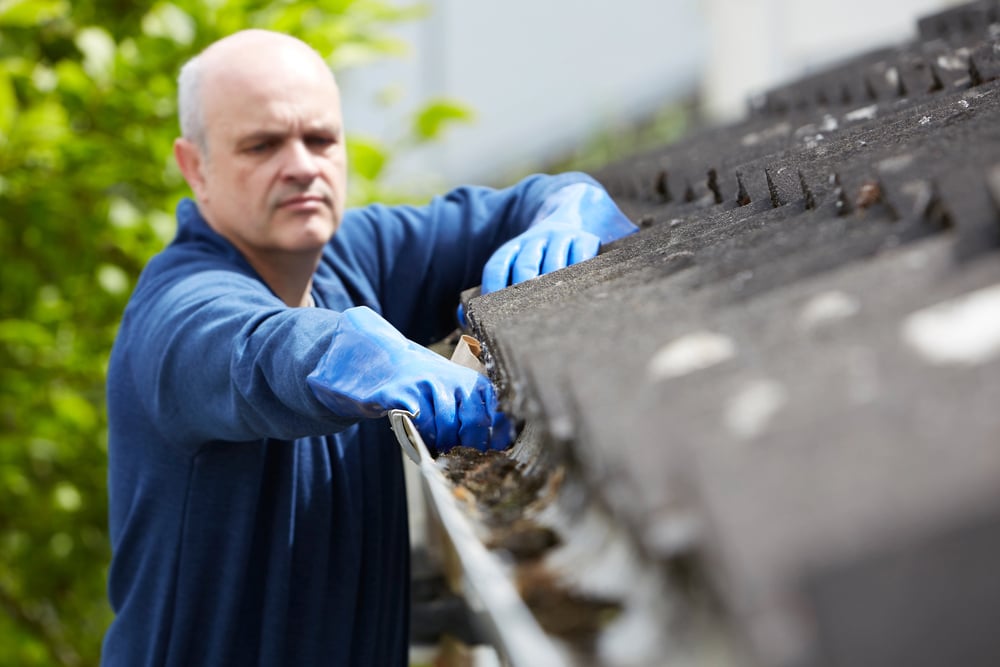
Dirty streaks beneath gutters and downpipes can make exterior walls look stained, but the problem may start above the affected area.
Leaves, twigs and other debris can accumulate in gutters, obstructing water flow and contributing to overflow during rainfall. Water running down exterior walls may leave stains and can contribute to moisture damage over time.
Inspect gutters and downpipes for visible blockages, sagging sections, leaks and signs of overflow.
If you're cleaning your gutters, remember that working at heights carries serious risks. Use an appropriately qualified professional if access is difficult or the work would require unsafe ladder use.
Once any blockages or leaks have been addressed, clean affected exterior surfaces using a suitable method.
Fixing the source of the runoff is important. Otherwise, the stains may return after the next period of heavy rain.
Pro Tip: Hire a professional gutter cleaner to remove leaves, debris and blockages from your gutters and downpipes. They can also check for visible signs of leaks, sagging or damage, helping prevent overflow and dirty water from staining your home's exterior. This is particularly worthwhile if your home has multiple storeys or difficult roof access.
9. Don't Forget Fences, Letterboxes and Outdoor Fixtures
Small exterior features can influence the overall appearance of your property, especially near the front entrance.
Fences, gates, letterboxes, outdoor furniture and visible light fittings can collect dust and grime just like the main house.
Give these features a quick inspection and clean them using methods appropriate to their materials.
For example, painted metal may need a gentle wash, while timber fencing may require careful cleaning to avoid damaging the surface. Check outdoor fixtures for corrosion, loose fittings or deteriorating paint.
If you find widespread peeling paint or rust, determine whether the item needs repairs, sanding, priming or repainting rather than just another wash.
You don't have to update everything at once. Prioritise the features that are most visible from the street and those showing the greatest signs of deterioration.
10. Know When Cleaning Isn't Enough
Sometimes, no amount of scrubbing will make your home's exterior look fresh again.
If the paint has faded extensively, the coating is peeling, timber is damaged or stains keep returning, the underlying surface may need more than a clean.
Consider repainting or arranging repairs if you notice:
- Widespread peeling or flaking paint.
- Persistent bubbling or blistering.
- Cracked or deteriorating exterior surfaces.
- Exposed timber or other vulnerable materials.
- Stains caused by unresolved moisture problems.
- Mould or algae that repeatedly returns despite appropriate cleaning.
Cleaning can improve the appearance of sound paintwork, but it won't restore a coating that's already deteriorating.
Before repainting, address any underlying defects and allow surfaces to dry properly. A professional painter can assess the condition of your exterior and explain whether cleaning, repairs or a new coat of paint is the most suitable option.
How Often Should You Clean Your Home's Exterior?
There's no single cleaning schedule that suits every Australian property. Homes near busy roads, construction sites, beaches or heavily vegetated areas may accumulate grime more quickly than sheltered properties.
As a practical starting point, inspect your home's exterior every few months and arrange a more thorough clean when needed. You can also include an exterior check in your annual spring maintenance routine.
| Exterior area | What to check |
|---|---|
| Exterior walls | Dust, dirt, mould, algae and paint deterioration |
| Windows and doors | Grime, cobwebs and damaged seals |
| Gutters and downpipes | Debris, leaks and overflow marks |
| Driveways and paths | Stains, slippery growth and accumulated debris |
| Fences and gates | Dirt, rust, peeling paint and surface damage |
| Eaves and porch ceilings | Cobwebs, dust and signs of moisture |
Adjust the frequency according to your property's exposure and condition. Regular, gentle maintenance can help you spot developing problems before they become more difficult to manage.
Frequently Asked Questions
What is the best way to clean the exterior of a house?
The best method depends on the surface and its condition. For many painted walls, a soft brush, mild cleaning solution and gentle rinsing are suitable starting points. Brick, timber, render and concrete may require different methods, so check the manufacturer's recommendations and test a small area first.
Can I pressure wash my house exterior?
You can pressure wash some exterior surfaces, but it's not suitable for every material. Excessive pressure can damage paint, timber, mortar, seals and cladding. Check the surface manufacturer's guidance and use the lowest effective pressure, or hire a professional if you're unsure.
How do I remove mould from exterior walls?
Use a cleaning product suitable for the affected surface and follow its instructions carefully. Wear the recommended protective equipment, avoid dry brushing extensive growth and never mix cleaning chemicals. If mould keeps returning, investigate moisture sources such as leaking gutters or poor drainage.
Does cleaning exterior walls damage paint?
It can if you use abrasive tools, harsh chemicals or excessive water pressure. Use a gentle cleaning method appropriate for the paint and surface, and test it in an inconspicuous area before treating a larger section.
Is spring a good time to clean my home's exterior?
Spring can be a convenient time to remove winter grime, inspect exterior surfaces and prepare your home for warmer weather. Choose a suitable dry period, follow cleaning product instructions and allow surfaces to dry properly before carrying out repairs or painting.
Give Your Home's Exterior a Fresh Start This Spring
Cleaning your home's exterior is a practical way to improve street appeal without immediately committing to repainting or renovating. By removing built-up grime, treating surface growth appropriately and addressing drainage issues, you can help keep your property looking well maintained.
Start with an inspection, choose cleaning methods suited to each surface and prioritise any damage that needs repairing. Remember that pressure washing, working at heights and treating extensive mould growth can involve risks, so don't hesitate to bring in a professional when necessary.
If your spring maintenance uncovers stained walls, damaged paintwork or areas that need specialist attention, ServiceSeeking.com.au can help you find local exterior cleaners, painters and other tradies. Compare quotes and find the right professionals to help restore your home's exterior.
A cleaner, better-maintained frontage can make a noticeable difference to your home this spring.