Whether you have a small backyard, a courtyard or a generous lawn, here are ten practical tips for creating a low-maintenance garden.
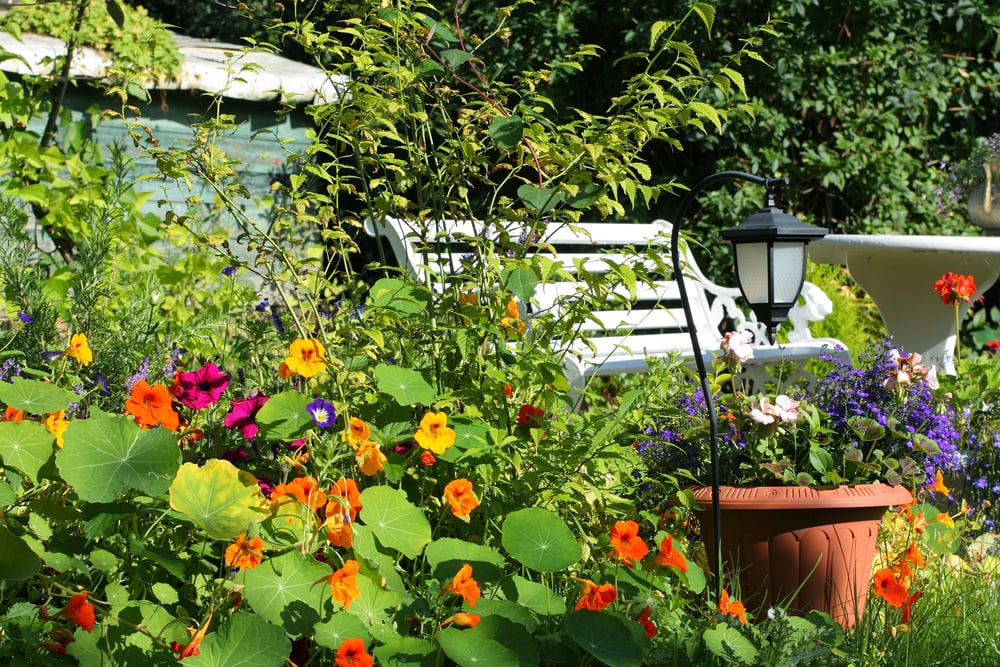
Want a beautiful garden without spending every weekend mowing, pruning and pulling out weeds? A low-maintenance garden is a great option for beginners, busy homeowners and anyone who wants to enjoy their outdoor space without the constant upkeep.
The secret is to work with your garden's conditions rather than against them. Choosing hardy plants, improving your soil and planning your layout can make a big difference to how much time and effort your garden needs.
Whether you have a small backyard, a courtyard or a generous lawn, here are 10 practical tips for creating a low-maintenance garden in Australia.
1. Choose the Right Plants for Your Climate
One of the easiest ways to reduce garden maintenance is to choose plants that naturally thrive in your local climate. Australia's conditions vary considerably, from tropical humidity in Queensland to dry summers in South Australia and frosty winters in parts of Victoria and New South Wales.
Look for hardy native plants suited to your region. Depending on your garden's conditions, options may include:
- Westringia: A hardy native shrub that tolerates pruning and suits many Australian gardens.
- Kangaroo paw: A colourful Australian native that can handle sunny positions and well-drained soil.
- Lomandra: A strappy, drought-tolerant plant that works well for borders and landscaping.
- Grevillea: A flowering native that can attract birds and suit a range of garden styles.
Before buying, check each plant's mature size, sunlight requirements, water needs and suitability for your soil. A plant that thrives in one part of Australia might struggle in another.
2. Plan Your Garden Around Sunlight and Shade
Not every plant needs the same amount of sunlight. Some love full sun, while others prefer filtered light or shade, especially during Australia's hotter months.
Spend a day observing how sunlight moves across your garden. Notice which areas receive morning sun, afternoon sun and little direct sunlight.
Use this information to group plants with similar needs. For example, place sun-loving plants in exposed areas and shade-tolerant varieties beneath trees or along sheltered fences.
Planning around sunlight helps prevent plants from becoming stressed, which can mean less watering, fewer replacements and less ongoing maintenance.
3. Start with a Simple Garden Layout
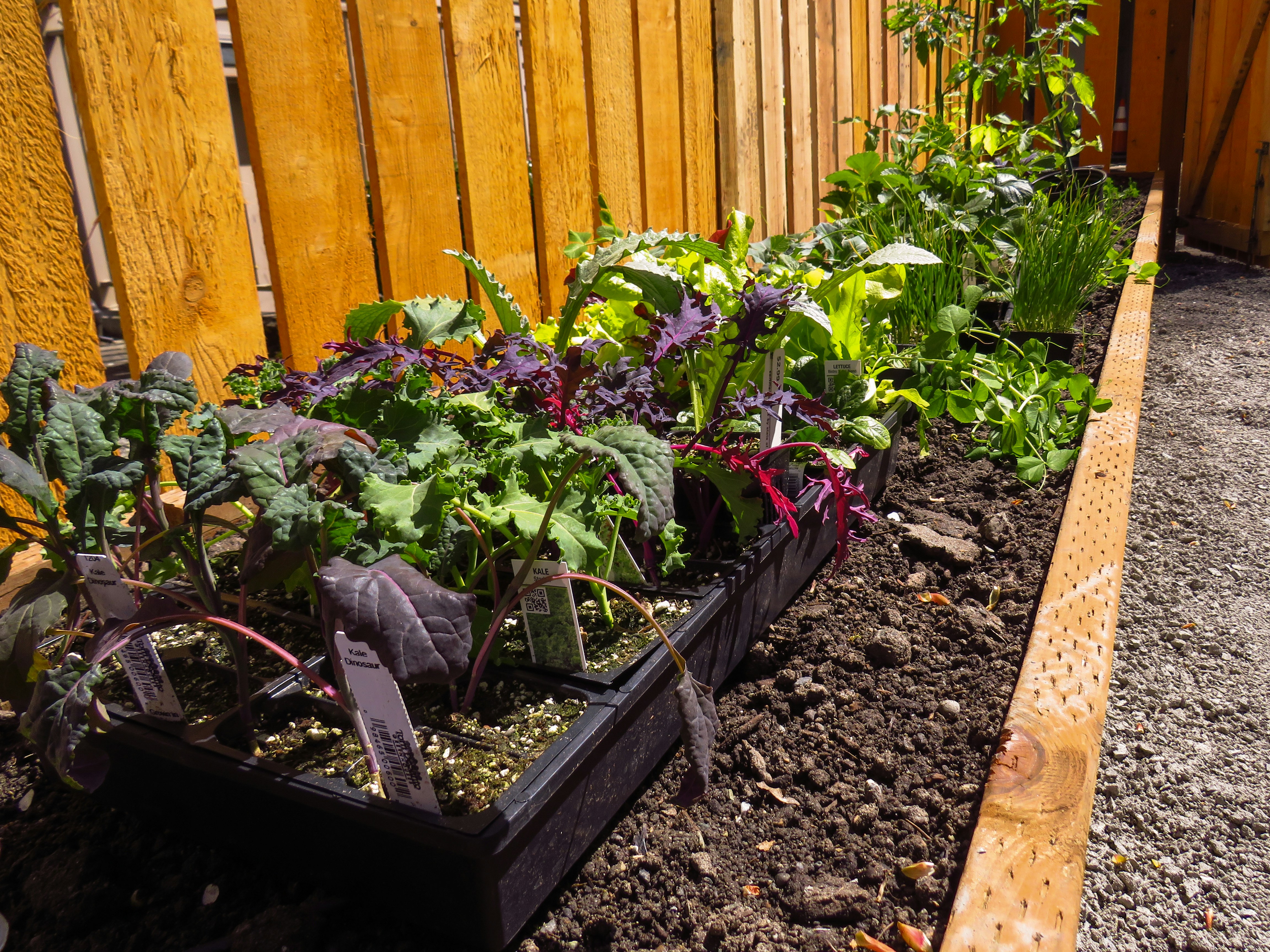
A complicated garden with lots of different plant varieties, winding borders and intricate features can be harder to maintain. If you're a beginner, start with a simple layout that is easy to manage.
Consider these ideas:
- Keep garden beds compact: Smaller planted areas are easier to water, weed and mulch.
- Use repeating plants: Planting several of the same variety creates a cohesive look without requiring you to care for dozens of different species.
- Create clear pathways: Stepping stones, pavers or gravel can make garden access easier and reduce the amount of lawn you need to maintain.
- Group plants by their needs: Keeping plants with similar watering and sunlight requirements together makes routine care simpler.
You don't need an elaborate landscape design to create an attractive outdoor space. A few well-planned garden beds can make your backyard feel finished without adding unnecessary work.
4. Improve Your Soil Before Planting
Healthy soil gives plants a stronger foundation and can reduce the amount of ongoing care they need. Before planting, check whether your soil is sandy, clay-heavy or somewhere in between.
Sandy soil drains quickly and may struggle to retain moisture. Clay soil can hold water for longer but may become compacted and drain poorly.
Adding suitable organic matter, such as compost, can improve soil structure and support healthy plant growth. However, the right approach depends on your existing soil and the plants you're growing.
It's also worth checking drainage before investing in plants. If water regularly pools in your garden beds, you may need to address the underlying issue rather than simply adding more soil or mulch.
For larger gardens or persistent drainage problems, a landscaper or qualified gardening professional can help you prepare the ground properly.
5. Use Mulch to Keep Weeds and Watering Under Control
Mulch is one of the most useful additions to a low-maintenance garden. It covers exposed soil, helps retain moisture, reduces weed growth and can protect plant roots from temperature fluctuations.
Organic mulches, such as bark chips, wood chips and sugarcane mulch, gradually break down and add organic matter to the soil. Decorative gravel and pebbles are other options, particularly for gardens with a modern or Mediterranean look.
For most garden beds, a mulch layer around 5–7 cm deep is a useful starting point, depending on the material. Keep mulch away from plant stems and tree trunks to reduce the risk of rot.
It's worth topping up organic mulch as it breaks down. Although this is an occasional job, it can save you plenty of time spent weeding and watering throughout the year.
6. Install an Efficient Watering System
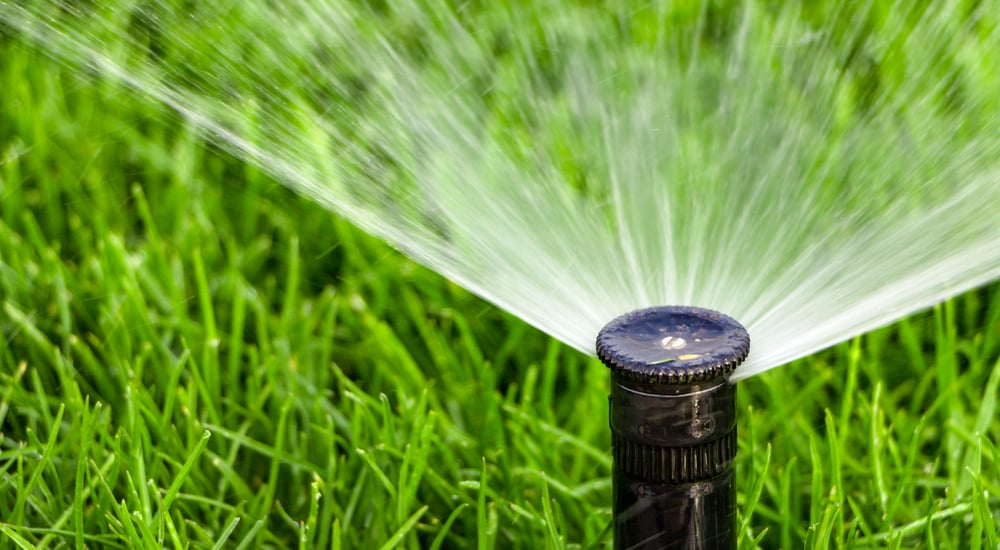
Regular watering can become a chore, especially during Australia's hot, dry summers. If you're planning a new garden, consider installing a drip irrigation system or a soaker hose to make watering easier.
Drip irrigation delivers water slowly near plant roots, helping reduce evaporation and unnecessary watering of paths and other hard surfaces. You can also connect some systems to timers, making it easier to maintain a consistent watering routine.
For smaller gardens, a watering can or hose may be perfectly adequate. The important thing is to water according to your plants' needs, the weather and your soil conditions rather than following a rigid schedule.
If you're installing irrigation across a large garden or making changes to existing plumbing, a qualified irrigation professional can help you choose and install a suitable system.
7. Reduce the Amount of Lawn You Need to Maintain
Lawns can be lovely, but they often require regular mowing, edging, watering and occasional fertilising. If you don't need a large grassy area, reducing your lawn can significantly cut down on garden maintenance.
Consider replacing some lawn with:
- Mulched garden beds: Ideal for hardy shrubs, native grasses and groundcovers.
- Paved entertaining areas: Useful for outdoor dining, seating and relaxing.
- Gravel pathways: A practical way to connect different parts of your garden.
- Suitable groundcovers: Some varieties can create a green appearance with less mowing than traditional turf.
If you want to keep your lawn, choose a grass variety suited to your climate, sunlight and intended use. Also consider whether a smaller, practical lawn would meet your needs just as well as a large one.
A landscaper can help you redesign your outdoor space to balance greenery, usable areas and ongoing maintenance.
8. Choose Hardscaping That Does the Work for You
Hardscaping refers to the non-living elements of your garden, such as paving, retaining walls, stepping stones, gravel and outdoor seating areas.
These features can make your garden more functional while reducing the amount of planting and lawn that needs regular attention.
For beginners, simple hardscaping can be particularly useful. A paved patio creates an outdoor entertaining area without requiring additional garden beds, while stepping stones can provide access to different parts of your backyard without creating muddy footpaths.
Think about how you actually use your outdoor space before adding features. If you enjoy entertaining, a small deck or paved seating area might be more valuable than an elaborate ornamental garden.
For larger paving jobs, retaining walls or structural landscaping, consider hiring an experienced tradie to help with the design, preparation and installation. Proper groundwork and drainage are important for long-lasting results.
9. Make Weeding and Pruning Easier
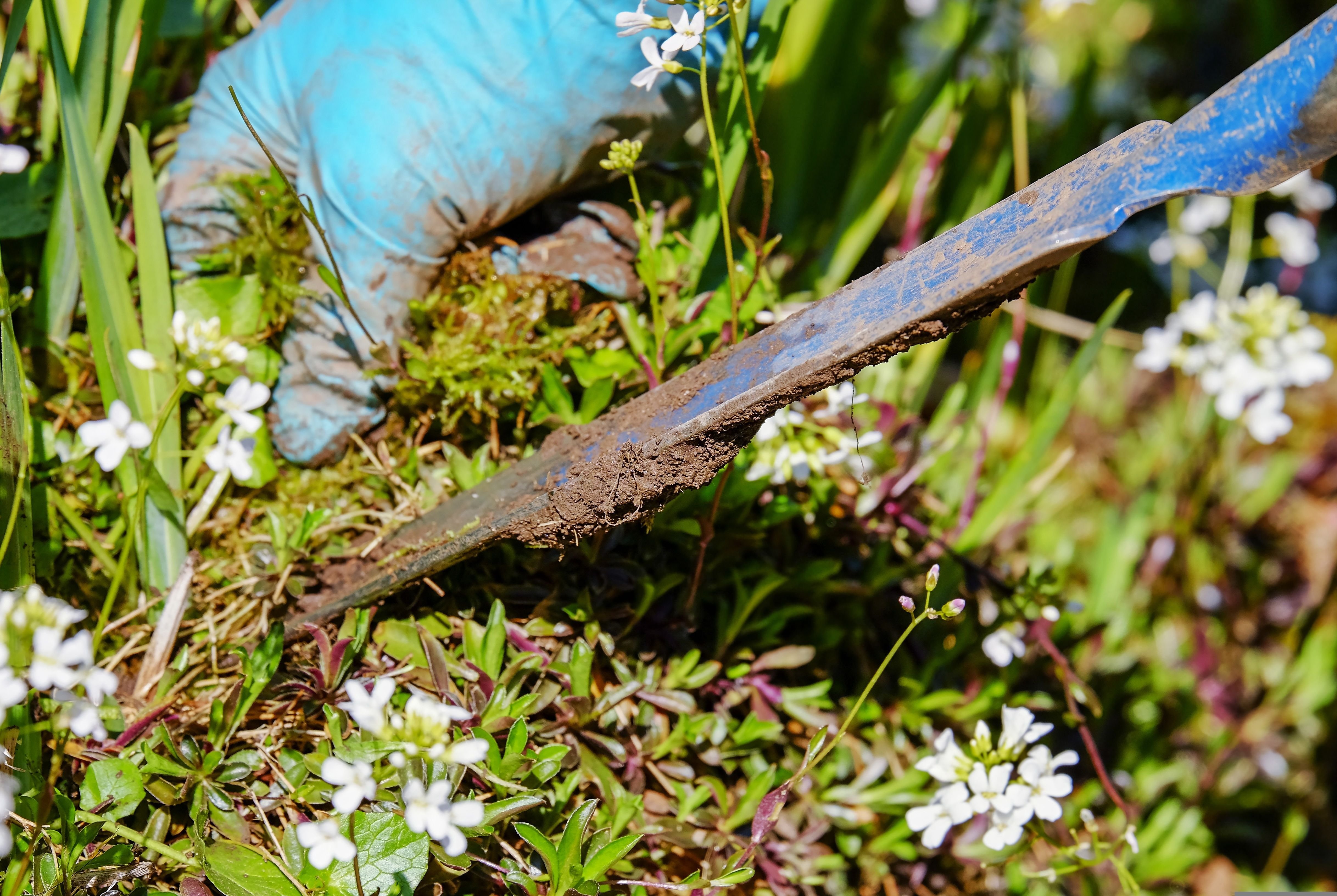
Even a low-maintenance garden needs occasional attention. The trick is to choose plants and garden features that make routine jobs manageable.
For example, select slow-growing shrubs that don't require frequent trimming, and avoid filling your garden with plants that spread aggressively or need constant deadheading.
A few simple habits can also prevent maintenance from becoming overwhelming:
- Remove weeds early: Small weeds are generally easier to remove before they establish deep roots or produce seeds.
- Prune when needed: Follow the appropriate pruning season for each plant rather than cutting everything back at once.
- Keep tools accessible: Store basic gardening tools somewhere convenient so quick jobs don't turn into major projects.
- Check your garden regularly: A short weekly inspection can help you spot pest problems, damaged plants and drainage issues early.
Remember that low-maintenance doesn't mean no-maintenance. A little regular attention can prevent small problems from becoming expensive repairs or major garden overhauls.
10. Consider Hiring a Tradie for the Bigger Jobs
You don't have to do everything yourself to create a low-maintenance garden. In fact, getting professional help with certain jobs can save you time and help you avoid costly mistakes.
Depending on your plans, you might need a landscaper, gardener, irrigation specialist or paving contractor.
Professional help can be particularly useful for:
- Garden design: Planning plant placement, pathways, garden beds and outdoor features.
- Site preparation: Clearing overgrown areas, improving soil and preparing garden beds.
- Drainage solutions: Addressing waterlogging, runoff and other persistent drainage problems.
- Irrigation installation: Setting up an efficient watering system suited to your garden.
- Landscaping: Installing paving, retaining walls, edging and other permanent features.
If you're unsure where to start, break your project into smaller jobs. You could begin with garden cleanup and soil preparation, then add plants, irrigation and hardscaping over time.
On ServiceSeeking.com.au, you can find and hire local tradies for gardening and landscaping jobs. Comparing quotes and discussing your plans with professionals can help you understand what's involved before committing to a project.
Enjoy a Garden That Works for You
Creating a low-maintenance garden is all about making smart choices from the beginning. Choose plants suited to your climate, plan around sunlight, improve your soil and use mulch to reduce watering and weeding. Add practical pathways and outdoor features to make your space easier to enjoy.
You don't need to transform your entire backyard in one weekend, either. Start with a small garden bed or one section of your outdoor space and build from there.
And if the bigger jobs feel overwhelming, finding a local gardener or landscaper through ServiceSeeking can help you set up your garden for easier upkeep, so you can spend less time working in it and more time enjoying it.