Air Conditioning & Heating
Some preparation can help your aircon run more efficiently, improve indoor air quality and catch small problems before they get bigger.
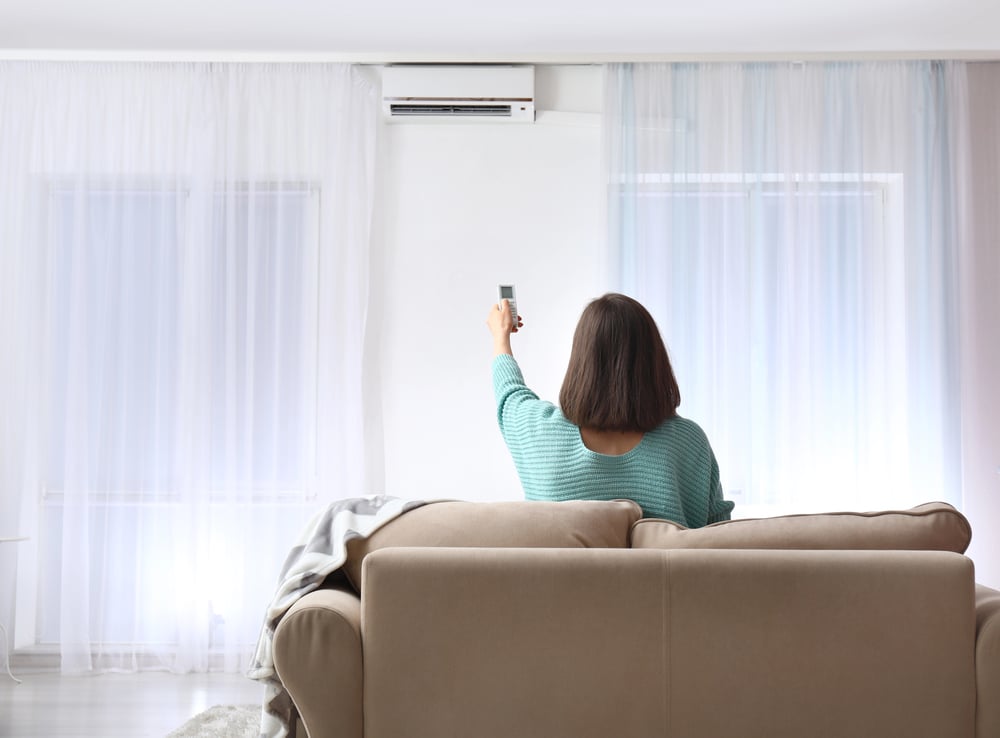
As the weather warms up, the last thing you want is to switch on your air conditioner and discover it’s blowing warm air, making strange noises or struggling to cool the room.
Getting your air conditioner ready for summer is mostly about cleaning, checking and servicing it before you need it every day. A little preparation can help your system run more efficiently, improve indoor air quality and catch small problems before they turn into expensive repairs.
Here’s a simple checklist to get your air conditioner summer-ready.
For a broader overview of what to check around your property this season, see our spring home maintenance checklist.
1. Clean or replace the air filters
Your air conditioner’s filters catch dust, dirt and other particles before air circulates around your home. Over time, they can become clogged, making it harder for your system to move air.
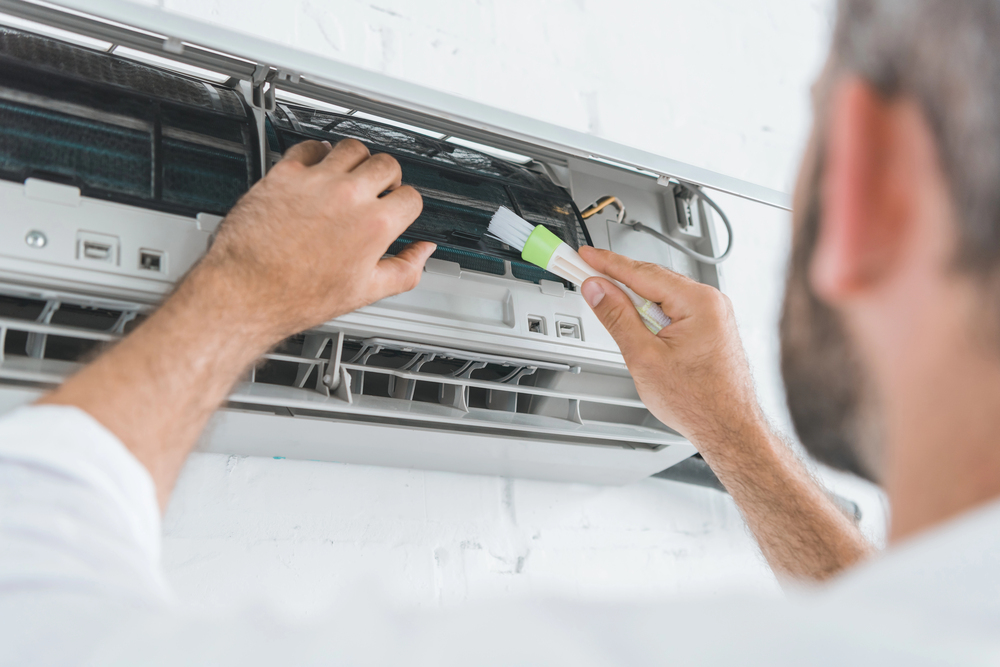
Before summer, remove the filters and check how dirty they are. Depending on your air conditioner, you may be able to wash reusable filters with water and let them dry completely before reinstalling them. Disposable filters should be replaced according to the manufacturer's instructions.
How often should you clean air conditioner filters? As a general rule, check them every few weeks during periods of heavy use. Homes with pets, allergies or lots of dust may need more frequent cleaning.
If you're unsure which filters your system uses or how to clean them safely, an air conditioning professional can help.
2. Clean the indoor unit
The filters aren't the only part of your air conditioner that collects dust. The indoor unit, vents and surrounding areas can also become dirty during the year.
Gently clean accessible surfaces and vents with a soft, dry cloth or follow the manufacturer's cleaning instructions. Avoid spraying water or cleaning products directly into the electrical components.
If you notice mould, a musty smell or significant dirt inside the unit, it's worth getting it professionally cleaned rather than trying to dismantle it yourself.
Professional air conditioner cleaning can reach components that aren't easily accessible during routine household cleaning.
3. Check the outdoor unit
If you have a split-system air conditioner, don't forget about the outdoor unit.
Look around it for leaves, grass, dirt and other debris that could restrict airflow. Trim back plants or vegetation that have grown too close to the unit, while taking care not to damage the equipment.
The outdoor unit needs adequate airflow to operate properly, particularly during hot weather.
Don't open the unit or attempt to clean internal electrical components yourself. If the condenser looks damaged, excessively dirty or obstructed internally, get a qualified professional to inspect it.
4. Check the vents and airflow
Turn your air conditioner on and check whether cool air is coming from the vents as expected.
Weak or uneven airflow can have several causes, including dirty filters, blocked vents, ductwork problems or an issue with the air conditioning system itself.
For ducted air conditioning, check that vents throughout the home are open and aren't blocked by furniture, rugs or other objects.
If one room is consistently much warmer than the others, it could be worth having the system checked before summer arrives.
5. Test the system before the really hot weather arrives
Don't wait for the first 35°C day to find out whether your air conditioner works.
Turn it on for a short test while the weather is still relatively mild. Listen for unusual sounds and check whether the system starts, cools and switches off normally.
Pay attention to signs such as:
- Warm or inconsistent air
- Strange smells
- Unusual rattling, buzzing or grinding
- Water leaking from the indoor unit
- The system repeatedly turning itself off
- Poor airflow
- Unusually long cooling times
These aren't necessarily signs of a major fault, but they're worth investigating before summer puts your air conditioner under heavier demand.
6. Check for water leaks
A small amount of condensation can be normal, but water leaking from your indoor air conditioner isn't something to ignore.
A blocked drain or drainage problem can cause water to back up and leak into your home. Apart from affecting the air conditioner, persistent moisture can contribute to damage, mould and dampness.
If you've noticed water around your indoor unit, switch the system off if appropriate and arrange for an air conditioning professional to investigate the cause.
7. Consider an air conditioner service
If your air conditioner hasn't been professionally serviced for a while, spring is a convenient time to arrange one.
An air conditioning service can involve checking the system's operation, cleaning relevant components and identifying potential problems. The exact service will depend on the type, age and condition of your air conditioner.
How often should an air conditioner be serviced? There isn't one schedule that suits every household. Factors such as how often you use the system, its age, the environment around your home and the manufacturer's recommendations can all affect servicing requirements.
If you're unsure whether yours needs a service, a qualified air conditioning technician can assess it and recommend appropriate maintenance.
8. Check your remote and settings
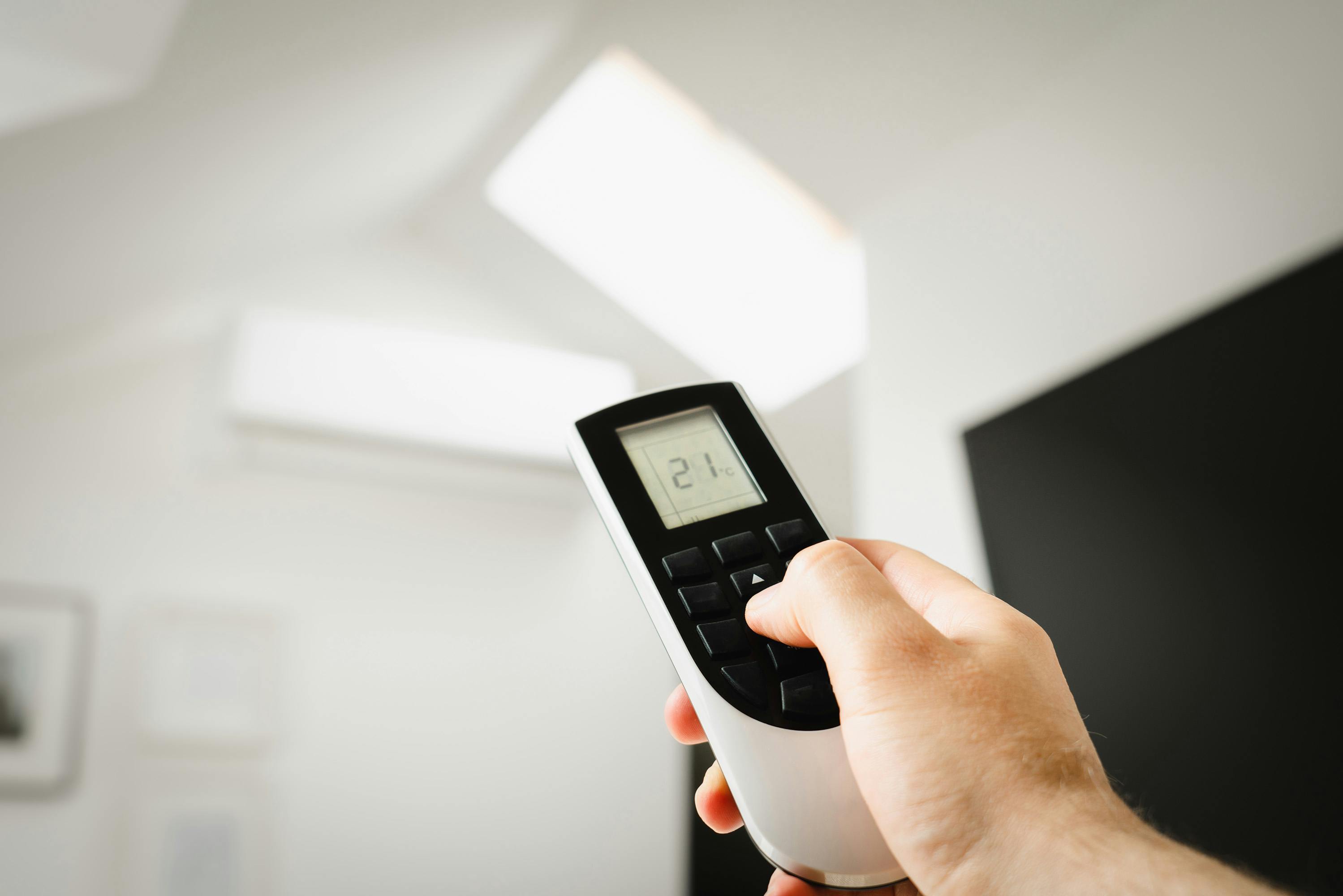
It sounds simple, but make sure your remote control is working properly before summer.
Replace the batteries if necessary and check that you know how to use the cooling, fan, timer and temperature settings.
For many households, there's no need to set the air conditioner to an extremely low temperature. Setting a comfortable temperature can help avoid unnecessarily heavy operation while still keeping the home pleasant.
If your system has an energy-saving or automatic mode, check the manufacturer's instructions to understand how it works.
9. Check your home for ways to reduce the cooling load
Your air conditioner isn't the only thing keeping your home comfortable.
Before summer, look around your home for places where heat could be getting in. Check window and door seals, curtains, blinds and areas around the building envelope for obvious gaps or damage.
Closing blinds or curtains during the hottest part of the day can also help reduce the amount of heat entering rooms.
If your home still becomes uncomfortably hot despite running the air conditioner, a professional can help identify potential insulation, ventilation, sealing or other building-related issues.
10. Get problems fixed before summer arrives
The best time to deal with an air conditioning problem is before you desperately need your air conditioner.
If your system is noisy, leaking, struggling to cool your home or showing other warning signs, getting it checked early gives you more time to arrange repairs or maintenance.
You don't necessarily need to replace an older air conditioner simply because it's not performing perfectly. A professional can assess its condition and explain what needs attention, whether that's cleaning, maintenance, a repair or something more substantial.
Whether you need installation, repair or replacement, ServiceSeeking.com.au can connect you with local air conditioning professionals who can help with servicing, cleaning, repairs and installation.
Get your air conditioner summer-ready
A quick spring check can go a long way towards making your air conditioner ready for the warmer months. Start with the basics: clean the filters, clear debris around the outdoor unit, check airflow and test the system. If something doesn't look or sound right, get a professional to investigate it rather than waiting for the problem to get worse.