Learn how home ventilation for allergy season can improve indoor air quality, manage moisture and reduce pollen exposure without relying on open windows.
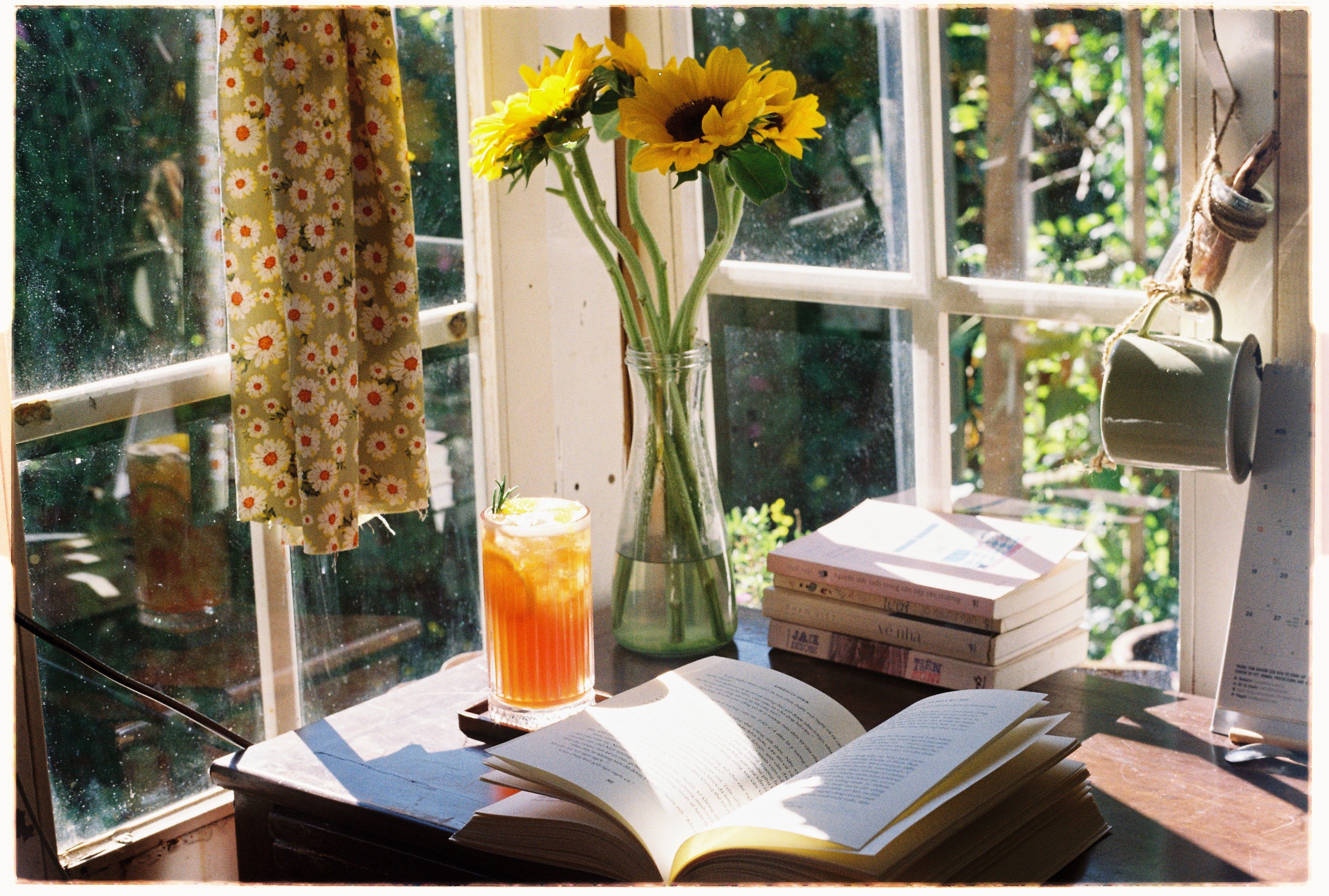
Good ventilation can help manage stale air, moisture and indoor pollutants, but allergy season can make the usual advice about opening windows more complicated. For people sensitive to pollen, bringing outdoor air inside may increase exposure when pollen levels are high. Home ventilation for allergy season is therefore about managing airflow while limiting outdoor allergens.
The right approach depends on the home, its ventilation systems, and the source of the allergy triggers. The Australasian Society of Clinical Immunology and Allergy (ASCIA) recommends keeping windows closed when pollen levels are high and on windy days, while maintaining a dry, well-ventilated home can also help reduce indoor allergens such as mould and dust mites.
Here are some areas to consider when improving ventilation during spring and summer.
Check Your Bathroom Ventilation
Bathrooms produce a lot of moisture through showers and baths. Without adequate ventilation, that moisture can linger and contribute to condensation and mould.
A properly installed exhaust fan can remove humid air and direct it outdoors. The Australian Building Codes Board recommends exhaust systems to remove moisture generated by activities such as bathing and showering, with systems designed and discharged appropriately.
If a bathroom remains humid long after someone has showered, the existing exhaust fan may not be clearing the air adequately. A ventilation professional or electrician can assess the fan, airflow and ducting and determine whether the system needs servicing, replacement or improvement.

Make Sure Your Kitchen Exhaust Works Properly
Cooking creates moisture, odours, and airborne particles. A kitchen exhaust system can help remove these from the room, rather than letting them spread throughout the house.
Where possible, kitchen exhaust systems should discharge to outdoor air. Recirculating rangehoods can reduce some odours, but they do not remove cooking-generated water vapour from the home.
If your kitchen frequently feels humid or smoky after cooking, it may be worth having the rangehood and ventilation system assessed. Poor ducting, blocked components or an undersized system can affect how effectively air is removed.
Keep Air Conditioning Properly Maintained
Air conditioning can be particularly useful during allergy season because keeping windows closed can reduce the amount of outdoor pollen entering the home. ASCIA recommends keeping windows closed at home when pollen exposure is a concern.
However, an air conditioner still needs appropriate maintenance. Filters and other components can collect dust and debris over time, while poorly maintained systems may not circulate air as effectively.
An air conditioning technician can inspect and service the system, including checking filters, coils, drainage and airflow. For homes that rely heavily on air conditioning throughout spring and summer, regular servicing can also help identify ventilation or performance problems before they become more noticeable.
Review Your Windows and Natural Ventilation
Opening windows is one of the simplest ways to bring outdoor air inside, but it is not always suitable during pollen season.
Pollen levels can vary with weather, location, and nearby flowering plants. ASCIA notes that wind can carry pollen long distances and recommends staying indoors when pollen counts are high, particularly on windy days.
This means you should consider ventilation alongside outdoor air quality. If your home relies heavily on open windows for airflow, a professional can assess whether mechanical ventilation or other improvements could better control air movement.
Pay Attention to Damp and Poorly Ventilated Areas
Ventilation is also important in areas where moisture tends to accumulate, including bathrooms, laundries and some enclosed rooms.
The Australian Building Codes Board notes that condensation and excessive moisture can contribute to mould growth and recommends ventilation measures that help remove moisture generated by everyday activities.
Persistent condensation on windows, musty smells, visible mould or rooms that remain humid can indicate that ventilation needs attention. Depending on the problem, this may involve improving exhaust ventilation, repairing ductwork, addressing leaks or investigating the source of excess moisture.
Don't Rely on Air Movement Alone
Ceiling fans and other fans can move air around a room, but moving air is different from removing it.
An exhaust fan connected to appropriate ducting can remove humid air from a bathroom or kitchen, while a properly designed ventilation system can introduce and exhaust air in a controlled way.
This distinction matters during allergy season. Simply circulating indoor air does not necessarily remove pollen, moisture or other airborne particles. The best ventilation setup depends on the property's design and the specific source of the indoor air problem.
Consider Professional Ventilation Services
If your home feels stuffy despite running fans or air conditioning, or if condensation and dampness keep returning, it may be time to have a professional inspect your ventilation system.
ServiceSeeking.com.au can connect homeowners with professionals who can assess ventilation-related work, including electricians for exhaust fans, air conditioning technicians and other relevant tradies. An assessment can help identify whether the issue relates to the fan itself, ducting, airflow, moisture, or the wider ventilation setup.
For allergy sufferers, the goal isn't necessarily to bring in as much outdoor air as possible. The goal is to create appropriate airflow while managing outdoor allergens and indoor moisture that can affect the home's air quality.