Bathroom Renovations
Here are tips on how Aussie homeowners can stay ahead of blocked drains — and save themselves time, money, and a whole lot of stress.
Blocked drains have a sneaky way of going from “minor annoyance” to “why does my bathroom smell like a swamp?” faster than you’d expect. One slow-draining sink can turn into overflowing pipes, water damage, or an emergency call-out on a Sunday night — and that’s when the costs really stack up.
The good news? Most blocked drains are preventable with a bit of know-how, some regular habits, and knowing when to call in a professional before things get ugly.
Here’s how Aussie homeowners can stay ahead of blocked drains — and save themselves time, money, and a whole lot of stress.
Why Blocked Drains Are Such a Common Problem
Australian homes deal with a few unique drain challenges. Older plumbing systems, tree roots searching for moisture, and everyday household waste all play a role.
Some of the most common causes of blocked drains include:
-
Grease and food scraps in kitchen sinks
-
Hair and soap scum in bathroom drains
-
Wet wipes, sanitary products, and “flushable” items
-
Leaves, dirt, and debris entering outdoor drains
-
Tree roots cracking or invading underground pipes
Left untreated, small blockages don’t just stay small. Pressure builds, pipes weaken, and suddenly you’re dealing with burst plumbing or water backing up into the house.
Early Warning Signs You Shouldn’t Ignore
Blocked drains usually give you a heads-up before they become a full-blown disaster. Spotting the signs early can save you a costly repair later.
Keep an eye (and nose) out for:
-
Slow-draining sinks, showers, or baths
-
Gurgling noises when water drains
-
Unpleasant smells coming from drains
-
Water pooling around outdoor drains
-
Toilets that struggle to flush properly
If you notice one or more of these, it’s time to act — not wait and hope it fixes itself.
Simple Habits That Prevent Kitchen Drain Blockages
The kitchen is ground zero for blocked drains, mostly thanks to grease and food waste.
A few small changes make a big difference:
-
Never pour cooking oil or grease down the sink. Even hot grease cools and solidifies in pipes. Let it cool and dispose of it in the bin instead.
-
Use sink strainers. They catch food scraps before they head down the drain.
-
Rinse with hot water regularly. This helps reduce grease buildup over time.
-
Scrape plates before washing. Your drain isn’t a rubbish bin.
These habits take seconds but can save hundreds in plumbing bills.
Bathroom Drains: Hair Is the Real Villain
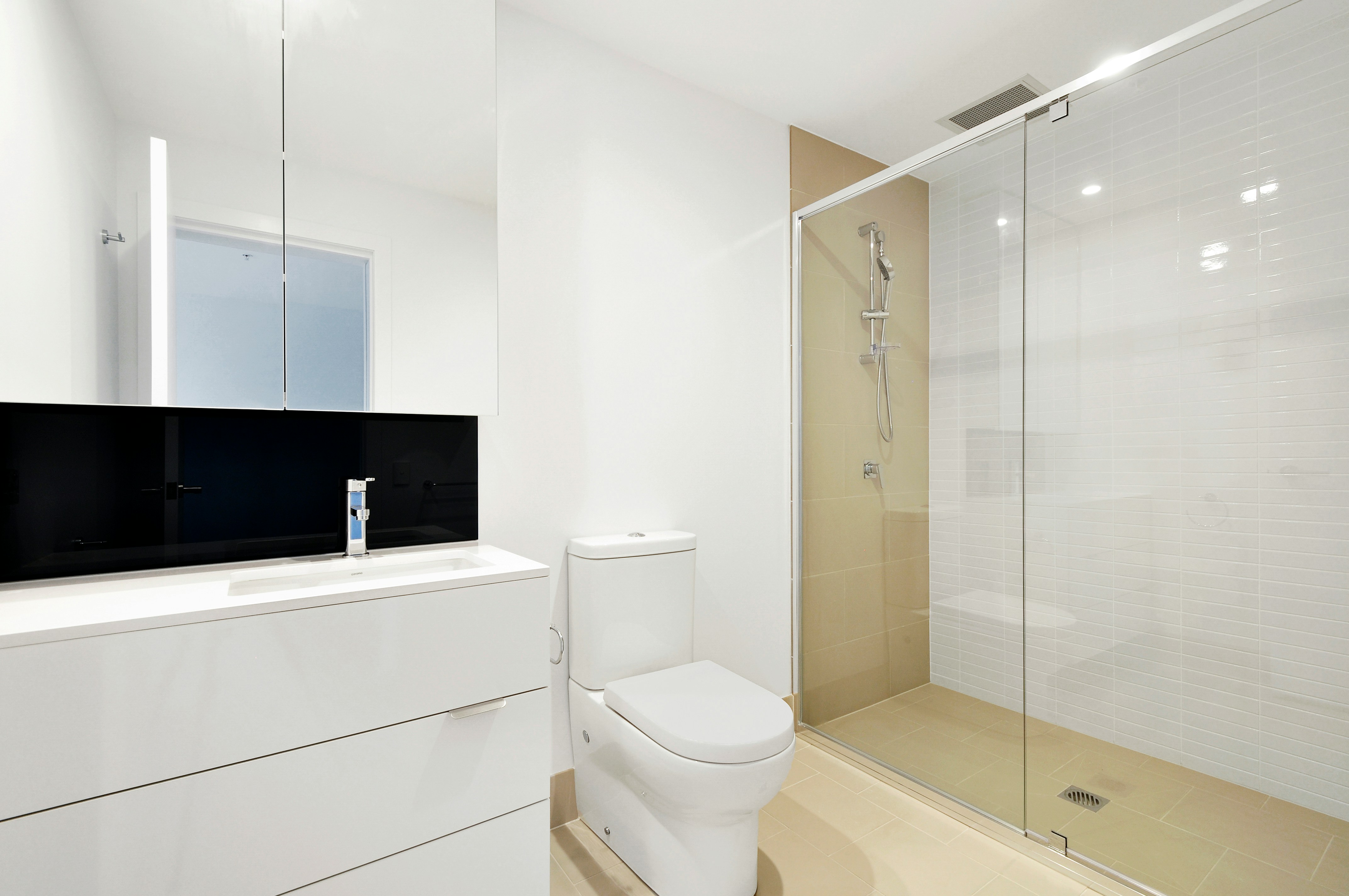
In bathrooms, hair and soap scum are the main culprits. They cling to pipe walls and slowly form stubborn blockages.
To stay on top of it:
-
Install hair catchers in showers and floor drains
-
Clean drain covers regularly
-
Avoid rinsing thick creams or oils down the sink
-
Flush drains monthly with hot water
Chemical drain cleaners might seem tempting, but frequent use can damage pipes — especially in older homes.
Outdoor Drains and Gutters Matter Too
Blocked drains aren’t just an indoor issue. Outdoor drains and gutters play a huge role in preventing water damage during heavy rain.
Prevent problems by:
-
Clearing leaves and debris from gutters
-
Making sure stormwater drains are free-flowing
-
Trimming trees near underground pipes
-
Watching for soggy patches in the yard (a sign of hidden leaks or root intrusion)
Tree roots are particularly common in Australian homes and can cause serious damage if left untreated.
DIY Fixes vs When to Call a Professional
Some minor blockages can be handled with basic maintenance. A plunger or drain snake can help with surface-level clogs.
But it’s time to call a licensed plumber if:
-
Blockages keep coming back
-
Multiple drains are affected at once
-
Water is backing up into the house
-
There’s a strong sewage smell
-
You suspect tree roots or pipe damage
Professional plumbers use tools like CCTV drain cameras and high-pressure water jetting to properly clear blockages — without damaging your pipes.
Why Acting Early Saves You Money
A slow drain today might seem harmless, but waiting often means:
-
Emergency call-out fees
-
More extensive pipe repairs
-
Water damage to floors or walls
-
Potential health risks from wastewater
Preventative maintenance and early intervention almost always cost less than emergency repairs. Think of it like servicing your car — small checks now prevent big breakdowns later.
Finding the Right Plumber Without the Hassle
When you do need professional help, finding a reliable plumber quickly can feel overwhelming — especially during an urgent situation.
That’s where ServiceSeeking.com.au makes life easier.
Instead of calling around or guessing who’s trustworthy, you can:
-
Post your job in minutes
-
Compare quotes from local licensed plumbers
-
Read real customer reviews
-
Choose a tradie that fits your budget and timeline
Whether it’s a preventative drain clean or an unexpected blockage, ServiceSeeking connects you with professionals who know Australian plumbing systems inside and out.
A Little Prevention Goes a Long Way
Blocked drains are one of those problems that rarely fix themselves — but they’re often easy to prevent with the right habits and a bit of foresight.
By keeping an eye on early warning signs, maintaining your drains regularly, and knowing when to call in a professional, you can avoid expensive repairs and keep your home running smoothly.
And if a blocked drain does catch you off guard, you don’t have to deal with it alone. Posting your job on ServiceSeeking.com.au helps you find a trusted local plumber quickly — before a small blockage turns into a costly mess.
Because when it comes to drains, prevention really is cheaper than the cure. 🚿💧