Learn how to reduce pollen around your home this spring with garden maintenance, weed control, planting tips and professional cleaning services.
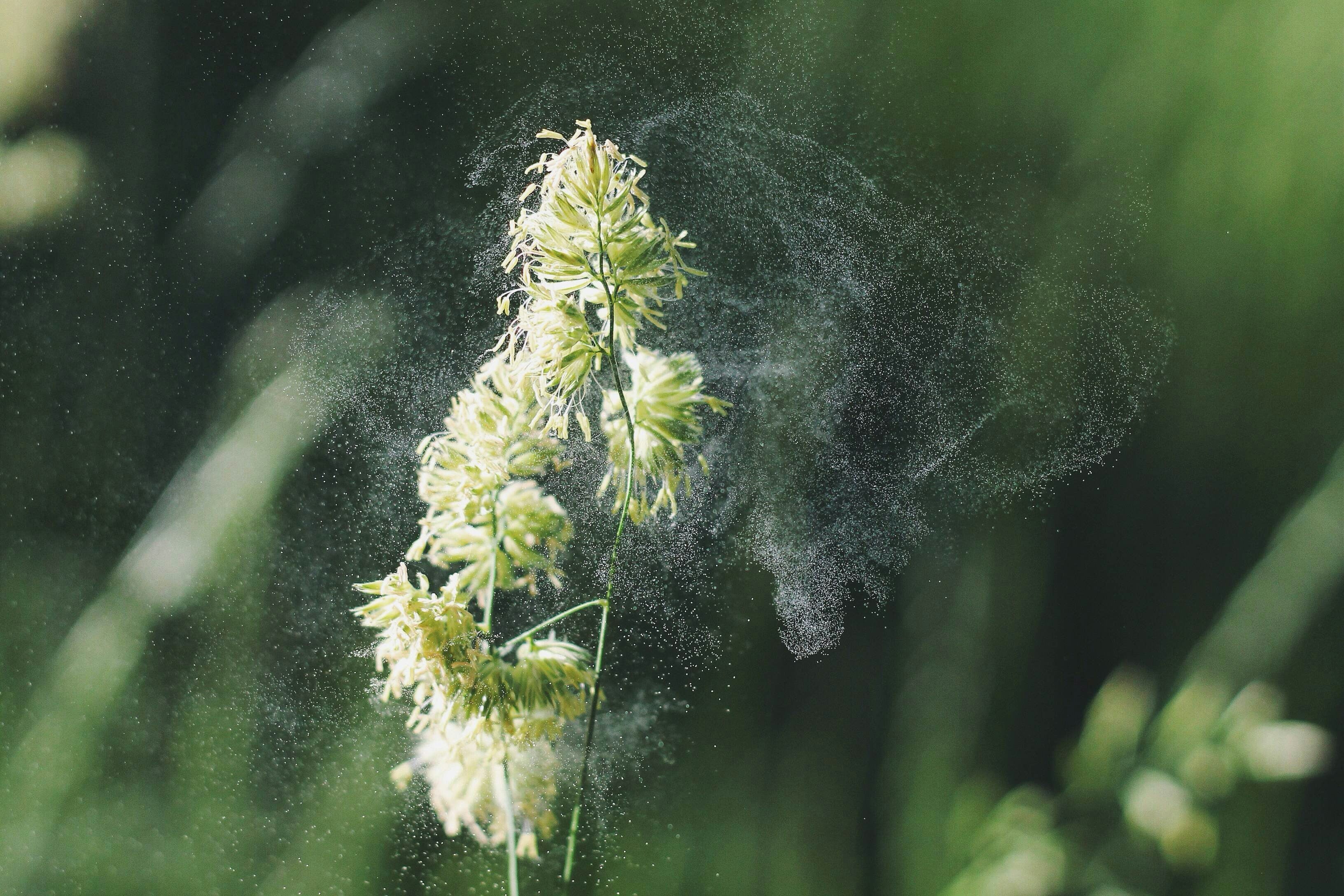
Spring brings warmer weather, longer days and new growth, but it can also bring higher pollen levels. For people with hay fever, pollen-related allergies, or asthma, grass, weed, and tree pollen can trigger sneezing, itchy eyes, a runny nose, and breathing symptoms. In Australia, grass pollen levels are generally highest between late September and December, although timing varies by region and plant species.
You cannot eliminate pollen from your surroundings, but you can reduce the amount around your home and limit how much makes its way indoors. Keeping the garden maintained, managing outdoor areas and paying attention to high-pollen conditions can all help.
Where does pollen around your home come from?
Pollen is released by plants including grasses, weeds and trees. Wind-pollinated plants are particularly relevant to hay fever because their pollen can become airborne and travel considerable distances.
Your own garden can also contribute to pollen exposure, particularly when grasses and weeds are flowering or when outdoor maintenance disturbs pollen. Mowing can increase exposure, so allergy organisations recommend avoiding it where possible and staying indoors while grass is being mown.
6 ways to reduce pollen around your home
1. Keep lawns maintained
Grass pollen can be a significant trigger during spring and early summer. Keeping lawns maintained can help prevent grass from becoming overgrown and flowering.
Mowing itself can expose you to pollen, so people with grass allergies may prefer to have a gardener handle regular lawn maintenance. It is also sensible to stay indoors while grass is being mown, particularly when pollen levels are high.
A gardener can arrange regular mowing and lawn maintenance to suit your property's needs, reducing the time you spend around freshly cut grass.
2. Stay on top of weeds
Weeds can produce pollen and may become more difficult to manage once they are well established.
Regular garden maintenance can help keep weeds under control, particularly around garden beds, paths and other outdoor areas close to the house. If certain plants or weeds trigger your allergies, ASCIA recommends identifying them and considering whether to remove them.
A professional gardener can assess the garden, remove unwanted growth and establish a maintenance schedule that keeps these areas under control throughout the warmer months.
3. Choose garden plants carefully
If pollen is a recurring problem in your household, consider the plants growing close to the home when planning new landscaping.
Not every flowering plant is a major pollen trigger. ASCIA notes that pollen responsible for allergic rhinitis generally comes from wind-pollinated grasses, weeds and trees, while highly flowered plants pollinated by insects or birds tend to produce less airborne pollen.
A gardener or landscaper can help you choose plants suited to your garden while considering your pollen concerns. If particular trees or weeds outside a bedroom window are known allergy triggers, professional removal may also be worth considering.
4. Keep outdoor areas clear of leaf litter and overgrowth
Leaves, weeds and general garden debris can accumulate around lawns, garden beds, paths and outdoor entertaining areas during periods of active growth.
Regular garden clean-ups can keep these areas manageable and make it easier to spot overgrown plants or weeds that may need attention. Depending on the property, this could include leaf removal, garden-bed maintenance, pruning and general green-waste removal.
For households where outdoor allergens are a concern, having a gardener handle these jobs can also reduce the time allergy sufferers spend working in the garden.
5. Think about where plants are positioned
The location of plants can matter as much as the plants themselves. For example, if a tree or other pollen-producing plant sits close to a bedroom window, it may increase exposure when pollen is released.
When planning or changing a garden, consider how close plants are to windows, doors and frequently used outdoor areas. A professional gardener or landscaper can help assess the layout and suggest planting arrangements that suit the space and your household's needs.
6. Keep pollen outside where possible
Pollen can enter the home through open windows and doors and can also be carried indoors on clothing and hair after spending time outside.
During periods of high pollen, keeping windows closed can reduce exposure. Healthdirect and ASCIA also recommend showering after outdoor exposure, while Healthdirect advises drying clothing and bedding indoors or in a dryer during pollen season.
Regular professional cleaning can also help keep indoor surfaces and floors free from accumulated dust and allergens. If your household is particularly sensitive to pollen, you may want to arrange a recurring cleaning service during spring and early summer.
What about pollen inside the house?
Reducing pollen around your property is only one part of managing exposure. Some pollen will inevitably make its way indoors, particularly on clothing, hair and through open doors.
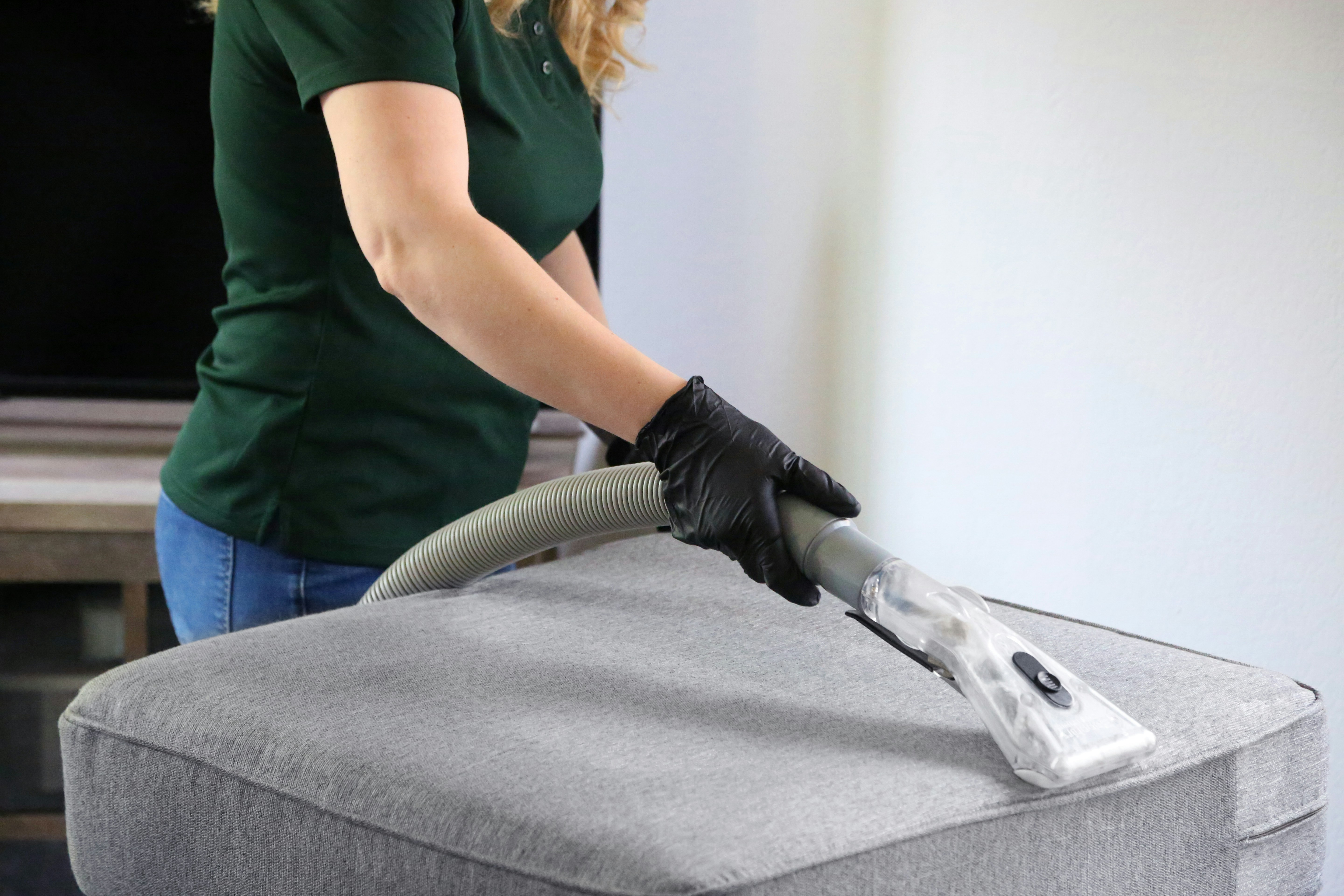
Regular cleaning of floors and surfaces can help remove allergens that settle around the home. ASCIA recommends regular vacuuming of carpets and sofas and damp dusting or using suitable cloths on hard surfaces as part of allergen minimisation.
Air conditioning can also help limit outdoor pollen exposure when windows are kept closed. For people with significant allergy or asthma symptoms, a doctor or pharmacist can advise on appropriate treatment and allergy management.
When should you hire a gardener?
If pollen is a concern, garden maintenance can become another source of exposure, particularly during mowing, weeding and other jobs that disturb vegetation.
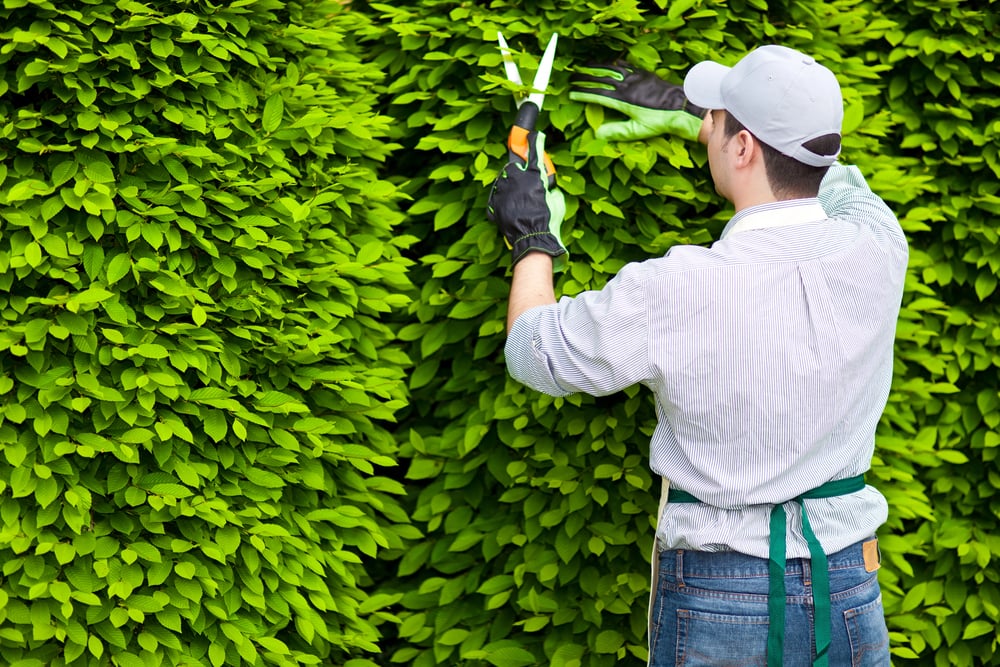
Hiring a gardener can take these tasks off your list while keeping the garden maintained throughout pollen season. You can post a job on ServiceSeeking.com.au to find local gardeners who can help with lawn maintenance, weeding, hedge trimming, garden clean-ups and ongoing garden care.
Regular maintenance can also make it easier to keep weeds and overgrown areas under control before they become a bigger job.
When are pollen levels highest?
Pollen levels vary depending on the location, weather and plants in the area. In southern Australia, grass pollen season is generally concentrated around October to December, while northern coastal areas can have grass pollen seasons earlier in the year.
Windy weather can spread pollen, while high pollen levels can also occur around thunderstorms. ASCIA recommends staying indoors before, during, and after thunderstorms in spring and summer if pollen is a trigger, as thunderstorms can contribute to asthma symptoms in susceptible people.
Checking local pollen forecasts can help you plan outdoor activities and garden maintenance around higher-risk days.
Find a gardener for spring garden maintenance
Keeping pollen exposure down starts with managing the areas around your home. Regular lawn maintenance, weeding, garden clean-ups and thoughtful planting can help keep pollen-producing vegetation under control.
If maintaining the garden is difficult during pollen season, you can find a gardener on ServiceSeeking.com.au to handle regular outdoor maintenance while you spend less time working around grass and other plants.