Home Handiwork
Refresh your home for winter with cosy décor updates, layered textures, warm lighting, and seasonal styling ideas for Australian homes.
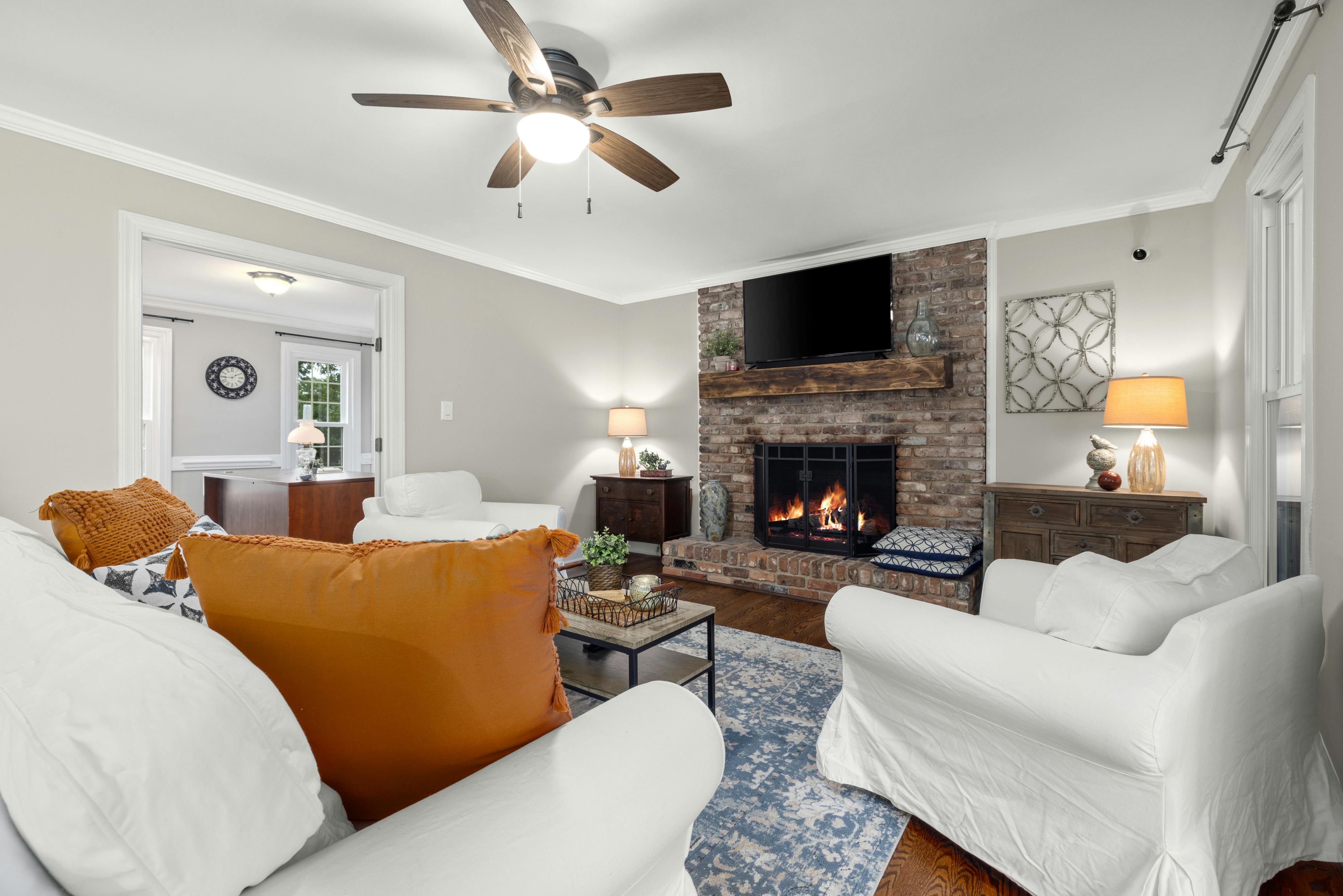
As the weather cools across the country, many homes start to feel slightly disconnected from the season outside. Lightweight fabrics, bright accents, and airy styling that suited summer and early autumn can suddenly leave rooms feeling flat once winter arrives.
The transition into winter does not need a full redesign. In most Australian homes, seasonal decorating is about layering warmth into existing spaces through texture, lighting, colour, and comfort-focused updates. With many Australian homes also known for limited insulation and cooler indoor temperatures during winter, these styling changes can make rooms feel more inviting during colder evenings.
Let Texture Lead the Seasonal Change
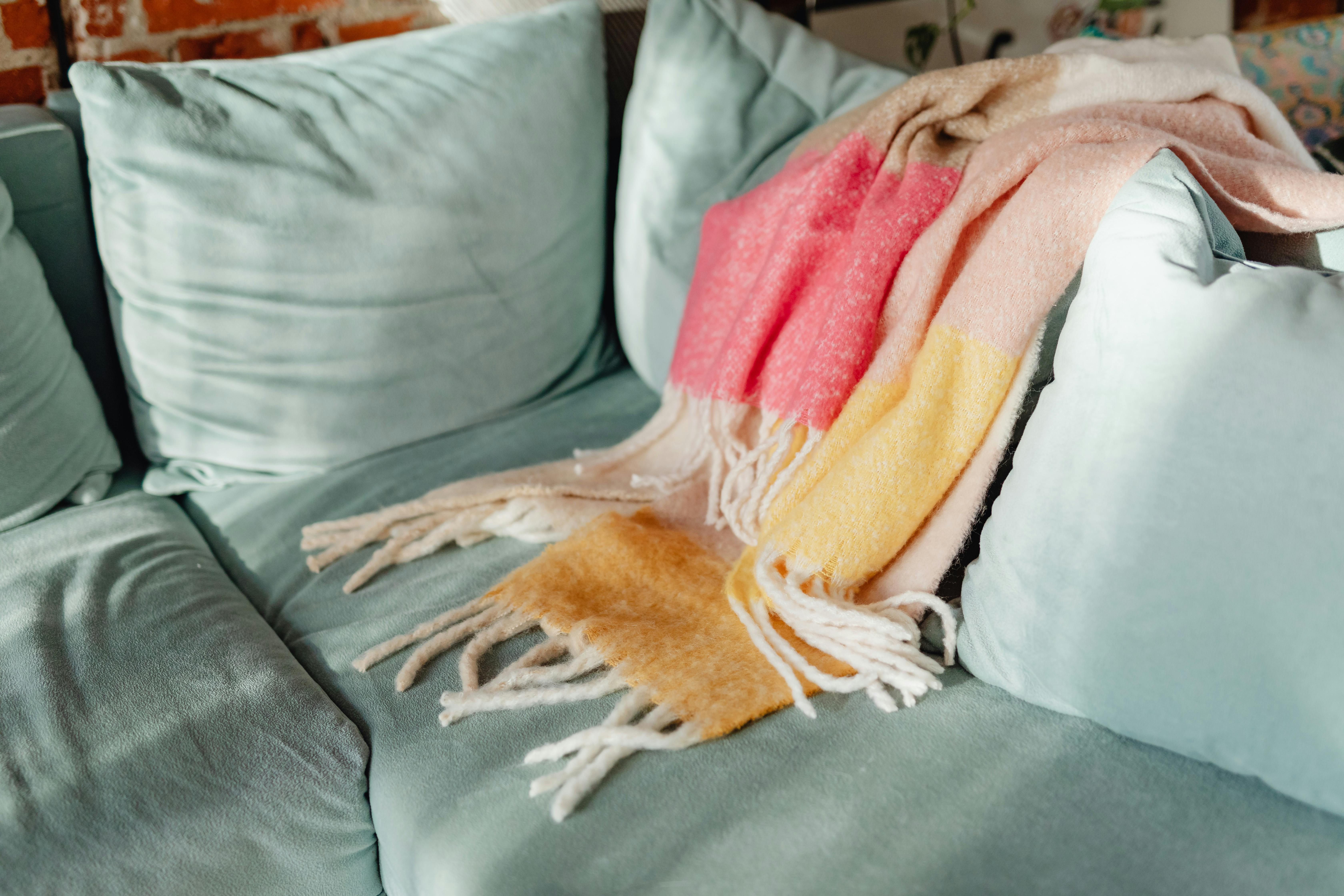
One of the biggest differences between autumn and winter interiors is texture. Autumn styling often still carries lighter fabrics and relaxed finishes, while winter works better with materials that add softness and visual warmth.
Texture also changes how a room feels physically. Layered fabrics soften colder spaces, particularly in homes with timber floors or large open-plan areas that lose warmth during the evening.
Deepen the Colour Palette Without Redecorating
Winter decorating in Australian homes generally works best when the existing palette becomes deeper rather than completely different. Most homes already have a neutral base through warm whites, soft greys, timber finishes, or beige tones, so the seasonal update usually happens through accents rather than major changes.
Autumn colours such as dusty terracotta, sage, and muted ochre naturally transition well into winter when paired with richer tones like forest green, burgundy, espresso brown, or soft charcoal.
Rugs Become More Important During Winter
Flooring has a major impact on how comfortable a room feels during colder months. Surfaces that work well in summer, such as polished concrete, exposed timber, or flatwoven rugs, can feel noticeably cooler once winter arrives.
Adding a denser or more textured rug helps soften the room visually while also improving comfort underfoot. Wool and wool-blend rugs are especially popular during winter because they add warmth without making a room feel overly heavy.
Use Curtains to Add Warmth and Softness
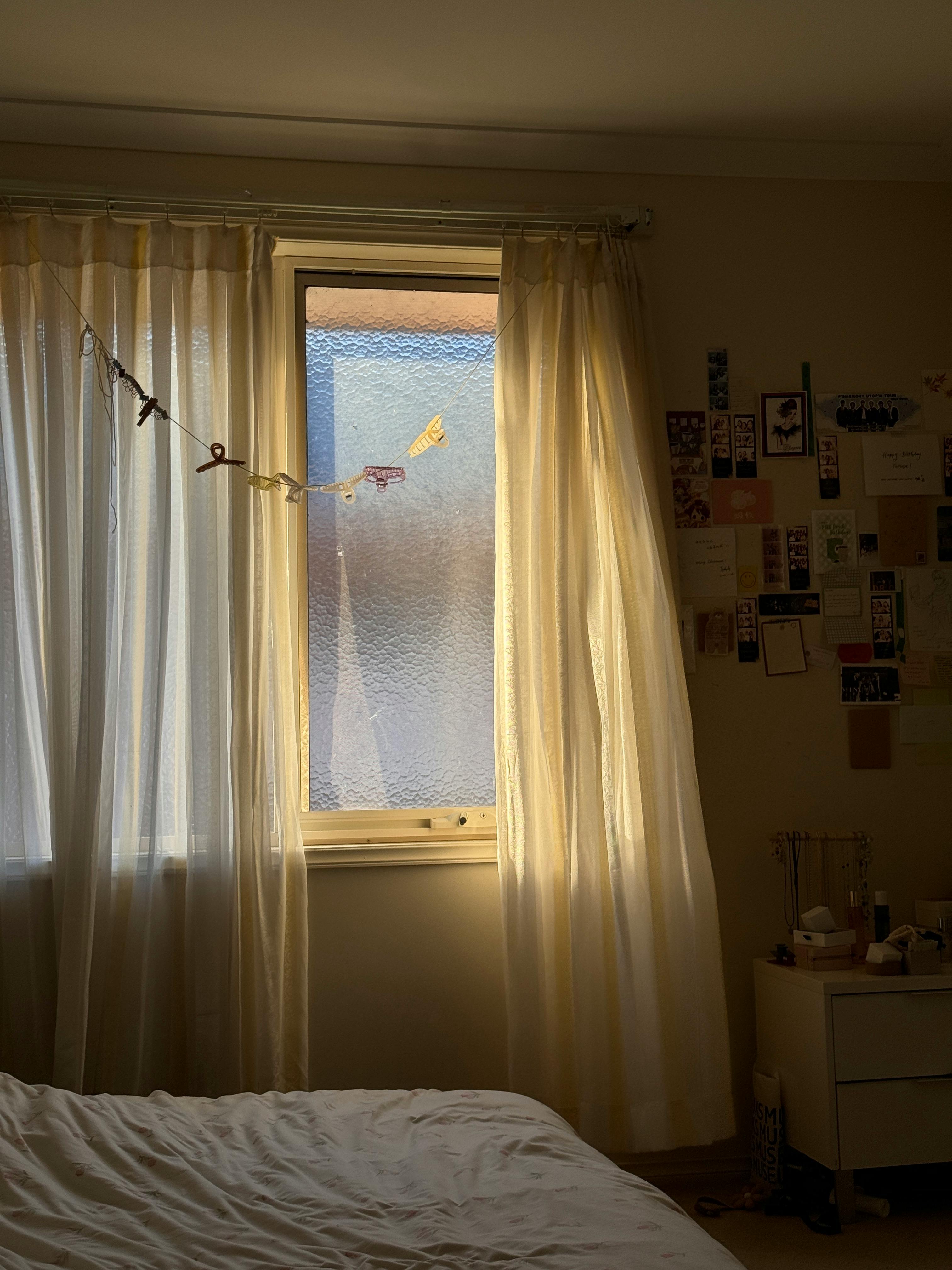
Curtains often become more functional during winter, especially in homes where evening temperatures drop quickly indoors. Sheer curtains that softened harsh summer light may no longer provide enough insulation or warmth once colder weather settles in.
Layering heavier curtain panels alongside existing sheers can make living spaces feel more comfortable and visually grounded. Linen blends, woven cottons, and floor-length curtains in warm neutrals tend to work particularly well during winter.
They also change the quality of light inside the home. Winter sunlight arrives at a lower angle and carries a softer golden tone, which warmer fabrics tend to enhance beautifully in the late afternoon.
Homeowners planning larger updates to curtains, upholstery, or interior styling can compare local professionals through ServiceSeeking.com.au.
Rethink Lighting as Days Get Shorter
Lighting becomes far more noticeable once evenings start arriving earlier. Bright ceiling lights that felt practical during summer can feel harsh during winter nights, particularly in living rooms and bedrooms.
This is where layered lighting starts to matter. Table lamps, floor lamps, wall lights, and warm LED lighting help create softer pools of light throughout the home instead of relying on one central source.
Flameless candles are also commonly used during winter because they add warmth visually without overwhelming a space. The aim is not dramatic mood lighting but a gentler atmosphere that suits colder evenings.
Bring Nature Indoors in a Different Way
Natural styling still works beautifully during winter, although the look often changes slightly. Autumn interiors may feature lighter greenery or dried textures, while winter spaces usually suit fuller foliage, darker greens, and richer natural materials.
Timber accents, ceramic vessels, eucalyptus branches, olive stems, and textured planters help maintain warmth in a room without making it feel cluttered. These details also work well with the earthy tones commonly seen in winter interiors.
Small Professional Updates Can Make a Noticeable Difference
For homeowners wanting a more polished seasonal refresh, professional help can often make the process easier and more cohesive. Interior decorators, painters, flooring specialists, and lighting installers can help update spaces in ways that suit both the season and the home itself.
Homeowners can explore local services through ServiceSeeking.com.au to compare quotes and find professionals suited to their budget and project needs.
Winter decorating in homes is usually less about dramatic seasonal themes and more about making spaces feel warmer, softer, and more comfortable as the temperature changes. Often, a few thoughtful updates are enough to make the entire home feel more in step with the season.