Not sure when to start pruning this winter? Learn how frost, dormancy and plant type affect timing, and when to call a professional gardener.
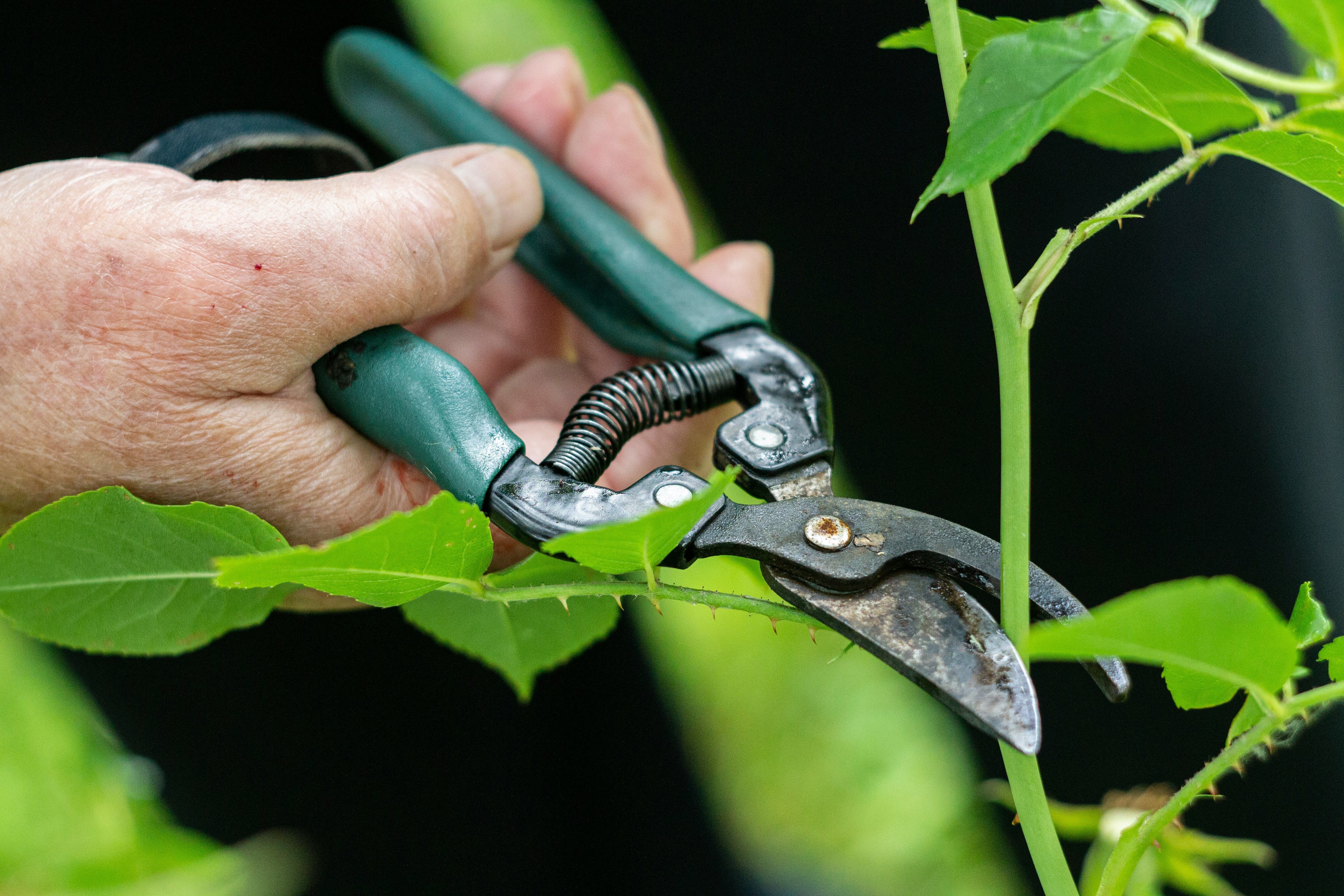
Every winter, the same question does the rounds in gardening groups across the country: is it too cold to start pruning, or is it already too late? The honest answer is that it depends on where you live, what you're growing, and how the season has actually behaved rather than what the calendar says it should be doing.
Australia's winters aren't uniform. A gardener in Sydney might be looking at buds forming in July, while someone on the Mornington Peninsula is still mowing weekly because the grass hasn't slowed down at all. Perth's winter rarely dips below single digits overnight and sits comfortably in double digits by day. Working out when to start pruning means paying attention to your own garden's signals, not a fixed date on a chart.
Why Dormancy Matters More Than the Season
Traditionally, pruning is timed for when a plant is dormant. Deciduous trees drop their leaves, growth slows, and plants direct less energy toward healing wounds. Cutting during this quiet period reduces stress on the plant and lowers the risk of sap loss or disease entering through fresh cuts.
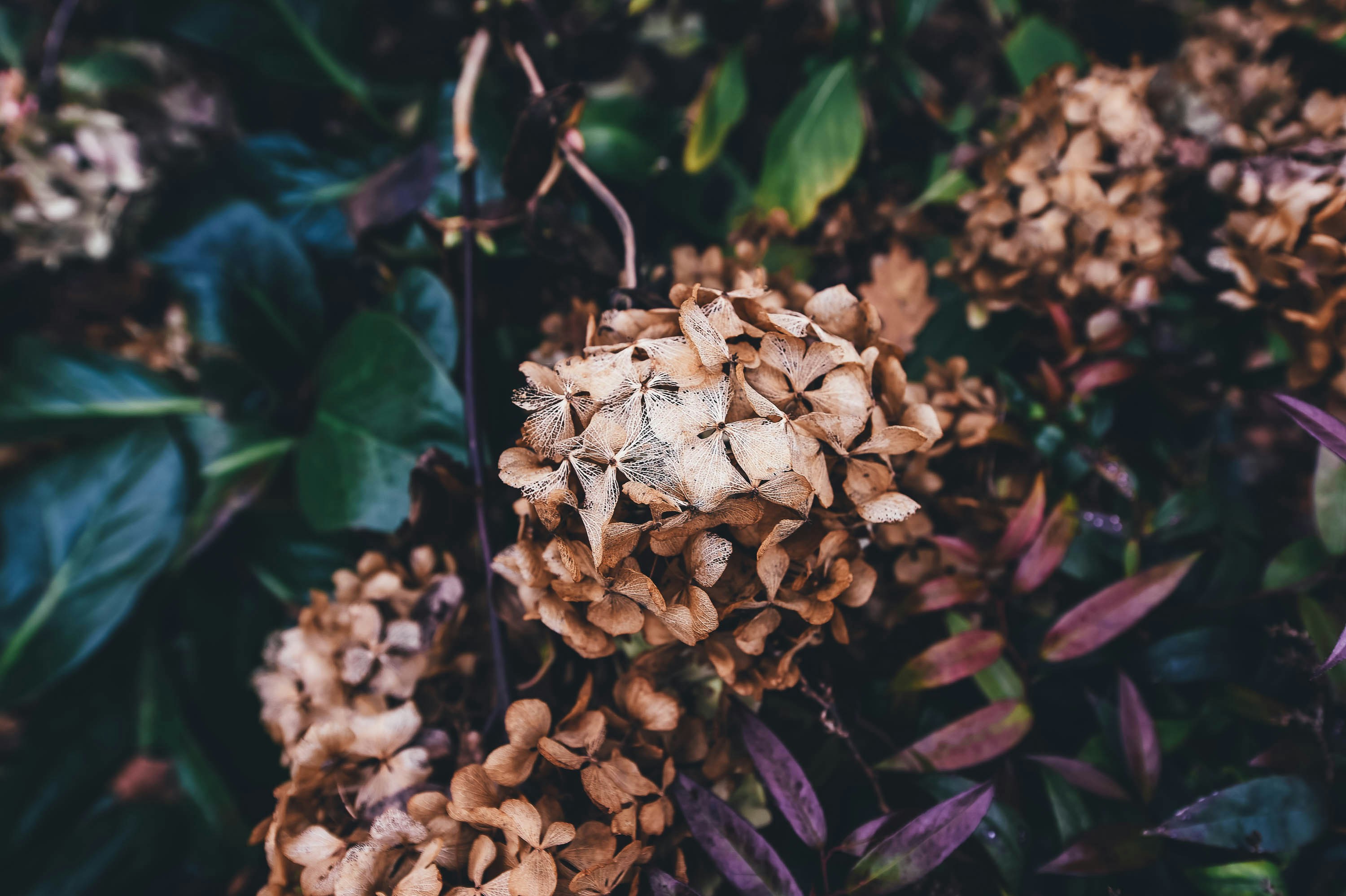
The catch is that dormancy isn't guaranteed just because it's winter. In milder regions, or during a warmer-than-usual season, plants can stay active well into what should be their resting period. Some fruit trees have been spotted budding weeks earlier than expected, with flowers appearing not long after. Once a plant has moved past dormancy and into active growth, the ideal pruning window has generally closed for that season.
Reading the Signs Instead of the Date
Rather than relying on "prune in August" or similar rules of thumb, it helps to look at what the plant itself is doing:
- New shoots or soft green growth suggest the plant has woken up.
- Swelling buds are an early warning that flowering isn't far off.
- Leaves still hanging on well into winter can point to a mild season where the plant never fully shut down.
If you spot any of these, pruning can still happen, but it's worth adjusting your approach. Lighter, more targeted cuts are usually safer than a heavy prune once growth has resumed.
Frost Risk Changes the Equation
Frost is one of the bigger factors in deciding when to start pruning, particularly for frost-sensitive plants. Cutting back foliage reduces a plant's natural protection against cold snaps, so a hard prune right before a frosty night can expose tender new growth to damage.
This risk varies enormously by location. Gardeners in frost-prone pockets of outer Melbourne or the Southern Tablelands need to be more cautious than those in Sydney or coastal Perth, where frost might only appear on the odd cold morning. Herbs like thyme are generally tolerant of cold, though cutting right back to the old woody stems is best avoided regardless of frost risk, since that older wood doesn't always reshoot reliably.
Different Plants, Different Rules
Pruning timing also shifts depending on what's being cut back.
Stone fruit trees such as peaches and nectarines are often pruned while dormant, but once buds swell or flowers appear, many gardeners choose to hold off until after fruiting instead. For young trees still being shaped, some gardeners wait until the trunk reaches a certain thickness before removing competing side branches, since those branches can actually help the main trunk develop strength early on.
Ornamental and native shrubs vary widely. Some flower on last year's wood and should be pruned straight after flowering rather than in winter, while others are perfectly happy with a winter cut. Herbs and soft perennials tend to be more forgiving, though a light trim is usually kinder than a hard cutback if they're already showing new growth.
Does Pruning in Winter Increase Infection Risk?
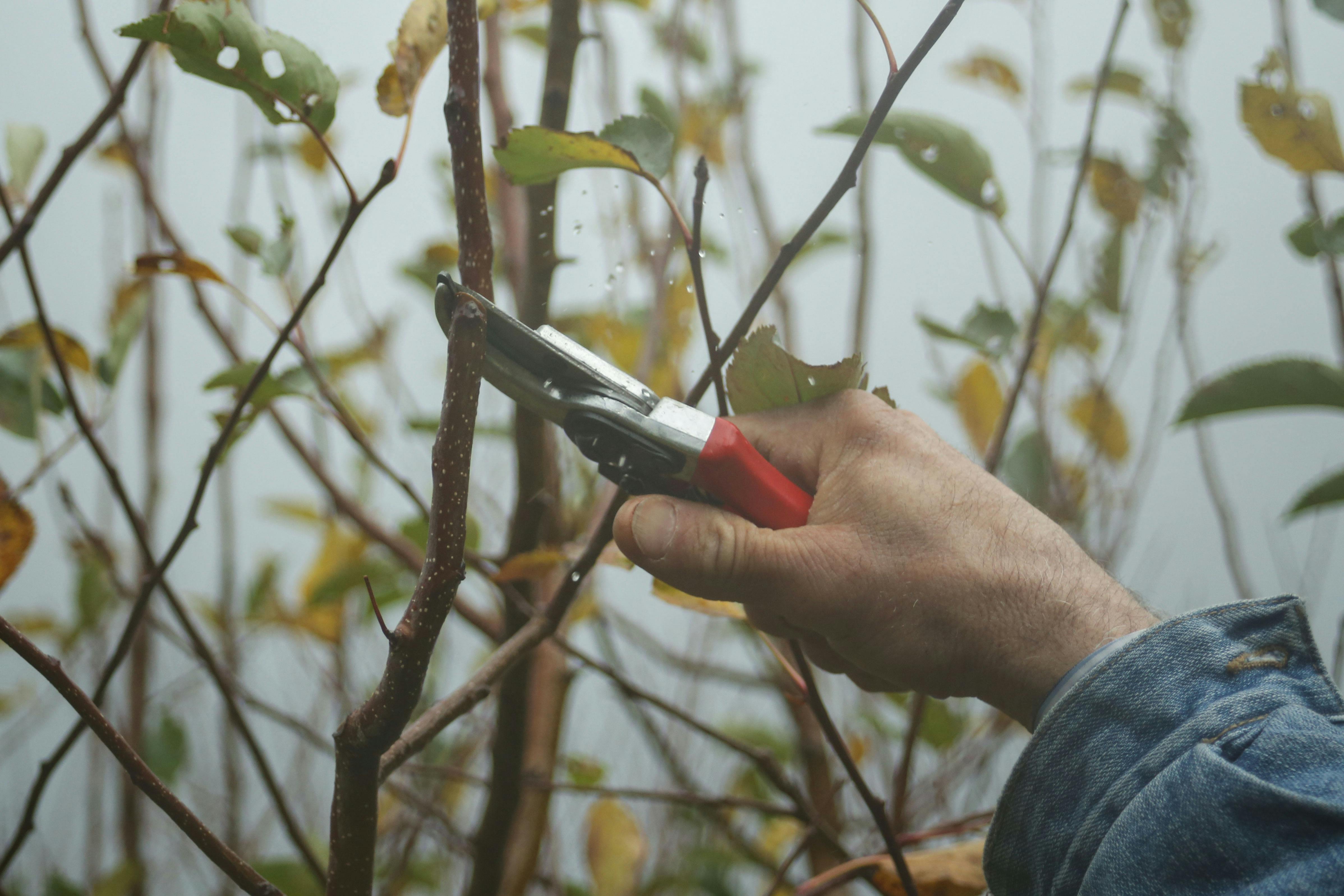
It's a fair question, and one that comes up often. Open cuts can be an entry point for disease, and cold, damp conditions aren't always ideal for quick healing. Using clean, sharp tools and avoiding pruning right before heavy rain can reduce this risk. For larger trees, or where disease is already a concern in the garden, getting a second opinion on technique and timing can make a real difference to how well the plant recovers.
When It's Worth Getting Help
Working out whether it's still too cold to prune, or already too late, isn't always straightforward, especially with fruit trees, established garden trees, or a mix of plants that all seem to be behaving differently this year. A gardener or arborist who works with local conditions day to day can look at what's actually happening in your garden and time the job accordingly, rather than guessing from general advice online.
If you've got trees or shrubs that need attention and you're not confident about the timing, browsing tree-pruning and gardening professionals on ServiceSeeking is a straightforward way to get local advice and have the job done properly this season. It also takes the guesswork out of deciding whether now is the right moment or whether it's better to wait.
A Season That Keeps Shifting
Winters are behaving differently from one year to the next, and what worked as a rule of thumb a decade ago doesn't always hold up now. Keeping an eye on your specific plants, your local frost patterns, and how the season is actually unfolding will serve you better than sticking rigidly to a date. And when the answer still isn't clear, a professional who knows the local climate can settle the question quickly.