Air Conditioning & Heating
Discover how child-friendly home design can evolve as your kids grow, and what homeowners should consider to keep their space practical at every stage.

When you first set up your home for kids, everything likely revolved around cots, safety gates, prams, and toy storage. But children don’t stay the same age for long. A home that worked perfectly for toddlers can start to feel awkward, cluttered, or limiting once your kids are in primary school or their teenage years.
That’s where child-friendly home design really comes into play. It’s not just about early safety. It’s about making sure your home continues to support how your children actually live now—how they study, relax, socialise, and move through the space.
If you haven’t looked at your home through that lens in a while, it may be time for a refresh.
Why your home needs to evolve as your kids grow
Children move through fast-changing stages. Each one brings new needs that can quietly clash with a home set up for an earlier phase.
- Toddlers need safe, open play areas within sight.
- Primary school kids need room to store school gear, play, and start focusing.
- Teenagers need privacy, study zones, and space that reflects who they are becoming.
Homes that don’t evolve can start to feel messy, noisy, or hard to manage. Updating your layout, storage, and room functions helps reduce daily friction and makes the home work better for everyone.
Start by looking at your home as it is today
Before changing anything, walk through your home with one simple question in mind:
“Does this space still match how my kids actually live?”
Things to notice:
- Are backpacks, shoes, and devices piling up in walkways?
- Do kids have somewhere suitable to read, study, or unwind?
- Are play areas still age-appropriate, or have they outgrown them?
- Are shared areas working, or do they feel crowded and noisy?
This quick assessment often shows where updates would make the biggest difference.
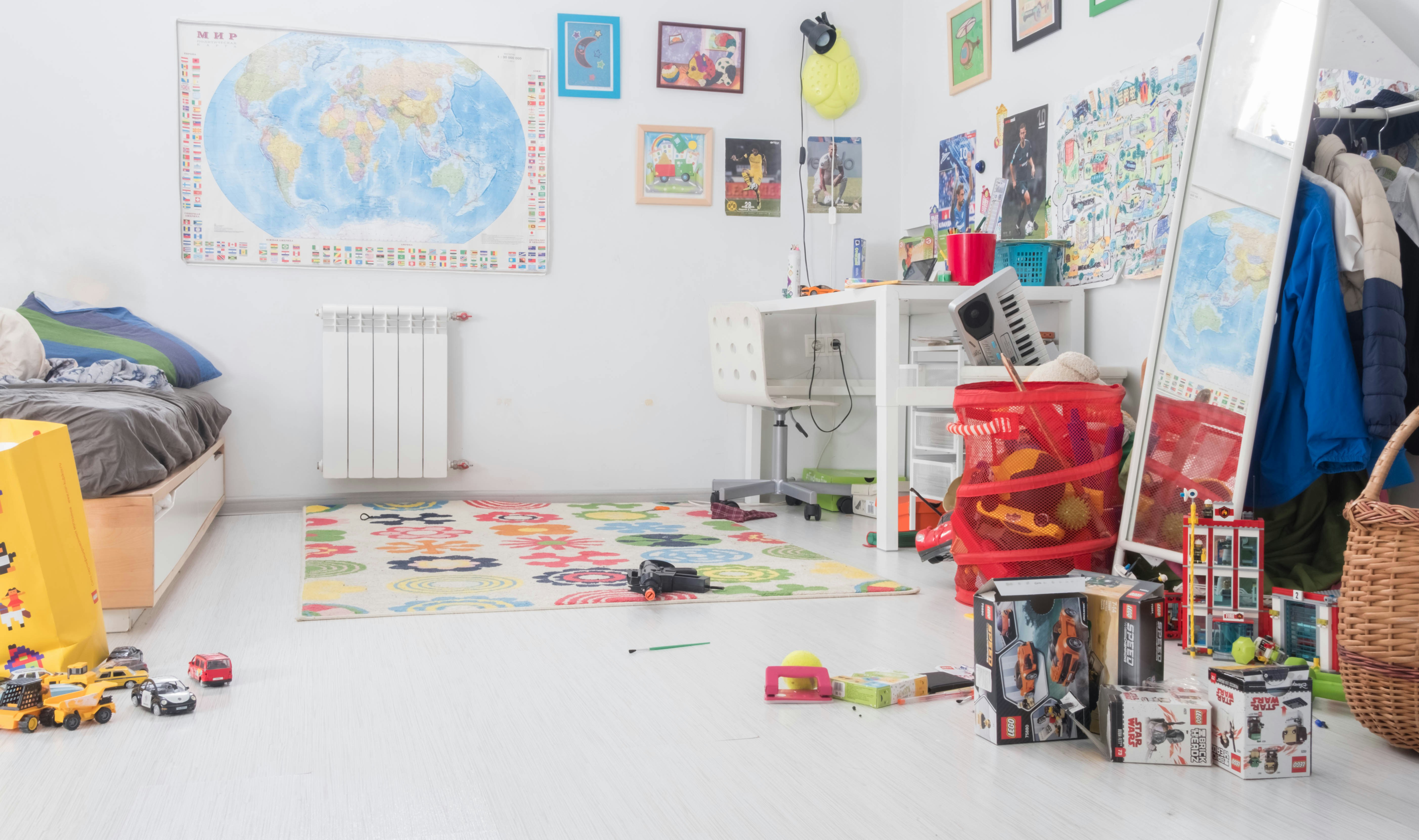
Smart transition spaces
One of the most overlooked parts of child-friendly home design is the area where the outside world meets the home. Entry zones, hallways, and laundry-adjacent spaces do a huge amount of daily work.
As kids get older, they bring more with them:
- school bags
- sports gear
- laptops and tablets
- jackets, shoes, and lunch bags
Homes that manage this well often include mudroom-style spaces, built-in storage, seating, and charging points. These areas help keep clutter from spreading through the house and make mornings and afternoons far easier to manage.
A well-designed transition space supports independence, organisation, and a calmer home overall.
Living spaces that support different ages at once
Family areas often need to work for multiple ages at the same time. Younger kids may want to play, while older kids may read, talk with friends, or work on schoolwork.
Good child-friendly home design looks at:
- visibility between rooms
- noise flow
- zones within open-plan spaces
For example, having a defined area where kids can use devices or do homework while still being near the main living zone helps maintain connection without crowding. These layouts often involve subtle structural changes, built-in shelving, or rethinking how rooms are divided and used.
Professionals such as builders, carpenters, and interior trades can help reshape these areas, so they grow with your family rather than working against it.
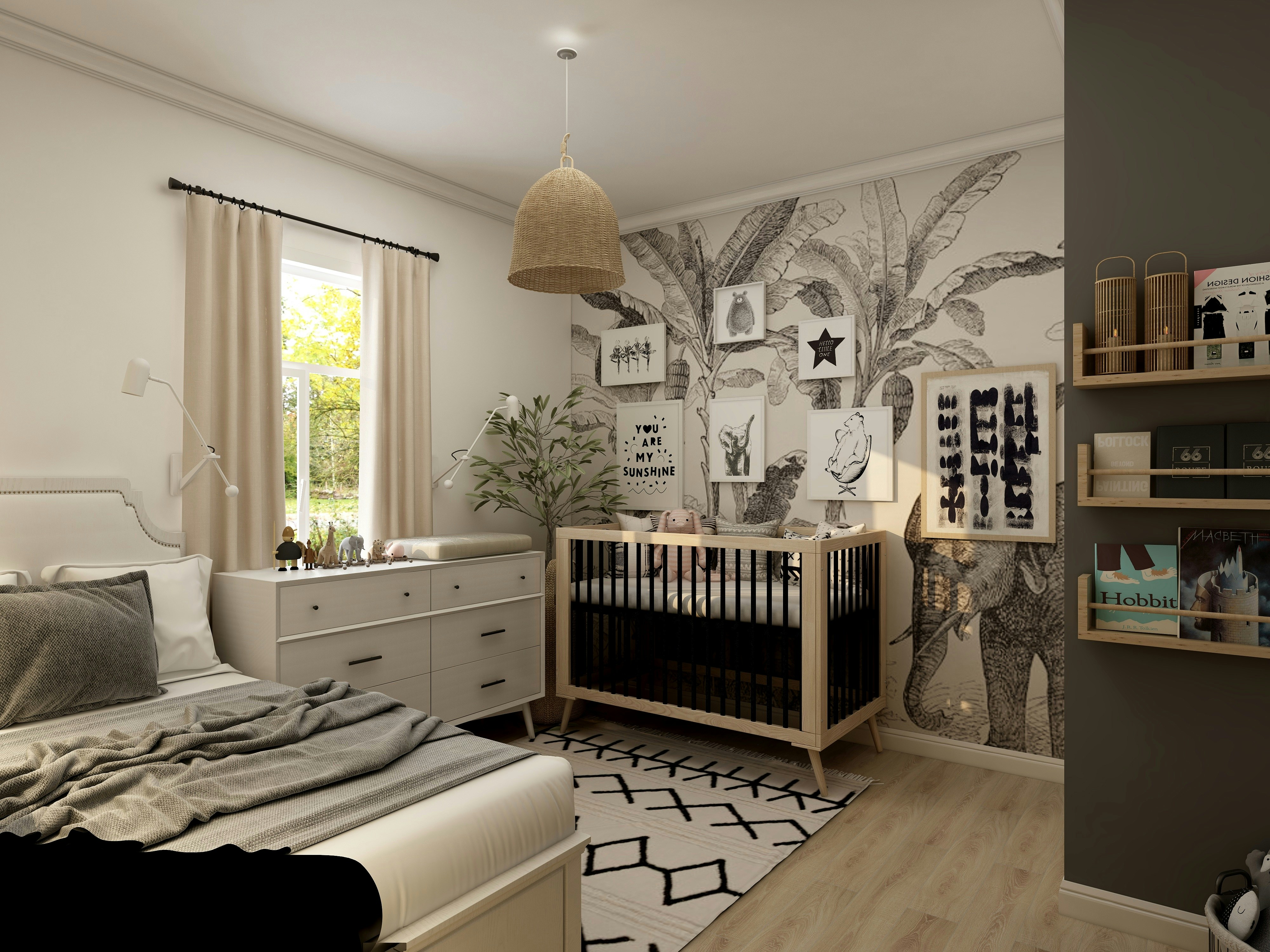
Bedrooms that grow with your child
Children’s bedrooms often start as sleep-and-play spaces. Over time, they need to become more personal and more practical.
Depending on age, a bedroom may need to support:
- play and storage
- reading and creativity
- study and screen use
- privacy and downtime
Neutral foundations with flexible storage tend to age better than rooms designed for one short phase. Built-in wardrobes, shelving, and desks can shift in function over time, allowing the room to change without a full overhaul.
For older kids and teens, having a room that feels respected and functional can support routines, organisation, and emotional well-being.
Storage that changes with the stage
As kids grow, the nature of clutter changes. Fewer toys, more equipment. Fewer nappies, more technology. Storage that once worked can become frustrating.
Many families benefit from:
- reconfigured wardrobes
- built-in cabinetry
- garage or shed organisation
- multi-purpose cupboards
A home that keeps up with your family’s stage reduces daily mess and helps children learn to manage their own belongings. Updating storage is one of the most effective ways to refresh a home without changing its footprint.
Service providers found through ServiceSeeking can help homeowners plan and install storage solutions suited to growing households.
Study zones and focus-friendly spaces
School-age children and teenagers need more than a spare corner at the dining table. As workloads increase, having areas set up for concentration becomes more important.
Effective study spaces usually consider:
- lighting
- acoustics
- power access
- seating and surface layout
Whether this is a reworked bedroom, a converted nook, or a dedicated room, these changes support learning and independence. Trades such as electricians, carpenters, and home renovators can help tailor spaces that suit how your children study now, not how they studied five years ago.

Outdoor areas matter too
Family-friendly design doesn’t stop at the back door. Outdoor areas often change role as children grow.
- Younger kids benefit from enclosed, visible play areas.
- Older kids often want room for sport, hobbies, or social time.
Fencing, shaded areas, storage, and defined zones all help outdoor spaces remain useful across age groups. As with interiors, small layout and structure changes can extend how long your outdoor areas work for your family.
Location and lifestyle considerations
Sometimes, it’s not only the house but its surroundings. Walkability, access to schools, parks, transport, and community spaces become more relevant as children gain independence.
While not every factor can be changed, homeowners can adjust how their property connects with its location through access points, storage for bikes or equipment, and safer outdoor transitions.
When updates are worth considering
You may want to reassess your home setup if:
- your kids’ needs have clearly shifted
- shared spaces feel overcrowded
- storage no longer matches daily life
- bedrooms feel mismatched to age
- routines are getting harder, not easier
These moments often signal that your home is ready for its next phase.
Rather than tackling changes alone, many homeowners choose to work with local trades and home service providers who understand family-focused layouts. Through ServiceSeeking, you can connect with professionals who help adapt homes to suit growing households, from storage upgrades to room reconfigurations.
Child-friendly home design is not a one-time decision. It’s an ongoing process that shifts as your children do. A home that evolves with your family doesn’t just look better. It works better—for daily routines, for changing needs, and for the years ahead.