If you’re not sure if your insulation is up to scratch, we'll walk you through the key signs to look out for—and what to do about it.
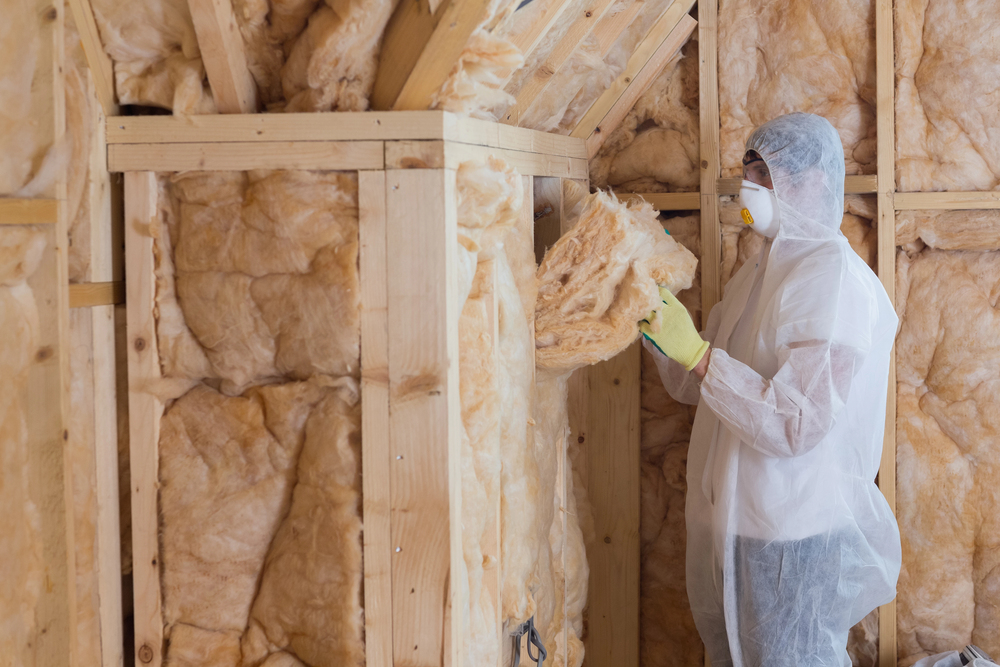
When winter rolls around in Australia, it’s not just the footy season kicking off—it’s also when chilly draughts, rising energy bills, and uncomfortable indoor temps start creeping in. And more often than not, the culprit isn’t your heater—it’s your insulation.
Good insulation is what keeps your home warm in winter and cool in summer. But like anything in your home, it can wear down, get damaged, or simply fall short of today’s standards.
If you’re not sure whether your insulation is up to scratch, this guide will walk you through the key signs to look out for—and what to do about it.
1. Your Energy Bills Spike Every Winter
If your heating costs shoot up the moment the temperature drops, your insulation might not be doing its job. Proper insulation reduces the amount of heat escaping your home, meaning your heater doesn’t have to work overtime.
If you’re constantly adjusting the thermostat but still not feeling the warmth—or noticing your bills climbing higher each year—it’s worth investigating what’s happening in your walls, roof, or floors.
2. Some Rooms Feel Freezing (While Others Don’t)
Ever walked from one room to another and felt like you’ve stepped into a different climate zone? Uneven temperatures are a classic sign of patchy or insufficient insulation.
This could mean:
- Gaps in ceiling insulation
- Poor wall insulation in certain areas
- Older materials that have shifted or degraded over time
A qualified tradie can quickly assess where heat is escaping and recommend targeted fixes rather than a full overhaul.
3. You Feel Draughts Indoors
Draughts aren’t always about gaps under doors or around windows—they can also point to insulation issues. If cold air seems to creep in even when everything is sealed up, your insulation may be thin, damaged, or missing altogether in certain spots.
Addressing this early can make a massive difference to comfort levels—and save you from cranking the heater all season.
4. Your Home Takes Ages to Warm Up
If you switch on the heater and it feels like nothing happens for ages, your insulation could be underperforming. A well-insulated home should warm up relatively quickly and retain that heat.
Slow heating often means the warmth is escaping just as fast as it’s being generated—a frustrating (and costly) cycle.
5. Your Insulation Is Old or Outdated
Insulation isn’t exactly something homeowners think about often, so it’s easy to forget how old it actually is. But if your home was built decades ago—or hasn’t had an insulation upgrade in years—it may not meet current efficiency standards.
Older insulation materials can:
- Lose effectiveness over time
- Settle or compress
- Become damaged by moisture or pests
Upgrading to modern insulation can dramatically improve both comfort and energy efficiency.
6. You Notice Moisture or Mould
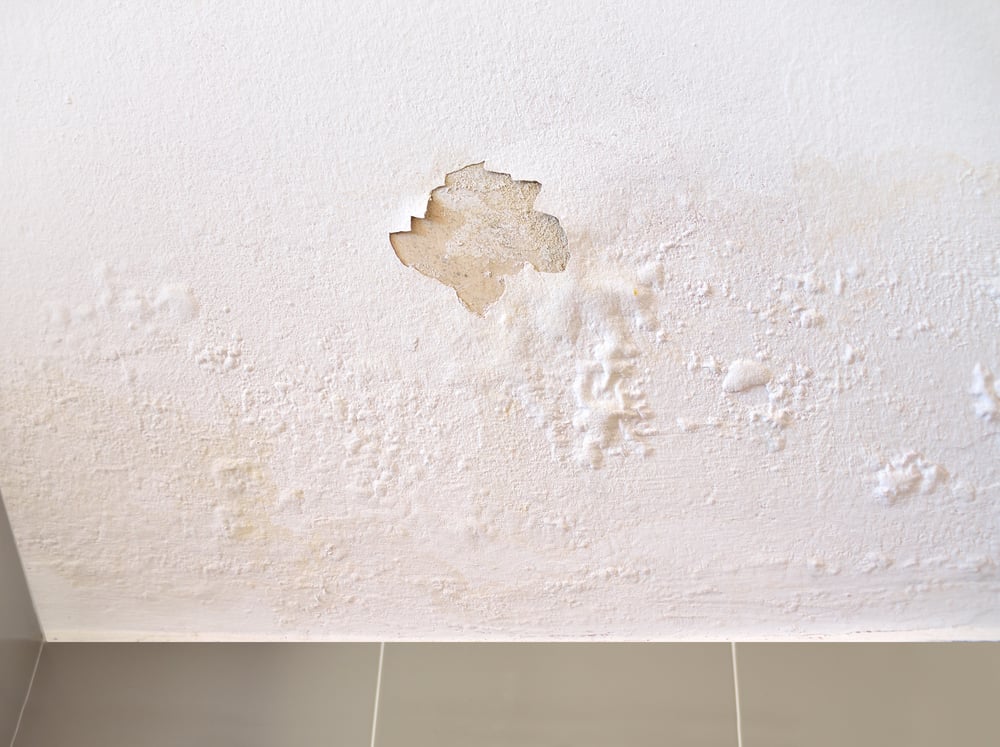
Condensation, damp patches, or mould growth can sometimes be linked to poor insulation—especially in colder months when warm indoor air meets cold surfaces.
This isn’t just about comfort—it can affect your health and the structural integrity of your home. If you’re spotting signs of moisture, it’s worth having both your insulation and ventilation checked by a professional.
7. Your Ceilings or Walls Feel Cold to the Touch
Take a moment to feel your interior walls or ceilings on a cold day. If they feel noticeably chilly, it’s a sign that heat isn’t being retained properly.
Good insulation acts as a barrier, keeping indoor warmth in. Without it, those surfaces become pathways for heat loss.
8. You Hear More Outside Noise Than You Should
While insulation’s main job is temperature control, it also helps with soundproofing. If you’re noticing more outside noise—traffic, neighbours, or wind—it could be a sign your insulation isn’t as effective as it should be.
An upgrade can improve both comfort and quietness inside your home.
9. Your Roof Space Looks Patchy or Uneven
If you’ve ever peeked into your roof cavity and noticed insulation that looks thin, uneven, or disturbed, that’s a red flag. Insulation should be evenly distributed with no visible gaps.
Things to look for:
- Bare patches
- Compressed or flattened batts
- Signs of pests or water damage
If you’re not sure what you’re looking at, it’s best to leave it to a pro—roof spaces can be tricky (and unsafe) to navigate.
10. You’re Renovating or Extending
If you’re planning any renovations, it’s the perfect time to reassess your insulation. Adding new rooms or modifying existing ones can create inconsistencies if insulation isn’t upgraded alongside the build.
A quick check now can save you from comfort issues down the track—and ensure your whole home performs as it should.
So, What Should You Do Next?
If you’ve ticked off a few of these signs, it’s probably time to take action. The good news? You don’t have to figure it out on your own.
Getting a professional assessment is the easiest way to understand:
- What condition your current insulation is in
- Where heat loss is happening
- What upgrades (if any) are worth the investment
And that’s where a platform like ServiceSeeking.com.au comes in handy.
Instead of chasing quotes or relying on guesswork, you can quickly connect with experienced insulation specialists in your area. Whether it’s a simple top-up, a full replacement, or advice on the best materials for your home, having access to multiple qualified tradies makes the process straightforward—and competitive.
Why It’s Worth Getting It Sorted Before Winter Hits
Leaving insulation issues until the middle of winter can mean:
- Higher energy bills
- Ongoing discomfort
- Limited availability of tradies during peak season
Getting ahead of it means you’ll be ready when the cold sets in—without the stress.
Plus, with energy efficiency becoming a bigger focus for Aussie households, improving your insulation isn’t just about comfort—it’s a smart long-term investment.
Final Thoughts
Insulation might be out of sight, but it definitely shouldn’t be out of mind—especially as winter approaches. A quick check now can make a noticeable difference in how your home feels (and what it costs to run).
If something doesn’t feel right—cold rooms, rising bills, or lingering draughts—it’s worth getting a professional opinion. With the right tradie, fixing insulation issues is often quicker and more affordable than people expect.