Home Renovation
Explore kitchen layout ideas that suit your space and lifestyle. Learn what works best and connect with kitchen renovators on ServiceSeeking.
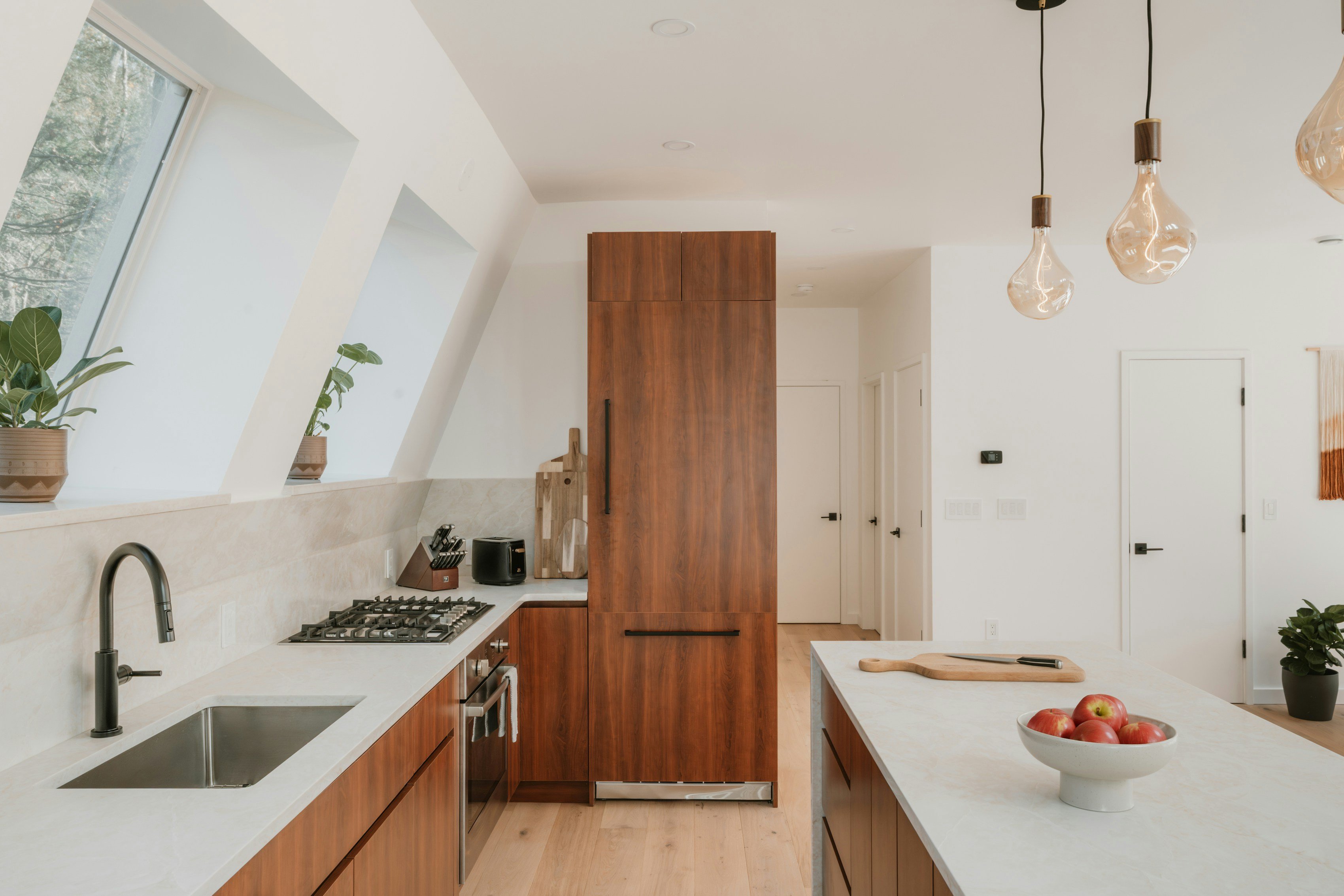
A good kitchen layout shapes how the space works day to day. It affects how you move, where you store things, and how easily more than one person can use the area at the same time. The right layout is less about trends and more about how your household actually functions.
When looking at kitchen layout ideas, start with how the space is used. Some households need room for two or three people cooking together. Others want clear walkways and simple access to appliances. Layout decisions should follow those patterns, not the other way around.
Start with the work triangle
Most layouts are built around the work triangle, which connects the sink, cooktop, and fridge. This keeps movement efficient without crowding one zone.
In smaller kitchens, the triangle tends to be tighter. In larger kitchens, it can be more spread out, but still within easy reach. If the distance is too wide, everyday tasks start to feel slower. If it is too tight, the space can feel congested.
It is also worth thinking about traffic. Walkways that cut through the triangle can interrupt cooking and create bottlenecks, especially in open-plan homes.
Popular kitchen layouts and when they work
Different layouts suit different floor plans. The most effective choice usually depends on space, access points, and how many people use the kitchen at once.
Galley kitchen
A galley layout places benches on two parallel walls.
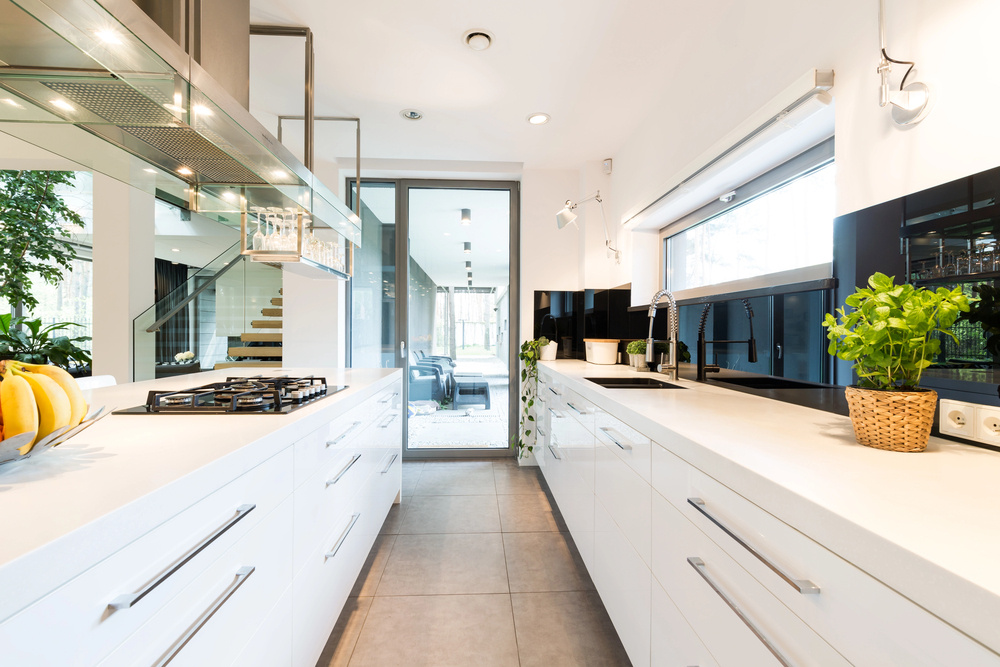
This works well in smaller homes or apartments where space is limited. It keeps everything within reach and supports a compact work triangle. It can feel narrow if multiple people are using it, so clear walkways are important.
L-shaped kitchen
An L-shaped layout uses two adjoining walls.
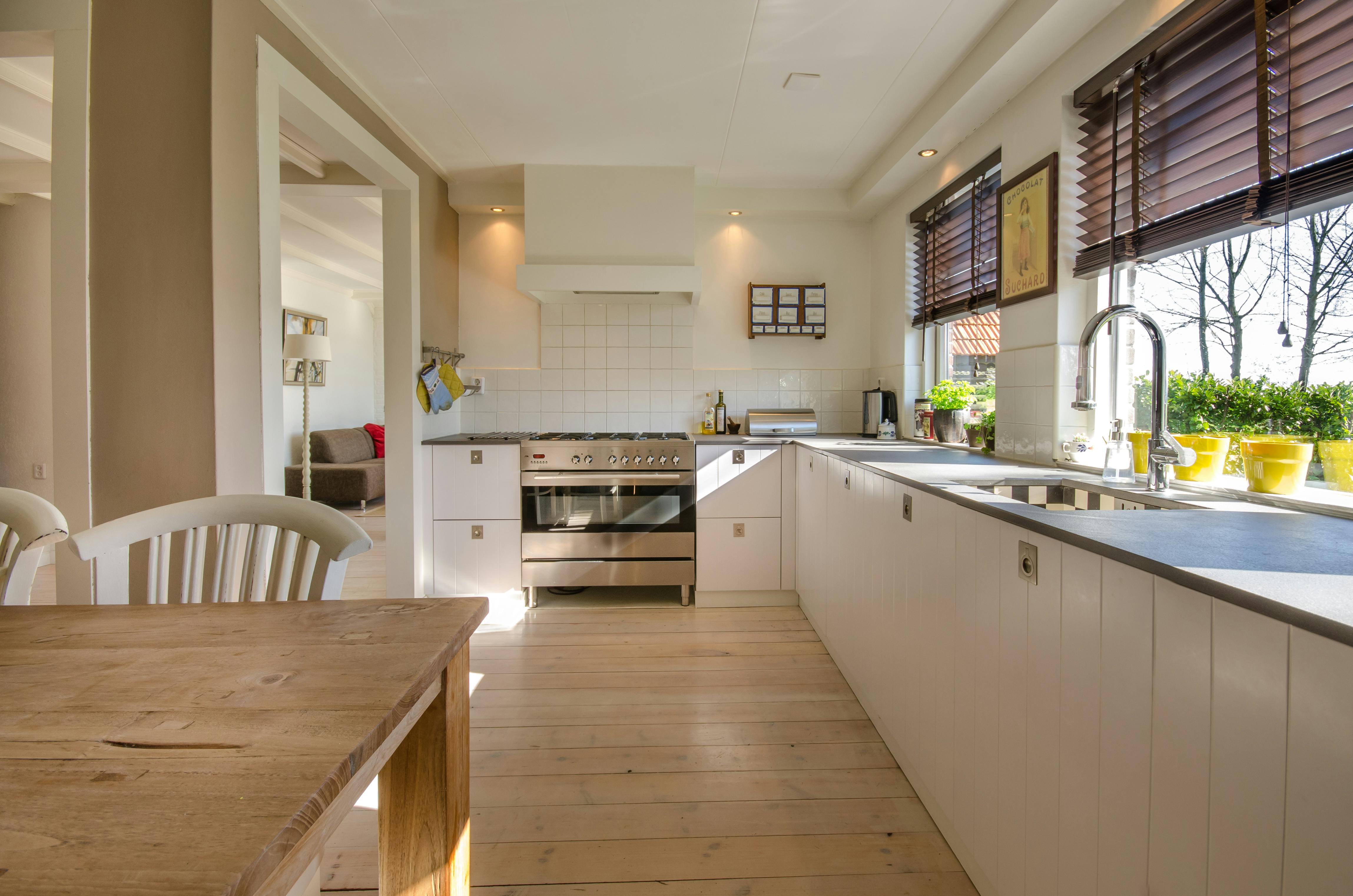
This is common in open-plan homes because it leaves room for a dining or living area. It allows for flexible movement and works well for households that want a balance between cooking and social space.
U-shaped kitchen
A U-shaped layout wraps around three walls.
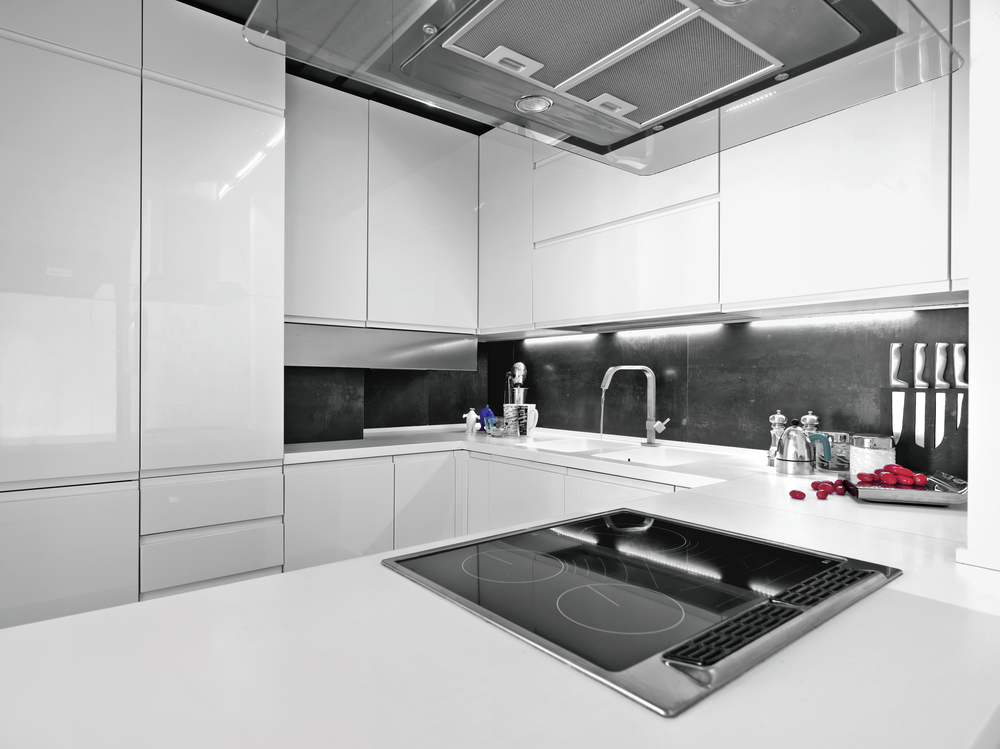
It offers plenty of bench space and storage, which suits households that cook often. The main consideration is avoiding tight corners and ensuring there is enough room to move between sides. In smaller spaces, it can feel enclosed if not planned carefully.
Island kitchen
An island layout adds a freestanding bench in the centre.
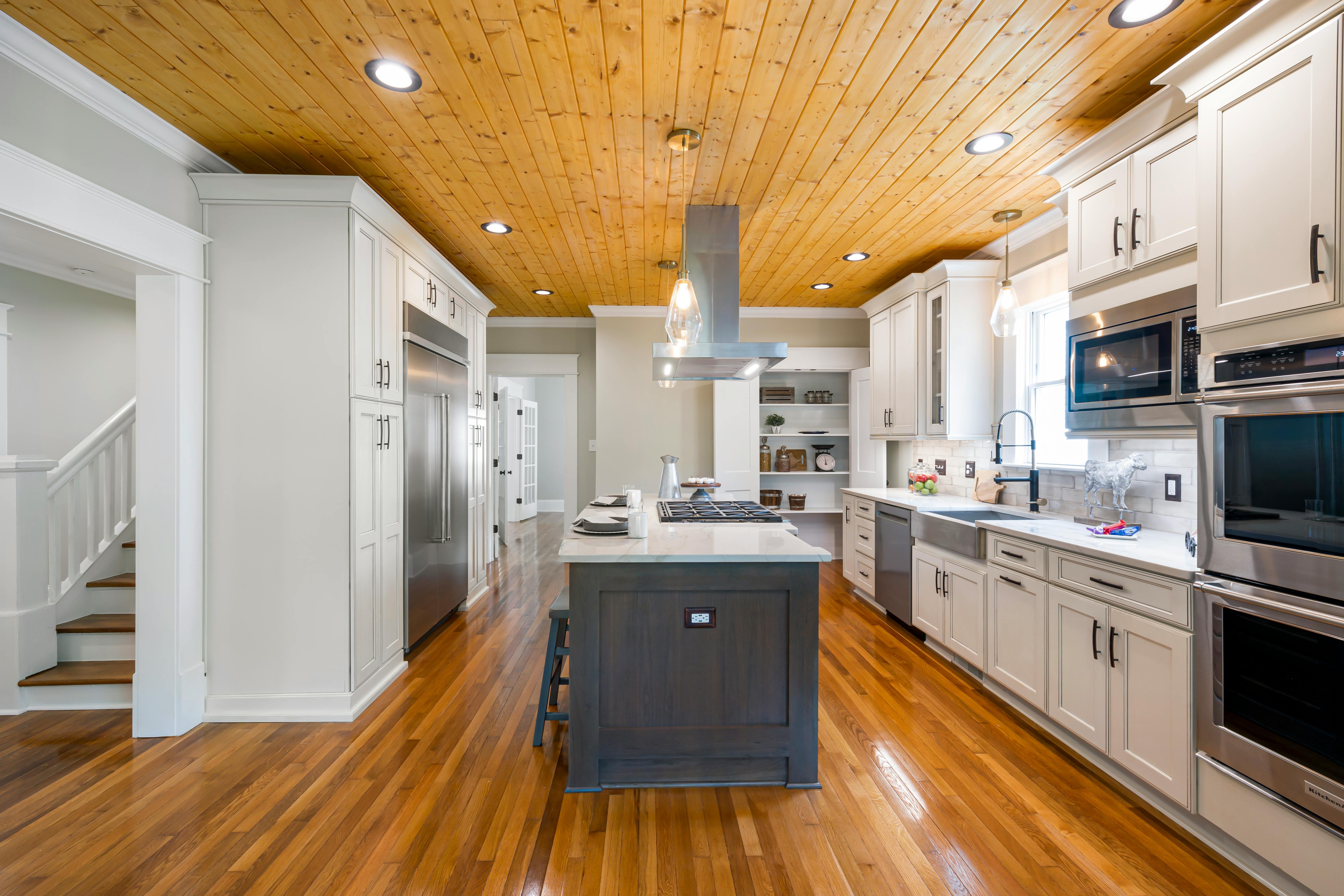
This is one of the more popular kitchen layout ideas for open-plan living. It creates additional prep space and often doubles as a place to sit or gather. The key detail is clearance. There needs to be enough space around the island for movement, appliance doors, and multiple users.
Placing sinks or cooktops on an island is possible, though it can increase plumbing or installation costs. Many homeowners prefer to keep the island clear for prep and social use.
Peninsula kitchen
A peninsula is similar to an island but connected to a wall or cabinetry.
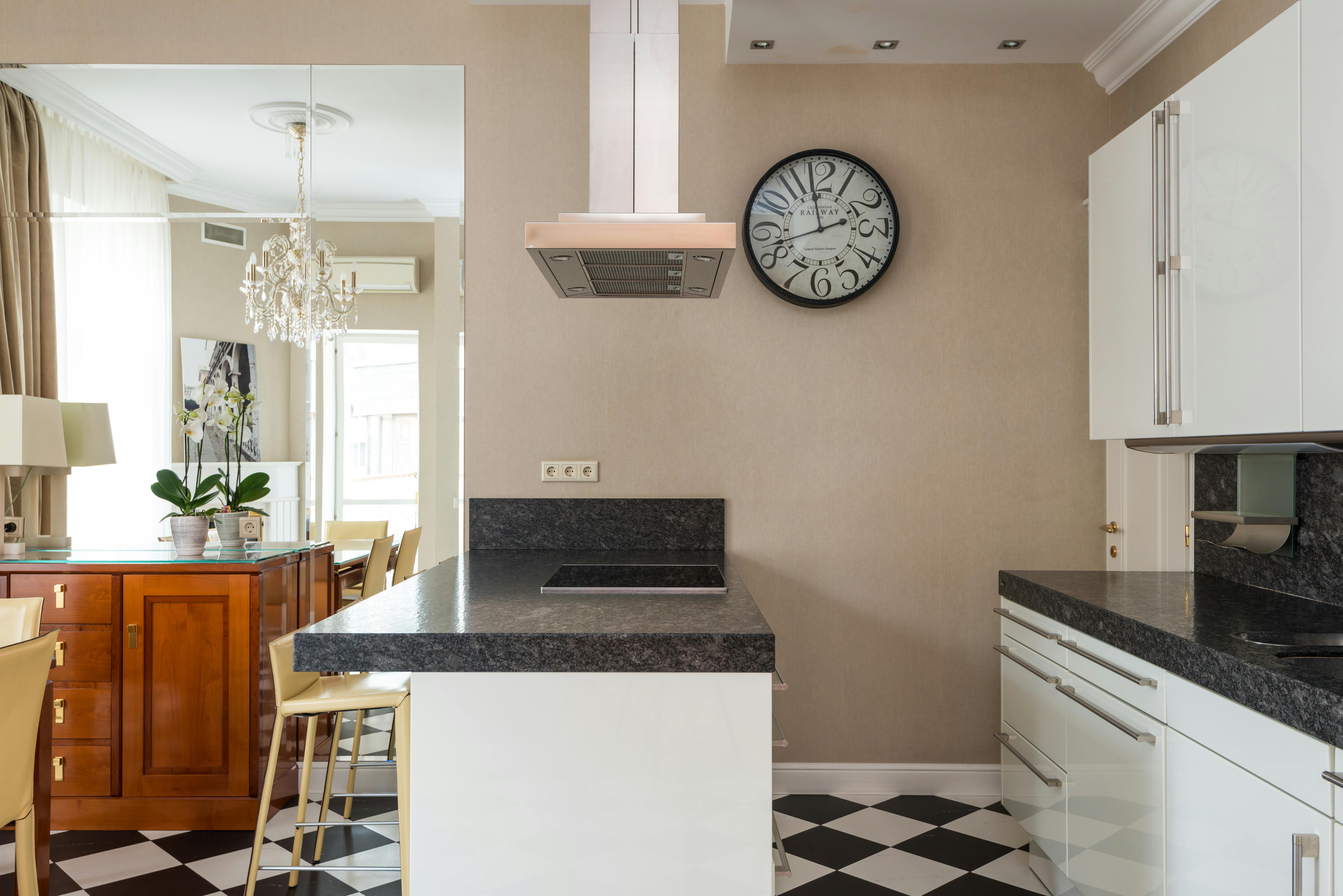
It suits homes that want the benefits of an island but do not have enough space for a fully freestanding bench. It can also help define the kitchen zone without closing it off completely.
One thing to consider is how it affects movement. A peninsula can limit entry and exit points if not positioned carefully.
Matching layout to your space
The size and shape of your kitchen will often narrow down your options.
In smaller kitchens, layouts that keep everything close tend to work better. Galley and L-shaped designs are common here. They reduce unnecessary movement and make the most of available bench space.
In larger kitchens, there is more flexibility. Islands and U-shaped layouts can offer more storage and workspace. The focus shifts to maintaining flow and avoiding long walking distances between key areas.
Doorways, windows, and existing plumbing also influence layout decisions. Moving these elements is possible but can increase costs, so many layouts are designed around them.
Think about how you use the kitchen
A layout should reflect daily routines.
Households that cook frequently often benefit from more bench space and clear zones for prep, cooking, and cleaning. Those who entertain may prioritise open layouts with seating, so guests can gather without getting in the way.
If more than one person uses the kitchen at the same time, consider how movement will work. Wider walkways and multiple access points can make a noticeable difference.
Storage habits also play a role. For example, placing drawers and cupboards near where items are used can make the layout feel more intuitive.
Planning for appliances and clearances
Appliance placement has a direct impact on layout performance.
Dishwashers should be positioned close to the sink for easy loading. Ovens and cooktops need enough bench space on either side for safe use. Fridges should be accessible without blocking walkways when opened.
Clearances matter just as much. Walkways of around 900mm to 1200mm are common in many layouts, allowing people to move comfortably even when doors or drawers are open.
It is also worth thinking about door swings and how they interact. Overlapping doors can quickly make a layout frustrating to use.
Avoiding common layout issues
Some layout problems only become obvious after the kitchen is in use.
One example is placing key elements too far apart, which can slow down everyday tasks. Another is creating narrow walkways that make it hard for more than one person to move through the space.
Dead corners in U-shaped kitchens can also reduce usable storage if not addressed with the right fittings. Similarly, islands placed too close to walls can limit their usefulness.
Keeping the focus on movement, access, and spacing helps prevent these issues.
Adapting layouts for different households
Different households have different needs, and layouts should reflect that.
Families with young children often prefer open layouts with clear sightlines to nearby living areas. This makes it easier to keep an eye on activity while cooking.
Older homeowners or those planning to age in place may benefit from wider walkways and easy-to-reach storage. Minimising bending and stretching can make the space more comfortable to use over time.
For smaller households or couples, the priority may be efficiency and simplicity rather than maximising size.
Why working with a kitchen renovator helps
Choosing between kitchen layout ideas is not always straightforward. Floor plans, plumbing, structural elements, and appliance placement all need to align.
A professional kitchen renovator can assess your space and suggest layouts that work in practice, not just on paper. They can also identify potential issues early, such as clearance problems or inefficient work zones.
If you are planning a renovation, you can connect with experienced kitchen renovators on ServiceSeeking. Posting your job allows you to compare quotes, review profiles, and find a professional who understands your layout goals.
Getting the layout right at the start makes the rest of the renovation process more straightforward. It sets the foundation for a kitchen that works well for years to come.