Everything homeowners need to know about outdoor living space safety, from backyard risks to bushfire planning and child-friendly outdoor design.
Outdoor living space safety is an essential part of creating a home that feels comfortable, welcoming, and suitable for everyday use.
Because these areas are exposed to weather, uneven surfaces, open boundaries, and environmental risks, safety should always be a core consideration. Thoughtful planning and regular attention help reduce hazards, protect children and guests, and support long-term enjoyment of your outdoor areas.
This guide covers what homeowners need to know about outdoor living space safety, including backyard risks, child-friendly design, trampoline awareness, and bushfire considerations.
The Rise of Outdoor Living in Modern Homes
Outdoor living spaces have become a central feature of Australian homes. Covered patios, outdoor kitchens, pool zones, and landscaped gardens now function as extensions of the indoors. These areas add lifestyle value and create flexible spaces for entertaining and unwinding.
As outdoor spaces become more sophisticated, safety planning needs to evolve alongside design choices. Materials, layouts, fencing, lighting, and drainage all influence how safe and usable an area is over time.
Well-planned outdoor environments support everyday comfort while helping to manage risks linked to slips, falls, water access, fire exposure, and children’s play.
Why Safety Should Come First in Outdoor Design
Outdoor areas naturally involve changes in ground level, exposure to the elements, and movement between zones. Decks, stairs, balconies, pools, and garden paths require careful consideration to reduce the chance of accidents.
When safety is integrated into the planning stage, outdoor spaces feel cohesive rather than restricted. Barriers, surfaces, and layouts work together to guide movement, manage access, and protect vulnerable users such as children and older family members.
Homeowners often work with experienced trades and outdoor specialists to ensure outdoor spaces meet relevant standards while still delivering on style and comfort.
Backyard Safety for Everyday Living
Backyards are one of the most common places for household injuries, particularly among children. Play equipment, garden features, tools, and plants all introduce potential hazards if spaces are not well managed.
A safer backyard environment generally includes:
- Clearly defined zones between play areas, entertaining areas, and utility spaces
- Secure fencing around pools, water features, driveways, and animal enclosures
- Well-maintained surfaces without sharp edges, loose materials, or unexpected drops
- Storage solutions that keep equipment and garden products out of reach
Looking at your outdoor space from a child’s perspective often highlights risks adults may overlook, such as climbable structures, unstable objects, or hidden trip hazards.
Landscaping and outdoor maintenance services can help homeowners keep yards tidy, visible, and better organised, supporting both safety and visual appeal.
Child-Friendly Outdoor Spaces
Outdoor environments play an important role in children’s development. Gardens encourage curiosity, movement, and sensory learning, but they also require careful oversight.
When planning or reviewing outdoor areas used by children, homeowners should consider:
- The stability and placement of play equipment
- The presence of sharp edges, hard surfaces, or fall zones
- Whether plants are toxic, irritating, or covered in thorns
- How easily children can access water, tools, or stored products
Plant selection is particularly important. Some garden plants can cause skin reactions or illness if touched or ingested. Nurseries and landscaping professionals can help identify child-appropriate planting options and design layouts that balance greenery with open, visible spaces.
Ongoing supervision remains a key part of outdoor safety, especially for younger children, even in well-planned environments.
Trampoline Safety in Residential Spaces
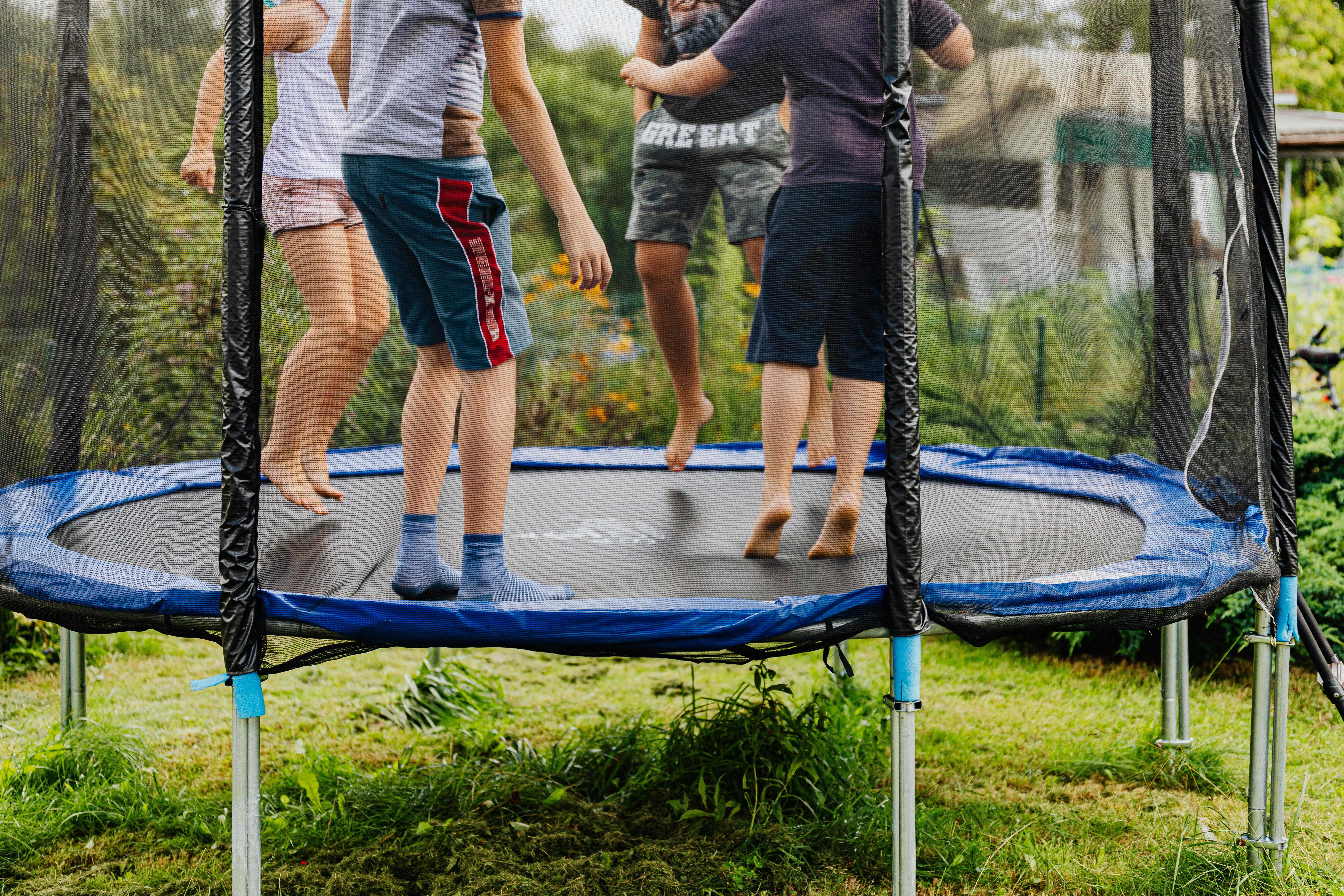
Trampolines are a popular backyard feature, but they are also linked to a high number of childhood injuries each year. These range from minor sprains to more serious fractures.
Key safety considerations for trampolines include:
- Allowing only one user at a time
- Ensuring constant supervision, particularly for younger children
- Using protective padding over frames and springs
- Regularly checking mats, nets, frames, and fittings for wear or damage
The positioning of trampolines also matters. They should be located away from hard landscaping, fences, and furniture, with clear surrounding space.
Many homeowners choose to engage outdoor installers or maintenance services to help ensure recreational equipment is set up and positioned with safety in mind.
Pool, Deck, and Entertaining Area Safety
Pools, raised decks, and alfresco areas often form the heart of outdoor living, but they also introduce risks linked to water access, heat, and changes in elevation.
Important safety elements include:
- Pool fencing and self-closing gates that restrict unsupervised access
- Slip-resistant surfaces around wet zones
- Consistent lighting across walkways and steps
- Handrails and balustrades that meet current standards
Outdoor kitchens and barbecue zones should also be positioned to reduce congestion and keep hot surfaces away from high-traffic areas.
Qualified trades can assess layout, drainage, and material choices to help ensure entertaining spaces remain comfortable and suitable for frequent use.
Bushfire Safety and Outdoor Areas
Australia’s climate and landscape mean bushfire planning is an important part of outdoor living space safety, particularly in high-risk regions.
Outdoor spaces often act as the first point of exposure to embers, radiant heat, and wind-driven debris. How these areas are designed and maintained can influence how fire behaves around a home.
Key considerations include:
- Keeping gardens clear of excess debris and green waste
- Managing vegetation near buildings, decks, and fences
- Maintaining gutters, pergolas, and roof-adjacent structures
- Selecting materials and finishes suited to bushfire-prone locations
Outdoor features such as pergolas, decks, and fences may also need to align with Bushfire Attack Level (BAL) guidelines, which indicate the level of exposure a property may face.
Because BAL ratings affect material choices and construction methods, many homeowners rely on licensed builders, landscapers, and assessors when planning outdoor upgrades in bushfire-prone areas.
Landscaping Choices That Support Safety
Landscaping does more than shape the look of an outdoor space. It also influences visibility, access, and how fire and water move across a property.
Safety-focused landscaping often includes:
- Clear evacuation paths and defined walkways
- Spacing between trees and structures
- Plant choices with lower flammability near the home
- Ground covers that reduce debris build-up
Retaining walls, garden edging, and raised beds should be structurally sound and positioned to minimise trip risks.
Professional landscapers can design outdoor environments that feel natural and inviting while supporting safer movement and long-term durability.
The Role of Professional Services in Outdoor Safety
Outdoor living spaces bring together multiple elements, from construction and landscaping to fencing, drainage, and ongoing care. Each contributes to how safe and functional an area remains over time.
Engaging experienced services helps homeowners navigate regulations, assess site conditions, and select materials suited to both lifestyle and location. Whether planning a new outdoor zone or reviewing an existing one, working with qualified providers supports informed decisions and more consistent outcomes.
ServiceSeeking connects homeowners with local outdoor specialists, including landscapers, builders, pool services, and maintenance professionals who understand the safety requirements involved in outdoor environments.