House Repair and Maintenance
The answer isn’t always obvious. Let’s break it down so you can make the call with confidence—and know when it’s worth hiring a pro.
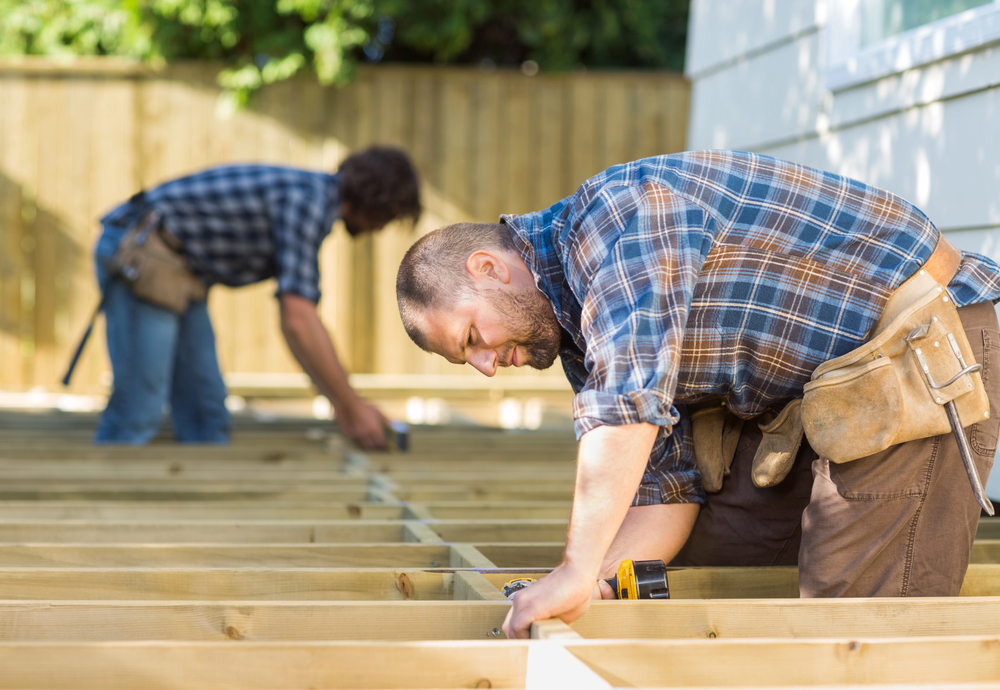
There’s something undeniably charming about timber. From weathered decks and creaky floorboards to classic window frames and pergolas, timber features give Aussie homes warmth, character and that “lived-in” feel you just can’t fake.
But if you own an older home—or even a newer one with exposed timber—there comes a point where you have to ask the question: Should I repair this, or is it time to replace it altogether?
The answer isn’t always obvious. Some timber elements just need a bit of TLC. Others are quietly costing you money, safety, or resale value. Let’s break it down so you can make the call with confidence—and know when it’s worth calling in a trusted decker.
Why Timber Ages the Way It Does
Timber is tough, but it’s not invincible. In Australia, our climate puts it through a lot:
- Harsh sun and UV exposure
- Heavy rain and humidity
- Termites and other pests
- Temperature changes that cause expansion and contraction
Over time, this can lead to cracking, warping, rot, or structural weakening. Some of these issues are cosmetic. Others are signs of deeper problems hiding beneath the surface.
That’s why the repair vs replace decision matters.
When Repairing Timber Makes Sense
In many cases, repairing old timber is not only possible—it’s the smarter move.
1. The Damage Is Surface-Level
If the timber is still structurally sound, repairs can work wonders. Common fixable issues include:
- Small cracks or splits
- Faded or peeling paint
- Minor water damage
- Loose boards or fixings
A good carpenter or handyman can sand, patch, seal and refinish timber so it looks almost new again—often at a fraction of the cost of replacement.
2. You Want to Keep the Original Character
Older homes often feature timber you simply can’t buy anymore—hardwoods that were slow-grown and incredibly durable. If your timber has heritage value or unique detailing, repair is often the best option to preserve the home’s character.
This is especially true for:
- Timber floors
- Staircases and balustrades
- Decorative beams
- Window frames in period homes
A skilled tradie can restore these features while keeping their original charm intact.
3. The Budget Is Tight (for Now)
Repairs are usually cheaper upfront. If you’re planning bigger renovations down the track, repairing timber can buy you time without compromising safety or appearance.
Just make sure the repairs are done properly—temporary fixes that ignore underlying issues can cost more later.
When Replacement Is the Better Choice
Sometimes, no amount of sanding or patching will cut it. Here’s when replacement should be on the table.
1. The Timber Is Structurally Unsound
If timber is:
- Rotten
- Severely warped
- Soft or crumbly to the touch
- Infested with termites
…it’s no longer doing its job.
Structural timber (like decks, posts, roof supports, or subfloors) plays a critical role in safety. Replacing damaged timber isn’t just about looks—it’s about preventing injuries, collapses, and costly future repairs.
2. Repairs Keep Adding Up
If you’re repairing the same timber feature every year, that’s a red flag. Constant maintenance costs can quickly exceed the price of a full replacement.
New timber—or modern alternatives—often come with better durability, warranties, and lower ongoing maintenance. Over time, replacement can actually save you money.
3. You’re Upgrading for Energy Efficiency or Value
Old timber windows and doors, for example, can leak air like a sieve. Replacing them with modern, well-sealed timber options can:
- Improve insulation
- Reduce energy bills
- Increase comfort year-round
- Boost resale value
If you’re renovating to sell or rent, replacing tired timber features can dramatically lift the overall look and appeal of your home.
Repair vs Replace: Common Timber Features

Timber Decks
- Repair if boards are solid but weathered
- Replace if joists or supports are rotten
Timber Flooring
- Repair if boards are thick enough to resand
- Replace if boards are thin, uneven, or extensively damaged
Pergolas & Outdoor Structures
- Repair for minor cracks or loose fixings
- Replace if posts are unstable or unsafe
Windows & Doors
- Repair for sticking, flaking, or minor rot
- Replace if frames are warped, leaking, or beyond sealing
Why a Tradie’s Opinion Matters
Here’s the tricky part: timber damage isn’t always obvious.
What looks like a small issue could be hiding serious structural problems underneath. On the flip side, some homeowners replace timber that could’ve been easily restored.
That’s where experienced tradies earn their keep.
A qualified carpenter or builder can:
- Assess structural integrity
- Identify pest or moisture issues
- Recommend cost-effective solutions
- Do the job properly the first time
Instead of guessing, you get clear advice tailored to your home.
Finding the Right Tradie Without the Headache
If you’ve ever tried to find a reliable tradie, you know the drill—endless calls, unanswered messages, and wildly different quotes.
That’s where ServiceSeeking.com.au makes life easier.
With ServiceSeeking, you can:
- Post your job in minutes
- Get multiple quotes from local, verified tradies
- Compare reviews and experience
- Choose the tradie that fits your budget and timeline
Whether you’re repairing a few floorboards or replacing an entire deck, having access to skilled professionals means better results and fewer surprises.
The Bottom Line
Deciding whether to repair or replace old timber features comes down to three things:
- Safety
- Cost over time
- What you want your home to be
Some timber just needs a fresh lease on life. Other pieces have done their time and deserve a proper upgrade.
Either way, the smartest move is getting expert advice before you commit. A good tradie won’t just fix the problem—they’ll help you make the right decision for your home and budget.
If you’re ready to get started, post your job on ServiceSeeking.com.au and connect with trusted local tradies who know timber inside and out. Your home—and your future self—will thank you.