Fencing
Thinking about double glazing windows? Compare costs, insulation, noise reduction, and value to find the right option for your home.
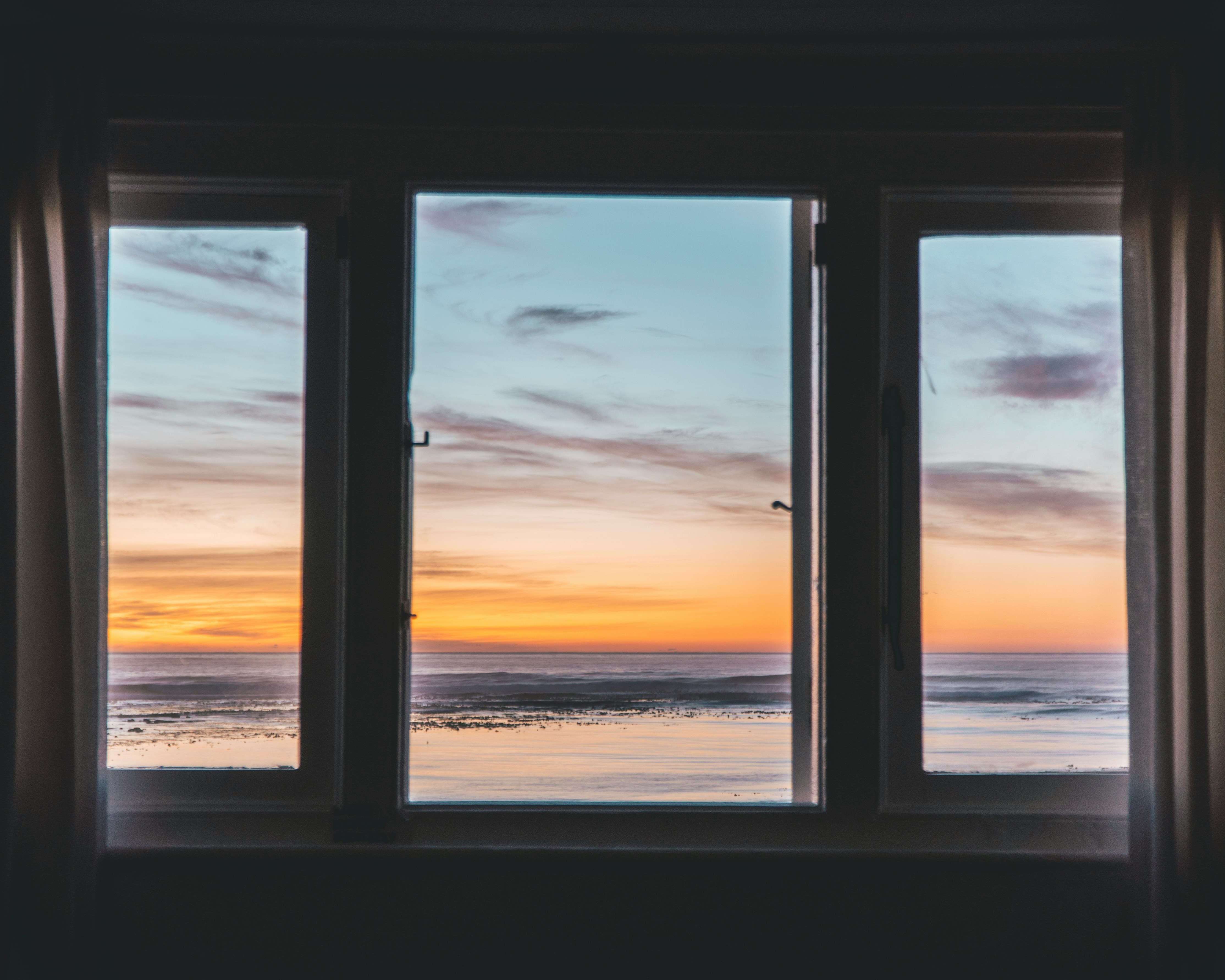
If you're replacing old windows, renovating, or looking for ways to improve comfort at home, you've probably come across the debate around double-glazing windows. While double glazing is often associated with better insulation and quieter interiors, the higher upfront cost leaves many homeowners wondering whether it's worth the investment.
The answer depends on your property, your budget, and what you're hoping to achieve. In some homes, double glazing can make a noticeable difference. In others, there may be other upgrades that deliver better value first.
Here's what homeowners should know before deciding between single and double glazing.
What Is Single Glazing?
Single glazing consists of one pane of glass fitted into a window frame. It has been the standard option in Australian homes for decades, particularly in older properties.
Single-glazed windows are generally:
- Less expensive to purchase and install
- Lighter in weight
- Easier to replace
- Common in older homes and apartments
While they allow plenty of natural light into a property, they provide limited insulation against temperature changes and outside noise.
What Is Double Glazing?
Double glazing uses two panes of glass separated by a sealed gap filled with air or an inert gas. This space acts as an insulating barrier that reduces heat transfer and helps dampen external noise.
Double-glazed windows are commonly chosen for:
- Improved thermal performance
- Better energy efficiency
- Reduced outside noise
- Less condensation on glass surfaces
Although the initial cost is higher, many homeowners see the upgrade as a long-term investment in comfort and energy savings.

How Do They Compare for Insulation?
One of the main reasons people choose double glazing is its ability to improve insulation.
During winter, double glazing helps slow heat loss from inside the home. During summer, it can help reduce the amount of external heat entering through the windows.
That said, windows are only one part of the picture.
A home with poor ceiling insulation, gaps around doors, or uninsulated walls may still struggle to maintain comfortable indoor temperatures, even with double-glazed windows installed.
For many homes, improving insulation throughout the building envelope often delivers the best overall results.
What About Noise Reduction?
This is where double glazing often stands out.
Homeowners living near busy roads, schools, train lines, commercial areas, or high-density neighbourhoods frequently report a noticeable reduction in outside noise after upgrading to double glazing.
The two panes of glass and the gap between them help absorb and disrupt sound waves before they enter the home.
If traffic noise, barking dogs, early morning activity, or general street noise are ongoing frustrations, double glazing may provide benefits that are immediately noticeable.
Does Double Glazing Lower Energy Bills?
Potentially, yes.
Because double-glazed windows improve thermal efficiency, heating and cooling systems may not need to work as hard to maintain comfortable indoor temperatures.
The actual savings depend on factors such as:
- Local climate
- Home orientation
- Existing insulation levels
- Window size and placement
- How often are heating and cooling used
Homes that rely heavily on air conditioning during summer or heating during winter often see the greatest benefit.
Does Climate Matter?
Absolutely.
In cooler parts of the country, double glazing is often valued for helping retain warmth during winter.
In hotter regions, homeowners sometimes expect double glazing alone to solve overheating issues. However, direct sunlight entering through glass can still create heat gain, particularly on west-facing windows.
This is why glazing choices are often most effective when combined with:
- Appropriate shading
- Awnings
- External blinds
- Landscaping
- Window films or Low-E coatings
A professional assessment can help determine which combination is likely to suit your home best.

When Single Glazing May Be Enough
Single glazing can still be a practical option when:
- You're working within a tight renovation budget.
- The property already performs well thermally.
- Outside noise is not a concern.
- The windows receive limited direct sun.
- Other upgrades offer a higher priority.
Modern single-glazed products can still provide good performance when paired with quality frames, tinting, shading, and insulation elsewhere in the home.
When Double Glazing Is Worth Considering
Double glazing may be worth the additional investment if:
- You live near significant sources of noise.
- You regularly use heating or air conditioning.
- You're replacing windows anyway.
- Comfort is a major priority.
- You're looking to improve energy efficiency.
- Condensation is an ongoing issue.
The benefits are often most noticeable when double glazing forms part of a broader strategy to improve the home's overall performance.
Find Experienced Window Glazing Professionals
Whether you're considering single glazing, double glazing, Low-E glass, or other energy-efficient window solutions, professional advice can help you make an informed decision.
Through ServiceSeeking, homeowners can compare quotes from experienced window glazing specialists, discuss options suited to their property, and find professionals who can recommend solutions based on climate, orientation, budget, and performance goals.
The right choice isn't always the most expensive one. A qualified glazing professional can help you identify where your investment is likely to make the biggest difference.