Gardening
Learn how to keep a small garden thriving in summer, from watering and shade to plant care and lawns, with expert support from local gardeners.
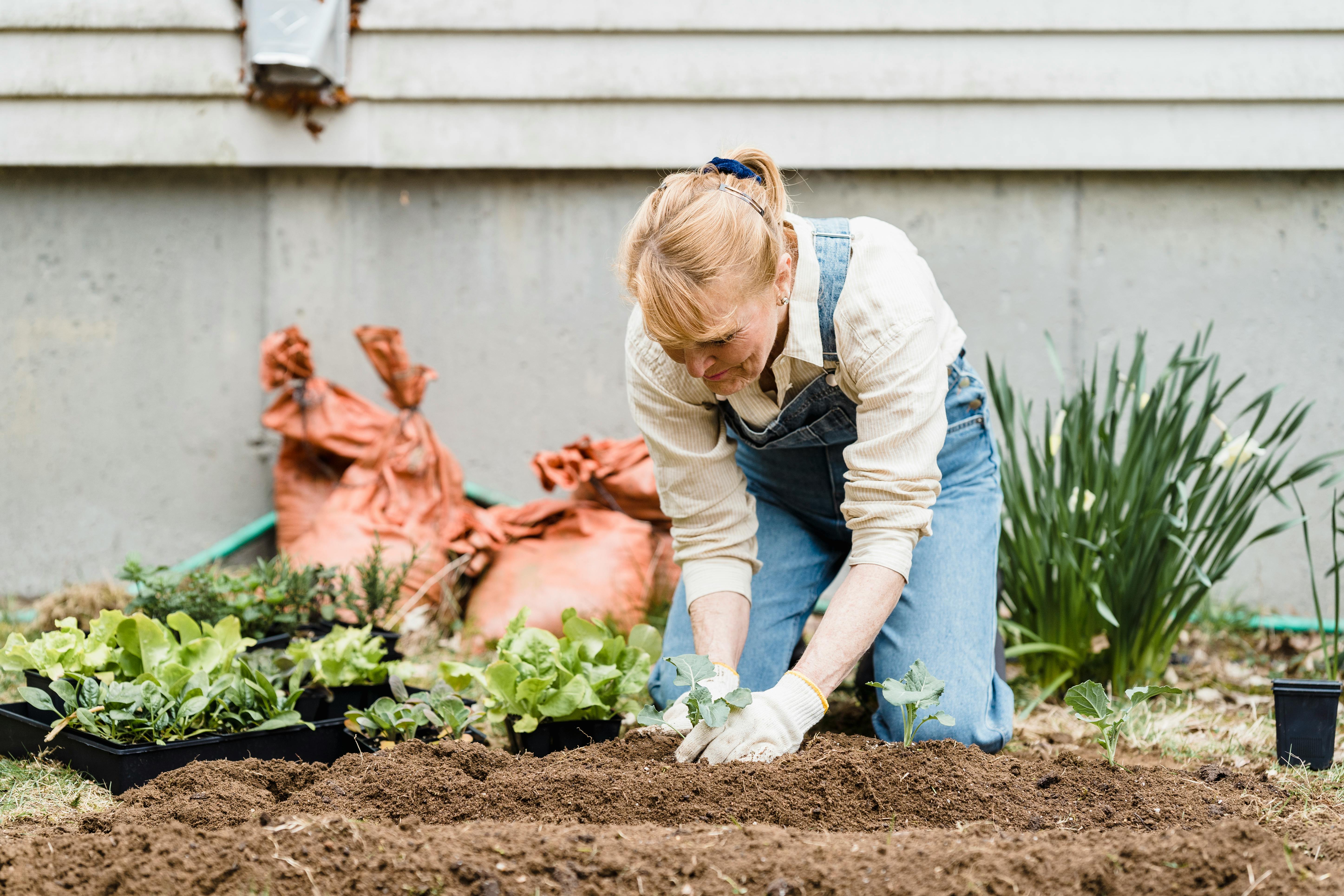
A small garden can be one of the most rewarding parts of a home, especially in summer. With longer days and strong sunlight, plants grow quickly, outdoor spaces are used more often, and even compact courtyards or balconies can feel lush and inviting. At the same time, summer places extra pressure on soil, plants and lawns, particularly in smaller spaces where heat builds up faster and moisture disappears quickly.
Understanding small summer garden care helps homeowners enjoy healthy greenery without constant stress. From managing heat and water to choosing the right plants and layouts, here is what to know about keeping a small garden flourishing through the warmer months, and when it makes sense to bring in an experienced gardener.
How summer affects small gardens
Small gardens heat up faster than larger yards. Walls, paving and fencing reflect warmth, while pots and raised beds dry out more quickly. Summer conditions can lead to:
- Faster moisture loss from soil
- Stressed plants during heatwaves
- Increased pest activity
- Patchy lawns or scorched groundcover
A gardener understands how to balance plant health with seasonal conditions, especially when space is limited and every plant choice matters.
Watering without waste
In summer, timing and depth matter more than frequency. Shallow watering often leads to weak roots and stressed plants. Morning watering allows moisture to reach the soil before heat sets in, while also reducing the risk of fungal problems.
In small gardens, gardeners often focus on:
- Deep watering for garden beds and pots
- Monitoring soil moisture rather than relying on a schedule
- Adjusting watering for shaded versus sun-exposed areas
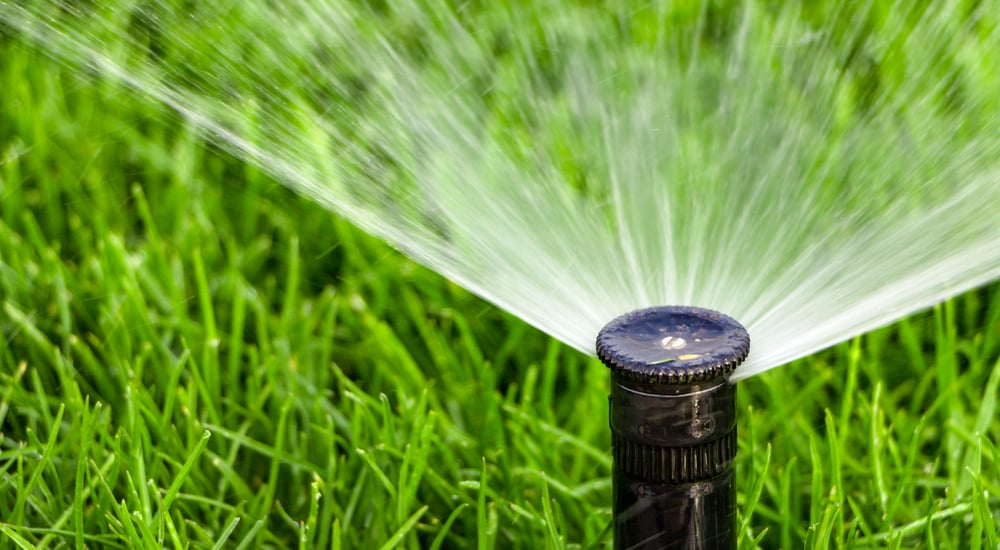
Professional gardeners can also assess irrigation systems, hoses and drainage to make sure water goes where it is needed, especially during dry spells.
Keeping potted plants healthy in heat
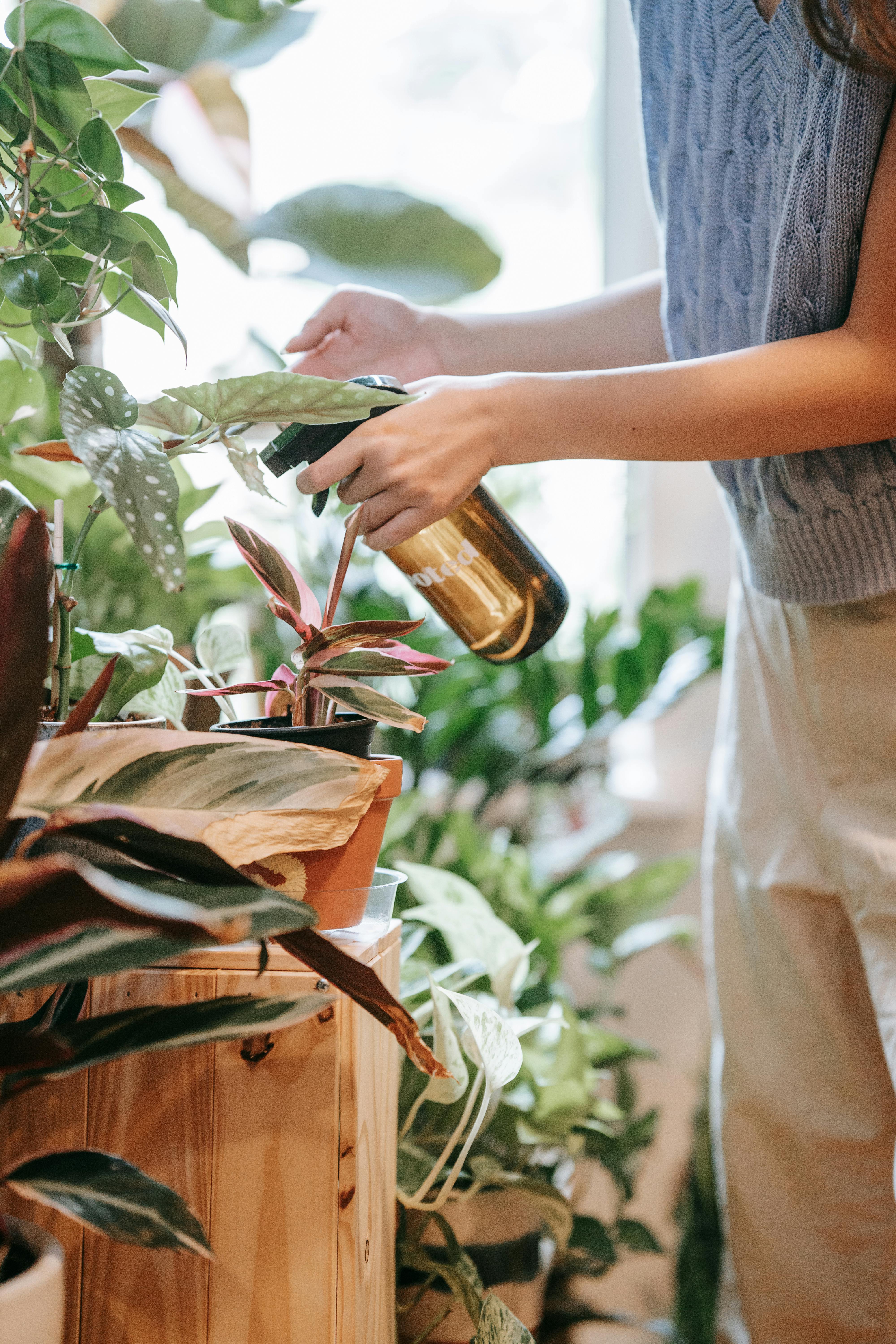
Pots are a popular choice in small gardens, but they are more vulnerable to temperature swings. Terracotta and dark-coloured pots absorb heat, which can stress roots.
A gardener may recommend:
- Positioning pots away from harsh western sun
- Using mulch to keep soil cooler
- Grouping pots to reduce heat exposure
This approach helps maintain plant health while keeping balconies, patios and courtyards looking full and green.
Feeding plants through summer growth
Summer is a peak growing season, which means plants use nutrients more quickly. Without adequate feeding, growth can slow and leaves may lose colour.
Gardeners often combine watering with nutrient support, selecting products that suit:
- Flowering plants
- Fruit and vegetable varieties
- Shrubs and small trees
This ensures plants stay vigorous without overfeeding, which can be just as damaging in warm weather.
Lawn care for compact outdoor spaces
Even a small patch of lawn benefits from the right summer care. Cutting grass too short can lead to dry, weak turf and increased weeds.
A healthy summer lawn usually involves:
- Maintaining a slightly longer cut
- Encouraging thicker growth to shade soil
- Seasonal feeding to support colour and resilience
Shade planning for comfort and plant health
In small gardens, shade can make a noticeable difference. Strategic planting helps protect both people and plants from intense sun.
Popular summer-friendly options include:
- Climbing plants on walls or screens
- Small trees or tall shrubs for filtered shade
- Vertical greenery that cools tight spaces
Choosing the right plants for summer
Plant selection plays a big role in small summer garden care. Hardy plants suited to local conditions cope better with heat and require less ongoing attention.
Summer-friendly options often include:
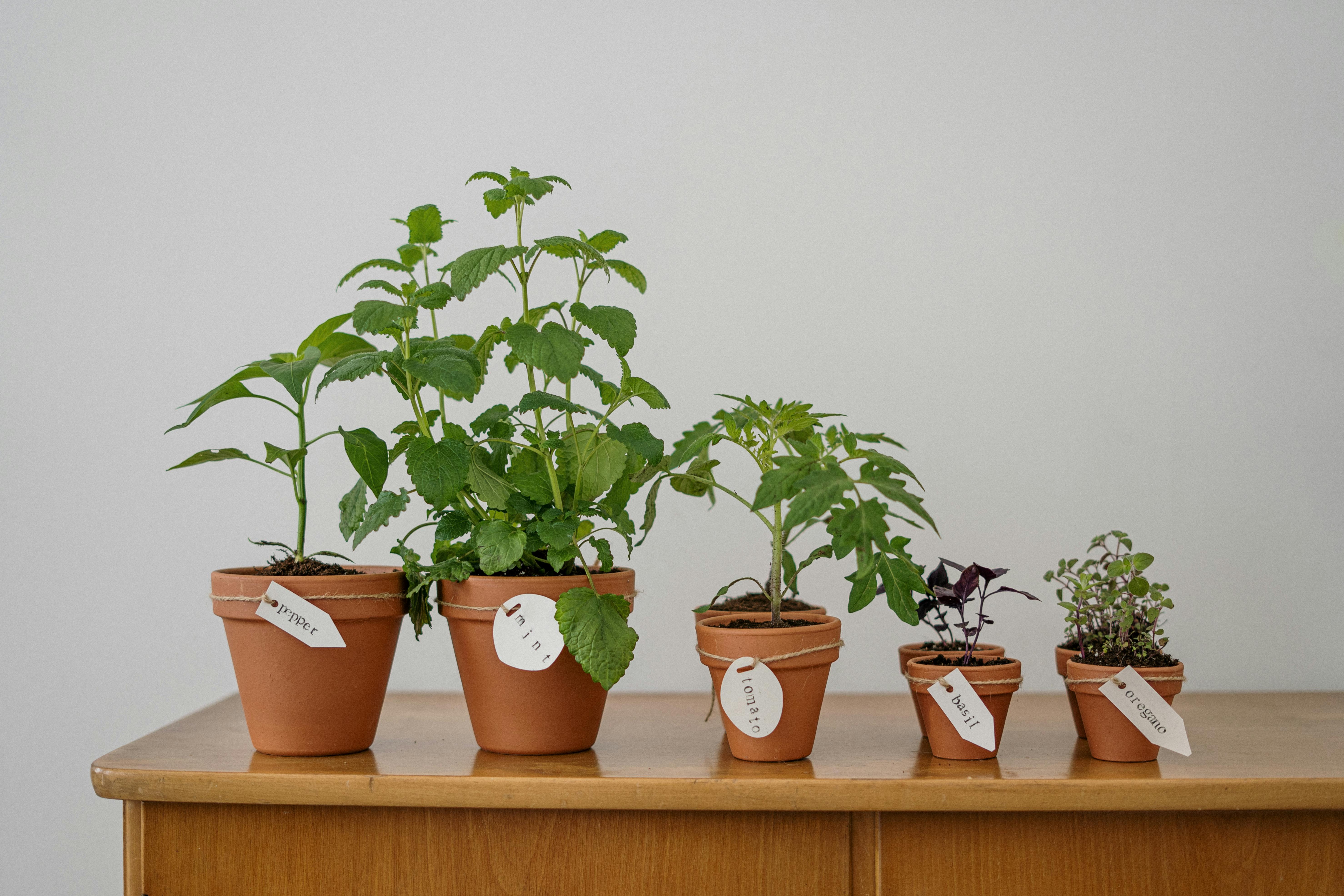
- Heat-tolerant herbs such as basil
- Productive vegetables like tomatoes and zucchini
- Native shrubs and groundcovers adapted to Australian conditions
Gardeners help homeowners choose plants that suit the space now and as they mature, avoiding overcrowding later on.
Managing pests and plant stress
Warm weather encourages pests and disease, particularly in closely planted gardens. Early signs are easier to manage when spotted quickly.
Gardeners look for:
- Changes in leaf colour or shape
- Signs of mildew or fungal issues
- Increased insect activity
Regular professional care helps maintain balance without unnecessary intervention.
Making a small garden look cared for
Even during busy summer months, a few well-maintained elements can lift the whole space. Fresh mulch, healthy feature plants and neat edges go a long way in compact gardens.
When time is limited, many homeowners choose to book a gardener through ServiceSeeking to handle seasonal upkeep, allowing them to enjoy their outdoor space rather than worry about it.
When to hire a gardener
Small gardens benefit from expert attention because every plant, pot and patch of soil matters. A local gardener can:
- Tailor care to your climate and space
- Keep plants healthy through heatwaves
- Maintain lawns, pots and garden beds efficiently
ServiceSeeking connects homeowners with experienced gardeners who understand summer conditions and small garden challenges, making it easier to keep outdoor spaces looking their best.
A thriving small garden, all summer long
With the right approach, small gardens can thrive throughout summer. Understanding how heat, water, plant choice and layout work together helps homeowners make informed decisions, while professional gardeners provide the support needed to keep everything on track.
Whether it is a courtyard, balcony or compact backyard, thoughtful small summer garden care turns limited space into a welcoming, green retreat all season long.