House Repair and Maintenance
Learn when a switchboard upgrade is needed and how to prepare for increased autumn and winter power use in Australian homes.
As autumn settles in, households begin switching on heaters, electric blankets, dryers and additional lighting. That seasonal jump in demand often exposes a hidden issue many homeowners overlook: an ageing or overloaded switchboard.
If you are planning for increased electricity use this season, a switchboard upgrade may be worth considering. Understanding how your switchboard handles higher loads can help prevent nuisance tripping, electrical faults and safety risks during the colder months.
Here is what homeowners need to know.
Why Autumn Brings Switchboard Issues to Light
Autumn acts as a stress test for your electrical system. After months of relatively lighter summer usage, circuits suddenly carry more sustained loads.
Common seasonal additions include:
- Portable heaters
- Reverse cycle air conditioning
- Electric hot water systems
- Clothes dryers
- Induction cooktops
- Outdoor lighting with shorter daylight hours
In many older homes, especially those built before the early 2000s, switchboards were not designed for today’s appliance-heavy lifestyle. Add solar systems, battery storage or electric vehicle charging, and the demand increases further.
Frequent tripping, flickering lights or power cutting out when multiple appliances run together are signs that your switchboard may be under strain.
What Your Switchboard Actually Does
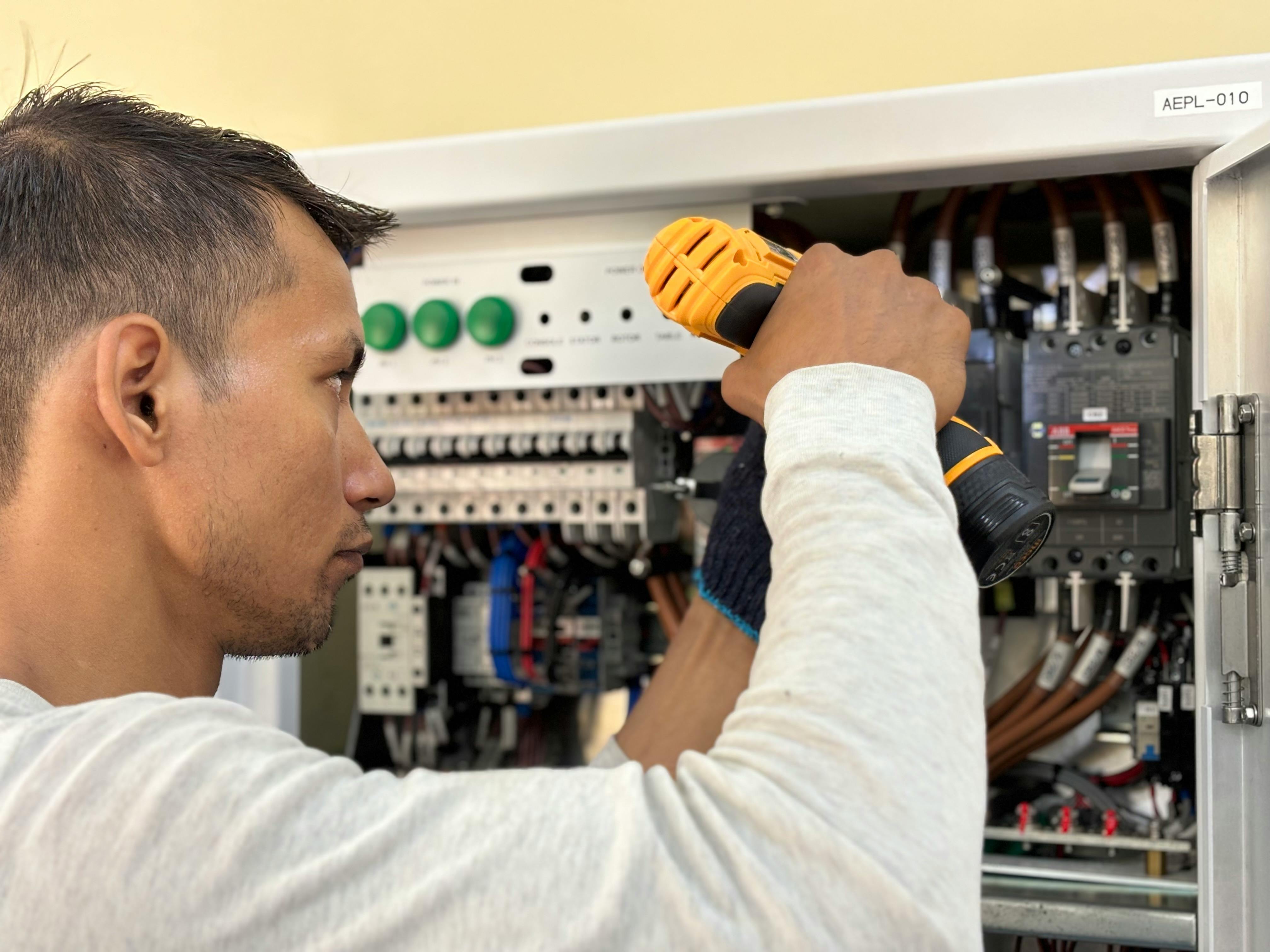
Your switchboard is the control centre of your home’s electrical system. It distributes power into separate circuits and protects those circuits from overload or faults.
Modern switchboards typically include:
- Circuit breakers
- Safety switches (RCDs)
- Main switches
- Surge protection
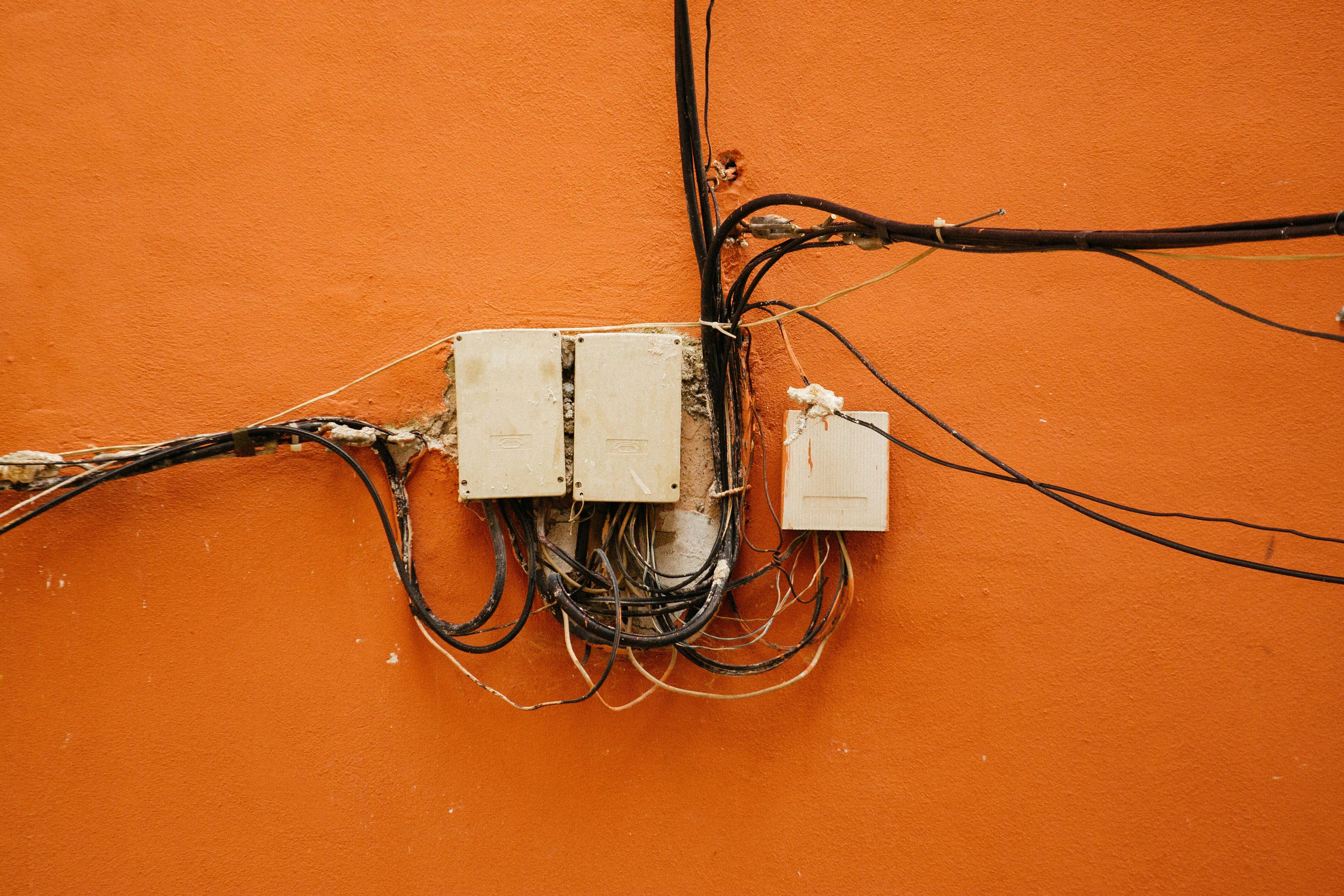
Older boards may still contain ceramic fuses, outdated breakers or mixed generations of equipment installed over decades. While they may technically function, they often lack the protection standards expected in current Australian homes.
When Is a Switchboard Upgrade Required?
There are several situations where a switchboard upgrade becomes necessary rather than optional.
1. No Safety Switch Protection
Current Australian standards require safety switches on power and lighting circuits in most homes. Rental properties in several states must have compliant RCD protection.
If your switchboard does not have safety switches protecting all final subcircuits, it may not meet modern compliance requirements.
2. Adding Major Electrical Loads
Planning to install:
- Ducted reverse cycle air conditioning
- Solar panels
- Battery systems
- Induction cooktops
- Electric vehicle chargers
These additions often require new circuits and increased capacity. An electrician may recommend upgrading the board to safely accommodate them.
3. Frequent Tripping
If a breaker repeatedly trips when normal appliances are used, it can indicate:
- Circuit overload
- Undersized breakers
- Faulty wiring
- Ageing protective devices
Simply increasing breaker size is not always the solution. The circuit must be assessed to ensure cables and wiring can handle the higher rating safely.
4. Visible Age or Deterioration
Older switchboards may contain:
- Ceramic fuses
- Asbestos backing panels
- Outdated Clipsal breakers from the 1990s
- Poor enclosure sealing
In some cases, asbestos panels prevent additional equipment from being installed safely. A full replacement is often the safest path forward.
What to Expect From a Switchboard Upgrade
The cost of a switchboard upgrade can vary depending on the condition of your existing installation and the scope of work required.
Factors that influence pricing include:
- The size of the property
- The number of circuits
- Whether the existing panel contains asbestos backing
- Upgrades to earthing and bonding
- The capacity of the incoming supply
- Whether additional service work is required
If further wiring upgrades are needed, this may increase the overall scope. However, in many homes, a switchboard replacement alone is enough to bring the installation up to modern safety and compliance standards.
A licensed electrician can assess your current setup and explain exactly what is required before any work proceeds.
Is Old Wiring Always a Problem?
Homeowners often worry that upgrading the switchboard will uncover major rewiring costs.
In many renovated homes, original VIR cabling has already been replaced. If there were serious deterioration issues, they likely would have presented by now through faults or failures.
However, only testing by a licensed electrician can confirm:
- Insulation resistance
- Earthing integrity
- Load capacity
- Fault current levels
Upgrading the switchboard does not automatically mean full rewiring is required.

Modern Compliance and Standards
Australian electrical installations are governed primarily by AS/NZS 3000, commonly known as the Wiring Rules.
For larger installations exceeding certain current or fault thresholds, additional standards such as AS/NZS 61439 may apply.
For typical residential homes, compliance focuses on:
- RCD protection
- Correct breaker sizing
- Proper enclosure
- Adequate earthing
- Safe clearances and IP ratings
An electrician will ensure any upgrade meets the latest regulatory requirements in your state.
The Solar and Electrification Factor
More households are moving away from gas and toward full electrification. This includes:
- Induction cooking
- Electric heat pump hot water
- Reverse cycle air conditioning
- Solar with battery storage
These systems increase reliance on electrical infrastructure. An older switchboard that once supported lights and basic appliances may struggle under modern energy demands.
Upgrading before problems arise allows your system to handle expansion safely and efficiently.
Signs You Should Book an Inspection This Autumn
Consider arranging a professional assessment if you notice:
- Breakers that trip when multiple appliances run
- No visible safety switches
- Mixed old and new components inside the board
- Buzzing or heat around breakers
- Plans to add high-demand appliances
Autumn is an ideal time to check your switchboard before winter usage peaks.
What an Electrician Will Assess
A licensed electrician will typically:
- Inspect the board condition
- Test safety switches
- Check breaker sizing
- Assess earthing and bonding
- Measure load demand
- Identify compliance gaps
They can then recommend whether minor upgrades, additional circuits or a full switchboard replacement is appropriate.
Preparing for a Safer Colder Season
Your switchboard may not be something you see every day, but it plays a central role in keeping your home powered safely.
As heating systems, dryers and additional appliances switch on this autumn, ensuring your switchboard can manage the increased demand helps reduce the risk of unexpected outages and electrical hazards.
If you are unsure about the age or condition of your board, booking a licensed electrician through ServiceSeeking.com.au allows you to compare quotes and arrange an inspection before winter sets in.
Staying ahead of seasonal demand means fewer interruptions and a safer home when you need power most.