Here are common winter roof problems Aussie homeowners face and why it pays to get a trusted tradie involved before things get worse.
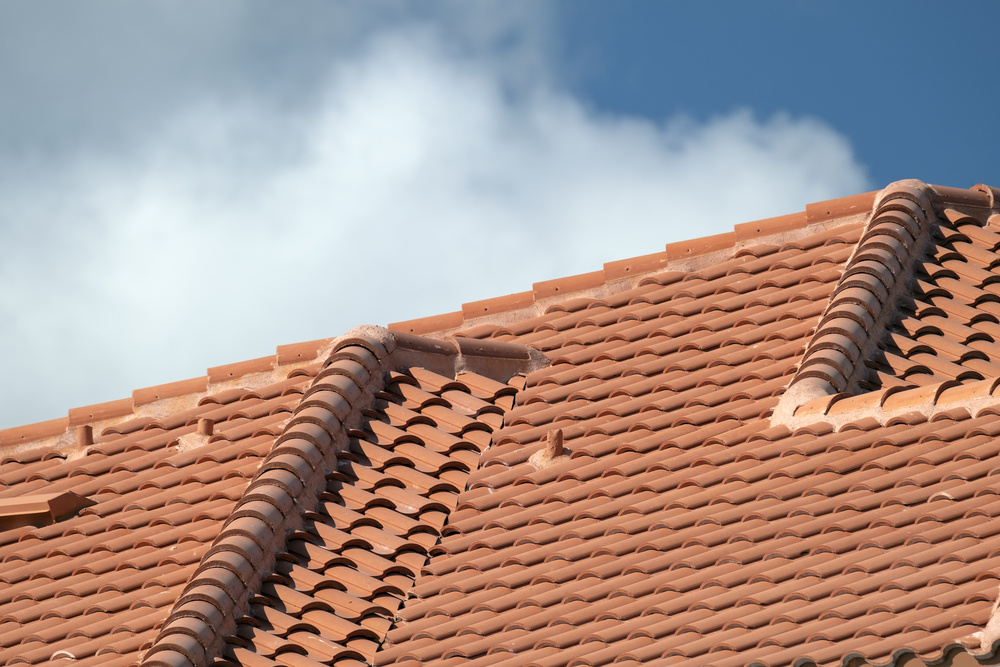
Winter in Australia might not bring snowstorms to most suburbs, but it definitely puts roofs to the test. Between heavy rain, strong winds, cold mornings, and blocked gutters, winter can expose roofing issues that have been quietly building up for months.
The problem is that many homeowners don’t realise there’s an issue until the leak appears inside the house — and by then, the repair bill is usually bigger than expected.
For tradies and roofing professionals, winter is one of the busiest times of the year. And for homeowners, it’s the season where getting small problems fixed early can save thousands later on.
Here are some of the most common winter roof problems Australian homeowners face — and why it pays to get a qualified tradie involved before things get worse.
1. Roof Leaks
Roof leaks are by far the biggest winter roofing headache across Australia.
After months of exposure to sun, storms, and changing temperatures, roofing materials naturally wear down. Once the heavy winter rain arrives, even tiny cracks or gaps can let water seep into the home.
Common causes include:
- Broken or cracked roof tiles
- Rusted metal roofing
- Damaged flashing
- Loose screws or fasteners
- Poor sealing around vents and skylights
The tricky part is that leaks often appear far away from the actual source of the problem. Water can travel through roof cavities before showing up as stains on ceilings or walls.
Many homeowners try a quick DIY patch, but roofing issues usually need a proper inspection to stop the leak for good. A licensed roofing tradie can pinpoint the source quickly and prevent ongoing water damage.
2. Blocked Gutters and Downpipes
Winter means more leaves, debris, and storm build-up sitting in gutters.
When gutters clog up, rainwater has nowhere to go. Instead, it overflows and can damage:
- Roof edges
- Fascia boards
- Exterior walls
- Foundations
- Landscaping
Blocked gutters can also create standing water, which speeds up rust and deterioration — especially on older homes.
In bushy suburbs or properties with large trees nearby, gutter cleaning becomes even more important during winter.
A professional gutter clean and inspection before peak rain season can help homeowners avoid expensive water damage later on.
3. Broken or Dislodged Roof Tiles
Cold weather, wind, and heavy rain can loosen or crack roof tiles over time.
Terracotta and concrete tiles are especially vulnerable if they’ve already aged or suffered storm damage during summer. Once a tile shifts out of place, water can easily enter underneath the roof structure.
Some homeowners ignore a single cracked tile because it “doesn’t seem urgent,” but one damaged tile can quickly turn into:
- Ceiling leaks
- Rotting timber
- Mould growth
- Insulation damage
The challenge is that damaged tiles aren’t always visible from the ground. That’s why roof inspections are especially common during winter.
Qualified roofers can safely identify damaged sections and replace tiles before the next major downpour hits.
4. Rust and Corrosion on Metal Roofs
Metal roofing is popular across Australia because it’s durable and long-lasting — but winter moisture can still cause problems.
Older Colorbond and corrugated metal roofs are particularly prone to:
- Rust spots
- Corrosion around screws
- Loose sheets
- Water pooling
Coastal areas tend to experience faster corrosion due to salty air, while inland regions often see damage from temperature changes and moisture build-up.
Rust may look cosmetic at first, but it can weaken roofing sheets over time and create entry points for water.
A roofing professional can assess whether the roof needs repairs, resealing, or partial replacement before the damage spreads further.
5. Storm Damage
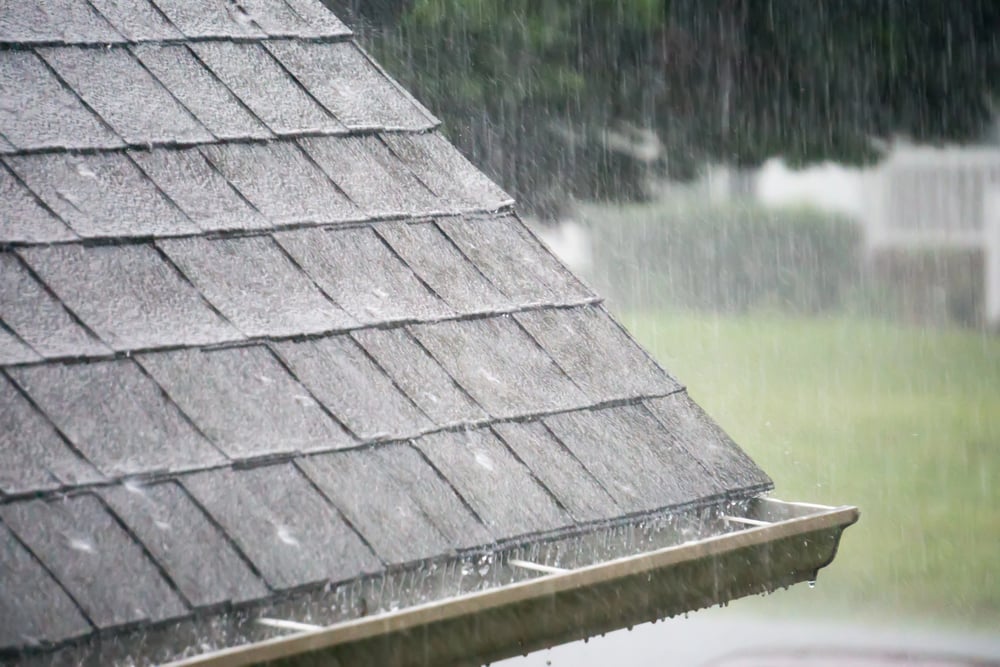
Australian winters often bring strong winds and severe storms, especially in coastal regions and southern states.
Storms can cause:
- Lifted roof sheets
- Missing tiles
- Gutter damage
- Fallen branches on roofs
- Water ingress
Sometimes the damage is obvious. Other times, homeowners don’t notice a problem until weeks later when leaks begin appearing indoors.
After major storms, it’s always worth booking a professional roof inspection — even if the roof “looks fine” from the street.
Catching storm damage early can prevent larger insurance claims and costly emergency repairs later on.
6. Condensation and Mould Build-Up
Not all winter roofing problems come from outside rain.
During colder months, condensation can build up inside roof cavities due to poor ventilation. Warm indoor air rises into the roof space and meets cold surfaces, creating moisture.
Over time, this can lead to:
- Mould growth
- Damp insulation
- Timber rot
- Musty smells
- Reduced energy efficiency
Homes with poor airflow are especially vulnerable during winter.
A roofing specialist can recommend ventilation improvements or insulation upgrades that help reduce moisture build-up and keep the home healthier year-round.
7.
Sagging Roofs
A sagging roof is something homeowners should never ignore.
Winter rain can add significant weight to roofing structures, especially if there’s already hidden water damage or weakened timber underneath.
Signs of a sagging roof include:
- Uneven roof lines
- Ceiling cracks
- Doors sticking
- Visible dips in the roof
In some cases, the issue is caused by long-term moisture exposure from small leaks that were never repaired.
Roof structural problems can become dangerous if left untreated, so it’s important to get an experienced tradie to inspect the property as soon as possible.
8. Flashing Failures
Roof flashing is the thin material installed around chimneys, skylights, vents, and roof joins to stop water from getting in.
Over time, flashing can crack, lift, rust, or separate due to exposure to weather and temperature changes.
Winter rain quickly exposes weak flashing because water naturally pools around these vulnerable areas.
Faulty flashing is one of the leading causes of hidden roof leaks in Australian homes.
The good news is that flashing repairs are usually far cheaper when caught early — before moisture spreads into ceilings and walls.
Why Winter Roof Maintenance Matters
A lot of homeowners only think about their roof once there’s a visible problem inside the house.
But preventative maintenance is almost always cheaper than emergency repairs.
Simple winter roof maintenance can help homeowners:
- Avoid expensive structural damage
- Prevent mould and damp issues
- Extend roof lifespan
- Improve energy efficiency
- Protect property value
For tradies, winter also creates strong demand for reliable roofing services. Homeowners want fast, trustworthy professionals who can solve problems before they escalate.
That’s why many Australians turn to platforms like ServiceSeeking.com.au to find experienced local roofers, gutter cleaners, and repair specialists they can trust.
Finding the Right Roofing Tradie
Roofing work isn’t something most homeowners should DIY — especially during wet winter conditions.
Working at heights comes with serious safety risks, and temporary fixes often fail once the next storm arrives.
Hiring a qualified professional means homeowners can get:
- Accurate inspections
- Proper repairs
- Safe workmanship
- Long-term solutions
- Peace of mind during winter weather
Whether it’s a small leak, gutter clean, or full roof restoration, finding the right tradie early can save a lot of stress once winter rain sets in.
And for roofing professionals looking to stay busy during the colder months, having a strong online presence and access to quality leads can make all the difference.